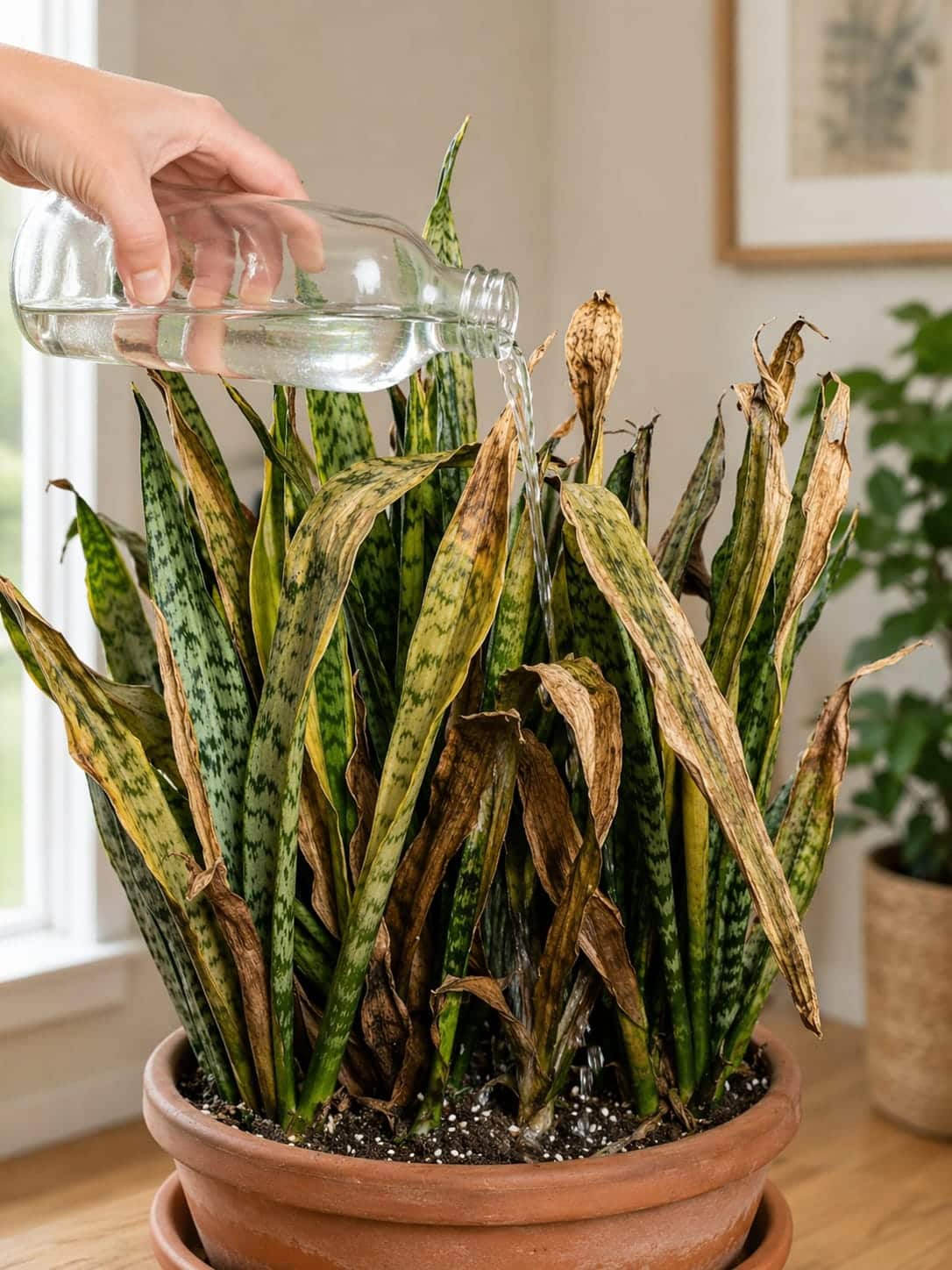
Be Patient (It May Take Years)
Snake plant blooms do not happen overnight. It may take years before your plant flowers, even with perfect care. Healthy, mature plants are much more likely to bloom than young ones.
What to Expect
· Age matters – Most snake plants need to be at least 3–5 years old before they are mature enough to flower.
· Flower stalks appear suddenly – You may notice a thin, green stalk emerging from the center of the plant. It can grow several inches in a week.
· Blooms typically appear in late winter to spring – After a period of cooler, drier conditions.
· Flowers open at night – They release a sweet, jasmine‑like fragrance that is strongest in the evening.
Do Not Give Up
If your snake plant does not bloom this year, continue the routine. Bright light, dry cycles, light feeding, and patience. Each year, the plant builds more energy. Eventually, when all the conditions align, you may be rewarded with those rare, fragrant flowers.
Signs Your Snake Plant Is Getting Ready to Bloom
Watch for these indicators that your plant is preparing to flower:
· New growth in the center – Healthy, upright leaves emerging.
· A tall, thin stalk – Unlike leaves, the flower stalk is rounder and grows quickly.
· Swelling at the tip – Small buds forming along the upper part of the stalk.
· Fragrance without visible flowers – Sometimes the scent precedes the opening blooms.
Once the stalk appears, do not change your care routine. Continue to let the soil dry between waterings and keep the plant in bright indirect light. Moving the plant or overwatering can cause the buds to drop.
What to Do After Your Snake Plant Blooms
After the flowers fade, the stalk will eventually turn brown and dry. You can cut it off at the base using clean scissors. The plant may not bloom again for another year or more, but now you know it has the potential.
· Cut the spent flower stalk – Do not pull; cut near the base.
· Continue regular care – Do not increase feeding or watering.
· The plant may produce pups – Sometimes blooming is followed by new baby shoots.
Enjoy the rare event, and know that you have provided excellent care.
Common Mistakes That Prevent Blooms
If your snake plant is healthy but never blooms, check for these common errors:
Mistake Why It Prevents Blooms Fix
Too much water Roots are always wet; no dry stress Let soil dry completely between waterings
Too little light Plant cannot build energy Move to brighter spot or add grow light
Frequent repotting Roots never get snug; no stress Repot every 2–3 years only
Over‑fertilizing Too much nitrogen = leaves, not flowers Feed lightly in spring, stop in fall
Young plant Not mature enough Wait 3–5 years
Constant ideal conditions No seasonal rhythm Allow cooler, drier winter rest
Most non‑blooming snake plants simply need more light and a drier, more seasonal care routine.
Frequently Asked Questions (Snake Plant Blooms)
How long do snake plant flowers last?
Each individual flower lasts about a week. The entire bloom cluster may stay attractive for 2–3 weeks. After that, the stalk will dry and can be cut off.
Does a snake plant die after blooming?
No. Unlike some succulents (like agave), snake plants do not die after flowering. They continue to grow and may bloom again in future years.
What does a snake plant flower smell like?
The fragrance is sweet, similar to jasmine or lily, and is most noticeable at night. Some people describe it as honey‑like or lightly spicy.
Can I force my snake plant to bloom?
You cannot force it, but you can create the conditions that make blooming more likely: bright light, dry cycles, a snug pot, light feeding in spring, and patience. The plant decides when it is ready.
Why did my snake plant flower only once and never again?
Blooming is not an annual event for snake plants. They may bloom every few years, or only once in their lifetime indoors. Continue good care, and it may surprise you again.
Should I remove the pups from a blooming snake plant?
You can, but it is not necessary. Pups (baby plants) are a sign of a healthy, mature plant. Leaving them attached helps the mother plant store more energy. If you want more plants, you can separate pups after they are 4–6 inches tall.
Can I use Epsom salt to help my snake plant bloom?
Epsom salt provides magnesium. If your plant has a magnesium deficiency (yellowing between leaf veins), a diluted solution (1 teaspoon per gallon) once a month may help overall health. It is not a direct bloom trigger.
Is it rare for snake plants to bloom indoors?
Yes, it is relatively rare. Many owners never see a bloom. That is what makes it so special. When it happens, it is a sign of exceptional care and the right environmental triggers.
A Simple Year‑Round Routine to Encourage Blooms
Here is a monthly guide to maximize your snake plant’s blooming potential.
Spring (March – May)
· Light: Bright indirect light. Move plant closer to window.
· Water: When soil is completely dry (every 2–4 weeks).
· Fertilizer: Begin light feeding (half‑strength balanced fertilizer) once a month.
· Other: Do not repot unless necessary.
Summer (June – August)
· Light: Bright indirect light. Can move outdoors to shaded patio.
· Water: Water when dry (every 2–3 weeks). Let soil dry thoroughly.
· Fertilizer: Continue once‑a‑month feeding.
· Other: Wipe leaves to remove dust.
Fall (September – November)
· Light: Still bright light, but days shorten – consider grow light.
· Water: Reduce watering to once a month.
· Fertilizer: Stop feeding completely.
· Other: Allow cooler temperatures (60–70°F / 15–21°C) at night.
Winter (December – February)
· Light: Bright indirect light (grow light helpful).
· Water: Water very sparingly (once every 4–6 weeks).
· Fertilizer: None.
· Other: This is the rest period – essential for future blooms.
By following this rhythm, you give your snake plant the seasonal cues it needs to one day produce that rare, fragrant flower.
Final Thoughts
Getting a snake plant to bloom is not common, but that is what makes it so special. With the right balance of light, watering, a little mild stress, light feeding, and patience, you might be lucky enough to witness this rare event.
And when it finally happens — when that tall stalk rises from the center and delicate white flowers open, filling the room with a sweet, unexpected fragrance — it is absolutely worth it.
You will know that you did not just keep your snake plant alive. You helped it thrive. You recreated the conditions of its native home. And you earned that rare, beautiful reward.
So move it closer to the window. Water it less often. Let it get a little snug in its pot. Feed it lightly in spring. And then wait. One spring, you may notice a thin green spike emerging from the center. That is the beginning of something special.
Enjoy the journey.
Have you ever gotten your snake plant to bloom? Share your experience in the comments below. And if you found this guide helpful, save it for later or send it to a friend who wants to see their snake plant do something extraordinary.
This article is for informational purposes only. Growing conditions vary. Always observe your plant and adjust care as needed. When in doubt, focus on light and dry soil before any supplement.