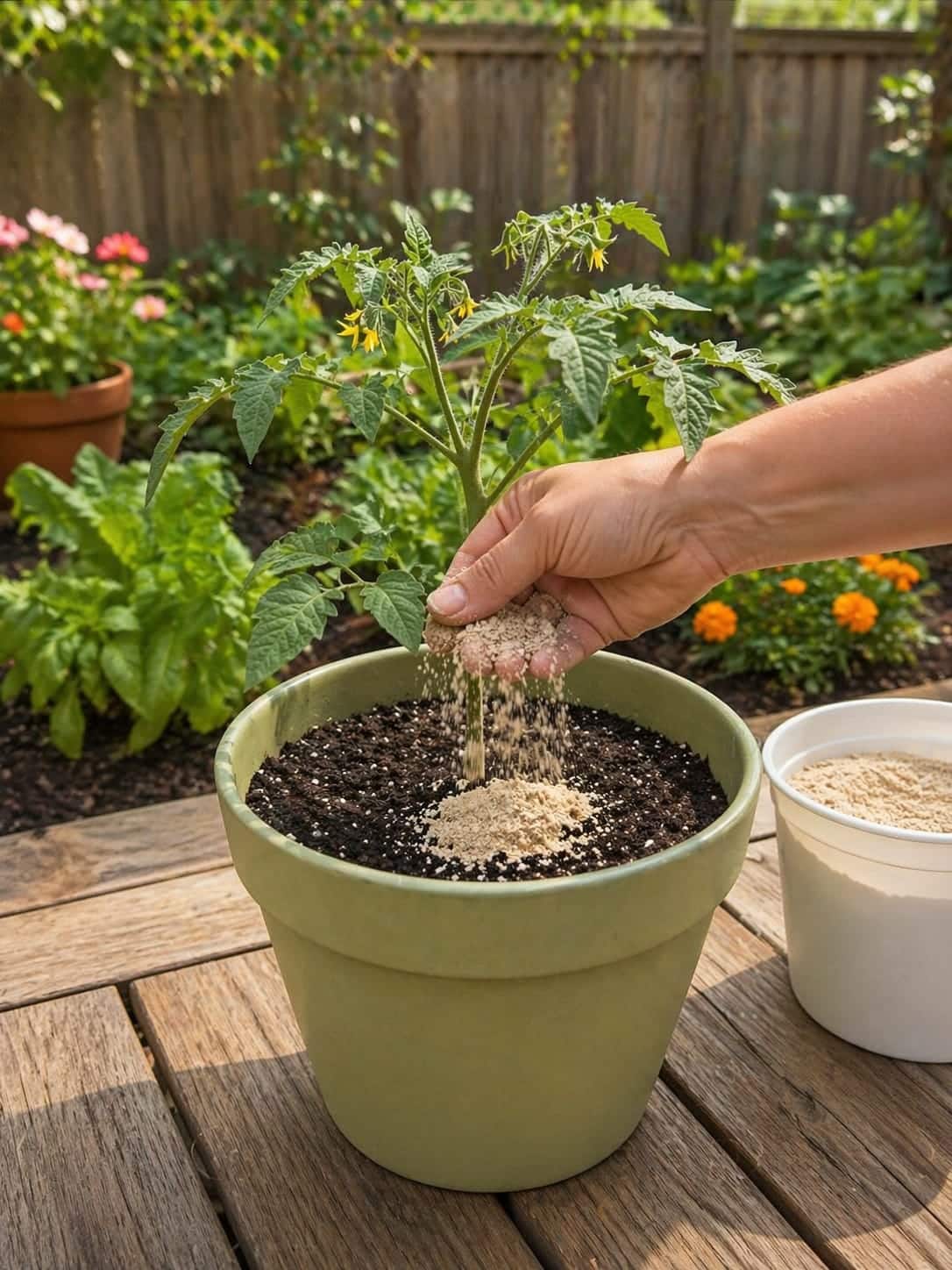
Most people throw eggshells in the trash without thinking twice. After breakfast, they crack a few eggs, toss the shells, and never give them another thought. But gardeners know something different: eggshells can be a powerful, natural boost for your plants.
If you have seen videos of crushed eggshell powder being added to soil, you might be wondering: does it really work, or is it just another viral gardening trend? The answer is yes — it works, but not in the way many people expect. Eggshells are not a miracle overnight fertilizer, but when used correctly, they are a fantastic, free, and eco‑friendly way to improve soil health and support stronger, more resilient plants over time.
In this guide, you will learn why eggshells are good for plants, how to turn them into a fine powder, the best ways to use them in your garden and houseplants, which plants benefit the most, common mistakes to avoid, and why this simple trick is worth incorporating into your routine.
Why Eggshells Are Good for Plants
Eggshells are mainly made of calcium carbonate — roughly 95% by weight. Calcium is an essential secondary nutrient for plants, just as important as nitrogen, phosphorus, and potassium. It plays a critical role in plant health.
Calcium helps plants:
· Build stronger cell walls – Calcium is a key component of cell walls, giving plants structural integrity. Strong cell walls mean sturdier stems, better resistance to pests, and less wilting.
· Grow healthier roots – Calcium supports root elongation and development, helping plants access water and nutrients more efficiently.
· Prevent certain deficiencies – Calcium deficiency can cause blossom end rot in tomatoes and peppers, stunted growth, and distorted new leaves.
· Improve overall plant structure – A calcium‑rich plant is more robust and better able to withstand environmental stress.
When used properly, eggshells can support healthier and more resilient plants, both indoors and outdoors. They are a natural, slow‑release source of calcium that won’t burn roots like some synthetic fertilizers.
The Simple Trick: Crushed Eggshell Powder
Instead of throwing eggshells away, you can turn them into a useful garden addition. The key is to transform the shells into a fine powder. Whole or large pieces of eggshell break down very slowly; some may take years to decompose. Powdered eggshells, however, have a much larger surface area, allowing soil microbes and moisture to break them down more quickly.
How to Prepare Eggshell Powder:
- Rinse the shells – After cracking eggs, rinse the shells under warm water to remove any remaining egg white or membrane. This prevents odor and deters pests.
- Let them dry completely – Spread the rinsed shells on a baking sheet or paper towel. Let them air dry for 24 hours, or dry them in a low oven (200°F / 95°C) for 10–15 minutes. Do not burn them.
- Crush or grind into a fine powder – Use a coffee grinder, food processor, mortar and pestle, or even a rolling pin inside a plastic bag. The finer the powder, the easier it is for the soil to absorb the calcium over time.
Pro tip: Wear a mask if grinding large amounts to avoid inhaling fine dust. Store the powder in an airtight jar.
How to Use Eggshells in Soil (Best Methods)
Once you have your eggshell powder, there are several effective ways to use it.
- Sprinkle Powder Around the Base of Plants
Lightly dust the soil surface around your plants. Use about 1–2 tablespoons per small pot, or a handful per square foot in the garden. Gently work it into the top inch of soil with your fingers or a small trowel.
- Mix into the Top Layer of Soil
When planting new seedlings or repotting houseplants, mix eggshell powder directly into the potting mix. For a standard 6‑inch pot, add 1–2 teaspoons of powder. For garden beds, mix in about ½ cup per 10 square feet.
- Add to Compost
Eggshells are a fantastic addition to compost. They add calcium and help balance pH. Crush them before adding to speed up decomposition. The compost will then become a rich, balanced soil amendment.
- Make Eggshell “Tea” (Calcium Water)
For a slightly faster release, soak crushed eggshells in water. Add a handful of crushed shells to a gallon of water, let it sit for 3–5 days, then use the water to irrigate your plants. This is especially helpful for plants showing signs of calcium deficiency.
- Use as a Natural Pest Deterrent
Coarsely crushed eggshells sprinkled around the base of plants can deter slugs, snails, and cutworms. The sharp edges irritate their soft bodies. This method is best for outdoor gardens.
Important: Eggshells Work Slowly (Patience Required)
Eggshells are not a quick fertilizer. They are not like a water‑soluble synthetic fertilizer that delivers nutrients immediately. Instead, they break down gradually, releasing calcium over months or even years.
What this means for you:
· Results take time – You will not see overnight improvement. For plants with acute calcium deficiency (like blossom end rot), a fast‑acting calcium supplement (such as calcium nitrate or gypsum) is a better short‑term solution.
· They support long‑term soil health – Regular addition of eggshell powder builds a reservoir of calcium that slowly becomes available to plants.
· They are not an instant “growth hack” – Do not expect eggshell powder to replace proper watering, light, or balanced fertilization.
Patience is key. Think of eggshells as a long‑term investment in your soil’s fertility.
Which Plants Benefit the Most from Eggshells?
While almost all plants benefit from calcium, some are particularly responsive to eggshell amendments.
Vegetables That Love Eggshells:
· Tomatoes 🍅 – Tomatoes are prone to blossom end rot, a calcium deficiency disorder. Adding eggshell powder to the planting hole can help prevent this.
· Peppers 🌶️ – Like tomatoes, peppers also suffer from blossom end rot.
· Eggplants – Another nightshade that benefits from extra calcium.
· Broccoli, cauliflower, and cabbage – These brassicas need calcium for proper head development.
· Leafy greens (spinach, lettuce, kale) – Calcium supports strong cell walls and crisp leaves.
Herbs That Benefit:
· Basil, oregano, thyme – These herbs grow more robust with adequate calcium.
Houseplants That Like Eggshells:
· Peace lilies – Appreciate a light sprinkle of eggshell powder.
· Ferns – Benefit from the slow‑release calcium.
· African violets – Use sparingly; they prefer slightly acidic soil.
· Snake plants, ZZ plants – Can tolerate a small amount, but they are not heavy feeders.
Outdoor Plants:
· Roses – Calcium supports strong stems and disease resistance.
· Hydrangeas – May affect bloom color slightly, but more importantly, supports overall health.
· Fruit trees – Adding eggshell powder around the drip line can improve fruit quality.
Use smaller amounts for indoor plants to avoid salt buildup.
Continue to Page 2
Continue to page 2 for more details about this article and the key points many readers miss on the first page.