Common Mistakes to Avoid (And How to Fix Them)
Many people use eggshells incorrectly, leading to disappointing results.
Mistake #1: Adding Large, Sharp Pieces
Why it’s a problem: Large shards can take years to decompose. They do not release calcium effectively and can even injure roots or hands.
Fix: Always grind shells into a fine powder or at least small, pea‑sized crumbs. A coffee grinder works best.
Mistake #2: Using Too Much at Once
Why it’s a problem: Excess calcium can interfere with the uptake of other nutrients like magnesium and potassium. It can also make the soil overly alkaline.
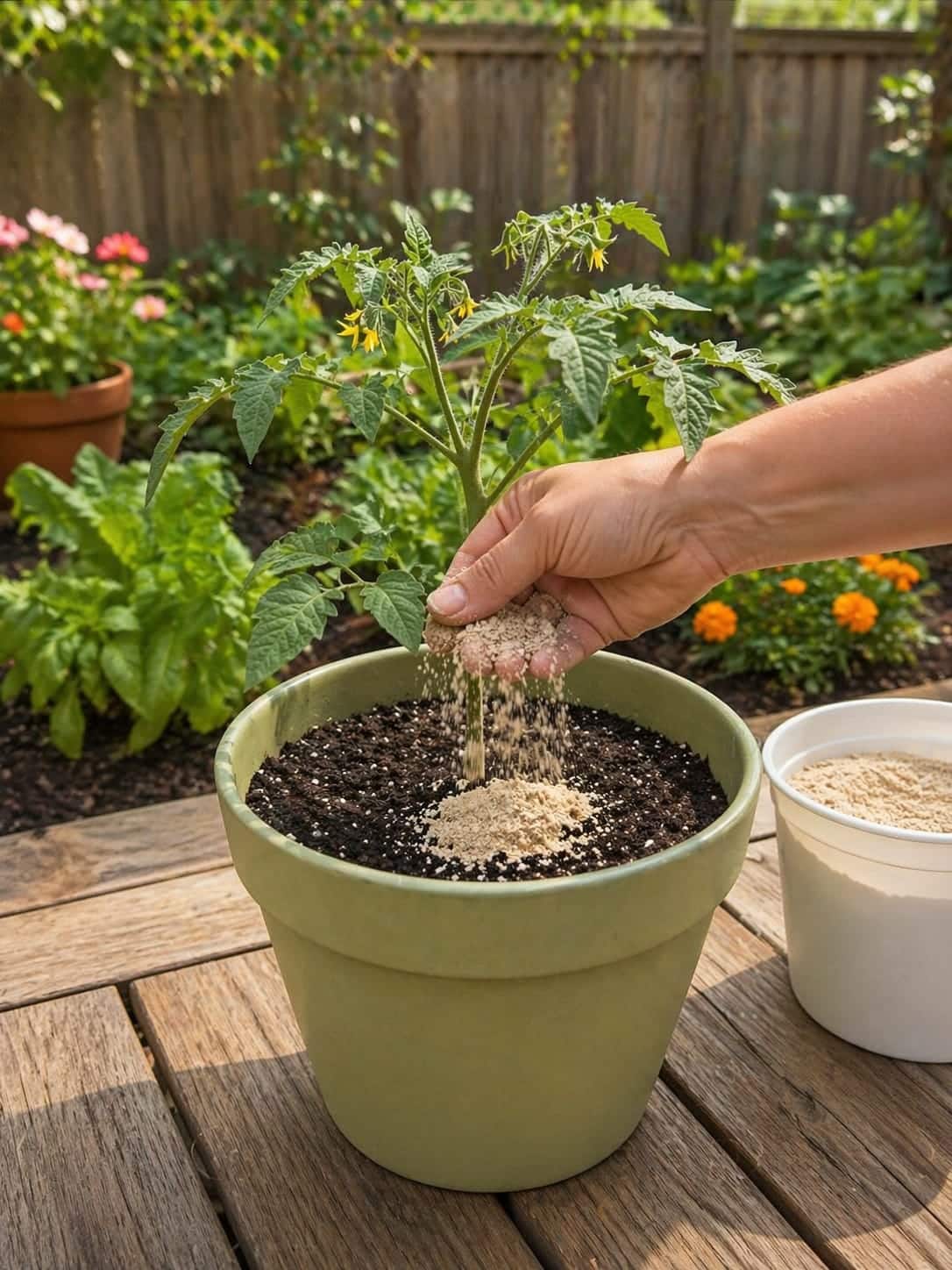
Fix: Use eggshell powder sparingly. For houseplants, 1–2 teaspoons per pot every 3–4 months is plenty. For garden beds, a light dusting is enough.
Mistake #3: Expecting Fast Results
Why it’s a problem: When plants show signs of calcium deficiency (e.g., blossom end rot), people often add eggshell powder and wonder why nothing changes. The powder takes months to break down.
Fix: For acute deficiency, use a fast‑acting calcium source like calcium nitrate, gypsum, or a calcium‑containing liquid fertilizer. Continue using eggshells for long‑term maintenance.
Mistake #4: Skipping Basic Plant Care
Why it’s a problem: Eggshell powder will not compensate for overwatering, poor drainage, or insufficient light.
Fix: First, ensure your plant is in a proper pot with drainage holes, receiving adequate light, and being watered correctly. Then add eggshells as a supplement.
Mistake #5: Not Rinsing the Shells
Why it’s a problem: Dried egg residue can attract pests like flies, ants, and rodents. It can also cause unpleasant odors.
Fix: Always rinse eggshells thoroughly before drying and grinding.
Why This Trick Is Still Worth Using (The Advantages)
Despite its slow action, using eggshells in your garden has real, tangible benefits.
Advantages of Using Eggshells:
· ✔ Natural and eco‑friendly – No synthetic chemicals, no manufacturing footprint.
· ✔ Free and easy to get – You already have them. Every egg you eat provides a free soil amendment.
· ✔ Improves soil over time – Regular addition builds a reservoir of calcium that supports plant health for years.
· ✔ Reduces kitchen waste – Keeps eggshells out of landfills, where they would otherwise take years to decompose.
· ✔ Safe for all plants – Unlike some fertilizers, eggshells will not burn roots (as long as they are not used in excessive amounts).
· ✔ Can be combined with other natural amendments – Works well with coffee grounds, banana peels, and compost.
It is one of the simplest ways to support your plants naturally, and it costs nothing but a few minutes of your time.
When Not to Use Eggshells (A Few Exceptions)
While eggshells are safe for most plants, there are a few situations where you might want to skip them.
· Acid‑loving plants – Azaleas, rhododendrons, blueberries, and gardenias prefer acidic soil. While eggshells are not highly alkaline, repeated heavy use could raise pH over time. Use sparingly or not at all.
· Plants with plenty of calcium already – If your soil is already rich in calcium (test your soil if possible), adding more is unnecessary.
· Houseplants in very small pots – In a 2‑inch pot, a little powder goes a long way. Use a pinch, not a teaspoon.
When in doubt, err on the side of using less.
How to Store and Preserve Eggshell Powder
Once you have made a batch of eggshell powder, store it properly to keep it dry and effective.
· Use an airtight container – A glass jar with a tight lid works perfectly.
· Keep in a cool, dry place – Avoid humidity, which can cause clumping.
· Label with the date – Powdered eggshells can last for months if kept dry.
· Make small batches – Grind only what you will use in a few months to maintain freshness.
Frequently Asked Questions (Eggshells for Plants)
Can I put whole eggshells directly in the soil?
You can, but they will take a very long time to break down — often years. For the calcium to become available to plants, the shells need to be crushed or ground. Whole shells also have sharp edges that can attract pests.
Do eggshells prevent blossom end rot?
They can help prevent it when added to the soil ahead of time. However, once blossom end rot appears, it is often too late for eggshells. Use a fast‑acting calcium spray or liquid calcium fertilizer for immediate treatment, and use eggshells for long‑term prevention.
Can I use eggshells for indoor plants?
Yes, but use them sparingly. For a standard 6‑inch pot, mix 1–2 teaspoons of eggshell powder into the top inch of soil every 3–4 months. Do not overdo it.
How often should I add eggshell powder to my garden?
For outdoor garden beds, once or twice a year is sufficient. Add in early spring before planting and again in mid‑summer if you have heavy feeders like tomatoes. For houseplants, every 3–4 months.
Can I use eggshells with coffee grounds?
Yes. Coffee grounds add nitrogen and organic matter, while eggshells add calcium. They complement each other well. However, coffee grounds are acidic, so use them in moderation.
Do eggshells attract pests?
Rinsed and dried shells do not attract pests. However, unrinsed shells with egg residue can attract flies, ants, and rodents. Always rinse thoroughly.
Can I use boiled eggshell water for plants?
Yes, the water used to boil eggs contains some leached calcium. Let it cool and use it to water your plants. It is a mild, gentle calcium supplement.
Are eggshells good for lawns?
Yes. A light sprinkling of finely ground eggshell powder over your lawn can provide calcium to the soil. Use sparingly.
A Simple DIY Eggshell Fertilizer Recipe
Here is a simple recipe to make your own calcium‑rich fertilizer at home.
Ingredients:
· Eggshells from 12 eggs
· 1 tablespoon white vinegar (optional, for faster calcium release)
Instructions:
- Rinse and dry the eggshells.
- Grind them into a fine powder using a coffee grinder.
- For a faster‑acting liquid, add the powder to 1 gallon of water along with 1 tablespoon of vinegar. Let sit for 24 hours. The vinegar helps extract calcium. Use the water to irrigate your plants.
Store any leftover powder in an airtight jar.
Why This Simple Trick Deserves a Place in Your Garden Routine
Eggshells will not turn your plants into giants overnight. But they can quietly improve soil health and support stronger growth over time. The real secret is not just the eggshells — it is combining simple natural methods with proper care: good light, balanced watering, healthy soil, and patience.
When you add eggshell powder regularly, you are building a foundation of calcium that helps plants resist disease, grow stronger stems, and produce better fruits and flowers. You are also reducing kitchen waste and gardening more sustainably.
So the next time you crack an egg, do not throw away the shell. Rinse it, dry it, grind it, and sprinkle it. Your plants will thank you — slowly, steadily, and naturally.
Final Thoughts
Eggshells are one of the most underrated, free, and effective natural soil amendments. They are not a quick fix, but they are a powerful long‑term tool for any gardener. Whether you grow tomatoes in the backyard, herbs on a windowsill, or houseplants in every room, eggshell powder can help.
Start saving your shells today. Grind them into a fine dust. Sprinkle them around your plants. And watch as your garden grows stronger, healthier, and more resilient — one eggshell at a time.
Have you used eggshells in your garden? Share your experience in the comments below. And if you found this guide helpful, save it for later or send it to a friend who wants to garden more naturally.
This article is for informational purposes only. Results may vary based on soil conditions, plant type, and care. For acute plant deficiencies, consult a local extension service.