
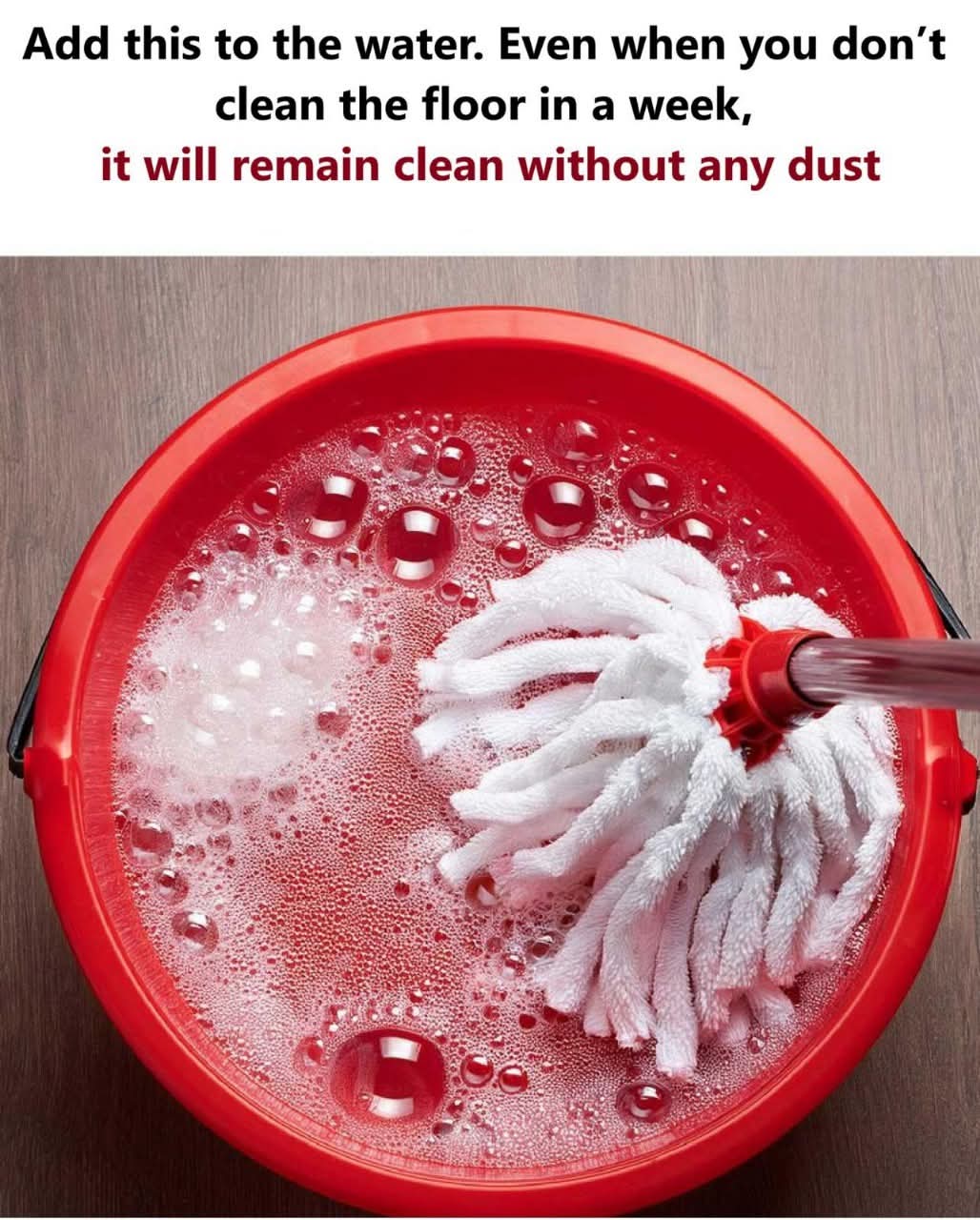
Keeping a clean home isn’t always easy, especially when it comes to floors. You mop them today, and tomorrow they’re already covered with dust, footprints, or greasy stains. Even worse, sometimes the floor develops a strange, stale odor after cleaning—particularly in hot summer months when humidity makes smells linger.
Most of us spend money on expensive cleaning products, sprays, and fancy gadgets, yet the results are often disappointing. But what if I told you there’s a simple trick, using ingredients already in your kitchen, that can keep your floors sparkling clean, odor-free, and even resistant to dust—sometimes for an entire week or more?
This hack comes straight from a professional cleaning lady who has been in the business for over 30 years. She shared this little secret, and once I tried it, I knew I would never go back to ordinary mopping again.
Let’s break down why traditional cleaning often fails, what makes this hack different, and exactly how to do it at home.
The Struggle of Floor Cleaning
Floors are the first thing to show dirt in a home. Every time you walk inside, dust, dirt, grease, and germs come along. Kitchens are especially tricky because grease from cooking settles on the floor, sticking to dust particles. Living rooms and hallways, being high-traffic areas, seem to collect dust the fastest.
Here are the three biggest frustrations people face with floor cleaning:
Dust Returns Too Quickly – Even after mopping, floors attract dust again within hours.
Bad Smells Linger – If food spills or pet accidents aren’t properly cleaned, unpleasant odors spread throughout the house.
Sticky Residue – Many store-bought cleaners leave a thin film on the floor, which ironically attracts more dust and dirt.
Clearly, the traditional “mop and water” approach isn’t enough. But that’s where this simple hack comes in.
The Secret Solution: Salt, Dish Soap, and Vinegar (or Lemon)
The trick is to boost your mop water with three powerful yet natural ingredients:
1. Salt – The Natural Disinfectant
Salt isn’t just for seasoning your food—it’s a powerful cleaning aid. It kills bacteria, prevents mold growth, and helps floors dry quickly. A fast-drying floor doesn’t trap dust or develop that damp smell we all hate.
2. Dishwashing Liquid – The Grease Cutter
Dish soap is designed to dissolve oil and stubborn grease from pans and plates. A few drops in your mop water works wonders on sticky kitchen floors, food spills, and even footprints. It lifts grime without leaving a residue.
3. White Vinegar or Lemon Juice – The Shine Booster
Both vinegar and lemon juice are natural deodorizers and disinfectants. They break down stains, neutralize bad odors, and leave your floor gleaming. Vinegar has a sharp scent at first, but it fades quickly. Lemon adds a refreshing, citrusy aroma.
Step-by-Step Method
Here’s how to use this magic floor-cleaning mix:
Sweep First – Always sweep or vacuum your floors before mopping. This prevents dirt and pet hair from sticking to your mop.
Mix the Solution – Fill a bucket with warm water. Add:
1–2 tablespoons of salt
2–3 drops of dish soap
2 tablespoons of vinegar or the juice of half a lemon
Stir until dissolved.
Mop Thoroughly – Dip your mop, wring it out, and clean the floor as usual. Focus on greasy or sticky spots.
Let It Dry Naturally – Thanks to the salt, your floor will dry faster, leaving no streaks or stickiness.
The result? A floor that stays clean, dust-free, and fresh-smelling for days—sometimes even a whole week.
Why This Works
This hack is powerful because it doesn’t just clean—it prevents problems from coming back.
Salt stops bacteria and speeds up drying.
Dish soap removes grease that normally attracts more dust.
Vinegar/lemon sanitizes and adds shine, keeping odors away.
Together, they create a floor surface that dust has a harder time clinging to. Instead of reappearing the next day, dust takes much longer to build up.
Bonus Tips for Floor-Cleaning Success
Want to take this method to the next level? Try these tips:
Use warm water – Hot water dissolves grease faster and boosts cleaning power.
Don’t overdo soap – Too much dish soap can leave streaks or make floors slippery. Stick to just a few drops.
Switch mop water often – If your bucket water looks dirty, change it. Otherwise, you’re just spreading grime around.
Choose microfiber mops – Microfiber holds onto dust and dirt better than cotton.
Add essential oils (optional) – A few drops of lavender, eucalyptus, or tea tree oil give your home a spa-like fragrance while adding antibacterial benefits.
Floors That Benefit the Most
This trick works on nearly all common floor types:
Tile – Removes grease and keeps grout cleaner.
Vinyl – Safe and streak-free.
Laminate – Use a damp mop, not soaking wet, to avoid water damage.
Marble/Stone – Skip vinegar (too acidic) and use lemon juice instead.
Always test a small hidden spot first if you’re unsure.
My Experience with This Method
When I first heard about adding salt, dish soap, and vinegar to mop water, I was skeptical. How could something so simple be more effective than expensive floor cleaners? But after trying it once, I was shocked.
The floors not only looked cleaner—they felt cleaner underfoot. No sticky residue, no greasy patches, and no lingering smell. Even better, I didn’t see the usual thin layer of dust the next day. My kitchen and living room stayed fresh for nearly a week.
Now, this is the only method I use. It saves me money, avoids harsh chemicals, and leaves my house smelling naturally fresh.
Common Questions (FAQs)
1. Can I use this solution every time I mop?
Yes! It’s safe and gentle enough for regular use.
2. Will vinegar damage my floors?
Vinegar is safe on most floors, but avoid it on marble or natural stone. Use lemon juice instead.
3. What if I don’t like the smell of vinegar?
The vinegar smell fades quickly, but you can swap it for lemon juice or add essential oils for fragrance.
4. Can I make a spray bottle version?
Absolutely! Mix the same ingredients in a spray bottle and use it for quick spot-cleaning.
5. Will this kill germs?
Yes. Salt and vinegar both have natural antibacterial properties, making your home safer for kids and pets.
Why This Method Beats Store-Bought Cleaners
Many commercial cleaners smell good but don’t actually prevent dust from coming back. Some even leave behind residues that attract dirt. Others are loaded with chemicals that may not be safe for children, pets, or sensitive floors.
This homemade solution is:
Cheap – Costs just pennies per mop bucket.
Safe – Non-toxic and eco-friendly.
Effective – Fights grease, odors, and bacteria all at once.
Long-lasting – Keeps floors clean for days, not just hours.
Final Thoughts
Sometimes the best home hacks don’t come from expensive products but from time-tested wisdom. Thanks to a cleaning professional with over 30 years of experience, we now know that adding salt, dish soap, and vinegar (or lemon) to mop water can completely transform the way we clean.
This simple recipe doesn’t just clean—it prevents dust, kills odors, and keeps floors shining longer than traditional methods. It’s budget-friendly, eco-friendly, and incredibly effective.
So the next time you grab your mop, don’t just use plain water. Add this little secret and enjoy fresher, cleaner floors all week long.
More Recipes You Might Like
-
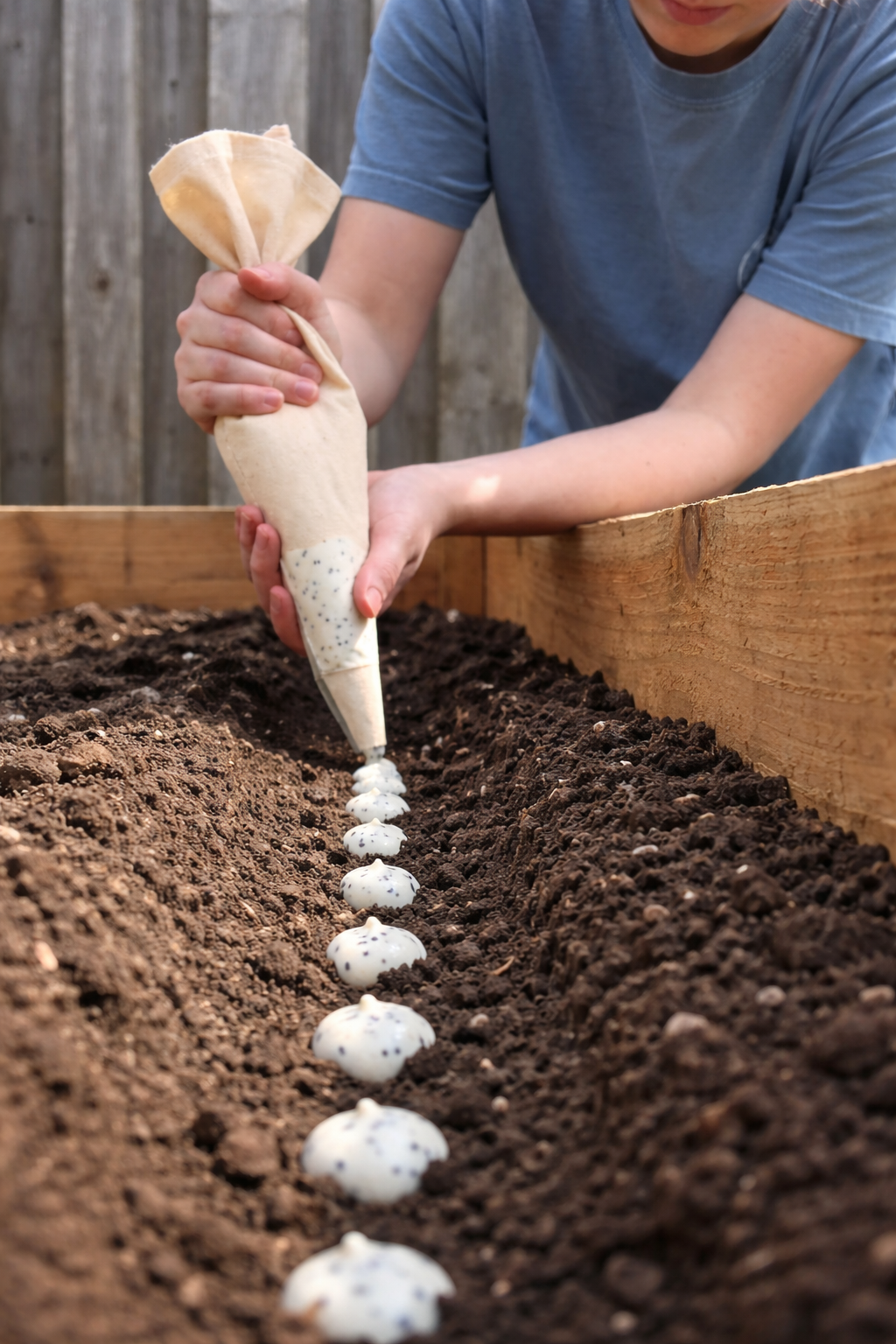
The Easy Garden Hack That Guarantees Straight, Healthy Carrots
Say goodbye to crooked, stunted carrots! Discover the simple seed paste hack that ensures perfect spacing and straight roots. This easy planting technique will transform your carrot harvest. Let me tell you about the gardening trick that turned my carrot patch from a tangle of twisted roots into a picture-perfect harvest. I love growing carrots.…
-
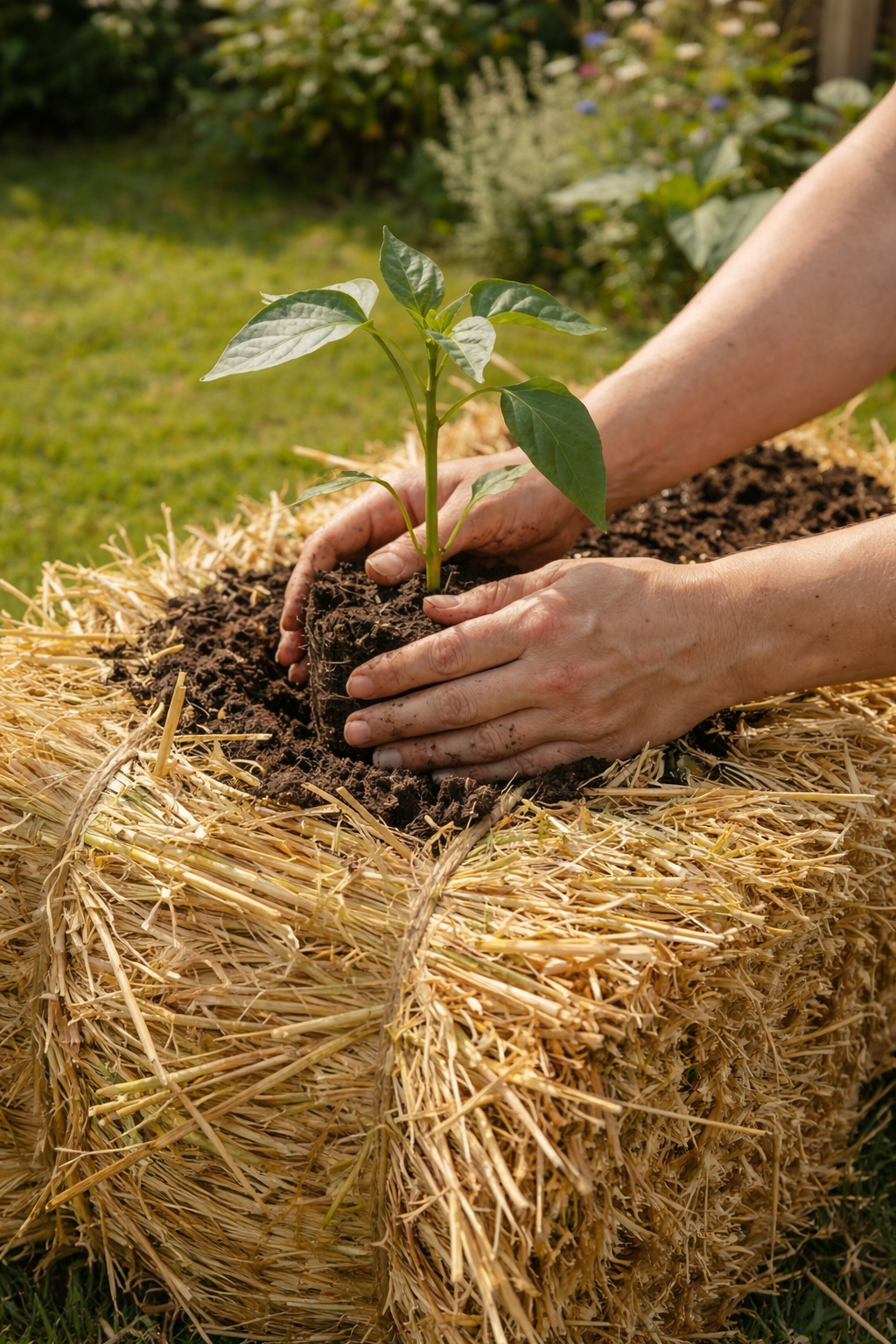
Grow 3X More Sweet Potatoes at Home with This Simple Soil Bag Trick
Want to grow 3 times more sweet potatoes in a small space? This clever soil bag trick is a game-changer. Learn how to plant sweet potatoes in bags for a massive harvest—perfect for small gardens and patios. Let me tell you about the gardening trick that turned my tiny patio into a sweet potato factory.…
-
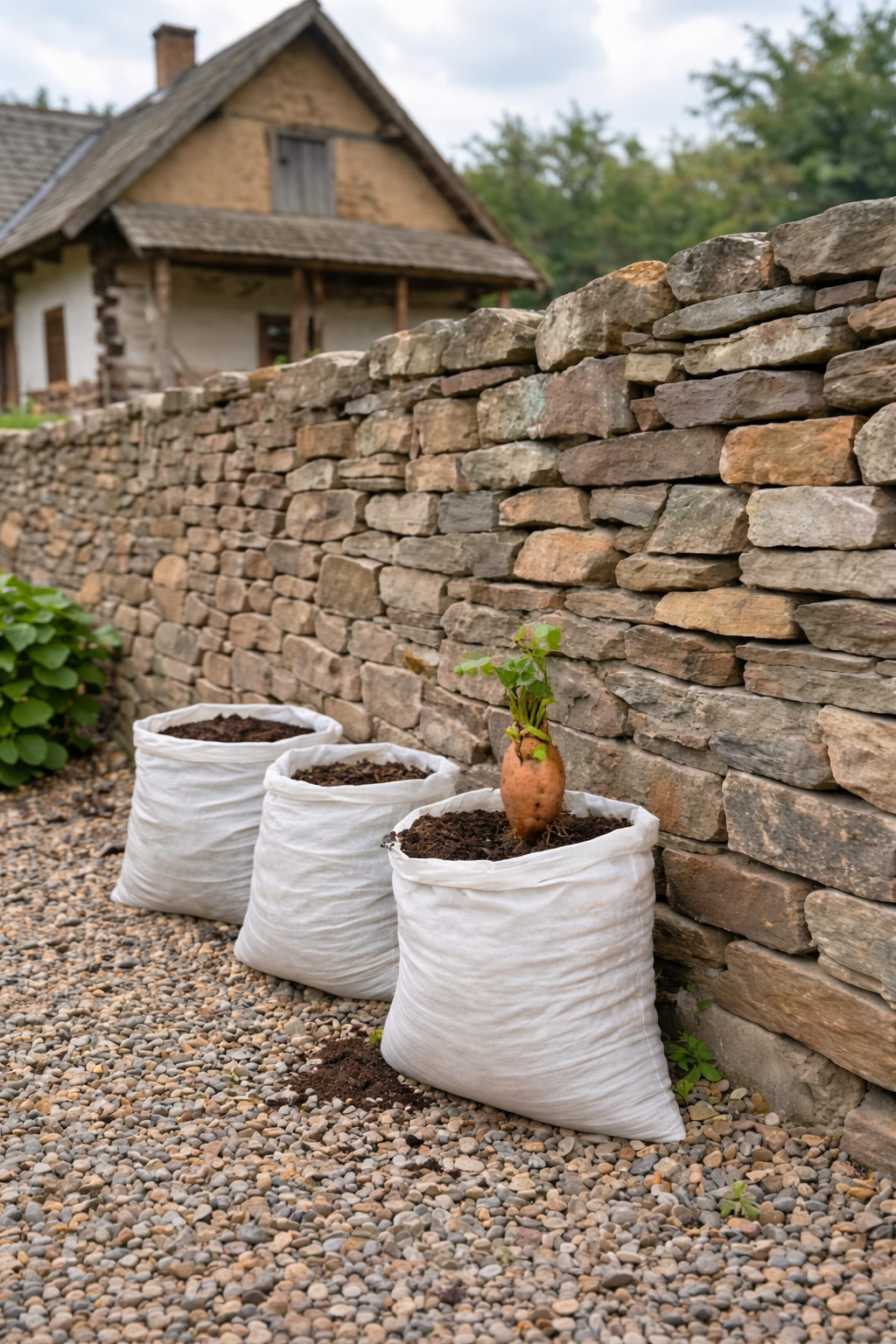
Grow 3X More Sweet Potatoes at Home with This Simple Soil Bag Trick
Want to grow 3 times more sweet potatoes in a small space? This clever soil bag trick is a game-changer. Learn how to plant sweet potatoes in bags for a massive harvest—perfect for small gardens and patios. Let me tell you about the gardening trick that turned my tiny patio into a sweet potato factory.…