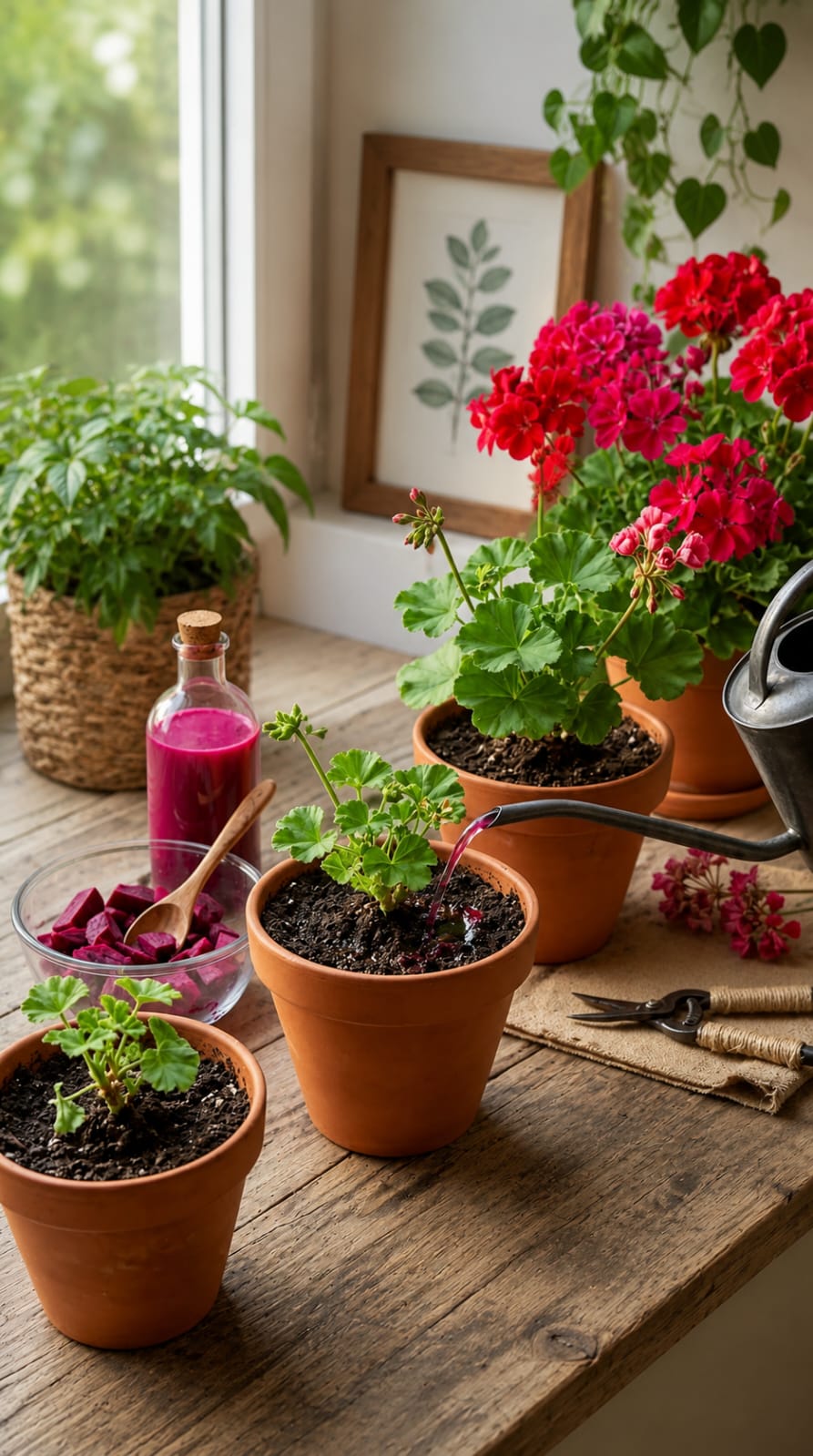
Best Time to Water With Beetroot Elixir
Morning is the best time to apply this tonic. The plant has the day to use moisture, and any accidental splashes can dry quickly. Avoid watering late at night, especially indoors, because wet soil stays cool and damp for longer.
Do not apply during extreme heat or direct midday sun. Warm pots can stress roots. Choose morning or late afternoon for a gentler application.
Soil Quality Comes First
No homemade tonic can fix bad soil. If the potting mix is compacted, old, sour, or constantly wet, the plant will struggle. Before using beetroot water, make sure the pot has drainage holes and the soil is loose enough for air movement.
For flowering plants, a good potting mix should hold moisture but still drain well. Adding perlite can improve airflow. For plants that dislike wet roots, use a lighter mix. Healthy soil is the foundation of healthy blooms.
How to Refresh a Weak Plant Before Using the Tonic
If a plant looks weak, do not immediately pour homemade mixtures into the pot. First, inspect the basics. Check whether the soil is too wet or too dry. Look under leaves for pests. Remove dead flowers and yellow leaves. Make sure the plant receives enough light.
After correcting these issues, use the diluted beetroot elixir only if the plant is stable. A severely stressed plant may need repotting, pruning, or better drainage before any tonic helps.
Simple Beetroot Elixir Recipe
Ingredients:
- 2 to 3 small cubes of fresh beetroot
- 1 cup clean water for soaking
- 1 liter clean water for dilution
Method:
- Place beetroot cubes in one cup of water.
- Let them soak for several hours until the water becomes lightly pink.
- Strain the liquid well.
- Add one tablespoon of the beetroot liquid to one liter of clean water.
- Stir and use immediately around the root zone.
This weak version is safer than pouring dark beet juice directly into pots.
For Blooming Pots: Add Deadheading and Light
If your goal is more flowers, do not rely only on the tonic. Remove old blooms regularly. Give the plant enough light. Feed during active growth. Keep the roots healthy. These steps create the conditions for better blooming.
For geraniums, pinch back leggy stems to encourage bushier growth. For peace lilies, remove faded white spathes when they turn green or brown. For anthuriums, keep leaves clean and avoid cold drafts. For mixed flower pots, trim overcrowded stems so air can move through the plant.
Common Mistakes to Avoid
- Using thick beetroot juice without dilution.
- Pouring beet pulp onto indoor soil.
- Watering already wet pots.
- Using the tonic every few days.
- Letting liquid sit in saucers.
- Expecting instant blooms without proper light.
- Applying it to sensitive plants without testing first.
A Beautiful Monthly Plant-Care Ritual
Once a month, turn this trick into a complete plant refresh. Prepare the light beetroot elixir. Check each plant carefully. Remove dead leaves and faded flowers. Loosen the top soil gently with a small fork if it is compacted. Water only the plants that need moisture. Wipe pots and clean the windowsill afterward.
This routine makes the whole plant area look better. The plants receive care, the display becomes cleaner, and the space feels more peaceful. A small ritual like this can turn ordinary plant care into a relaxing home habit.
Final Thoughts
The ancient beetroot elixir is a beautiful homemade plant-care idea when used with common sense. It should be light, diluted, strained, and occasional. It can support a cleaner watering routine and help flowering plants look fresher when combined with proper care.
The true transformation comes from balance: good light, healthy roots, clean soil, careful watering, regular pruning, and gentle feeding. Beetroot water can be one small part of that routine, adding a natural touch to your plant care while encouraging you to observe your plants more closely.
Use it slowly, watch the soil, and keep the display clean. With patience and balanced care, your houseplants and blooms can look healthier, fuller, and more elegant throughout the season.