

Canning your own food is a rewarding practice, especially when you have the opportunity to preserve homemade chicken soup for the months ahead. However, there’s an ongoing debate within the canning community about whether or not it’s safe to can thickened soups, particularly those containing flour or other starches. The official guidance from the FDA advises against canning foods with thickening agents like flour, citing potential risks to food safety. But, for those of us in the rebel canning community, we often wonder: should we always follow the rules, or is it possible to safely rebel?
In this blog post, we’ll explore the factors to consider when canning thickened chicken soup, share experiences from fellow rebel canners, and discuss whether it’s safe to can soups with flour. We’ll also cover the risks, rewards, and why some people continue to do it despite the official warnings. Whether you’re an experienced canner or new to the process, this post will provide a comprehensive look at this controversial issue.
1. The Basics of Pressure Canning and Soup Preservation
Before diving into the specifics of canning chicken soup with flour, it’s important to understand the basics of pressure canning. Pressure canning is the process used to preserve low-acid foods, such as meats, vegetables, and soups, in sealed jars. The canning process uses high heat and pressure to destroy harmful bacteria, such as botulism, that could potentially cause foodborne illnesses.
Unlike water bath canning, which is used for high-acid foods like fruits and pickles, pressure canning ensures that the internal temperature of the jars reaches a level high enough to kill off bacteria and seal the food for long-term storage.
For many canners, making soup and preserving it for later is a staple of the process. Chicken soup, in particular, is popular because it’s hearty, nutritious, and comforting. However, the decision to use thickening agents like flour can complicate matters.
2. Why the FDA Warns Against Using Flour in Canning
The FDA’s warning about using flour, cornstarch, or other thickening agents in canned foods is based on the risk of uneven heating during the canning process. When you add thickening agents to soups, they can create pockets of thicker consistency that may not heat evenly. These thickened areas could potentially harbor harmful bacteria, such as botulism, which thrive in low-oxygen environments and cannot be killed if the temperature doesn’t reach the necessary level throughout the entire jar.
Flour-based soups can also have a thicker texture after they’ve been processed, which can make it harder to assess whether the soup has reached the proper temperature during canning. The FDA recommends avoiding thickening agents because they could prevent the soup from reaching an even consistency, making it difficult to ensure that the food has been properly sterilized.
3. Rebel Canning: The Stories of Those Who Break the Rules
Despite the FDA’s warnings, many rebel canners choose to go ahead and can their soups with thickening agents like flour. These canners share their experiences, often with a mix of success stories and occasional setbacks. Here are a few perspectives from the rebel canning community:
Experience 1: Grandma’s Soup Recipe
One canner shared the story of their grandmother, who had been pressure canning soups with flour for decades. According to the canner, their grandmother never followed the FDA guidelines and was known for thickening her soups with a roux (flour and fat mixture) before canning. The canner reports that they never had an issue with spoilage or botulism and that the family had been enjoying canned soups for generations.
While this experience may seem to defy the FDA’s recommendations, it’s important to note that the temperature and processing time used in their family’s canning process may have been adequate to kill any bacteria, even with the flour. However, this doesn’t mean that it’s a guarantee of safety for all canners.
Experience 2: A Canner Who Got Away With It
Another canner shared that they’ve been pressure canning their chicken soup with flour for years and have never encountered a problem. They reported using the recommended 90-minute processing time for quarts, ensuring the soup was heated evenly. They say they’ve canned dozens of jars and used them throughout the winter, always finding the soup to be safe and tasty.
This canner notes that while they were aware of the FDA’s warnings, they felt confident that the pressure canning process, along with proper sealing and storage, made it unlikely that the soup would go bad. In their experience, as long as they ensured that the flour was well incorporated into the soup and that it was processed long enough, everything turned out fine.
Experience 3: A Warning of Texture Issues
On the flip side, some rebel canners who use flour report that while the soup was safe to eat, the texture was sometimes less than ideal. After the soup was canned, they noticed that the flour caused it to thicken in an uneven way. When they opened the jar, the soup was thicker than expected, and it didn’t reheat to the same consistency as when it was freshly made.
This can be frustrating for anyone who values the texture of their canned foods. Some rebel canners have found that soups with flour might need a little extra water or broth to loosen them up when reheating, as the flour can cause the soup to become gelatinous and somewhat clumpy over time.
4. The Risks of Canning with Flour: What Can Go Wrong?
While many rebel canners report success with thickened soups, there are risks involved. Here are some of the potential issues you should be aware of:
Risk 1: Botulism and Underprocessing
The most significant risk of canning with flour is the potential for underprocessing, which can lead to botulism. If the thickened parts of the soup don’t reach a high enough temperature, they may not be properly sterilized, putting you at risk of foodborne illness. Botulism thrives in low-oxygen environments and can be deadly if not treated promptly.
Risk 2: Improper Sealing
Canning with flour can sometimes cause the jars to not seal properly. The thicker texture can interfere with the sealing process, making it difficult for the vacuum to form properly. An improper seal can lead to spoilage and the potential for bacterial growth.
Risk 3: Changes in Texture
Flour-based soups may have a different texture after they’re canned. The thickening agent can sometimes cause the soup to become too gelatinous or cause it to separate when reheated. This could affect the overall enjoyment of the soup, even if it is safe to eat.
5. Tips for Rebel Canners: How to Safely Can Soups with Flour
If you decide to can your soup with flour, here are some tips that can help you minimize risks:
Use a Longer Processing Time: Extend the pressure canning time beyond the recommended 90 minutes to ensure that the soup is heated thoroughly. If you’re canning a large batch or a particularly thickened soup, consider adding 15-30 extra minutes to ensure even heating.
Ensure Proper Mixing: Make sure the flour is well-distributed in the soup. This helps prevent clumps and thickened pockets that could cause uneven heating.
Monitor Seals: After canning, double-check that each jar has properly sealed. If a jar doesn’t seal, refrigerate it and use the contents within a few days.
Test Before Storing: After pressure canning, wait a few days and check the contents of a jar to ensure that it has remained safe and the texture is acceptable.
Reheat with Caution: When reheating, you may need to add additional liquid, such as water or broth, to loosen the soup. Be aware that the texture may not be the same as when it was first made.
6. Conclusion: Is It Worth the Risk?
Canning chicken soup with flour is a controversial practice that many rebel canners still choose to pursue. While the FDA advises against using thickening agents in canned soups due to the potential risks of underprocessing, there are numerous canners who have successfully canned soups with flour without issues. However, the texture of the soup and the risk of spoilage should be carefully considered.
If you decide to go ahead and rebel, make sure to follow proper canning guidelines, extend the processing time, and carefully monitor the soup’s texture. By taking precautions and staying vigilant, you can safely preserve your thickened soups for months to come. Just remember, it’s always better to err on the side of caution and be prepared for the potential challenges that come with thickening agents in canning.
Canning is an art, and like any art form, there’s room for creativity and experimentation. Whether you follow the rules or bend them, it’s important to understand the risks and rewards. And at the end of the day, the choice is yours!
More Recipes You Might Like
-

Gardeners Are Quietly Shaping Snake Plants Using This Simple Bottle Method
Discover the secret bottle method that turns ordinary snake plants into stunning spiral sculptures. Learn how to shape your Sansevieria with patience and a simple household item. Let me share a gardening secret that’s quietly making the rounds among plant lovers: you can shape your snake plant into a beautiful spiral using nothing more than…
-
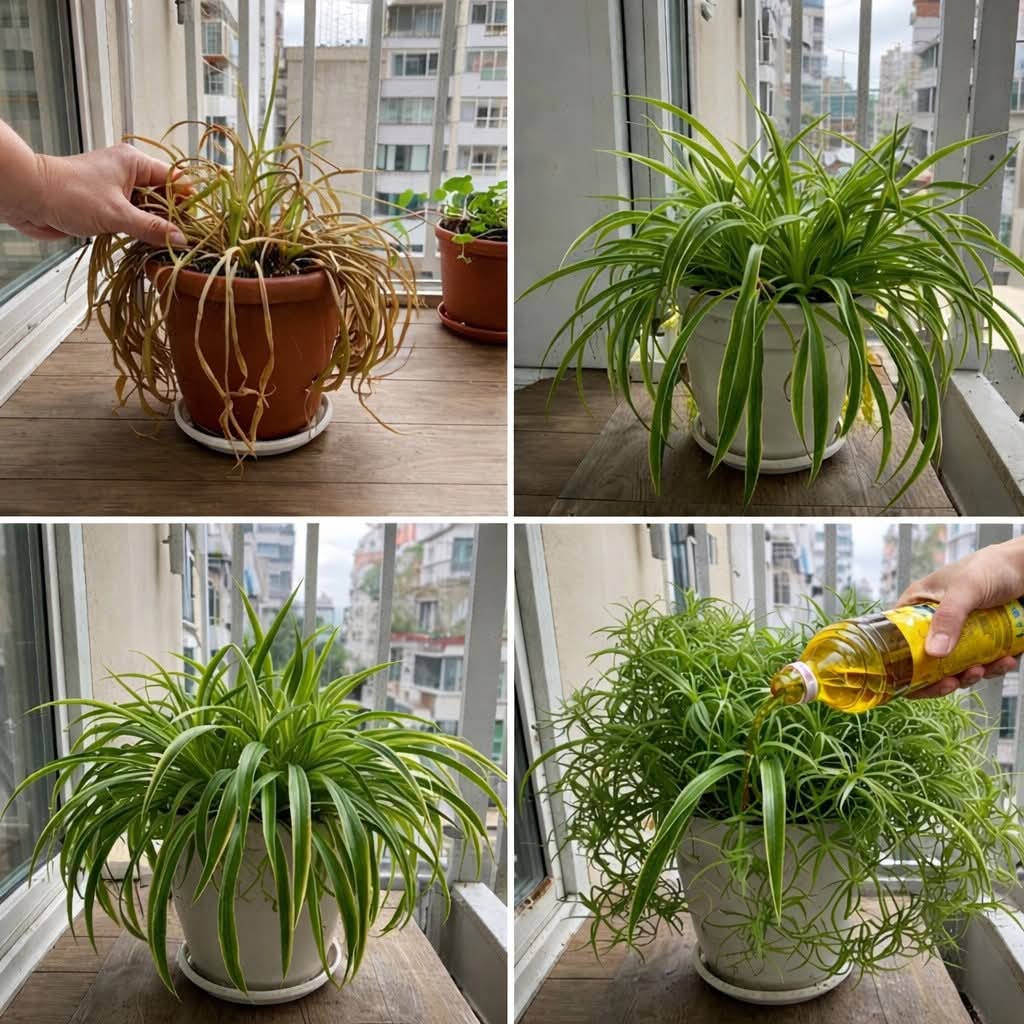
How to Revive a Struggling Spider Plant and Turn It Full, Green, and Bushy Again
Is your spider plant looking thin, yellow, or sad? Learn how to revive it with simple steps—repotting, proper watering, lighting, and pruning tips to turn it lush and bushy again. Let me tell you about the spider plant that almost ended up in the compost bin—and now sits in my living room, overflowing with healthy…
-

All You Need to Know About the Secrets to Make African Violets Bloom Abundantly
Unlock the secrets to abundant African violet blooms! Learn expert tips on light, water, fertilizer, soil, and care to enjoy vibrant flowers year-round. Perfect for beginners and experienced growers alike. Let me share the journey that turned my shy, leaf‑only African violets into nonstop blooming beauties. African violets (Saintpaulia) are among the most charming and…