
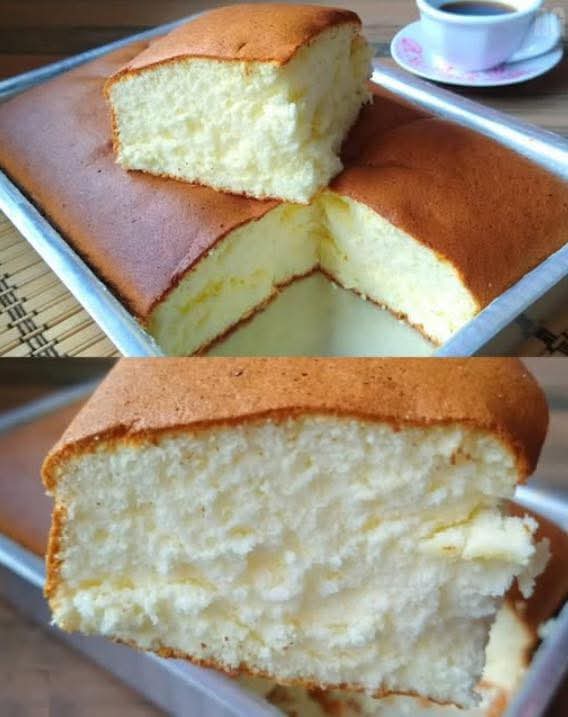
Imagine a dessert that defies categorization. It’s not a dense New York cheesecake, nor is it a dry, crumbly sponge. It’s a sublime hybrid: a cake with the rich, tangy soul of cheesecake and the impossibly light, jiggly, cloud-like texture of a soufflé. This is Cotton Cake, also known as Japanese Cheesecake or Soufflé Cheesecake. It’s a baking legend—renowned for its dramatic rise, its delicate golden top, and a melt-in-your-mouth tenderness that feels like eating sweet, cheesy air.
But this elegance comes with a reputation. The cotton cake is the quintessential “finicky” bake, where success and failure are separated by a few degrees or one wrong fold. This comprehensive guide is your map to mastering it. We’ll demystify the precise science, detail the essential baking tools that are non-negotiable, and provide a step-by-step recipe that holds your hand through the process. Prepare to learn why this isn’t just a cake; it’s a beautiful, rewarding baking experiment.
The Precision Toolkit: Why Equipment is Everything for Cotton Cake
Baking a cotton cake is like performing a delicate chemical experiment. The high moisture content and fragile air bubble structure demand an environment of gentle, even heat and strict stability. The wrong pan or oven setup is the number one cause of collapse, cracking, or uneven texture.
The Springform Pan & Water Bath Setup: The Non-Negotiable Foundation
You cannot bake a proper cotton cake without awater bath (bain-marie). This is the most critical technique. A 7-inch or 8-inch round springform pan is the standard vessel. To prevent water seepage, you must double-wrap the outside of the pan in heavy-duty aluminum foil, creating a watertight seal. This pan is then placed inside a larger roasting pan, which is filled with hot water that comes halfway up the sides of the cake pan. The water bath creates a humid, gentle steam oven that cooks the cake evenly and prevents the surface from setting too quickly and cracking.
Cake Strips & Parchment Paper: For the Perfect Rise and Release
Even with a water bath,the metal sides of a pan can conduct heat too quickly, causing the edges to set before the center rises. Insulated cake strips (fabric strips you soak in water and wrap around the pan) are a pro secret to ensuring an even, flat-top rise without doming. Lining the bottom and sides of the pan with parchment paper is also mandatory. It guarantees a flawless, tear-free release from the incredibly tender cake.
The Stand Mixer: For the Pillow-Perfect Meringue
The cake’s signature lift comes from astabilized meringue. A stand mixer (like a KitchenAid) with a whisk attachment is the ideal tool for achieving stiff, glossy peaks. It allows for hands-free, consistent whipping while you stream in the sugar. The stability of this meringue is what gives the cake its structure; under-whip it, and the cake won’t rise; overwhip it, and it will be dry and crack.
The Instant-Read Thermometer & Digital Scale: The Tools of Precision
Ambiguity is the enemy.A digital kitchen scale is essential for weighing cream cheese, milk, and flour. Volume measurements are too inaccurate for this sensitive batter. An instant-read thermometer is your best friend for two steps: ensuring the milk/cream cheese mixture is warm enough to melt smoothly (but not so hot it cooks the eggs), and, most importantly, checking the cake for doneness. The internal temperature should be between 160-170°F (71-77°C). Any visual “jiggle” test is unreliable for beginners.
The Sieve and Silicone Spatula: For a Lump-Free, Delicate Batter
Every component must be silky smooth.A fine-mesh sieve is used to sift the flour and cornstarch into the batter, preventing lumps that could deflate the meringue. A flexible silicone spatula is the only tool for folding the meringue into the cheese base. Its gentle flexibility allows you to incorporate the mixtures without crushing the precious air bubbles.
The Essential Cotton Cake Arsenal:
· 7 or 8-inch springform pan
· Heavy-duty aluminum foil (for wrapping)
· Large roasting pan (for water bath)
· Parchment paper
· Stand mixer (or powerful hand mixer)
· Digital kitchen scale
· Instant-read thermometer
· Fine-mesh sieve
· Silicone spatula
· Heatproof bowl (for double boiler)
· Cake strips (highly recommended)
The Master Recipe: Classic Japanese Cotton Cheesecake
This recipe balances cream cheese flavor with ethereal texture. Patience and attention to detail are your primary ingredients.
Prep Time: 45 minutes | Bake Time: 60-75 minutes | Cool Time: 2+ hours | Serves: 8-10
Ingredients:
For the Cheese Base:
· 250g (8 oz) full-fat cream cheese (like Philadelphia), room temperature
· 60g (4 tbsp) unsalted butter, room temperature
· 100ml whole milk
· 6 large egg yolks (save whites for meringue)
· 1 tsp pure vanilla extract
· 10g (1 tbsp) fresh lemon juice
· 60g (½ cup) cake flour
· 20g (2 tbsp) cornstarch
· ¼ tsp fine sea salt
For the Meringue:
· 6 large egg whites, at room temperature
· ¼ tsp cream of tartar (or 1 tsp lemon juice)
· 100g (½ cup) granulated sugar, superfine preferred
Step-by-Step Instructions:
PART 1: PREPARE THE PAN & OVEN
Prep the Pan: Trace the bottom of your springform pan on parchment paper and cut out the circle. Cut a long strip for the sides. Grease the pan lightly, then line the bottom and sides. Double-wrap the outside of the pan securely with heavy-duty aluminum foil to create a watertight seal. Preheat your oven to 320°F (160°C) with a rack in the lower third. Place your roasting pan on the rack and start heating a kettle of water.
PART 2: MAKE THE SMOOTH CHEESE BASE
Melt Base Ingredients: In a heatproof bowl set over a saucepan of simmering water (double boiler), combine the cream cheese, butter, and milk. Whisk gently until the mixture is completely smooth, lump-free, and warm to the touch (about 110°F / 43°C). Remove from heat.
Temper in Yolks: Whisk the egg yolks, vanilla, and lemon juice in a separate bowl. While whisking constantly, slowly drizzle a ladle of the warm cheese mixture into the yolks to temper them. Then, pour the yolk mixture back into the main cheese mixture, whisking until fully combined.
Incorporate Dry Ingredients: Sift the cake flour, cornstarch, and salt directly into the cheese mixture through a fine-mesh sieve. Whisk just until the batter is smooth and no dry streaks remain. Do not overmix. Set aside to cool slightly.
PART 3: BUILD THE PILLOWY MERINGUE
Start Whipping: In the impeccably clean, grease-free bowl of your stand mixer, combine the egg whites and cream of tartar. Using the whisk attachment, whip on medium speed until foamy.
Add Sugar Gradually: With the mixer running, gradually add the sugar, about 1 tablespoon at a time, over the course of 1-2 minutes. Once all sugar is added, increase speed to medium-high and whip until you reach stiff, glossy peaks. The meringue should stand straight up when the whisk is lifted, but still look smooth and creamy, not grainy or clumpy.
PART 4: THE DELICATE FOLD & BAKE
Fold in Meringue: Add about one-third of the meringue to the cheese base. Use your silicone spatula to whisk it in vigorously—this lightens the dense base. Then, gently fold in the remaining meringue in two additions. Use a sweeping, “J-shaped” motion, rotating the bowl, until just combined and no large white streaks remain. It’s okay if tiny streaks are visible; over-folding is worse.
Bake in Water Bath: Pour the batter into the prepared pan. Smooth the top. Carefully place the foil-wrapped pan into the preheated roasting pan in the oven. Pour the hot water from the kettle into the roasting pan until it comes halfway up the sides of the cake pan.
The Slow Bake: Bake for 60-75 minutes. The cake is done when the top is a flat, golden brown, it springs back lightly when touched, and an instant-read thermometer inserted into the center reads 165°F (74°C). The center will still have a slight, subtle jiggle—this is correct.
PART 5: THE CRUCIAL COOLING PROCESS
Cool in Oven: This is the second most important step to prevent collapse. Turn off the oven. Crack the oven door open with a wooden spoon and let the cake cool inside the oven, in the water bath, for 1 hour. This gradual temperature change allows the delicate structure to set.
Cool Completely: Remove the cake from the water bath and roasting pan. Peel off the foil. Let it cool completely on a wire rack at room temperature, then refrigerate for at least 4 hours, preferably overnight, before unmolding and slicing. The flavor and texture mature beautifully during this chill.
The Science of the Soufflé Structure
The cotton cake is a marvel of protein and air. The egg yolks and cream cheese provide fat and richness, while the cake flour and cornstarch offer minimal, tender gluten structure. The real architecture comes from the meringue. The proteins in the egg whites, stabilized by the sugar and cream of tartar, form a strong yet flexible network that traps steam from the water bath. This network expands in the oven’s heat, causing the dramatic rise. The gentle, moist heat of the water bath cooks this network slowly, setting it without causing it to over-expand and crack or collapse from thermal shock.
Creative Variations & Flavor Twists
· Matcha Cotton Cake: Sift 10g (1 tbsp) of high-quality matcha powder with the flour and cornstarch.
· Chocolate Cotton Cake: Melt 60g of dark chocolate with the butter and milk. Reduce flour by 15g.
· Citrus Burst: Add the zest of one lemon or orange to the cheese base. Substitute the milk with buttermilk for extra tang.
· Berry Swirl: Before baking, drop small spoonfuls of strained berry coulis (raspberry, strawberry) onto the batter and swirl gently with a toothpick.
· Brown Sugar & Cinnamon: Use light brown sugar in the meringue and add 1 tsp of cinnamon to the dry ingredients.
Troubleshooting & FAQ
· Why did my cake collapse/shrink a lot? This is usually caused by: 1) Under-baking (internal temp too low), 2) Sudden temperature change (skipping the in-oven cool), 3) Over-folding the meringue (deflating the air bubbles), or 4) Under-whipped meringue (insufficient structure).
· Why is there a large crack on top? The oven temperature was likely too high, the surface dried out and set before the inside finished rising, or there was no water bath. Also, over-whipped meringue can cause cracking.
· Why is the bottom wet/dense? Water may have leaked into the pan due to inadequate foil wrapping, or the water bath temperature was too high (it should be hot, not boiling).
· Can I make this without a springform pan? It is not recommended. A solid pan prevents the steam-enriched crust from forming and makes unmolding nearly impossible without damage.
· How do I store it? Keep it covered in the refrigerator for up to 5 days. It does not freeze well, as the delicate texture becomes icy and collapses upon thawing.
· My cake is brown on top but still jiggly inside. Your oven runs hot. Next time, try reducing the temperature by 25°F (15°C). For now, tent the top with foil and continue baking until the internal temperature is reached.
Conclusion: The Reward of Patience and Precision
Baking the perfect cotton cake is a rite of passage. It teaches respect for ingredients, patience in process, and the quiet confidence that comes from mastering a technique. The moment you unmold that tall, pale, jiggly masterpiece and slice into its cloud-like interior is a triumph.
It’s more than a dessert; it’s an experience—a shared moment of awe at the table that proves the most delicate things can also be the most strong. So, gather your scale, prepare your water bath, and embrace the challenge. The reward is a slice of sweet, cheesy heaven that is, without a doubt, worth the effort.
More Recipes You Might Like
-
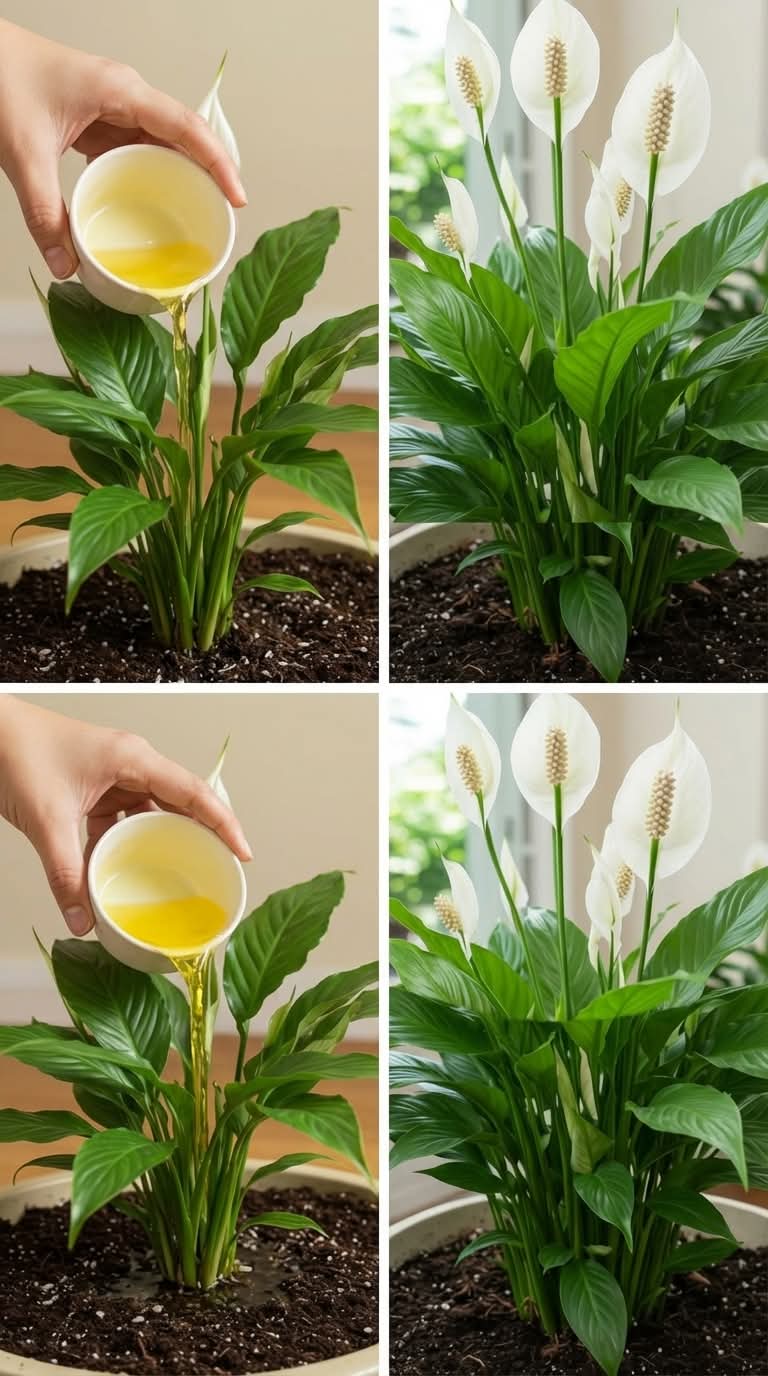
Just One Cup of This Kitchen Liquid… And Your Peace Lily Explodes With Flowers!
If you’ve ever struggled to get your peace lily to bloom, you’re not alone. Many plant lovers find that their lush green plant looks healthy—but those beautiful white flowers just don’t appear as often as expected. The good news? There’s a simple, natural plant fertilizer you can make right from your kitchen that may help…
-
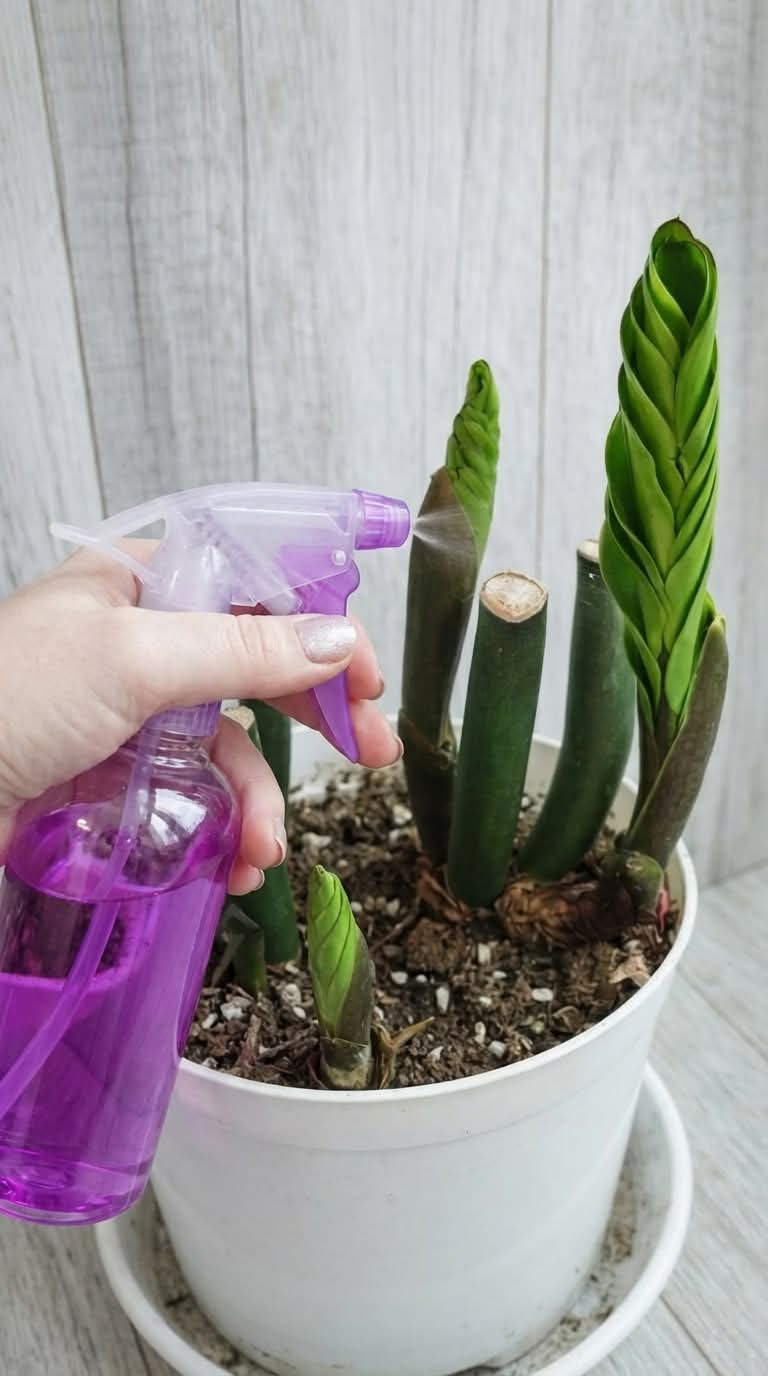
Just a Few Sprays of This Simple Mix… And Your ZZ Plant Wakes Up!
Is your ZZ plant looking stuck or slow to grow? This simple homemade leaf spray cleans dust, adds shine, and supports healthier growth. Easy recipe with neem oil for pest protection. Let me share the simple spray that brought my once‑dormant ZZ plant back to life. ZZ plants (Zamioculcas zamiifolia) are famous for being nearly…
-

The Simple Trick That Makes Your Geraniums Bloom Bigger and Brighter – A Complete Guide
Want bigger, brighter geranium blooms? Discover the simple homemade sugar and lemon trick that boosts flowering, plus expert care tips for nonstop color all season long. Let me share the little secret that turned my average geraniums into show-stopping beauties. I’ve always loved geraniums. Their bright clusters of red, pink, white, and salmon flowers are…