
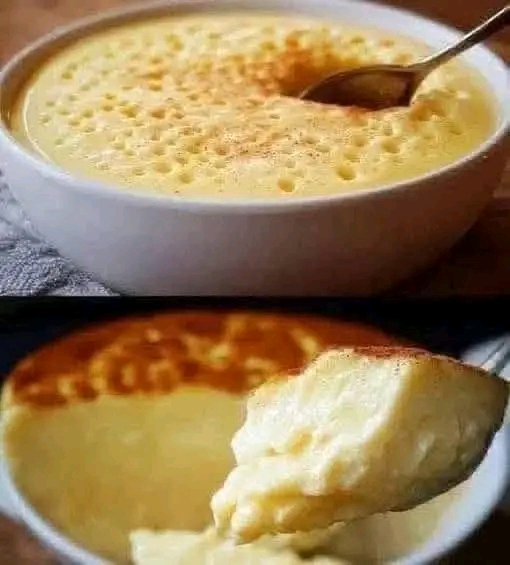
When it comes to comfort food, few desserts are as nostalgic and satisfying as a rich, creamy custard. Known for its smooth texture, delicate sweetness, and versatility, custard has been a beloved dessert for generations. Whether served warm or chilled, topped with a sprinkle of cinnamon or enjoyed on its own, custard is one of those treats that never goes out of style. In this blog, we’ll explore why custard is such a timeless dessert, how to make it at home, and a few ways to customize this classic dish to suit your tastes.
1. Why Custard is the Ultimate Comfort Dessert
There’s something about custard that feels like a warm hug on a cold day. Its velvety texture, paired with a delicate sweetness, makes it a comforting dessert enjoyed by both kids and adults. So why is custard such a classic dessert? Here are a few reasons why custard remains a favorite for so many:
Nostalgic Appeal: For many, custard brings back memories of childhood or special family gatherings. It’s often associated with comforting, homemade desserts, making it a nostalgic treat that holds sentimental value.
Simple Yet Elegant: While custard may seem like an intricate dessert, it’s actually simple to prepare. With just a few basic ingredients—eggs, milk, sugar, and flavorings—you can create a dish that feels both homey and sophisticated.
Versatility: Custard can be enjoyed in many forms. Whether as a filling for pies, a base for ice cream, or simply on its own as a dessert, it’s incredibly adaptable. You can add fruits, spices, or even chocolate to elevate the flavors and create a dish that suits any occasion.
Comforting: The creamy consistency of custard is inherently soothing. It’s the perfect dessert to enjoy after a hearty meal or when you need something rich and satisfying to end your day.
2. A Brief History of Custard
Custard has been a staple in kitchens for centuries, with its origins dating back to the medieval period. The earliest versions of custard were made with eggs, cream, and sugar, often used as a filling for pies. However, it wasn’t until the 17th century that custard began to take its modern form. The introduction of sugar and the refinement of cooking techniques allowed custard to evolve into the smooth, creamy dessert we know today.
Over the years, custard became a beloved dessert in many cultures. In France, it’s called crème anglaise and is often served with fruit or pastries. In the United Kingdom, custard is often paired with warm desserts like pies and crumbles. In the United States, custard has become a popular ice cream base and is enjoyed in many variations.
3. The Basic Ingredients for a Perfect Custard
The beauty of custard lies in its simplicity. Despite its rich and creamy texture, custard is made with just a handful of ingredients that you likely already have in your kitchen. Here’s what you’ll need:
Eggs: The key ingredient that gives custard its silky, smooth texture. Eggs help thicken the mixture and provide structure to the custard.
Milk or Cream: The liquid base of the custard. You can use whole milk, heavy cream, or a combination of both, depending on how rich and creamy you want the custard to be.
Sugar: Sweetens the custard and helps balance the richness of the eggs and milk.
Vanilla Extract: Adds depth of flavor to the custard. Vanilla is the most common flavoring, but you can experiment with other flavors like almond, cinnamon, or nutmeg.
Salt: Just a pinch to enhance the sweetness and balance the flavors.
With these simple ingredients, you can make a delicious custard that is sure to impress.
4. How to Make the Perfect Custard
Making custard at home is easier than you might think, but it does require a little patience. The key to a perfect custard is to cook it gently, so the eggs don’t scramble. Here’s a step-by-step guide to making a creamy homemade custard:
Ingredients:
4 large egg yolks
2 cups of whole milk (or a combination of milk and cream)
1/2 cup of sugar
1 teaspoon of vanilla extract
Pinch of salt
Instructions:
Prepare the egg mixture: In a medium bowl, whisk the egg yolks and sugar together until well combined. You want the mixture to be smooth and slightly pale in color.
Heat the milk: In a saucepan, heat the milk (or milk-cream mixture) over medium heat until it’s just about to simmer. You should see small bubbles forming around the edges of the pan, but the milk should not boil.
Temper the eggs: To prevent the eggs from scrambling, you’ll need to temper them. Gradually pour a small amount of the hot milk into the egg mixture, whisking constantly. This helps raise the temperature of the eggs without cooking them. Slowly add the rest of the milk to the egg mixture, continuing to whisk.
Cook the custard: Pour the egg-milk mixture back into the saucepan and return it to the stove over low heat. Cook the custard, stirring constantly with a wooden spoon or heat-resistant silicone spatula. The custard is done when it thickens enough to coat the back of the spoon. Be sure to stir continuously to prevent curdling.
Strain the custard: Once the custard is thickened, remove it from the heat and strain it through a fine mesh sieve into a clean bowl. This will remove any cooked egg bits and ensure a smooth texture.
Add flavor: Stir in the vanilla extract and a pinch of salt to bring out the sweetness. Let the custard cool slightly before serving.
Chill and serve: For a chilled custard, cover the bowl with plastic wrap (pressing it directly onto the surface of the custard to prevent a skin from forming) and refrigerate for at least 2 hours. Once chilled, serve the custard on its own or as a topping for cakes, fruit, or pies.
5. Tips for Making the Best Custard
While making custard is relatively straightforward, there are a few tips that will ensure you achieve the perfect texture and flavor every time:
Use fresh eggs: Fresh eggs are essential for making a smooth custard. Older eggs may not create the same creamy texture.
Cook over low heat: Cooking the custard over too high of a heat can cause the eggs to curdle. Always cook the custard over low heat, and be patient as it thickens.
Constant stirring: Stirring constantly helps prevent the eggs from cooking too quickly and forming lumps. Use a wooden spoon or silicone spatula to gently stir the custard.
Strain the custard: Straining the custard ensures that it’s smooth and free from any curdled bits of egg. It’s an extra step that makes a big difference in the texture.
Chill properly: If you’re serving the custard chilled, be sure to cover it with plastic wrap while it cools to prevent a skin from forming on the surface.
6. Ways to Serve Custard
One of the best things about custard is how versatile it is. While it’s delicious on its own, there are many ways to incorporate it into other desserts. Here are a few ideas:
With Pie or Fruit: Custard pairs beautifully with pies, tarts, or fresh fruit. Serve it as a sauce for apple pie, berry tarts, or poached pears.
In Parfaits: Layer custard with whipped cream, granola, and fresh fruit to create a beautiful parfait that’s perfect for breakfast or dessert.
As a Filling: Use custard as a filling for pastries, cakes, or cream puffs. It adds a rich and creamy element to any dessert.
As a Dip: Serve custard as a dip for fresh fruit, cookies, or cakes. It’s a great way to enjoy custard in a more casual setting.
In Custard-based Ice Cream: Custard is the base for many ice cream recipes, particularly French-style ice cream. Its smooth, rich texture makes for an indulgent frozen treat.
7. Flavor Variations to Try
While vanilla custard is the classic version, there are many ways to customize the flavor. Here are some variations to try:
Chocolate Custard: Melt some chocolate and whisk it into the custard mixture for a rich, chocolatey version.
Cinnamon or Nutmeg: Add a pinch of ground cinnamon or nutmeg for a spiced custard. This is especially delicious when served with warm desserts.
Fruit-flavored Custard: Infuse the custard with fresh citrus zest (like lemon or orange) or add fruit purees for a fruity twist.
Coffee Custard: Brew a strong cup of coffee and add it to the custard mixture for a delicious coffee-flavored dessert.
8. Why Homemade Custard is Worth It
While store-bought custards or pudding mixes are convenient, there’s nothing quite like homemade custard. Making it from scratch allows you to control the ingredients, resulting in a fresher, creamier dessert. The flavor is more vibrant, and the texture is smooth and velvety. Plus, homemade custard gives you the satisfaction of creating something from scratch, which always makes the end result that much sweeter.
9. Conclusion: A Timeless Dessert for Every Occasion
Custard is a classic dessert that never goes out of style. Whether you’re enjoying it on its own, as a topping, or in a pastry, its creamy texture and delicate flavor make it a treat that everyone can enjoy. With just a few ingredients and a little patience, you can create a dessert that’s both comforting and elegant. So, the next time you’re craving something sweet, consider making a batch of homemade custard—it’s a dish that will always satisfy.
Enjoy your delicious homemade custard!
More Recipes You Might Like
-
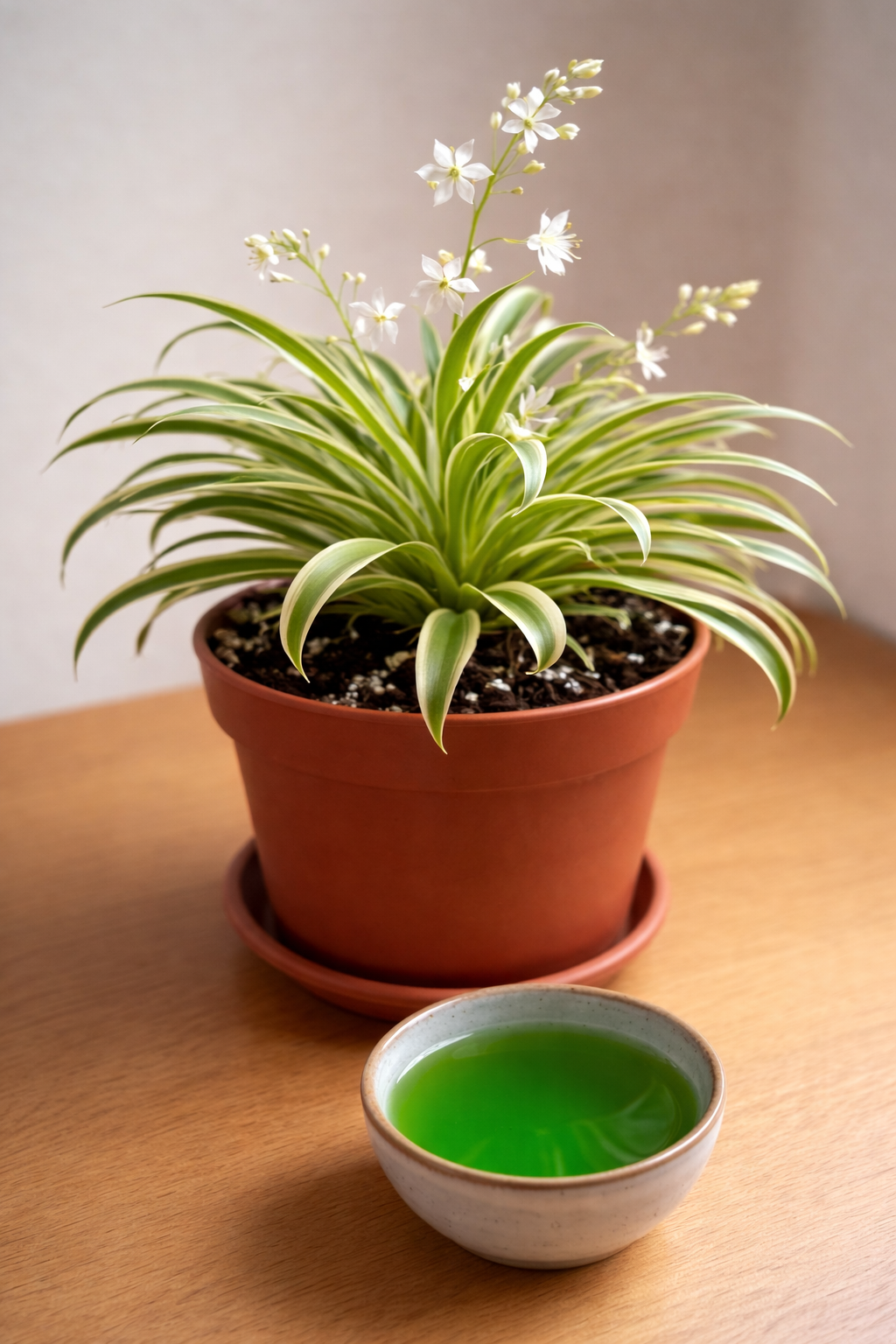
I Added This Simple Mix… Now My Plant Is Covered in Flowers
Discover the simple homemade mix that turned my struggling plant into a blooming machine! Natural ingredients like banana peels and Epsom salt create the ultimate flower booster. Easy, cheap, and incredibly effective. Let me show you the mix that finally made my peace lily burst into bloom—and turned my geraniums into a riot of color.…
-
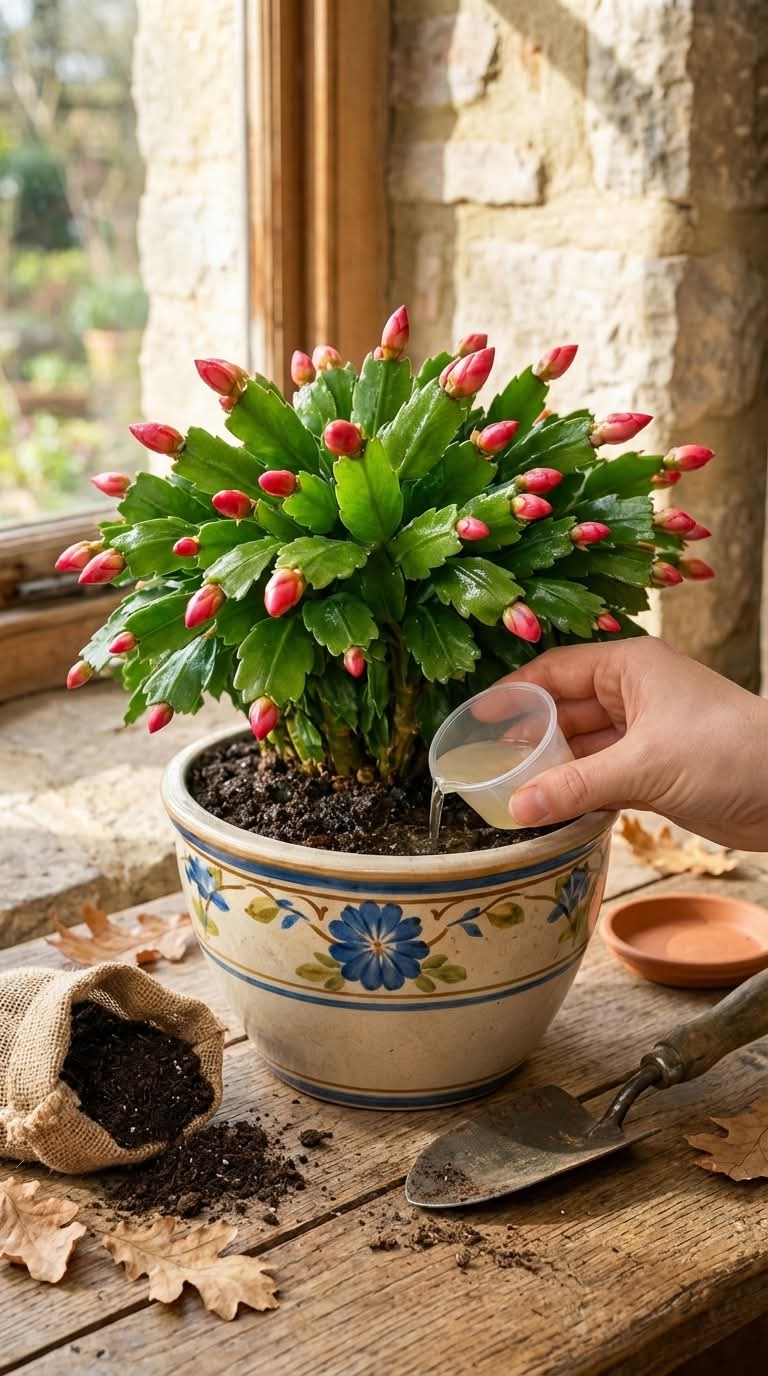
This Simple Trick Makes Your Christmas Cactus Bloom Like Crazy
Struggling to get your Christmas cactus to bloom? Discover the simple dark treatment trick that forces spectacular flowers year after year. Step-by-step guide, pro tips, and troubleshooting. Let me tell you about the year my Christmas cactus finally lived up to its name. I’d owned the plant for three years. Every December, I’d wait impatiently…
-
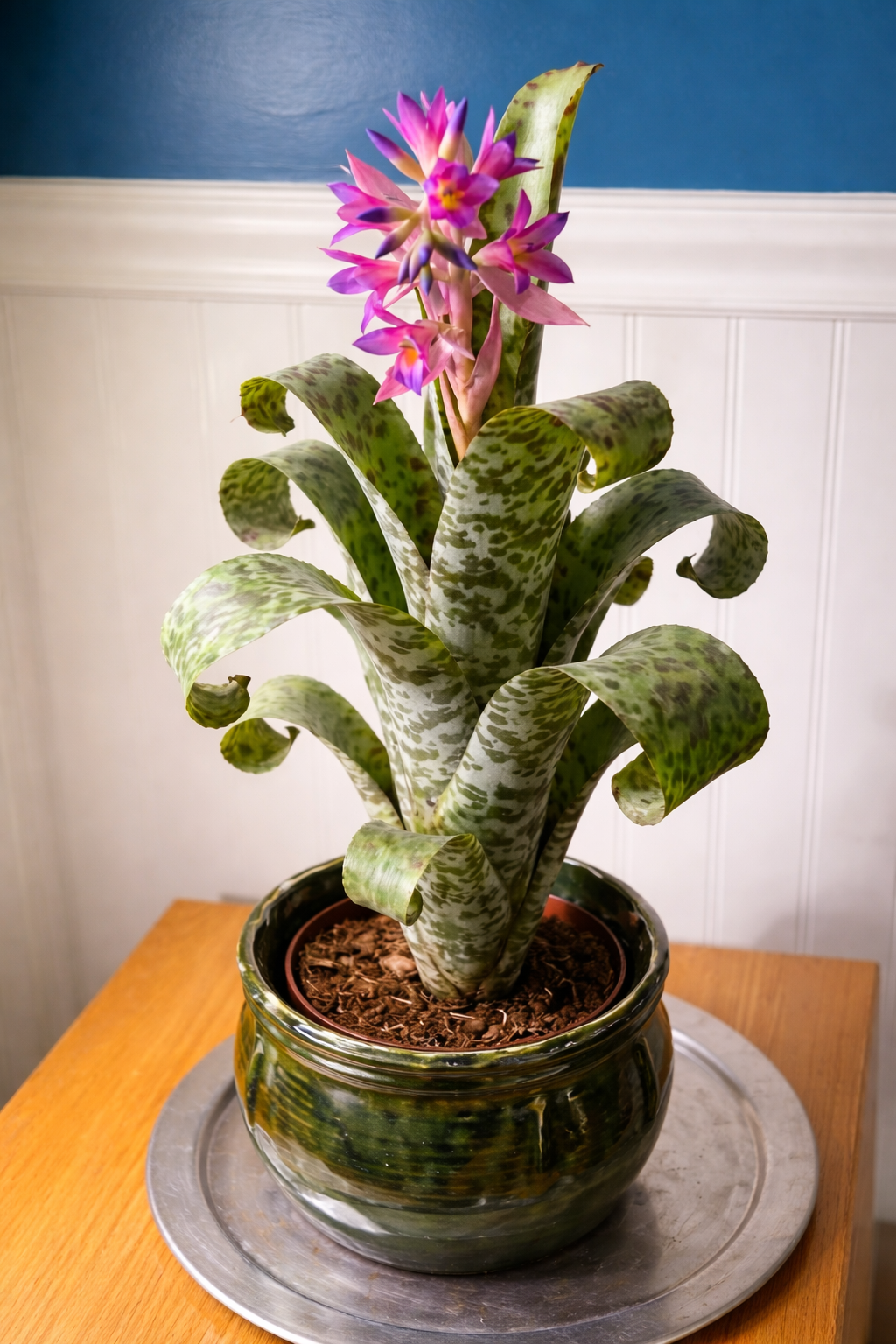
Here’s the Best Way to Grow a Snake Plant in a Spiral or Circular Shape
Want to grow a snake plant in a stunning spiral or circle? Discover the best techniques—from support frames to the gradual twist method—that turn your Sansevieria into a living sculpture. Let me tell you about the moment I realized snake plants could be so much more than upright, sword‑like green spears. I’d always admired snake…