
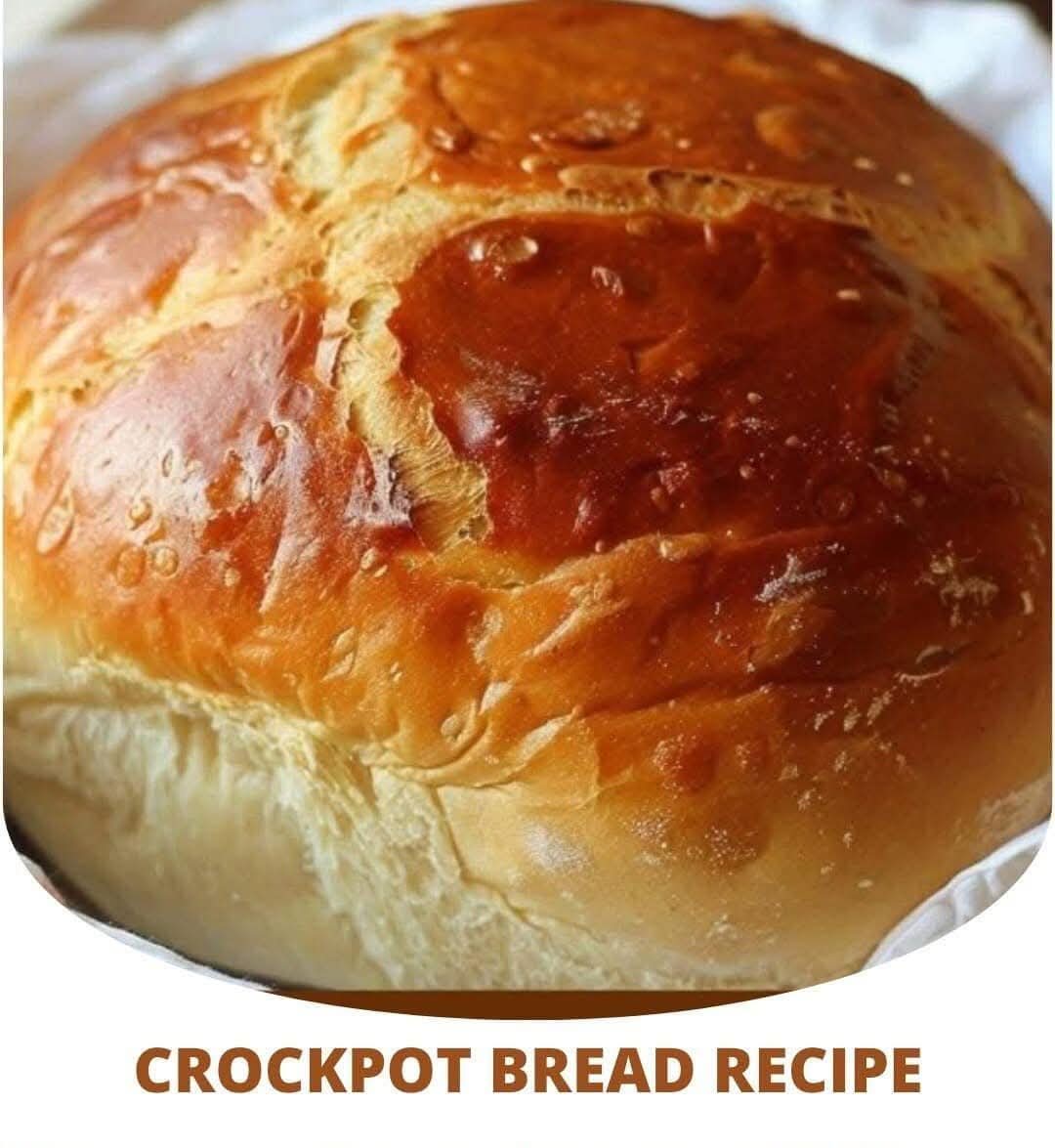
Imagine the soul-warming aroma of freshly baked bread filling your home, but without turning on the oven, without frantic kneading, and without the anxiety of a misshapen loaf. This isn’t a fantasy—it’s the magic of Crockpot Bread. In an era where slow cooker recipes dominate for their convenience, this method stands out as a genuine game-changer for home bakers of all skill levels. It’s the ultimate no-knead bread recipe that delivers a rustic, crusty artisan loaf with an impossibly tender crumb, using the most humble of appliances: your Crock-Pot slow cooker.
This comprehensive guide will walk you through every step, unlocking the secrets to why this method works so brilliantly. We’ll delve deep into the essential baking tools that elevate your process, explore the beautiful science behind slow-cooked fermentation, and provide endless variations to make this recipe your own. Forget everything you thought you knew about bread baking; your journey to effortless, perfect loaves starts right here.
Why Equipment is Everything: The Toolbox for Slow-Cooked Success
Baking bread in a slow cooker is a different paradigm that requires a shift in thinking about your tools. The right equipment doesn’t just make the process easier; it directly influences the crust, crumb, and rise of your final loaf. Understanding and investing in these tools is the first step to consistent, bakery-quality results at home.
The Slow Cooker: More Than a Pot Roast Hero
YourCrock-Pot or slow cooker is the star. A 6-quart or larger oval slow cooker is ideal, as it provides ample space for the bread to rise and bake without touching the sides. The consistent, low, encircling heat (typically between 200°F and 250°F on the “High” setting) acts like a professional proofing oven and baking stone combined. It creates a steamy environment that gives the bread a spectacular oven spring and a chewy crust. Not all slow cookers are created equal—digital models with precise temperature controls (like some from Cuisinart or Hamilton Beach) can offer more reliability than older analog versions with simple “Low/High” switches.
The Dutch Oven: For the Ultimate Finish
While the slow cooker bakes the bread,a preheated Dutch oven is the secret weapon for achieving a professional, blistered, crackly crust. A 5 to 7-quart enameled cast iron Dutch oven (like Le Creuset or Lodge) is perfect. For the final 20-30 minutes of baking, you’ll transfer the par-baked loaf from the slow cooker into the screaming-hot Dutch oven in your conventional oven. This intense, direct heat creates explosive oven spring and caramelizes the crust to a deep, glorious brown. It’s the hybrid technique that gives you the best of both worlds: the slow cooker’s foolproof rise and the conventional oven’s perfect finish.
The Kitchen Scale: The Non-Negotiable Foundation
If you take one piece of advice from this guide,let it be this: buy a digital kitchen scale. Baking is a science, and bread is its most precise form. Measuring flour by volume (cups) is notoriously inaccurate and is the leading cause of dense, gummy loaves. A scale ensures perfect hydration every time. Look for one with 0.1-gram precision and a tare function. Weighing your ingredients transforms this from a recipe into a reliable formula.
The Proofing Basket (Banneton): For Structure and Artistry
Aproofing basket, or banneton, is a coiled cane or brotform basket that supports your shaped loaf during its final rise. It’s not just for looks; the basket wicks away moisture from the dough’s surface, which helps form a “skin” that holds its shape and creates that beautiful, crackly crust. A 9-inch round banneton is perfect for a standard loaf. Before use, it must be seasoned with rice flour to prevent sticking.
The Dough Scraper and Lame: For Handling and Scoring
Abench scraper is your best friend for dividing and shaping wet, sticky no-knead dough without over-handling it. A bread lame (pronounced lahm) is a razor blade on a handle used to score the dough just before baking. This controlled slash isn’t decorative; it’s functional. It allows the bread to expand fully in the oven (or slow cooker) in a controlled way, preventing it from bursting at the seams.
The Complete Equipment List:
· 6-quart (or larger) oval slow cooker
· 5-7 quart enameled cast iron Dutch oven
· Digital kitchen scale
· 9-inch round proofing basket (banneton)
· Bench scraper & bread lame
· Large glass or ceramic mixing bowl (for fermentation)
· Silicone spatula or danish dough whisk
· Parchment paper (for easy transfer)
· Wire cooling rack (essential for preventing a soggy bottom)
The Master Recipe: Foolproof No-Knead Crockpot Bread
This recipe is adapted from the famous Jim Lahey no-knead method, optimized for the slow cooker. The long, slow fermentation is the key to incredible flavor and an open, irregular crumb.
Prep Time: 20 minutes (active) | Fermentation: 12-18 hours | Slow Cook Bake: 2 hours | Oven Finish: 30 minutes | Yields: 1 large round loaf
Ingredients:
· 500 grams (about 3 ¾ cups) bread flour (such as King Arthur Bread Flour for superior protein content)
· 360 grams (1 ½ cups) cool water (about 70°F/21°C)
· 9 grams (1 ½ tsp) fine sea salt
· 3 grams (¾ tsp) instant yeast (or active dry yeast)
· Rice flour for dusting the banneton (doesn’t develop gluten like wheat flour)
Step-by-Step Instructions:
PART 1: THE LONG FERMENT (12-18 Hours Before)
Mix the Dough: In your large mixing bowl, combine the bread flour and instant yeast. Add the cool water and mix with a silicone spatula or your hands until no dry flour remains. The dough will be shaggy and sticky. This is correct.
Incorporate Salt: Cover the bowl loosely with plastic wrap and let it rest for 30 minutes. This autolyse period allows the flour to fully hydrate. After 30 minutes, sprinkle the salt over the dough. Wet your hand, reach down to the bottom of the bowl, and gently fold the dough over itself, incorporating the salt. Do this 4-5 times until the salt is dispersed.
The Bulk Fermentation: Re-cover the bowl tightly. Let it sit at warm room temperature (70-75°F) for a minimum of 12 hours and up to 18 hours. The dough is ready when it’s bubbly, more than doubled in size, and the surface is dotted with small bubbles.
PART 2: SHAPING & FINAL PROOF (2-3 Hours Before Baking)
Prepare the Banneton: Generously dust your proofing basket with rice flour, getting it into all the crevices.
Shape the Loaf: Turn the dough out onto a lightly floured surface (use your bench scraper to help). Without punching it down, gently fold the edges of the dough into the center to form a round, creating surface tension. Using the scraper, flip the dough over so the smooth, seam side is down.
Final Proof: Gently place the shaped dough, seam-side up, into the prepared banneton. Dust the top lightly with more rice flour. Cover loosely with a clean kitchen towel or the banneton’s cloth liner. Let proof at room temperature for 1-2 hours, until the dough looks puffy and has expanded by about 50%. Alternatively, for more flavor development, proof in the refrigerator for 8-12 hours.
PART 3: THE HYBRID BAKE (Slow Cooker + Oven)
Prep the Slow Cooker: Place a parchment paper sling in your slow cooker—a large piece that goes up the sides to act as handles. This is crucial for lifting the hot, fragile loaf out later. Do not add water. Preheat the slow cooker on the HIGH setting for 30 minutes with the lid on.
Transfer and Score: After preheating, carefully invert the proofed dough from the banneton onto the center of the parchment sling. Using your bread lame, make one confident, swift slash about ½-inch deep across the top of the loaf.
The Slow Cook Bake: Immediately place the parchment and dough into the preheated slow cooker. Cover with the lid. Bake on HIGH for 1 hour and 45 minutes to 2 hours. The loaf will have risen significantly and the crust will be set but very pale.
Preheat the Oven & Dutch Oven: About 30 minutes before the slow cooker cycle finishes, place your empty Dutch oven (with its lid) into your conventional oven and preheat to 450°F (230°C).
The Final Blast: Using the parchment sling as handles, carefully lift the par-baked loaf from the slow cooker. Without removing the parchment, carefully place the entire loaf into the screaming-hot Dutch oven. Cover with the lid.
Bake to Perfection: Bake covered for 20 minutes. Then, remove the lid to reveal the loaf. Continue baking, uncovered, for another 10-20 minutes, until the crust is a deep, burnished brown and sounds hollow when tapped. The internal temperature should read 205-210°F (96-99°C) on an instant-read thermometer.
The Crucial Cool: Transfer the loaf to a wire cooling rack. Remove the parchment paper. It is imperative to let the bread cool completely—at least 2 hours—before slicing. This allows the steam inside to set the crumb. Slicing too early results in a gummy texture.
The Science & Sensibility: Why This Method Works
The slow cooker method is brilliant because it replicates the steady, moist heat of a professional deck oven. The initial phase in the Crock-Pot provides a long, gentle spring, allowing the yeast to produce one last burst of gas and the gluten to relax and expand fully without the threat of a heat shock that can happen in a traditional oven. This yields an incredibly even, tender crumb. The finish in the preheated Dutch oven then provides the intense, dry heat needed for Maillard reaction—the chemical process that creates complex flavor and that signature, crackling crust. It’s a one-two punch of baking science that guarantees success.
Troubleshooting & FAQ
· My bread is dense and gummy. The most likely culprit is inaccurate flour measurement. Use a scale. The second is slicing the bread before it has cooled completely.
· The crust isn’t brown after the slow cooker. This is perfectly normal and expected! The slow cooker provides steam and heat for the rise but lacks dry heat for browning. The Dutch oven finish is mandatory for color and final crust texture.
· Can I bake it entirely in the slow cooker? You can, but you will trade the crackly, crisp crust for a softer, steamier one. To try, bake on HIGH for 2-2.5 hours, then remove the lid and vent with a chopstick for the last 30 minutes to allow some steam to escape.
· My dough didn’t rise much during fermentation. Your water may have been too hot, killing the yeast, or your room may be too cold. Ensure your water is cool to the touch and find a warmer spot in your kitchen.
· How do I store it? Once completely cool, store at room temperature in a paper bag or loosely wrapped in a tea towel for up to 2 days for the best crust. For longer storage, slice and freeze in a freezer bag for up to 3 months. Reheat slices directly from frozen in a toaster.
Creative Variations: Make It Your Own
· Whole Wheat & Seeds: Substitute 150g of the bread flour with whole wheat flour and add 50g of a seed mix (sunflower, pumpkin, flax) during the initial mix.
· Garlic & Herb: Fold in 100g of shredded cheddar cheese and 2 tbsp of chopped fresh rosemary during the shaping stage.
· Cranberry Walnut: A classic. Add 75g of dried cranberries and 75g of chopped toasted walnuts during the initial mix.
· Olive & Sun-Dried Tomato: A savory delight. Fold in 100g of chopped kalamata olives and 50g of chopped oil-packed sun-dried tomatoes (well-drained) during shaping.
Conclusion: Reclaiming the Artisan Loaf
Crockpot bread is more than a recipe; it’s an invitation. It invites you to engage with the ancient, satisfying rhythm of bread making without intimidation. It democratizes the artisan loaf, proving that with a bit of patience, a handful of simple ingredients, and a clever use of everyday kitchen appliances, you can achieve something extraordinary.
This method liberates you from the constraints of the oven, making fresh bread possible even in the heat of summer. It turns your slow cooker from a winter stew specialist into a year-round baking powerhouse. So, gather your scale, your banneton, and embrace the slow, beautiful process. The reward—a slice of warm, crusty bread you made with your own hands—is a taste of pure, unadulterated accomplishment. Your home bakery starts now.
More Recipes You Might Like
-
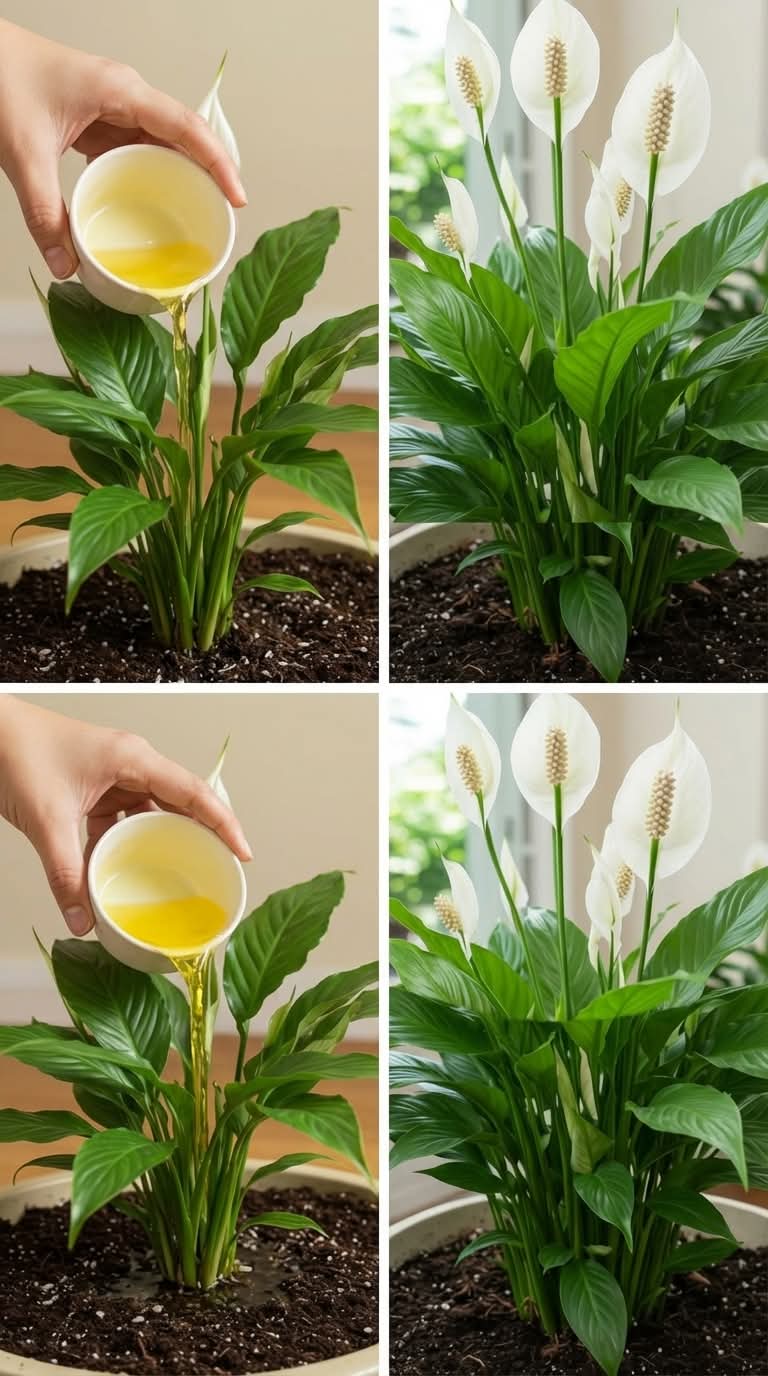
Just One Cup of This Kitchen Liquid… And Your Peace Lily Explodes With Flowers!
If you’ve ever struggled to get your peace lily to bloom, you’re not alone. Many plant lovers find that their lush green plant looks healthy—but those beautiful white flowers just don’t appear as often as expected. The good news? There’s a simple, natural plant fertilizer you can make right from your kitchen that may help…
-
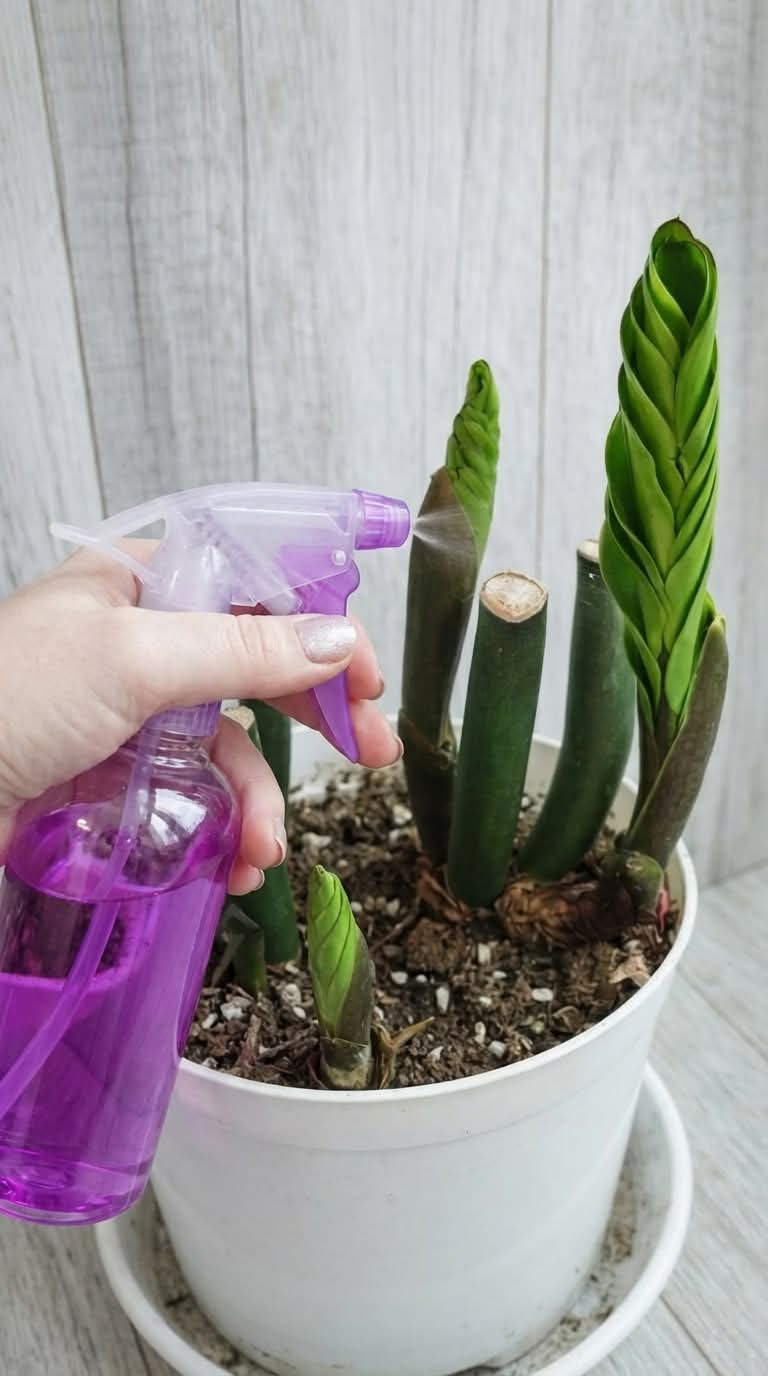
Just a Few Sprays of This Simple Mix… And Your ZZ Plant Wakes Up!
Is your ZZ plant looking stuck or slow to grow? This simple homemade leaf spray cleans dust, adds shine, and supports healthier growth. Easy recipe with neem oil for pest protection. Let me share the simple spray that brought my once‑dormant ZZ plant back to life. ZZ plants (Zamioculcas zamiifolia) are famous for being nearly…
-
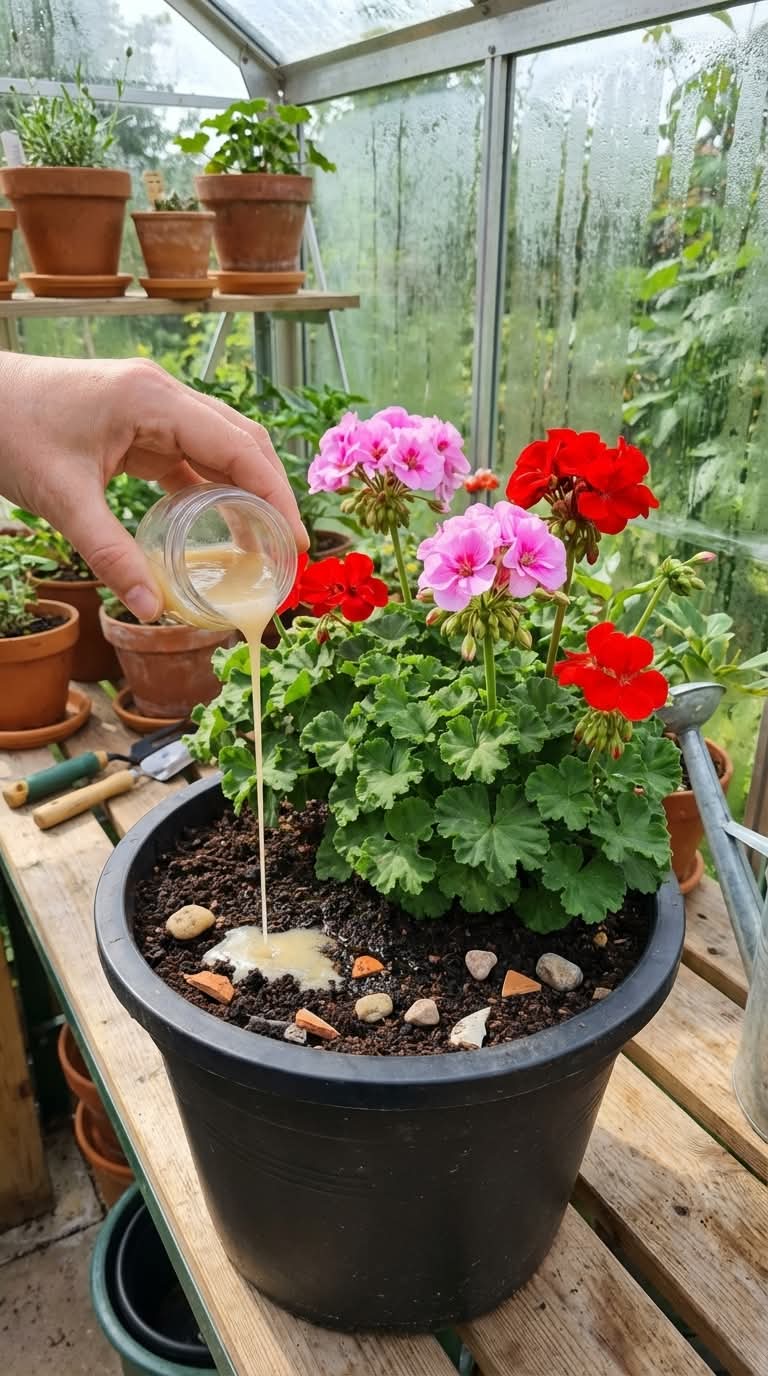
The Simple Trick That Makes Your Geraniums Bloom Bigger and Brighter – A Complete Guide
Want bigger, brighter geranium blooms? Discover the simple homemade sugar and lemon trick that boosts flowering, plus expert care tips for nonstop color all season long. Let me share the little secret that turned my average geraniums into show-stopping beauties. I’ve always loved geraniums. Their bright clusters of red, pink, white, and salmon flowers are…