
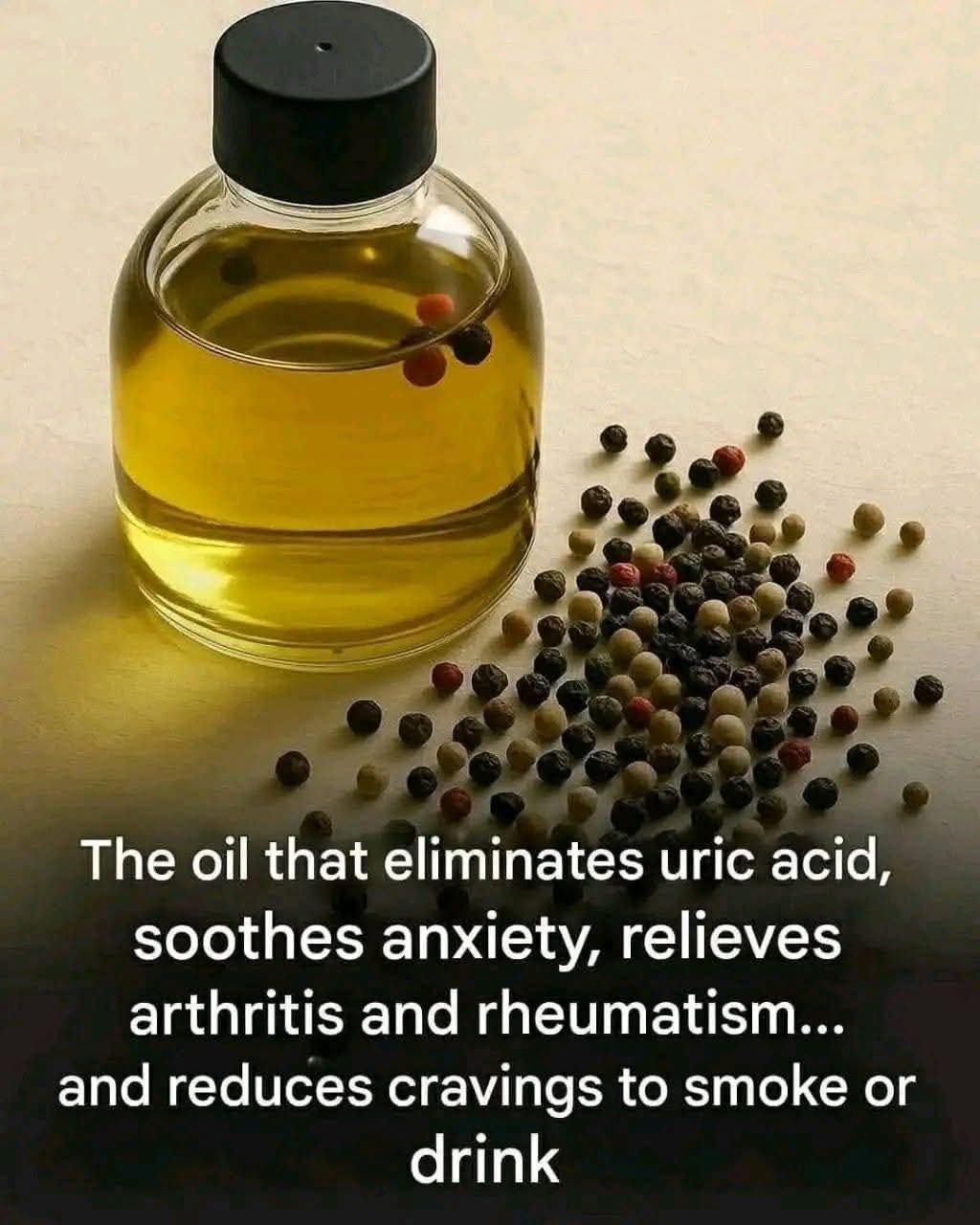
Important Note: This article discusses traditional uses and preliminary research on black pepper essential oil. It is not medical advice. Always consult a healthcare provider before using essential oils for health purposes, especially if you have medical conditions or take medications.
Black pepper (Piper nigrum) has been a cornerstone of traditional medicine systems like Ayurveda for centuries, valued not just as a spice but as a therapeutic agent. In recent years, black pepper essential oil—extracted through steam distillation of the dried berries—has gained popularity in aromatherapy and natural wellness circles. While its warm, spicy aroma is undeniably grounding, many far-reaching health claims surround this oil. Let’s explore what traditional practice and modern science actually tell us.
Understanding Black Pepper Oil: From Kitchen Spice to Essential Oil
The essential oil captures the volatile compounds of the pepper berry, primarily β-caryophyllene and limonene, which are believed to be responsible for many of its potential effects. Unlike dietary black pepper, the essential oil is highly concentrated and is used externally or aromatically, not ingested, unless under direct supervision of a qualified professional.
Traditional Uses and Cultural Significance
In Ayurveda, black pepper (known as “Maricha”) is considered a warming, pungent spice that supports digestion and circulation. The essential oil is often used in these traditions for:
· Supporting healthy digestion and appetite.
· Promoting feelings of warmth and circulation when applied topically (diluted).
· Providing a grounding, stimulating aroma in meditation.
Examining the Claims: What Does the Science Say?
It’s crucial to distinguish between traditional use, preliminary research, and established scientific fact.
For Joint Discomfort (e.g., Arthritis):
· The Claim: Black pepper oil reduces inflammation and pain associated with arthritis.
· The Evidence: Some animal studies and test-tube research suggest that piperine, a key compound, has anti-inflammatory properties. A few small human studies have found that topical application of oils containing black pepper may provide temporary comfort, often in blends with other oils. It is not a cure for arthritis.
For Uric Acid and Gout:
· The Claim: The oil helps flush uric acid, preventing or treating gout.
· Evidence Status: Extremely Limited. While some diuretic effects have been noted in traditional contexts, there is no strong clinical evidence that black pepper oil significantly affects uric acid metabolism. Proper medical management of gout is essential.
For Anxiety and Stress:
· The Claim: Its aroma reduces anxiety and cravings.
· The Evidence: More promising. A 2020 pilot study in the Journal of Alternative and Complementary Medicine found that inhalation of black pepper oil helped reduce smoking cravings, possibly by mimicking the respiratory sensation of smoking. Its grounding, spicy scent is commonly used in aromatherapy for promoting a sense of calm and focus, which may indirectly support mood.
For Cravings (Food/Smoking):
· As mentioned above, the most compelling research relates to craving reduction through inhalation, likely due to its effect on respiration patterns and sensory substitution.
How to Use Black Pepper Oil Safely
Safety is Paramount.
· Never Ingest essential oils unless directed by a certified aromatherapist or doctor.
· Always Dilute: For topical use, dilute to 1-2% in a carrier oil (e.g., 1-2 drops per teaspoon of jojoba, coconut, or almond oil). Perform a patch test first.
· Aromatherapy: Diffuse 3-4 drops in a well-ventilated room for 30-minute intervals, or inhale directly from the bottle for craving support.
· Contraindications: May cause skin sensitivity. Avoid during pregnancy, on children, or if you have sensitive skin. Can interact with certain medications.
A Realistic View: Potential Benefits vs. Overstated Claims
May Support:
· Feelings of warmth and circulation when massaged (diluted) onto muscles.
· A sense of grounding and reduced tension through aromatherapy.
· Temporary respiratory satisfaction that may aid in craving management.
Is Not a Proven Treatment For:
· Gout or high uric acid.
· Underlying anxiety disorders (but can be a complementary calming practice).
· Arthritis or chronic pain conditions.
How to Incorporate It into Your Wellness Routine
Morning Invigoration: Add 2 drops to your diffuser with a citrus oil like orange to promote an alert, focused start to the day.
Massage Blend for Warmth: Mix 2 drops black pepper oil with 1 drop ginger oil in 1 tbsp carrier oil for a warming muscle massage after activity.
Mindful Inhalation: When experiencing cravings or stress, place a drop on a tissue or cotton ball and inhale deeply for 1-2 minutes.
The Bigger Picture: Holistic Health
No single essential oil is a miracle cure. Health is best supported by a foundation of:
· A balanced, nutrient-rich diet.
· Regular physical activity.
· Adequate sleep and stress management.
· Professional medical care for diagnosed conditions.
Black pepper oil can be a pleasant and potentially supportive element within this larger holistic framework, not a replacement for it.
Final Thoughts: A Spicy Ally with Boundaries
Black pepper essential oil is a fascinating and potent extract with a history of traditional use and some emerging, promising research—particularly for aromatherapeutic benefits. Approach it as a complementary wellness tool, not a medicine. Respect its potency, use it safely, and enjoy its warm, stimulating presence as part of a balanced lifestyle.
Disclaimer: This content is for informational purposes only. It is not intended to be a substitute for professional medical advice, diagnosis, or treatment. Always seek the advice of your physician or other qualified health provider with any questions you may have regarding a medical condition.
More Recipes You Might Like
-

Strawberry Cream Cheese Icebox Cake: The No-Bake Dessert That Steals the Show
Discover the easiest, most elegant strawberry cream cheese icebox cake! Layers of graham crackers, creamy cheesecake filling, and fresh strawberries come together in this no-bake masterpiece. Perfect for summer entertaining. Let me tell you about the dessert that looks like you spent hours in the kitchen but actually takes about 15 minutes to assemble. I…
-

3 Ingredient Pineapple Ice Cream (5 Minutes)
Discover the easiest, healthiest ice cream you’ll ever make! Just 3 ingredients—frozen pineapple, almond milk, and Greek yogurt—create a creamy, tropical treat in 5 minutes. No machine, no sugar added! Let me tell you about the ice cream that made me a convert—no churning, no heavy cream, no sugar, and done in five minutes. I…
-

BBQ Cauliflower Bites: Crispy, Sticky, and Irresistible
Discover the best BBQ cauliflower bites—crispy baked cauliflower coated in sticky, sweet, smoky BBQ sauce. A vegan, gluten‑free appetizer that rivals chicken wings. Easy oven or air fryer recipe! Let me tell you about the appetizer that converted my meat‑loving friends into cauliflower believers. I first made BBQ cauliflower bites for a game day party,…