
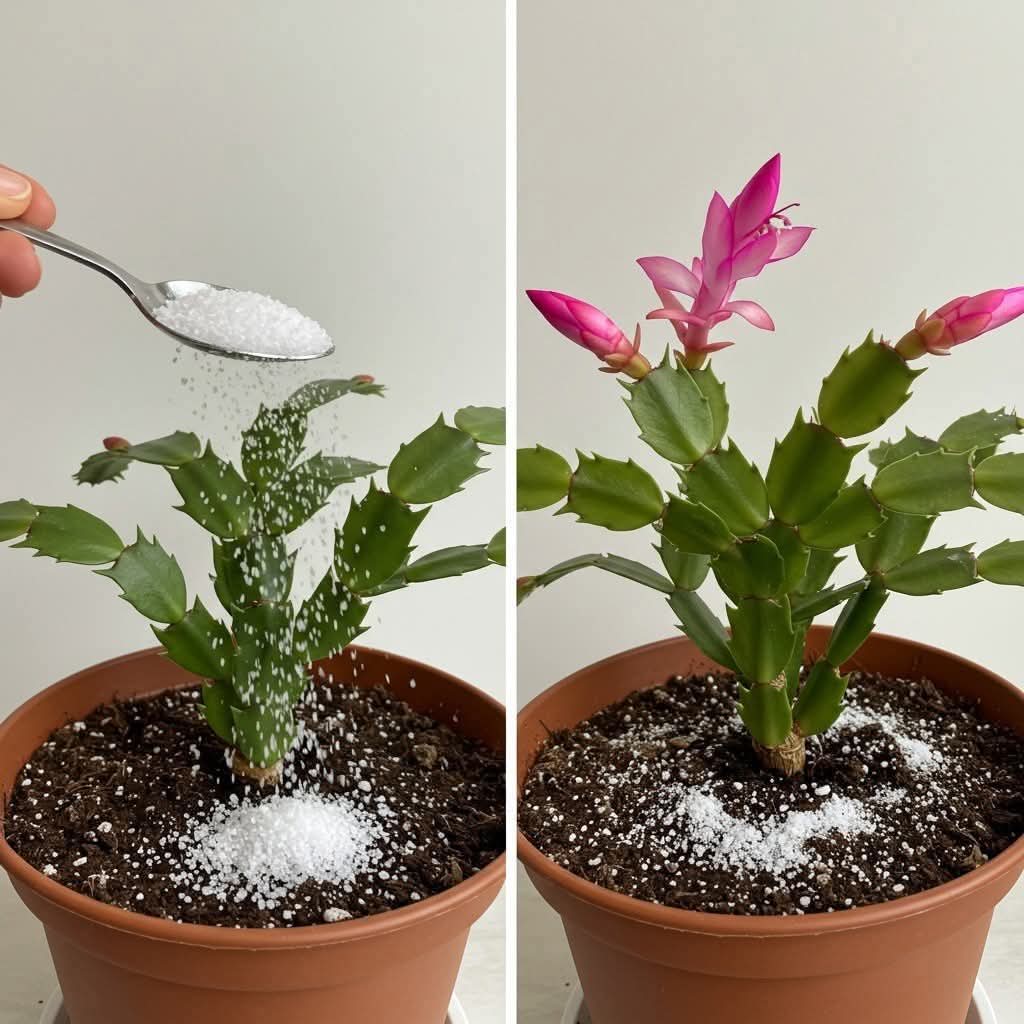
As the warmth of summer fades and autumn paints the world with golden hues, the same seasonal shift that delights our senses can present a real challenge for our indoor flowers. Many houseplants, once lush and vibrant, begin to show signs of fatigue: leaves yellow, blooms dwindle, and stems lose their strength. The reduction in daylight hours and the subtle drop in temperature signals a natural slowdown.
For houseplants, which depend on the relatively stable conditions of our indoor environments, this seasonal change can be stressful. Without proper care, many will struggle through fall and winter, producing little to no flowers and losing much of their vitality.
For plant lovers, this can feel disheartening. After months of enjoying lush growth and vibrant blooms, witnessing the decline of once-thriving flowers can make it seem like there’s nothing you can do until spring returns. Yet, the good news is that this assumption is not entirely true. With a little attention and the right approach, you can breathe life back into your indoor flowers, even as the seasons change.
One of the most effective, simple, and affordable methods for revitalizing houseplants during fall is using a little-known but powerful supplement: magnesium sulfate, more commonly known as Epsom salt.
Understanding the Role of Magnesium and Sulfur
Epsom salt is not a salt in the culinary sense, but a naturally occurring mineral compound consisting of magnesium and sulfate. Both of these elements play critical roles in plant health:
Magnesium is central to chlorophyll—the green pigment in leaves that allows plants to convert sunlight into energy through photosynthesis. Without sufficient magnesium, leaves turn pale or yellow, photosynthesis slows, and the plant’s growth and flowering potential decrease.
Sulfur is equally important. It contributes to the formation of amino acids, enzymes, and vitamins. Sulfur also supports robust root development and improves nutrient uptake from the soil, ensuring that other essential minerals are effectively absorbed.
Houseplants grown in containers often suffer from nutrient imbalances because the soil volume is limited. Over time, repeated watering can leach minerals from the potting mix. Without supplementation or refreshing the soil, deficiencies accumulate, leaving your plants struggling.
Magnesium deficiency is particularly common in flowering plants such as roses, orchids, begonias, and geraniums. Classic symptoms include yellowing between the veins of leaves (interveinal chlorosis) and a noticeable reduction in blooms. This is where Epsom salt comes to the rescue, supplying readily available magnesium and sulfur in a form that plants can absorb immediately.
Why Fall Is the Perfect Time for Epsom Salt
While plants benefit from Epsom salt throughout the year, fall is an especially ideal time to introduce this supplement. As daylight hours shorten, indoor flowers need extra support to continue photosynthesizing efficiently. Magnesium strengthens the plant’s ability to capture and convert sunlight, while sulfur boosts overall metabolic processes. Together, they help the plant maintain vibrant foliage and prepare it for potential flowering, even when external conditions are less than optimal.
Using Epsom salt during fall can help your houseplants:
Maintain greener, healthier leaves by supporting chlorophyll production.
Strengthen stems and roots, allowing the plant to support existing growth and future blooms.
Encourage flowering potential, helping plants produce vibrant blooms despite reduced light.
Correct nutrient deficiencies in a quick and affordable way, especially in potted plants where soil depletion occurs faster.
How to Use Epsom Salt for Indoor Flowers
Applying Epsom salt to your houseplants is simple, but timing and dosage matter. Here’s a step-by-step guide to help you get the best results:
1. Prepare the Epsom Salt Solution
For most houseplants, dissolve 1 tablespoon of Epsom salt in 1 gallon of water. This creates a liquid solution that can be applied directly to the soil or used as a foliar spray.
2. Water the Soil
Pour the solution directly onto the soil around the base of the plant. Make sure the soil is moist before application to avoid root burn. The magnesium and sulfur will be absorbed through the roots, reaching the plant quickly.
3. Optional Foliar Spray
For faster results, you can also apply the solution as a foliar spray. Using a spray bottle, mist the leaves lightly, ensuring that the liquid reaches both the top and underside of leaves. Foliar feeding allows the plant to absorb nutrients directly through its leaves, providing a quick boost to chlorophyll production and overall health.
4. Frequency
Apply the Epsom salt solution once a month during fall and winter, when plants experience slower growth. For plants showing severe deficiency symptoms, you can apply it every 2–3 weeks until recovery is observed.
Complementary Care for Fall Houseplants
While Epsom salt is a powerful tool, combining it with proper seasonal care ensures the best results:
Adjust Light Exposure: As daylight diminishes, move plants closer to windows or provide supplemental grow lights. Even a few extra hours of light can make a significant difference in plant health.
Moderate Watering: Overwatering is a common problem in fall. Reduce watering frequency, allowing the soil to dry slightly between sessions.
Maintain Optimal Temperature: Most indoor flowers thrive between 65–75°F (18–24°C). Avoid placing them near cold drafts or heating vents that can stress the plant.
Prune Dead or Yellow Leaves: Removing damaged foliage encourages the plant to focus energy on healthy growth and potential flowering.
Check Humidity: Indoor heating can dry out the air. Mist plants lightly or use a humidity tray to maintain a healthy microenvironment.
Examples of Houseplants That Benefit Most from Epsom Salt
While many houseplants can benefit from magnesium supplementation, certain species respond particularly well:
Orchids: Known for their delicate blooms, orchids often struggle indoors during fall. Epsom salt boosts their flowering potential and keeps leaves vibrant.
Roses (Indoor or Miniature Varieties): Magnesium deficiency is common in potted roses, and Epsom salt helps maintain rich green foliage and encourages new blooms.
Geraniums: These popular flowering plants thrive with the added magnesium, producing larger, more colorful flowers.
Begonias: Sensitive to nutrient imbalances, begonias benefit from foliar application of Epsom salt, enhancing leaf color and flower formation.
Peace Lilies: While not primarily flowering, peace lilies produce more lush foliage and maintain healthier leaves with magnesium supplementation.
The Science Behind Epsom Salt’s Effectiveness
Epsom salt works because magnesium is central to photosynthesis, the process by which plants convert light into energy. Without magnesium, plants cannot efficiently produce chlorophyll, leading to pale, weak leaves and reduced growth. Sulfur, on the other hand, plays a crucial role in protein synthesis and enzyme function, supporting overall plant metabolism.
Together, magnesium and sulfur provide the essential building blocks that indoor plants often lack in potted environments. Over time, repeated watering and the limited soil volume in containers can deplete these minerals. By supplementing with Epsom salt, you restore balance, strengthen plant structures, and promote resilience against seasonal stress.
Real-Life Transformation Stories
Many plant enthusiasts have witnessed remarkable turnarounds using Epsom salt during the fall:
The Orchid Revival: One hobbyist noticed her orchid leaves yellowing and blooms failing. After two applications of Epsom salt solution over a month, the foliage regained deep green color, and new buds appeared.
Indoor Rose Comeback: Miniature roses in a living room corner produced sparse flowers during fall. Following monthly Epsom salt treatments, the roses flourished, with blooms returning in vibrant reds and pinks.
Begonia Boost: A friend struggled with begonias losing color in fall. Within weeks of foliar feeding with Epsom salt, the leaves regained luster, and flowers became more abundant.
These examples highlight how simple, consistent care combined with the right supplementation can revitalize indoor plants, even during the challenging fall season.
Safety and Considerations
While Epsom salt is safe for most indoor plants, a few considerations are worth noting:
Avoid Overuse: Excess magnesium can interfere with the uptake of other minerals. Stick to recommended dosages.
Check Plant Type: Most flowering houseplants respond well, but always research specific needs if you have unusual species.
Combine with Regular Fertilization: Epsom salt is a supplement, not a complete fertilizer. Continue using balanced houseplant fertilizer as needed.
Beyond Fall: Year-Round Benefits
Though fall is an ideal time, magnesium supplementation can benefit plants throughout the year. Regular use supports strong foliage, vibrant flowers, and robust root systems. It’s especially valuable for plants in containers, where nutrient depletion occurs faster than in garden soil.
Even in winter, when growth slows, Epsom salt can help maintain plant health, keeping leaves green and flowers ready to bloom when conditions improve in spring.
Final Thoughts: Breathing Life Back Into Your House Flowers
Fall doesn’t have to mean the end of beautiful indoor blooms. With attentive care and the simple addition of Epsom salt, you can maintain vibrant leaves, strengthen stems, and even encourage flowers to continue blooming despite shorter days.
By understanding the science behind magnesium and sulfur, applying the correct dosage, and combining this with seasonal care—light, temperature, humidity, and pruning—you give your houseplants a fighting chance. What may seem like a quiet, dormant season can instead become a period of preparation and renewed vitality.
So as the leaves fall outside and daylight dwindles, remember this little secret: a touch of Epsom salt can transform your indoor flowers from tired and wilted to lively and flourishing, keeping your home full of color, life, and the joy of thriving plants.
This fall, don’t let your houseplants fade into winter. Give them the nutrients they need, watch them flourish, and enjoy the beauty of indoor flowers all season long. With Epsom salt and a little care, your houseplants will awaken to a second bloom of life.
More Recipes You Might Like
-
The Easy Garden Hack That Guarantees Straight, Healthy Carrots
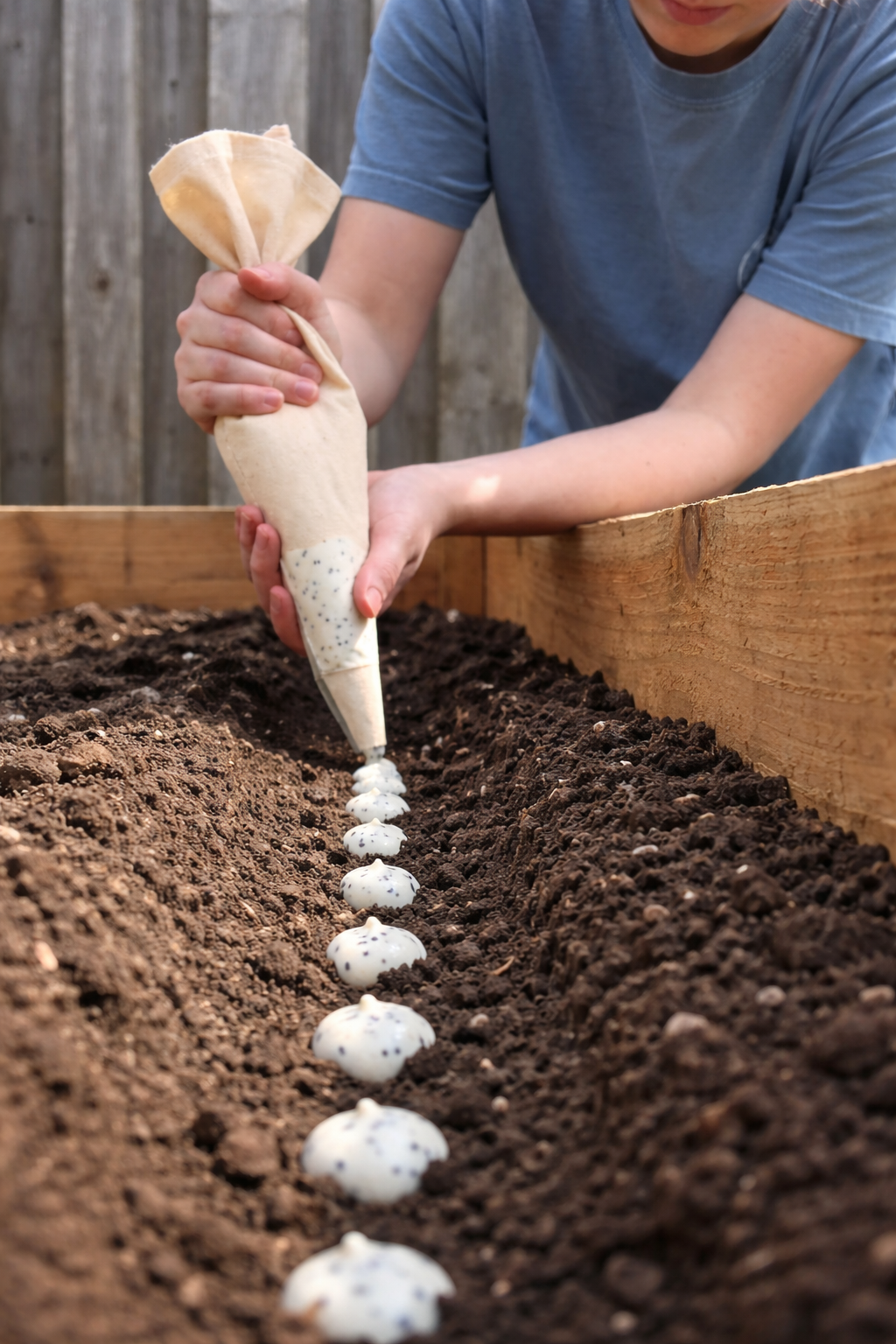
Say goodbye to crooked, stunted carrots! Discover the simple seed paste hack that ensures perfect spacing and straight roots. This easy planting technique will transform your carrot harvest. Let me tell you about the gardening trick that turned my carrot patch from a tangle of twisted roots into a picture-perfect harvest. I love growing carrots.…
-
Grow 3X More Sweet Potatoes at Home with This Simple Soil Bag Trick
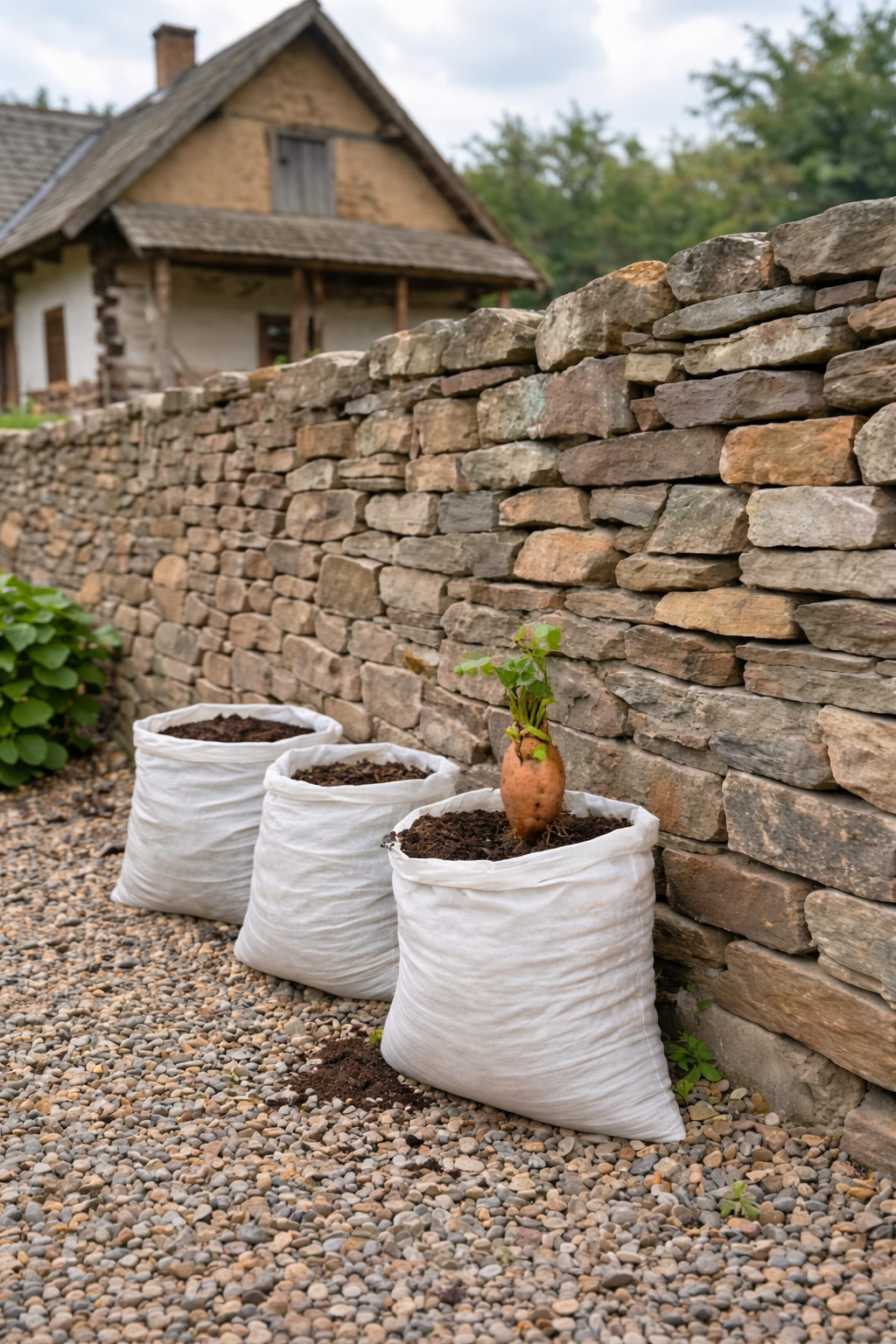
Want to grow 3 times more sweet potatoes in a small space? This clever soil bag trick is a game-changer. Learn how to plant sweet potatoes in bags for a massive harvest—perfect for small gardens and patios. Let me tell you about the gardening trick that turned my tiny patio into a sweet potato factory.…
-
Grow 3X More Sweet Potatoes at Home with This Simple Soil Bag Trick
Want to grow 3 times more sweet potatoes in a small space? This clever soil bag trick is a game-changer. Learn how to plant sweet potatoes in bags for a massive harvest—perfect for small gardens and patios. Let me tell you about the gardening trick that turned my tiny patio into a sweet potato factory.…