
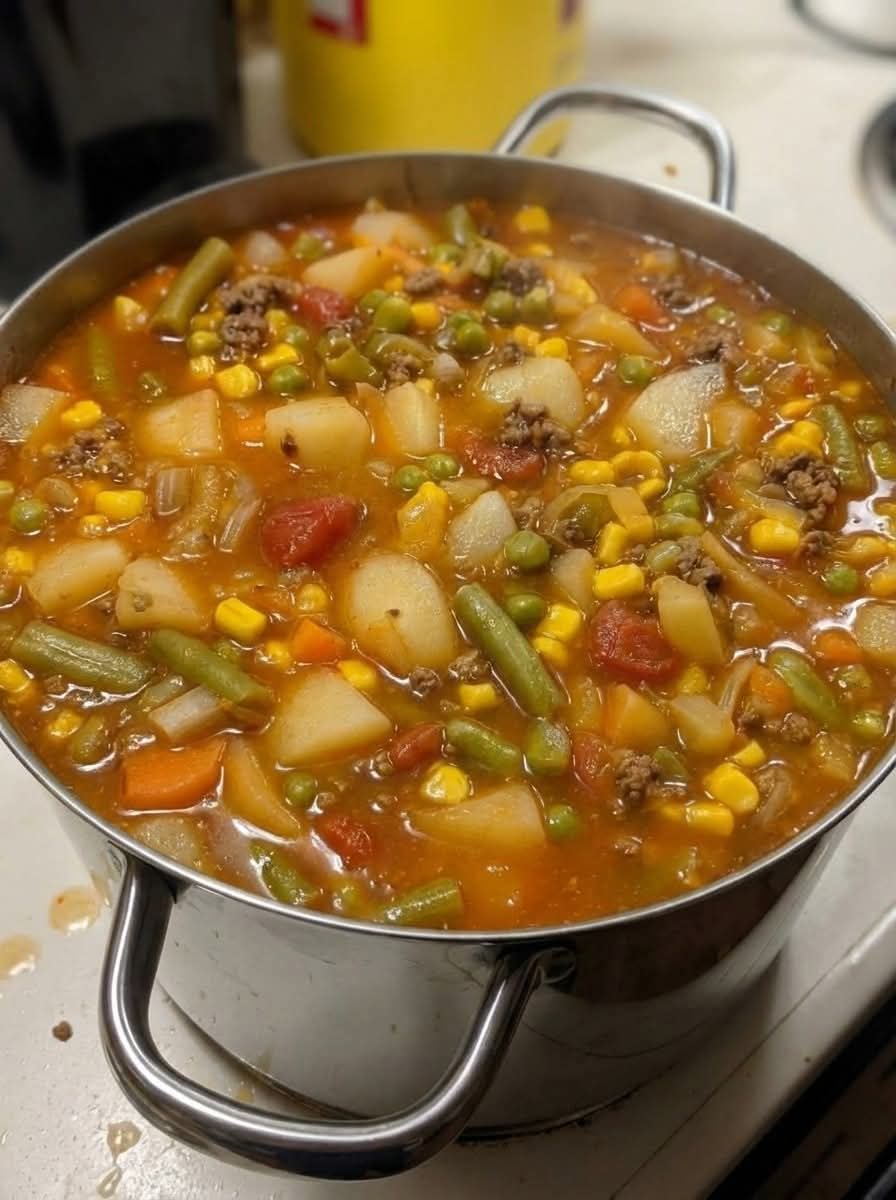
There is a profound, almost primal comfort that comes from a steaming bowl of hearty beef stew. It’s more than a meal; it’s a culinary embrace. The deep, savory aroma of tender beef, softened root vegetables, and rich, herb-infused broth promises warmth and nourishment from the inside out. Yet, for many home cooks, achieving that perfect stew—where the meat is fork-tender but not stringy, the vegetables are soft but not mushy, and the gravy is velvety and robust—can feel elusive.
This guide is your masterclass in stew-making alchemy. We will move beyond simple recipes to explore the science and soul of building layers of flavor. We’ll demystify the techniques that transform a tough chuck roast into succulent morsels and turn basic broth into a luxurious, complex sauce. Whether you swear by your slow cooker or cherish your Dutch oven, this comprehensive blueprint will equip you to create a one-pot wonder that is the undisputed champion of comfort food meals.
The Stew-Maker’s Arsenal: Essential Equipment for Deep, Developed Flavor
The difference between a good stew and a legendary one often lies in the tools. The right equipment provides control over the crucial steps of searing, deglazing, and gentle simmering, which are the foundations of flavor.
The Dutch Oven: The Undisputed King of Braising
For the absolute best flavor and texture,a heavy-bottomed Dutch oven is non-negotiable. A 5 to 7-quart enameled cast iron pot (like Le Creuset or Staub) is the ideal vessel. Its incredible heat retention and even distribution allow you to achieve a perfect, all-over sear on the beef (the Maillard reaction), then seamlessly transition to a low, steady oven braise. The tight-fitting lid traps moisture, creating a self-basting environment that slowly melts collagen into gelatin. This is the traditional, hands-on path to stew perfection.
The Slow Cooker: The Champion of Hands-Off Convenience
For a trulyset-and-forget meal, a 6-quart or larger slow cooker is your best friend. To maximize its potential, don’t skip the stovetop sear. Brown your beef in a skillet first, then transfer everything to the slow cooker. The long, low, and slow heat (8-10 hours on Low) is exceptionally gentle, practically guaranteeing tender meat. Look for a model with a removable stoneware insert (like a Crock-Pot) for easier serving and cleaning.
The Digital Kitchen Scale & Instant-Read Thermometer: Tools for Precision
Stew may seem rustic,but precision matters. A kitchen scale ensures you use the correct meat-to-vegetable ratio and properly thicken your gravy with the right amount of flour. An instant-read thermometer (like a ThermoPop) takes the guesswork out of doneness. While tenderness is the ultimate test, knowing your stew is simmering at the ideal 190-200°F (88-93°C) range—where collagen breaks down most effectively—is invaluable knowledge.
The Fat Separator & Fine-Mesh Strainer: For a Polished, Professional Gravy
After hours of cooking,you’ll have a flavorful but often fatty broth. A 4-cup fat separator lets you pour off the lean, delicious liquid while leaving the fat behind. For an ultra-smooth gravy, especially if you’ve used herbs on the stem or want a refined finish, a fine-mesh strainer is essential for removing any residual bits.
Quality Knives and a Sturdy Cutting Board
A sharpchef’s knife and a stable wooden or composite cutting board are your first line of defense. Cutting your beef chuck roast into uniform, 1.5-inch cubes ensures even cooking. Similarly, cutting vegetables like carrots, potatoes, and parsnips to a consistent size prevents some from turning to mush while others remain undercooked.
The Complete Stew-Making Toolkit:
· Dutch Oven (for the classic method) or Slow Cooker (for hands-off)
· Digital kitchen scale
· Instant-read thermometer
· Fat separator & fine-mesh strainer
· Sharp chef’s knife & cutting board
· Tongs (for turning beef)
· Wooden spoon (for deglazing)
· Ladle (for serving)
The Master Recipe: Ultimate Hearty Beef and Vegetable Stew
This recipe is engineered for maximum flavor. We use a two-tiered vegetable add-in system and a dual thickener method for the perfect gravy.
Prep Time: 45 minutes | Cook Time: 2.5 – 3 hours (Dutch Oven) or 8-10 hours (Slow Cooker) | Serves: 6-8
Ingredients:
For the Beef & Braise:
· 3 lbs beef chuck roast, cut into 1.5-inch cubes, patted very dry
· Kosher salt and freshly ground black pepper
· 3 tbsp all-purpose flour
· 3 tbsp olive oil or avocado oil
· 1 large yellow onion, diced
· 4 cloves garlic, minced
· 2 tbsp tomato paste
· 1 cup dry red wine (like Cabernet Sauvignon or Merlot)
· 4 cups beef stock (low-sodium preferred)
· 2 bay leaves
· 4 sprigs fresh thyme (or 1 tsp dried)
· 1 tbsp Worcestershire sauce
For the Vegetables (Tier 1 – Add Early):
· 3 carrots, peeled and cut into 1-inch chunks
· 3 celery stalks, cut into 1-inch chunks
· 1 parsnip, peeled and cut into 1-inch chunks (optional, for sweetness)
For the Vegetables (Tier 2 – Add Late):
· 1.5 lbs Yukon Gold potatoes, peeled and cut into 1-inch chunks
· 8 oz cremini mushrooms, halved or quartered
For the Gravy Finish:
· 2 tbsp unsalted butter, softened
· 2 tbsp all-purpose flour
· Fresh parsley, chopped (for garnish)
Step-by-Step Instructions (Dutch Oven Method):
PART 1: THE SEAR & FLAVOR FOUNDATION
Prep and Preheat: Preheat your oven to 325°F (163°C). Season the dried beef cubes generously with salt and pepper. Toss with 3 tbsp of flour until lightly coated.
Sear the Beef: In your Dutch oven over medium-high heat, add 2 tbsp of oil. Working in batches to avoid crowding, sear the beef on all sides until a deep brown crust forms, about 3-4 minutes per side. Transfer to a plate. Crowding will steam the meat; patience here builds flavor.
Sauté the Aromatics: Add the remaining oil to the pot. Add the onion, carrots, celery, and parsnip. Cook, stirring occasionally, for 5-7 minutes until the onions are soft. Add the garlic and tomato paste and cook for 1 more minute until fragrant.
Deglaze with Wine: Pour in the red wine, scraping the bottom of the pot with a wooden spoon to release all the browned bits (fond). Let it simmer and reduce by half, about 3-4 minutes.
PART 2: THE BRAISE
Combine and Simmer: Return the seared beef and any juices to the pot. Add the beef stock, bay leaves, thyme, and Worcestershire sauce. The liquid should just barely cover the meat and vegetables. Bring to a simmer on the stovetop.
Oven Braise: Cover the Dutch oven with its tight-fitting lid and transfer it to the preheated oven. Braise for 1.5 hours.
PART 3: ADD REMAINING VEGETABLES & FINISH
Add Tier 2 Veggies: Carefully remove the pot from the oven. Stir in the potatoes and mushrooms. Return to the oven, covered, and continue to braise for another 45 minutes to 1 hour, or until both the beef and potatoes are very tender.
Make the Beurre Manié (Final Thickener): In a small bowl, mash the 2 tbsp of softened butter and 2 tbsp of flour together into a smooth paste (a beurre manié). Remove the stew from the oven. Discard the bay leaves and thyme sprigs. Bring the stew to a gentle simmer on the stovetop. Whisk in the butter-flour paste in small increments. Simmer for 3-5 minutes until the gravy has thickened to a luxurious, coating consistency.
Rest and Serve: Let the stew rest, off the heat, for 15 minutes. This allows the flavors to meld and the gravy to settle. Taste and adjust seasoning with salt and pepper. Garnish with fresh parsley and serve with crusty bread.
Slow Cooker Adaptation:
Follow Part 1 (Steps 1-4) in a large skillet on the stovetop to sear the beef and sauté the aromatics. Transfer everything (including the deglazed wine sauce) to your slow cooker.
Add the Tier 1 vegetables, beef stock, herbs, and Worcestershire sauce.
Cover and cook on LOW for 8 hours.
In the last 2 hours of cooking, add the Tier 2 vegetables (potatoes and mushrooms).
At the end, ladle about 2 cups of the hot cooking liquid into a saucepan. Whisk in the beurre manié over medium heat until thickened, then stir this mixture back into the slow cooker. Let it stand on the “Warm” setting for 15 minutes before serving.
The Science of the Perfect Stew
· Meat Choice (Chuck Roast): Chuck is from the shoulder, rich in collagen. During the slow, moist heat of braising, this collagen melts into gelatin, which makes the meat tender and gives the gravy a luxurious, mouth-coating body.
· Two-Tier Vegetables: Starchy potatoes and delicate mushrooms break down if cooked for 3 hours. Adding them later preserves their texture and integrity.
· Dual Thickening: The initial flour on the beef creates a light coating that helps with searing and starts the thickening. The beurre manié at the end is a French technique that thickens without creating lumps, allowing you to perfect the gravy’s consistency after everything is cooked.
Creative Variations & Dietary Twists
· Guinness Beef Stew: Replace the red wine with a bottle of Guinness Draught for a malty, deep flavor. Add a teaspoon of brown sugar to balance the bitterness.
· French-Inspired “Boeuf Bourguignon”: Use pearl onions and lardons (thick-cut bacon). Use a full bottle of Burgundy wine and finish by sautéing the mushrooms in butter separately before adding at the end.
· Instant Pot Shortcut: Use the “Sauté” function for browning, then pressure cook on High for 35 minutes with a natural pressure release. Add the Tier 2 veggies and use “Sauté” again to simmer until tender.
· Gluten-Free: Use tapioca starch or arrowroot powder instead of flour for coating and thickening.
· Extra Vegetable-Heavy: Add diced turnips, frozen peas (in the last 5 minutes), or butternut squash cubes (add with Tier 2 veggies).
Troubleshooting & Storage FAQ
· My stew is bland. Underseasoning is common. Salt in layers: on the meat before searing, and always taste and adjust at the end. A splash of red wine vinegar or a squeeze of lemon juice at the end can brighten all the flavors.
· My gravy is too thin. Create more beurre manié (equal parts soft butter and flour) and whisk it into the simmering stew in small batches until desired thickness.
· My gravy is too thick. Thin it out with additional warm beef stock or water, a splash at a time.
· My meat is tough. It hasn’t cooked long enough. Continue simmering until it yields easily to a fork. Tough meat means insufficient time for collagen breakdown.
· How do I store and reheat? Cool completely and store in an airtight container in the refrigerator for up to 4 days. The flavor improves on day two. Reheat gently on the stovetop over low heat. You can also freeze for up to 3 months; thaw overnight in the refrigerator before reheating.
· Can I skip the wine? Yes. Substitute with an additional cup of beef stock, but consider adding a tablespoon of red wine vinegar at the end to mimic the acidity.
Conclusion: The Culinary Anchor of Home
A pot of hearty beef stew simmering on the stove or in the oven is the anchor of a well-loved home kitchen. It’s a gesture of care, a promise of sustenance, and a timeless recipe that connects us to generations of cooks before us. By mastering the techniques of searing, layering flavors, and patient braising, you claim this tradition as your own.
So, this season, choose your vessel—the steady Dutch oven or the faithful slow cooker—and begin. Let the transformative, slow magic of heat and time work on simple ingredients. What you’ll pull from the oven or lift the lid to find is more than dinner. It’s a deep, enduring, and delicious kind of comfort. It is, quite simply, home in a bowl.
More Recipes You Might Like
-

Just One Cup of This Kitchen Liquid… And Your Peace Lily Explodes With Flowers!
If you’ve ever struggled to get your peace lily to bloom, you’re not alone. Many plant lovers find that their lush green plant looks healthy—but those beautiful white flowers just don’t appear as often as expected. The good news? There’s a simple, natural plant fertilizer you can make right from your kitchen that may help…
-

Just a Few Sprays of This Simple Mix… And Your ZZ Plant Wakes Up!
Is your ZZ plant looking stuck or slow to grow? This simple homemade leaf spray cleans dust, adds shine, and supports healthier growth. Easy recipe with neem oil for pest protection. Let me share the simple spray that brought my once‑dormant ZZ plant back to life. ZZ plants (Zamioculcas zamiifolia) are famous for being nearly…
-
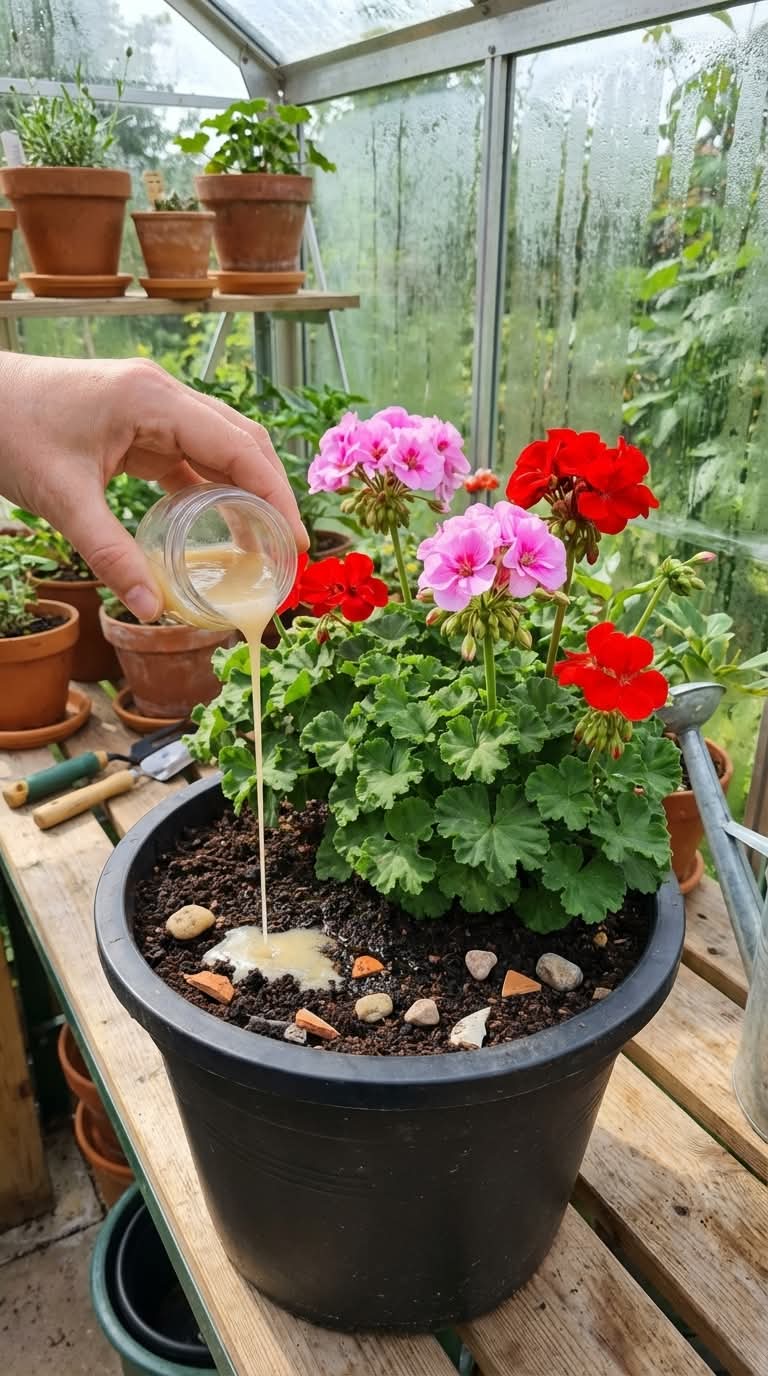
The Simple Trick That Makes Your Geraniums Bloom Bigger and Brighter – A Complete Guide
Want bigger, brighter geranium blooms? Discover the simple homemade sugar and lemon trick that boosts flowering, plus expert care tips for nonstop color all season long. Let me share the little secret that turned my average geraniums into show-stopping beauties. I’ve always loved geraniums. Their bright clusters of red, pink, white, and salmon flowers are…