
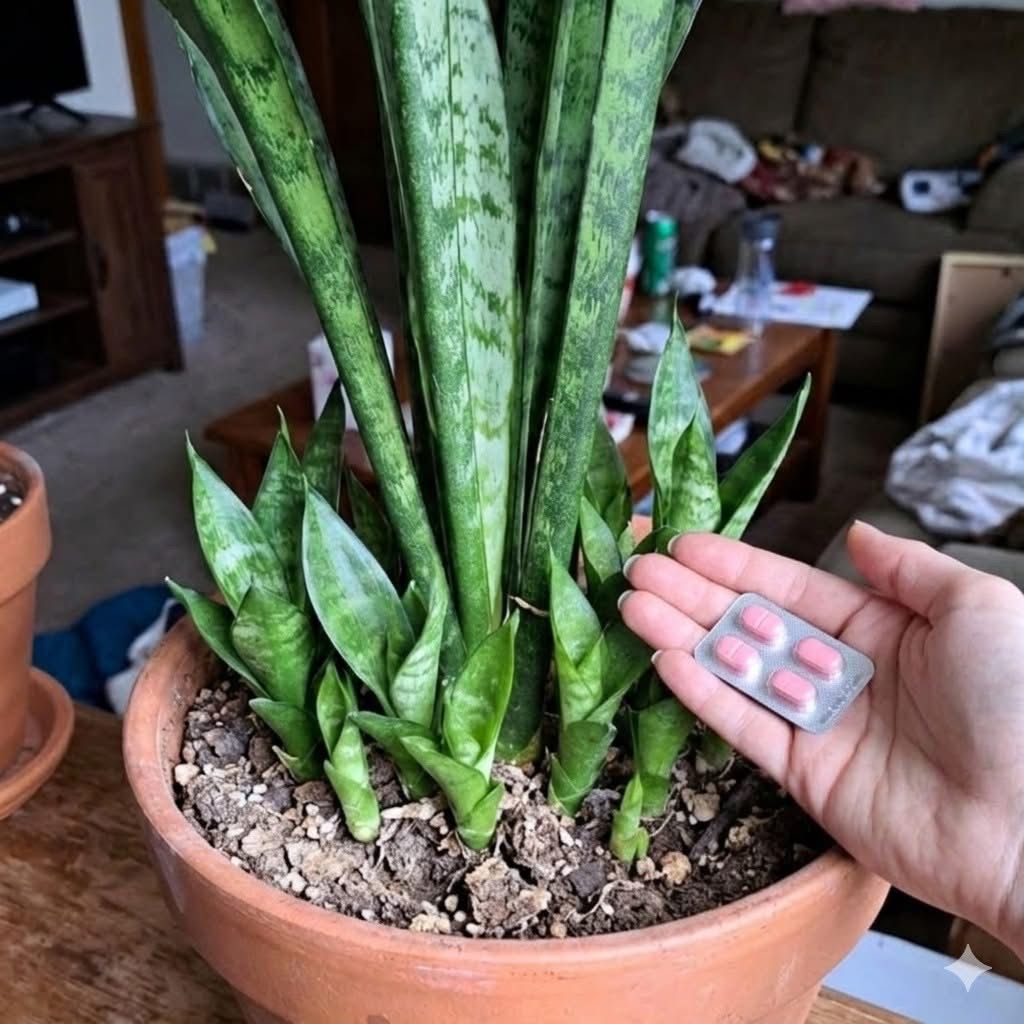
My personal journey discovering how a simple tablet fertilizer transformed my snake plant’s pup production. Here’s the exact method I used to grow fuller, healthier babies.
My Snake Plant Story: From Surviving to Thriving
For years, my snake plant sat in the corner of my living room, doing what snake plants do best—surviving. It was green, it was upright, and it was… fine. Just fine. No complaints, but no excitement either. It never gave me those adorable baby pups I’d see in other people’s plant photos.
I’d heard snake plants were supposed to multiply on their own, sending up little shoots from the soil like gifts from the plant gods. But mine? Nothing. Just the same three leaves, year after year, silently judging my plant-parenting skills.
Then I discovered the secret that changed everything: a simple tablet fertilizer, used correctly, at the right time. Within months, my plant was pushing out pups like crazy—and they were fuller, healthier, and more vigorous than anything I’d grown before.
Here’s exactly how I did it.
Understanding What Snake Plants Really Need
Before I stumbled onto the fertilizer solution, I had to understand why my snake plant wasn’t producing pups in the first place. Snake plants (Dracaena trifasciata) grow from underground stems called rhizomes—thick, root-like structures that spread beneath the soil and eventually push up new shoots . These pups are essentially clones of the mother plant.
The problem was, my plant’s rhizomes weren’t getting the signal to multiply. I learned that snake plants need several conditions aligned to trigger pup production:
· Adequate light (bright, indirect is best)
· Proper watering (let soil dry completely between drinks)
· Slight root restriction (they like being snug)
· Occasional, light feeding
I had the first three mostly right, but the feeding piece was missing. Snake plants are minimalists—they don’t need much fertilizer, but a little boost during growing season makes all the difference .
Discovering the Tablet Fertilizer Method
A friend who runs a small greenhouse mentioned she uses slow-release tablet fertilizers for her succulents. “Just push them into the soil in spring,” she said, “and forget about them for months.”
I was skeptical. Snake plants are sensitive to overfeeding—too much fertilizer causes yellow leaves, brown tips, and root burn . But the idea of a controlled-release tablet intrigued me. Unlike liquid fertilizers that deliver nutrients all at once, tablets break down slowly, giving the plant a steady, gentle supply.
I picked up a balanced tablet fertilizer formulated for houseplants—something with an NPK ratio around 10-10-10 or 20-20-20. The key was that it was designed for slow release, not quick-dissolve tablets.
My Step-by-Step Method
Here’s the exact process I followed that led to those fuller, healthier pups.
Step 1: Timing It Right
I waited until early spring, when days were getting longer and temperatures warming. Snake plants are most receptive to feeding during their active growing season—roughly April through September . Fertilizing in winter, when the plant rests, would have just sat in the soil causing potential problems.
Step 2: Watering First
This step is crucial and often overlooked. I watered my snake plant thoroughly the day before fertilizing. Never apply fertilizer to bone-dry soil—it can burn the delicate roots . Moist soil helps distribute nutrients evenly and protects roots from chemical shock.
Step 3: Placing the Tablet
Following the package instructions, I pushed one tablet about an inch into the soil, near the edge of the pot rather than right against the main stem. This placement allows nutrients to spread through the root zone as the tablet slowly dissolves.
For a 6-inch pot, one tablet was plenty. Snake plants need very little—a half-strength dose is often recommended for liquid fertilizers , and the same principle applies to tablets. Using fewer than the package recommends for “all houseplants” is actually smarter for snake plants.
Step 4: The Waiting Game
Then I waited. And waited some more. Snake plants are slow growers by nature—they don’t explode with growth overnight . For the first few weeks, nothing visible happened. But underground, the rhizomes were getting the message.
Step 5: Observing Results
About six weeks later, I noticed a tiny green spike emerging from the soil, a few inches away from the main plant. A pup! Within two months, three more appeared. And these weren’t the thin, weak-looking babies I’d seen in some photos—they were thick, sturdy, and upright right from the start.
The difference was striking. Previous attempts with liquid fertilizer had given me maybe one pup per season, and it always looked a bit spindly. The tablet-fertilized pups were noticeably fuller, with broader leaves and stronger stems.
Why Tablets Worked Better for Me
Reflecting on why this method succeeded where others hadn’t, I identified several factors:
Consistent, gentle nutrition. The slow-release tablet provided a steady trickle of nutrients over months, rather than the feast-or-famine cycle of liquid feeding . Snake plants evolved in nutrient-poor soils—they prefer small, continuous doses over big meals.
Phosphorus for root development. The balanced NPK included phosphorus, which specifically supports root and rhizome growth . Stronger rhizomes mean more pups and fuller growth.
No forgetting or overdoing. With liquid fertilizer, I either forgot to apply it or worried I’d used too much. The tablet was one-and-done for the whole season.
The Supporting Factors That Mattered
The fertilizer worked, but I also optimized other conditions to support pup production.
Light, Light, Light
I moved my plant to a brighter spot—an east-facing window where it received gentle morning sun and bright indirect light for most of the day. Snake plants tolerate low light, but they won’t produce many pups there . The energy from photosynthesis fuels new growth, and more light means more energy.
Watering Discipline
I stuck to the “soak and dry” method religiously. During the growing season, I watered thoroughly every 2-3 weeks, always checking that the top few inches of soil were completely dry first . In winter, I cut back to once a month or even less. Overwatering is the fastest way to kill a snake plant and definitely stops pup production cold .
The Right Pot Situation
My snake plant was in a pot that felt slightly snug—about an inch of space around the root ball. Snake plants actually produce more pups when they’re a bit root-bound . The mild stress triggers their survival instinct to reproduce. Too much space, and they focus on root growth instead of babies.
Warmth Matters
I kept the plant away from drafty windows and air conditioning vents. Snake plants prefer temperatures between 70-90°F during the day . Consistent warmth signals that conditions are good for reproduction.
What I Learned About Tablet Types
Not all tablet fertilizers are created equal. Through trial and error, I discovered:
Balanced formulations (like 10-10-10) work best. High-nitrogen fertilizers pushed leaf growth but not pups . The phosphorus in balanced formulas specifically encourages root and rhizome development.
Slow-release is essential. Quick-dissolve tablets dumped nutrients too fast and caused leaf tip burn. True slow-release formulas break down over weeks or months.
One tablet per season is plenty. Snake plants need so little food that even one tablet can be enough for the entire growing season . More is definitely not better.
Timeline: What to Expect
If you try this method, here’s roughly what you can expect:
· Week 1-2: Nothing visible. The tablet is slowly breaking down.
· Week 3-4: Plant may look slightly greener or perkier.
· Week 6-8: First pup may appear—a tiny green spike pushing through soil.
· Month 3-4: Pups grow taller and fill out. Multiple pups may appear.
· Month 6: Pups may be large enough to separate (4-6 inches tall) .
Patience is the hardest part. Snake plants operate on their own timeline, not ours.
Common Mistakes I Made (So You Don’t Have To)
My journey wasn’t perfectly smooth. Here are the pitfalls I encountered:
Using too many tablets. The first year, I thought “if one is good, two must be better.” Wrong. The excess nutrients caused salt buildup, and the leaf tips turned brown. I had to flush the soil repeatedly to fix it.
Fertilizing in winter. I tried feeding in November once, thinking I’d get a head start on spring. The plant just sat there, and the nutrients likely sat unused in the soil .
Forgetting to water first. Applying tablet fertilizer to bone-dry soil stressed the roots. Now I always pre-water.
Ignoring light needs. The fertilizer worked better when the plant had adequate light. In darker corners, the same routine produced far fewer pups .
Separating and Potting the Fuller Pups
Once my pups reached about 4 inches tall, I separated them from the mother plant . Here’s my technique:
- Gently remove the entire plant from its pot
- Brush away soil to expose the rhizomes connecting pups to mother
- Use a sharp, sterile knife to cut the rhizome, keeping as many roots with the pup as possible
- Allow cut surfaces to dry for 24 hours (prevents rot)
- Plant each pup in its own small pot with well-draining succulent mix
- Water lightly and place in bright, indirect light
The pups from my tablet-fertilized mother plant were noticeably easier to separate—they had more robust root systems and thicker rhizomes. They settled into their new pots with zero transplant shock and are now thriving on their own.
The Results: Fuller Pups, Happier Plant
Two years into this method, my original snake plant has produced over a dozen pups. Some I’ve kept, others I’ve given to friends. Every single one has been fuller and healthier than anything I grew before.
The mother plant itself looks better too—thicker leaves, richer color, more upright growth. The gentle, consistent nutrition from those simple tablets transformed a plant I thought was “fine” into one that’s genuinely thriving.
Final Thoughts: Simple Really Works
If you’re struggling to get snake plant pups, or if your pups come out thin and weak, try the tablet fertilizer method. One tablet, placed in spring, with proper light and watering, might be all your plant needs.
Snake plants don’t ask for much. But when you give them that little extra—at the right time, in the right way—they respond in ways that surprise you. My plant went from a silent green roommate to a proud parent, producing baby after baby.
And honestly? Watching those pups emerge, thick and strong, is one of the most satisfying feelings in plant parenting.
Frequently Asked Questions
Q: What specific tablet fertilizer should I use?
A: Look for a balanced, slow-release houseplant fertilizer with an NPK ratio around 10-10-10 or 20-20-20. Avoid high-nitrogen formulations. Brands like Osmocote work well—just use half the recommended amount .
Q: How often should I apply tablet fertilizer?
A: Once per growing season is plenty. Apply in early spring, and don’t reapply until the following year . Snake plants need very little food.
Q: Can I use liquid fertilizer instead of tablets?
A: Yes, but dilute it to half or even quarter strength, and apply once a month during growing season . Tablets are easier because they’re one-and-done.
Q: How long until I see pups?
A: Be patient. It can take several months for pups to appear, even with perfect care . You might see the first signs in 6-8 weeks, but full growth takes time.
Q: Should I fertilize right after repotting?
A: No. Wait at least 4-5 weeks after repotting before fertilizing . The plant needs time to settle and recover from root disturbance.
Q: Can I use this method for other succulents?
A: Yes, with caution. Most succulents appreciate light feeding during growing season. Adjust based on the specific plant’s needs—some want even less food than snake plants.
Q: My leaf tips turned brown after fertilizing. What happened?
A: Likely over-fertilization or applying to dry soil. Flush the soil thoroughly with water to remove excess salts, and pause feeding for several months .
Have you tried fertilizing your snake plant? I’d love to hear about your results in the comments.
More Ideas You Might Like
-
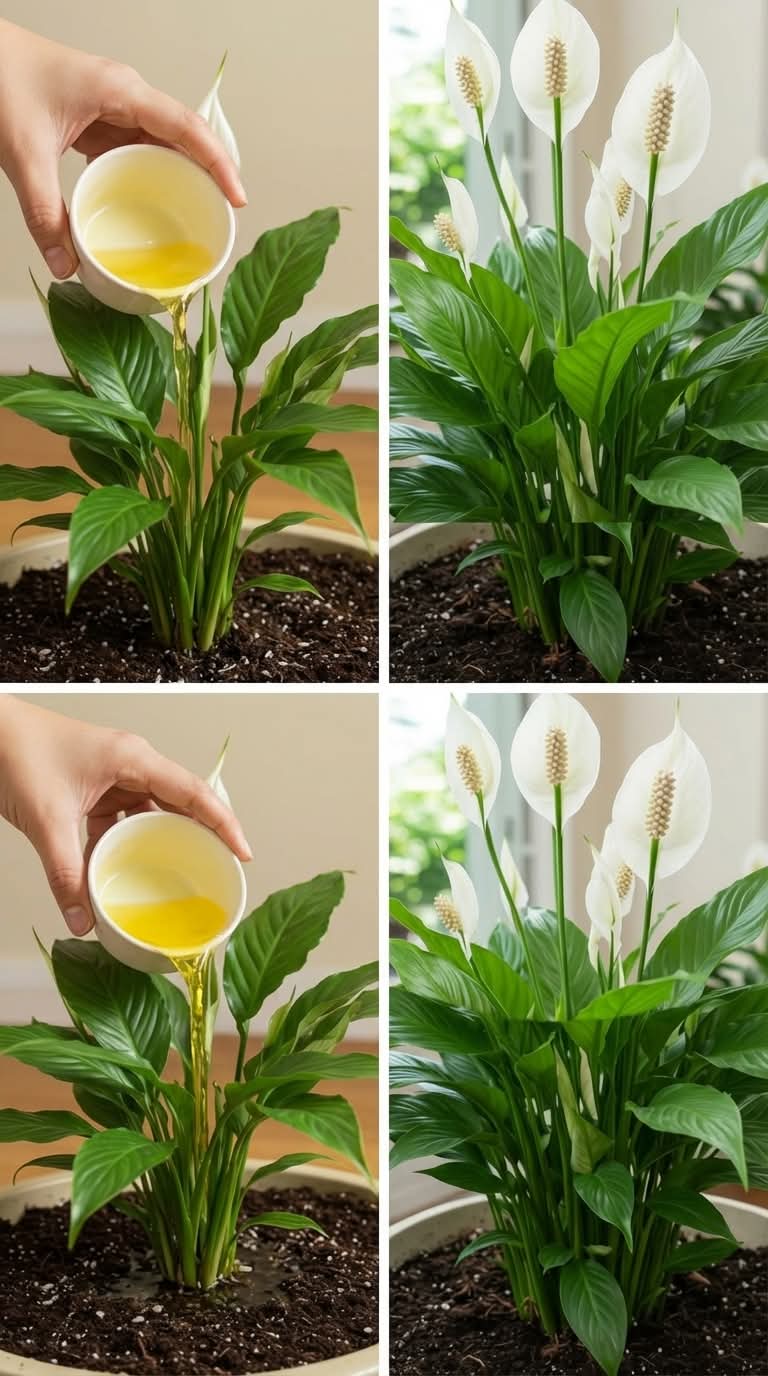
Just One Cup of This Kitchen Liquid… And Your Peace Lily Explodes With Flowers!
If you’ve ever struggled to get your peace lily to bloom, you’re not alone. Many plant lovers find that their lush green plant looks healthy—but those beautiful white flowers just don’t appear as often as expected. The good news? There’s a simple, natural plant fertilizer you can make right from your kitchen that may help…
-
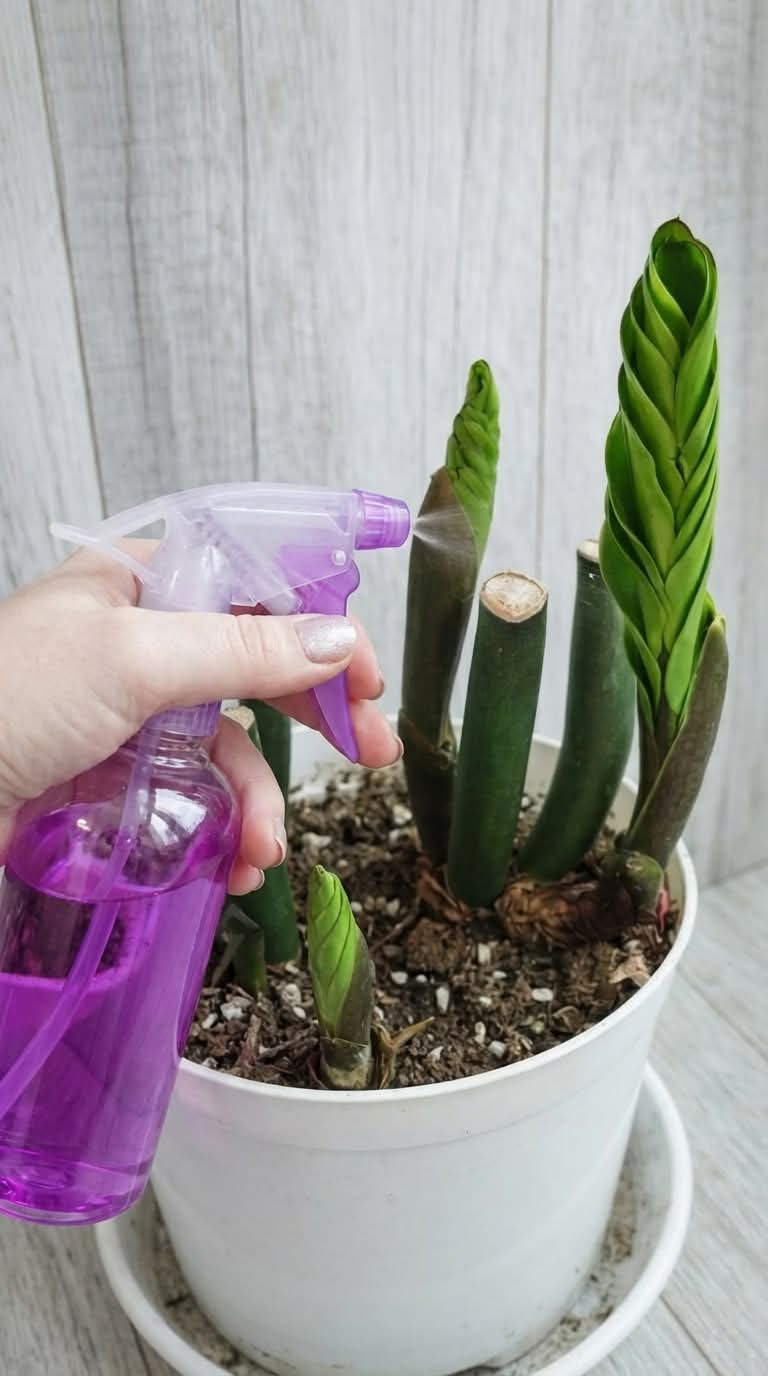
Just a Few Sprays of This Simple Mix… And Your ZZ Plant Wakes Up!
Is your ZZ plant looking stuck or slow to grow? This simple homemade leaf spray cleans dust, adds shine, and supports healthier growth. Easy recipe with neem oil for pest protection. Let me share the simple spray that brought my once‑dormant ZZ plant back to life. ZZ plants (Zamioculcas zamiifolia) are famous for being nearly…
-
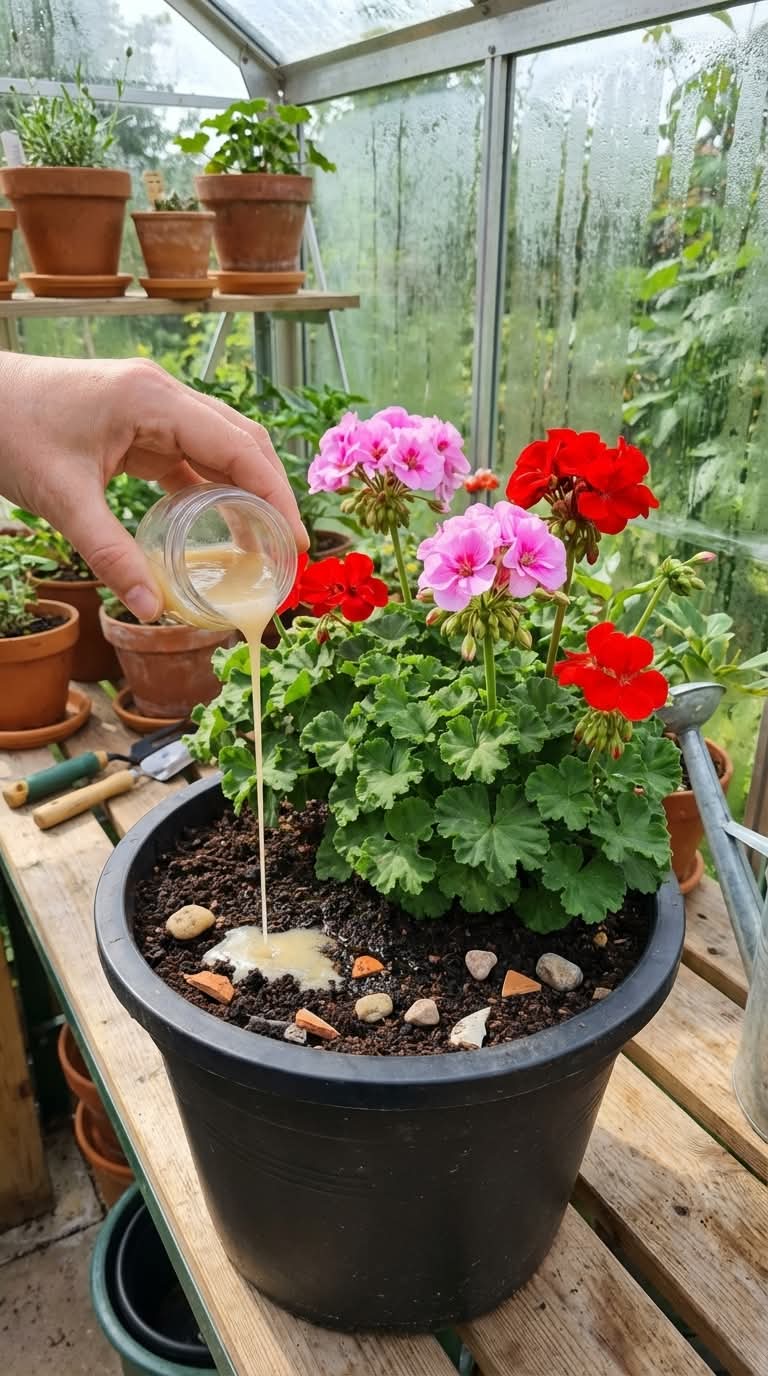
The Simple Trick That Makes Your Geraniums Bloom Bigger and Brighter – A Complete Guide
Want bigger, brighter geranium blooms? Discover the simple homemade sugar and lemon trick that boosts flowering, plus expert care tips for nonstop color all season long. Let me share the little secret that turned my average geraniums into show-stopping beauties. I’ve always loved geraniums. Their bright clusters of red, pink, white, and salmon flowers are…