Better Light Changed Everythin
Peace lilies can survive in lower light, but blooming is much better in bright, indirect light.
Once I moved mine to a brighter spot, the difference was obvious:
· Leaves looked richer and healthier.
· New growth came in stronger.
· Flowers lasted longer.
Ideal Light for Peace Lilies
Light Level Effect
Low light (north window, dark corner) Survives, but rarely blooms.
Medium light (few feet from east/west window) Occasional blooms, slower growth.
Bright, indirect (right by east/west window) Regular blooms, lush growth.
Direct sun Leaf scorch – brown patches.
Pro tip: If your peace lily hasn’t bloomed in over a year, move it closer to a window. You’ll likely see buds within weeks.
I Cleaned Up the Plant – Simple but Powerful
This step is simple but makes a huge difference.
I removed:
· Yellow leaves – cut at the base.
· Damaged foliage – brown or torn leaves.
· Old fading blooms – cut the flower stalk at the base.
That made the plant look better immediately, but it also helped it redirect energy into fresh growth and new flowers instead of wasting strength on parts that were already finished.
How to Prune a Peace Lily
· Use clean, sharp scissors.
· Cut yellow or brown leaves at the base.
· Remove spent flowers by cutting the stalk as low as possible.
· Do not remove more than ⅓ of the leaves at once.
Humidity Mattered More Than I Expected
Peace lilies love a bit of humidity. When the air is too dry, leaves can crisp at the edges and flowers may fade faster.
I did not do anything complicated. I just made sure the plant was not in a harsh, dry location and kept the environment a little more stable.
How to Increase Humidity
· Pebble tray – place the pot on a tray of water and pebbles (pot sits on pebbles, not in water).
· Humidifier – the most effective method.
· Group plants – cluster houseplants together.
· Light misting – in the morning, avoid wetting flowers.
That helped the leaves stay softer and the blooms look fresher for longer.
The Feeding Routine That Helped (No Hacks)
Instead of using random kitchen concoctions, I used a light, balanced feeding approach.
A peace lily does not need heavy fertilizer, but a tired plant in old soil can respond well to a gentle nutrient boost during active growth. Once the roots were no longer stressed and the light was better, feeding lightly helped support stronger foliage and better blooming.
Safe Feeding Guidelines
· When: Spring and summer (active growing season).
· What: Balanced liquid fertilizer (e.g., 20-20-10 or 10-10-10) diluted to half strength.
· Frequency: Once a month.
· Stop: In fall and winter.
The key was moderation. Too much feeding can create even more stress, especially in a plant that is already struggling.
Signs of over‑fertilizing: Brown leaf tips, white crust on soil, yellowing leaves.
What Changed After I Fixed the Basics (Real Results)
The recovery was not instant, but it was clear.
I started noticing:
· Firmer, more upright leaves – no more drooping.
· Deeper green color – rich, glossy foliage.
· A fuller shape – the plant looked lush.
· Flowers lasting longer – blooms stayed fresh for 2–3 weeks.
· Less overall drooping – the plant looked settled and happy.
That is what made it feel like the peace lily had been revived. Not because of one miracle product, but because the plant finally had the right conditions to recover.
The Real Secret to Longer Blooms
If you want peace lily flowers to last longer, focus on reducing stress.
That means:
· Stable light – bright, indirect, consistent.
· Careful watering – let the top inch dry out.
· Decent humidity – 50–60%.
· Healthy roots – well‑draining soil, proper pot.
· Removing faded blooms on time – redirects energy.
Longer‑lasting flowers usually come from a plant that feels balanced, not from a dramatic trick.
Common Mistakes to Avoid
If your peace lily looks tired, avoid these common pitfalls:
Mistake Why It’s Harmful Correct Approach
Watering too often Root rot, yellow leaves Let top inch dry before watering.
Leaving it in very dark corners No blooms, weak growth Move to bright indirect light.
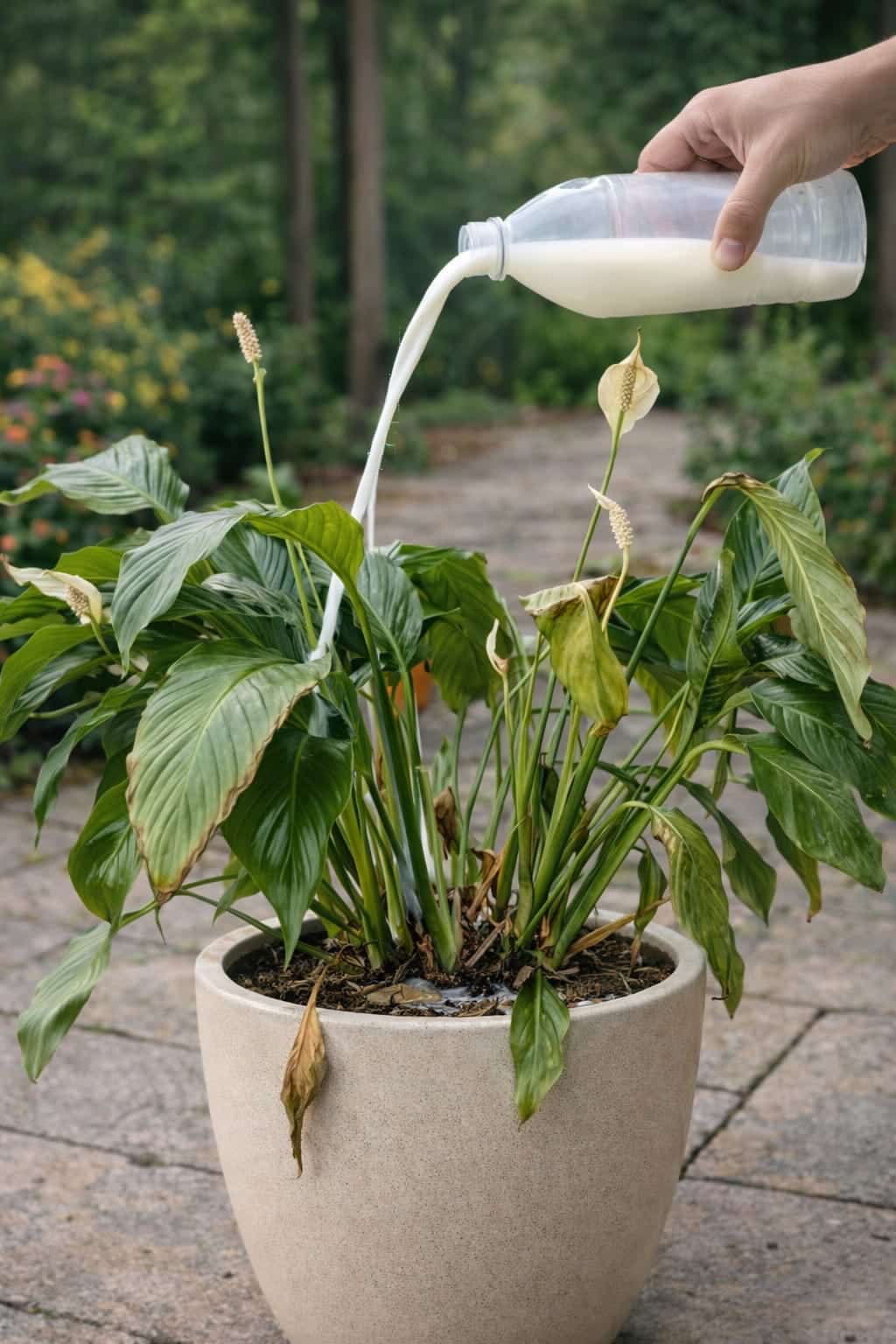
Pouring kitchen mixtures into the soil Sours, attracts pests, causes odor Use plain water or diluted fertilizer.
Ignoring drainage Waterlogged roots, rot Use pots with drainage holes.
Letting old blooms and damaged leaves stay too long Wastes energy Prune regularly.
These little mistakes add up fast. Fix them, and your peace lily will thank you.
Peace Lily Care Checklist – For Revival and Longer Blooms
☐ Place in bright, indirect light (east or north window)
☐ Use a pot with drainage holes (terracotta preferred)
☐ Fill with well‑draining potting mix (add perlite)
☐ Water when top inch of soil is dry
☐ Water thoroughly, then empty saucer
☐ Use filtered or distilled water to prevent brown tips
☐ Maintain humidity 50–60% (pebble tray or humidifier)
☐ Keep temperature 65–80°F (18–27°C), avoid drafts
☐ Fertilize with diluted balanced fertilizer once a month in spring/summer
☐ Remove spent flowers and yellow leaves
☐ Wipe leaves with damp cloth monthly
☐ Repot every 1–2 years when root‑bound
Troubleshooting – Common Peace Lily Problems & Solutions
Problem Likely Cause Solution
Drooping leaves Underwatering or overwatering Check soil; if dry, water; if wet, let dry.
Yellow leaves Overwatering or poor drainage Let soil dry; repot with fresh mix if needed.
Brown leaf tips Low humidity or fluoride in tap water Use filtered water; increase humidity.
No blooms Insufficient light Move to brighter indirect light.
Flowers fading quickly Stress from temperature or watering Stabilize conditions; water consistently.
Leggy growth Low light Move to brighter spot.
White mold on soil Excess moisture or poor airflow Scrape off; improve air circulation.
Frequently Asked Questions (FAQs)
Q: How often should I water my peace lily?
A: When the top inch of soil feels dry. In typical indoor conditions, every 7–10 days.
Q: Can I use milk or rice water on my peace lily?
A: Not recommended. These can sour, attract pests, and cause odor. Stick to plain water or diluted fertilizer.
Q: Why are my peace lily leaves turning yellow?
A: Most common cause: overwatering. Check soil moisture and drainage.
Q: How do I make my peace lily bloom more?
A: Provide bright indirect light, consistent watering, moderate humidity, and light feeding during spring/summer.
Q: Should I cut off brown leaf tips?
A: Yes – trim just the brown part, following the natural leaf shape. This improves appearance.
Q: How long do peace lily blooms last?
A: With good care, each bloom can last 2–4 weeks. A healthy plant can produce new blooms multiple times a year.
Q: Is it better to bottom‑water a peace lily?
A: Top‑watering is fine as long as you water thoroughly and empty the saucer. Bottom‑watering can help avoid wetting leaves.
Q: Why is my peace lily drooping after watering?
A: If the soil is wet and leaves are drooping, you may have root rot. Check roots and repot if necessary.
Final Thoughts – A Peace Lily That Thrives, Not Just Survives
Reviving my peace lily was not about finding a magic shortcut. It was about fixing the basics and stopping the habits that were quietly making it worse.
Once I gave it:
· Better light – bright, indirect.
· Smarter watering – let the top inch dry.
· Healthier cleanup – remove old leaves and spent blooms.
· Lighter, more balanced care – no kitchen hacks.
…the plant responded beautifully.
And that is the best part about peace lilies. When they finally get what they need, they show you. They do not just survive. They become lush, graceful, and full of life again.
Now it’s your turn! Have you revived a struggling peace lily? What worked for you – better light, less water, or something else? Drop a comment below – I’d love to hear your experience.
And if you found this guide helpful, share it with a friend who loves peace lilies. Pin it for later, and subscribe to our newsletter for more practical plant care.
Stay bright, stay consistent, and watch your peace lily bloom. 🌿🤍✨