
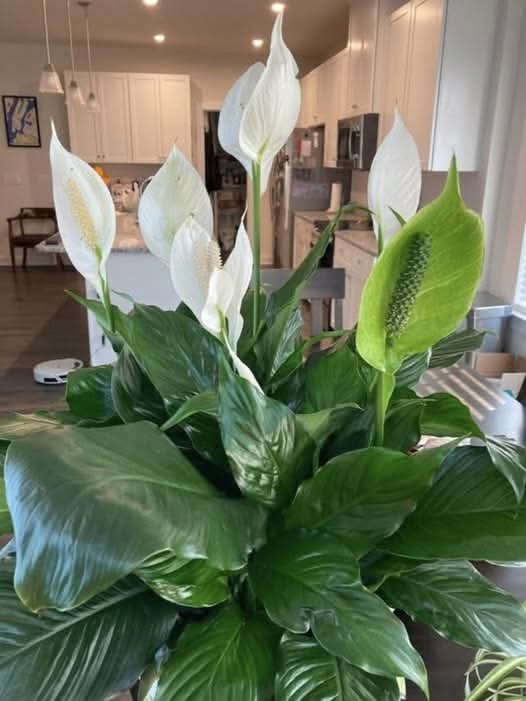
Peace lilies (Spathiphyllum) are beautiful houseplants that are known for their elegant white flowers and glossy green leaves. But if you’ve ever had a peace lily in your home, you might have noticed that it doesn’t bloom as often as you’d like. Getting your peace lily to bloom more can require some attention and care, but with the right approach, you’ll be able to enjoy its stunning flowers year-round. Whether you’re a beginner or an experienced plant lover, here’s a comprehensive guide on how to get your peace lily to flower more.
Why Does My Peace Lily Not Bloom?
Before we get into how to encourage your peace lily to bloom, it’s important to understand why it might not be flowering in the first place. Here are a few common reasons:
Lack of Proper Light: Peace lilies need bright, indirect light to flower properly. Too little light can prevent the plant from blooming, while too much direct sunlight can scorch its leaves.
Temperature Stress: Peace lilies thrive in warm temperatures. If your plant is exposed to cold drafts or fluctuating temperatures, it may not bloom.
Inconsistent Watering: Overwatering or underwatering can stress the peace lily and prevent it from blooming. The plant needs moist but not soggy soil.
Nutrient Deficiency: Peace lilies are heavy feeders and require regular fertilization to bloom. A lack of nutrients can stunt flower production.
Size of the Plant: If your peace lily is too small or has not reached maturity, it may not flower. Peace lilies generally start blooming after they reach a certain size or age.
How to Encourage Your Peace Lily to Bloom
Now that you know the potential reasons behind a lack of blooms, let’s go over the key steps to encourage your peace lily to flower more.
1. Provide the Right Lighting
Lighting is one of the most important factors in getting your peace lily to flower. Peace lilies prefer bright, indirect light. Too much direct sunlight can burn the leaves, while too little light can prevent flowering.
Ideal Light Conditions: Place your peace lily in a location with plenty of natural light but avoid direct sunlight, as this can cause the leaves to turn yellow or brown.
Artificial Light: If you don’t have access to natural light, you can also use fluorescent or LED grow lights to supplement lighting. Just make sure to place the light above the plant and not too close to prevent heat stress.
2. Keep the Temperature Just Right
Peace lilies thrive in temperatures between 65°F and 80°F (18°C to 27°C). If the temperature is too low or fluctuates, the plant may not flower.
Avoid Cold Drafts: Make sure your peace lily isn’t near air conditioning units, heaters, or windows that let in cold drafts. These temperature changes can stress the plant and cause it to drop its flowers or fail to bloom altogether.
Ideal Location: A temperature-controlled room away from drafts is the best environment for a peace lily to thrive.
3. Water Correctly
Watering is crucial for maintaining a healthy peace lily that blooms regularly. Both overwatering and underwatering can stress the plant and prevent flowering.
Moisture Levels: The soil should be kept evenly moist but not soggy. Water the plant when the top inch of soil feels dry to the touch. Be sure to drain any excess water from the saucer to avoid root rot.
Avoid Standing Water: Ensure that the peace lily’s pot has drainage holes. Standing water in the bottom of the pot can lead to root rot, which can prevent flowering.
4. Fertilize Regularly
Peace lilies are heavy feeders and require regular feeding to encourage blooming. Lack of nutrients can prevent the plant from flowering.
Use Balanced Fertilizer: Fertilize your peace lily with a balanced, water-soluble fertilizer (such as 10-10-10 or 20-20-20) once a month during the growing season (spring and summer).
Avoid Over-Fertilizing: Too much fertilizer can damage the plant, so be sure to follow the manufacturer’s instructions. It’s also a good idea to flush the soil with water every few months to remove any buildup of salts from the fertilizer.
5. Repot When Necessary
As your peace lily grows, it may become root-bound, meaning the roots take up all the space in the pot. This can hinder the plant’s ability to grow and bloom.
Repotting Tip: Repot your peace lily every 1-2 years, or when you notice the roots starting to outgrow the pot. Choose a pot that’s 1-2 inches larger in diameter than the current one to allow room for growth.
New Soil: When repotting, use a well-draining potting mix that’s rich in organic matter to ensure your plant has the nutrients it needs to thrive.
6. Trim Dead or Yellowing Leaves
While peace lilies are relatively low-maintenance, dead or yellowing leaves can detract from its overall appearance and may even affect blooming.
Regular Pruning: Regularly remove any dead or damaged leaves by cutting them at the base. This helps the plant focus its energy on producing new growth and flowers.
Don’t Cut the Flowers: Avoid cutting the flower spikes unless they’re completely spent. The flowers typically last for several weeks, and cutting them prematurely can prevent new blooms from forming.
7. Give Your Peace Lily a Rest Period
Sometimes, peace lilies need a period of dormancy to stimulate blooming. After a period of growth and flowering, let your plant rest for a few weeks.
Rest Period: In the fall or winter, when the plant is less actively growing, reduce watering and fertilization. This period of rest will encourage the plant to bloom again when it’s ready.
8. Be Patient!
Finally, patience is key when it comes to getting your peace lily to flower more. It may take a few months for the plant to adjust to its new conditions and start blooming again. Once it does, it will reward you with its elegant, white flowers.
Mature Plant: Keep in mind that peace lilies usually start blooming when they reach a certain size or age. If your plant is still young, give it some time to grow before expecting flowers.
Common Issues That Affect Peace Lily Blooms
Even with the best care, there may be times when your peace lily fails to bloom. Here are some common problems and their solutions:
Brown Leaf Tips: Brown tips are often a sign of overwatering or low humidity. Ensure the plant is in a location with good drainage and humidity levels above 40%.
Yellowing Leaves: Yellow leaves can be a result of poor lighting, too much water, or nutrient deficiencies. Ensure the plant is in the right light conditions and adjust watering as needed.
Lack of Flowers: If your peace lily isn’t blooming, check if it’s getting enough light and nutrients. Also, make sure it isn’t root-bound and that the plant is mature enough to bloom.
Conclusion: Enjoy Your Gorgeous Peace Lily Blooms
Getting your peace lily to flower more is a rewarding experience that takes time, patience, and the right care. By providing your plant with the right amount of light, water, nutrients, and temperature, you’ll help it thrive and bloom regularly. With consistent care and attention, your peace lily will reward you with its stunning white flowers, adding a touch of elegance to your home.
Follow these tips and tricks, and you’ll soon have a flourishing peace lily that’s the centerpiece of any room. Happy planting!
More Recipes You Might Like
-

Amazing Forgotten Chicken: The Simplest, Juiciest One-Pan Dinner
Discover the magic of Forgotten Chicken—a one-pan casserole with chicken, rice, and soup that you just mix, bake, and forget. Perfect for busy nights. Ready in minutes! Let me tell you about the dish that has saved my sanity more times than I can count. It’s called Forgotten Chicken—because you literally mix everything together, pop…
-

Cheesy Garlic Pull Apart Bread: The Ultimate Shareable Appetizer
Discover the best cheesy garlic pull-apart bread recipe! Soft, fluffy bread stuffed with garlic butter and gooey mozzarella, baked to golden perfection. Perfect for parties, game day, or any gathering. Let me introduce you to the appetizer that disappears faster than you can say “pass the bread.” I first made cheesy garlic pull-apart bread for…
-

Herb Seasoned Slow Cooker Chicken: The Easiest, Most Flavorful Dinner
Put raw chicken in your slow cooker with a few simple seasonings, and come home to the most tender, juicy, flavorful chicken you’ve ever tasted. This easy recipe is a game-changer for busy nights. Let me tell you about the morning that changed my dinner routine forever. I had a whole chicken thawed in the…