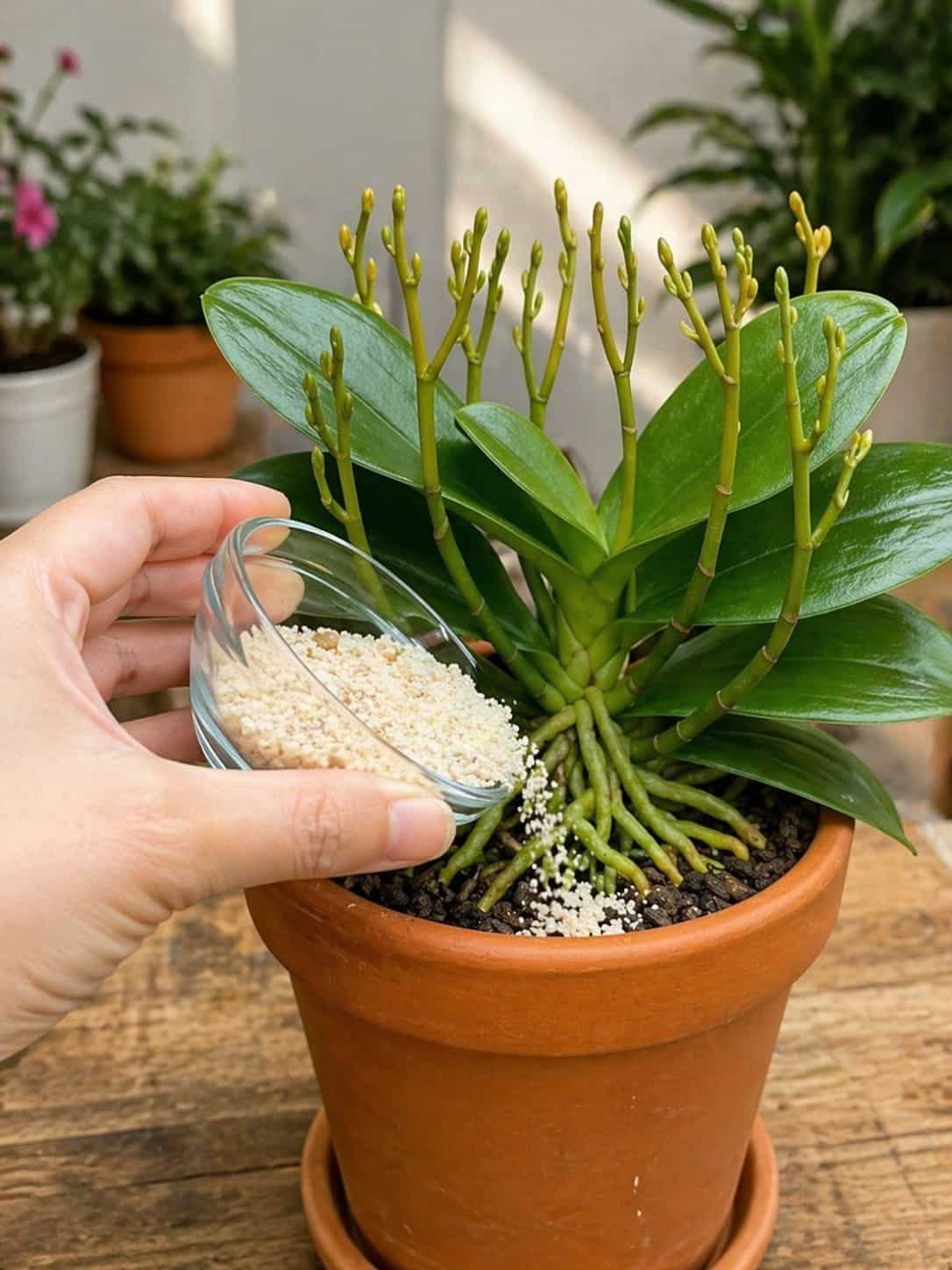
Orchids are beautiful, elegant, and often misunderstood. Many beginners think they need expensive fertilizers or complicated care routines to stay healthy, grow strong roots, and bloom again. That is why simple home methods get so much attention — especially rice‑based plant care.
And yes, rice can be useful.
But the secret is not dumping dry rice or heavy rice scraps directly into the pot. The safer and smarter method is using properly diluted rice water as a light homemade orchid tonic. When used correctly, it can support healthier growth, cleaner root development, and better overall plant vigor without overwhelming the plant.
The key is simple: light, diluted, occasional use.
In this guide, you will learn exactly how to make and use rice water for orchids, why it works, when it helps, when it harms, and — most importantly — how to keep your orchid’s roots healthy and thriving for years.
Why Rice Is Used in Plant Care
Rice water has been used in traditional gardening for generations. It is the cloudy liquid left after rinsing or soaking uncooked rice. That cloudiness comes from starches, trace minerals (potassium, phosphorus, magnesium, and zinc), and small amounts of B vitamins.
For orchids, a mild rice‑water rinse may help by:
· Offering a small amount of natural nutrients – Especially potassium, which supports overall plant health.
· Supporting root‑zone activity – The mild organic compounds may encourage beneficial microbes.
· Giving weak plants a light boost during active growth – A gentle supplement when the plant is already healthy.
· Working as a simple homemade supplement – Between regular fertilizing routines.
But it is important to understand what rice cannot do. Rice is not a complete orchid fertilizer. It will not replace proper orchid food, bright indirect light, healthy bark mix, careful watering, or good airflow. It works best as a small support method, not a miracle cure.
The Biggest Mistake People Make with Rice and Orchids
Many people see viral posts showing powders, crushed rice, or thick starchy mixtures poured into orchid pots. That is risky.
Orchid roots need:
· Air – They are epiphytes; they breathe through their roots.
· Drainage – Water must flow through quickly.
· Clean moisture cycles – Wet, then dry.
Heavy rice residue can:
· Sit in the bark and block airflow.
· Hold too much moisture, leading to rot.
· Sour over time, creating a foul smell.
· Attract mold, fungus gnats, or other pests.
· Stress delicate roots.
That is why the best rice method for orchids is strained, diluted rice water, not raw rice or thick paste. Never put uncooked rice grains into an orchid pot. They will swell, rot, and cause more harm than good.
How to Make Rice Water for Orchids (Safe, Simple Methods)
You can make rice water in two easy ways. Both require dilution before use.
Option 1 – Quick Rinse Method
- Take ½ cup of uncooked plain white or brown rice.
- Rinse it in a fine‑mesh strainer with cool water.
- Swirl gently for 30 seconds until the water turns slightly cloudy.
- Collect the rinse water in a bowl.
- Strain out all rice solids — use only the liquid.
- Dilute the liquid with an equal amount of fresh water (1 part rice water to 1 part fresh water).
- Use within 24 hours.
Option 2 – Soak Method
- Place ½ cup of rice in a bowl with 2 cups of water.
- Let it soak for 20–30 minutes, stirring occasionally.
- Strain out the rice completely (you can cook and eat it).
- Keep only the soaking liquid.
- Dilute with an equal amount of fresh water.
- Use within 24 hours.
Important: The liquid should be light and thin, like weak tea, not thick or sticky. If it looks milky white, dilute it more.
How to Use Rice Water on Orchids (The Right Way)
For orchids, less is more. Follow these guidelines for safe application.
Best Method:
· Use rice water as a light root‑zone watering only.
· Pour it slowly through the pot, letting it run through the bark.
· Allow the pot to drain completely — never leave it sitting in the liquid.
· Do not pour rice water into the crown (center of the leaves) — this causes crown rot.
· Do not spray it on leaves or flowers.
How Often?
Rice water should be used sparingly. A simple schedule is:
· Once every 2–4 weeks during active growth (spring and summer).
· Stop in fall and winter when orchids rest.
· Do not use it with every watering — alternate with plain water.
What to Avoid:
· Do not pour thick rice slurry into the bark.
· Do not leave rice grains in the pot.
· Do not use sour or fermented rice water unless you are an experienced grower managing a specific fermentation process.
· Do not use rice water on orchids that are newly repotted, stressed, or showing signs of root rot.
Why Orchids Need Extra Caution with Any Homemade Treatment
Orchids are not like ordinary potted plants in dense soil. Most common orchids, especially Phalaenopsis (moth orchids), grow best in airy media like bark because their roots need oxygen. In nature, they attach to trees with their roots exposed to air and rain.
That means anything thick, soggy, or decomposing in the pot can become a problem fast. Bark already breaks down over time; adding organic starches accelerates that breakdown and can create a soggy, anaerobic environment.
If you want healthy orchids, always protect the roots first. That means:
· Fast drainage – Use pots with holes and chunky bark.
· Fresh bark – Repot every 1–2 years.
· Good airflow – A gentle fan helps.
· Clean water – Filtered or rainwater is best.
· Gentle feeding – A balanced orchid fertilizer is still more reliable.
Rice water only helps when those basics are already in place.
Signs Your Orchid Is Responding Well to Rice Water
If your orchid likes the routine and the rest of its care is good, you may notice gradual improvements over several weeks:
· Firmer leaves – No more wrinkling or limpness.
· Fresh green root tips – Active growth at the root ends.
· Stronger root development – More roots, thicker roots.
· Better overall vigor – The plant looks healthier.
· Improved recovery after stress – Faster bounce‑back from repotting.
These changes usually happen slowly, not overnight. If you see no change after 2 months, the rice water is not providing meaningful benefit — stick to regular orchid fertilizer.
What Healthy Orchids Really Need Besides Rice Water
Rice water is a supplement, not a foundation. If you want a truly healthy orchid, focus on the essentials first.
- Bright Indirect Light
Orchids need good light to stay strong and rebloom. An east window or a south/west window with a sheer curtain is ideal. Without enough light, no amount of rice water will help.
- Proper Watering
Water thoroughly when the bark is nearly dry. For bark‑grown orchids, this is usually every 7–10 days. Let the water run through and drain completely. Never let the pot sit in standing water.
- Airy Orchid Mix
Use bark, perlite, and charcoal. Do not use regular potting soil. Repot every 1–2 years because bark decomposes.
- Light Feeding
A balanced orchid fertilizer (20‑20‑20) diluted to quarter strength, applied every other week in spring and summer, is far more reliable than homemade methods alone. Rice water can be an occasional extra, not a replacement.
- Stable Warmth and Humidity
Most indoor orchids prefer 65–80°F (18–27°C) and humidity around 50–70%. Use a humidity tray or humidifier if your home is dry.
Continue to Page 2
Continue to page 2 for more details about this article and the key points many readers miss on the first page.