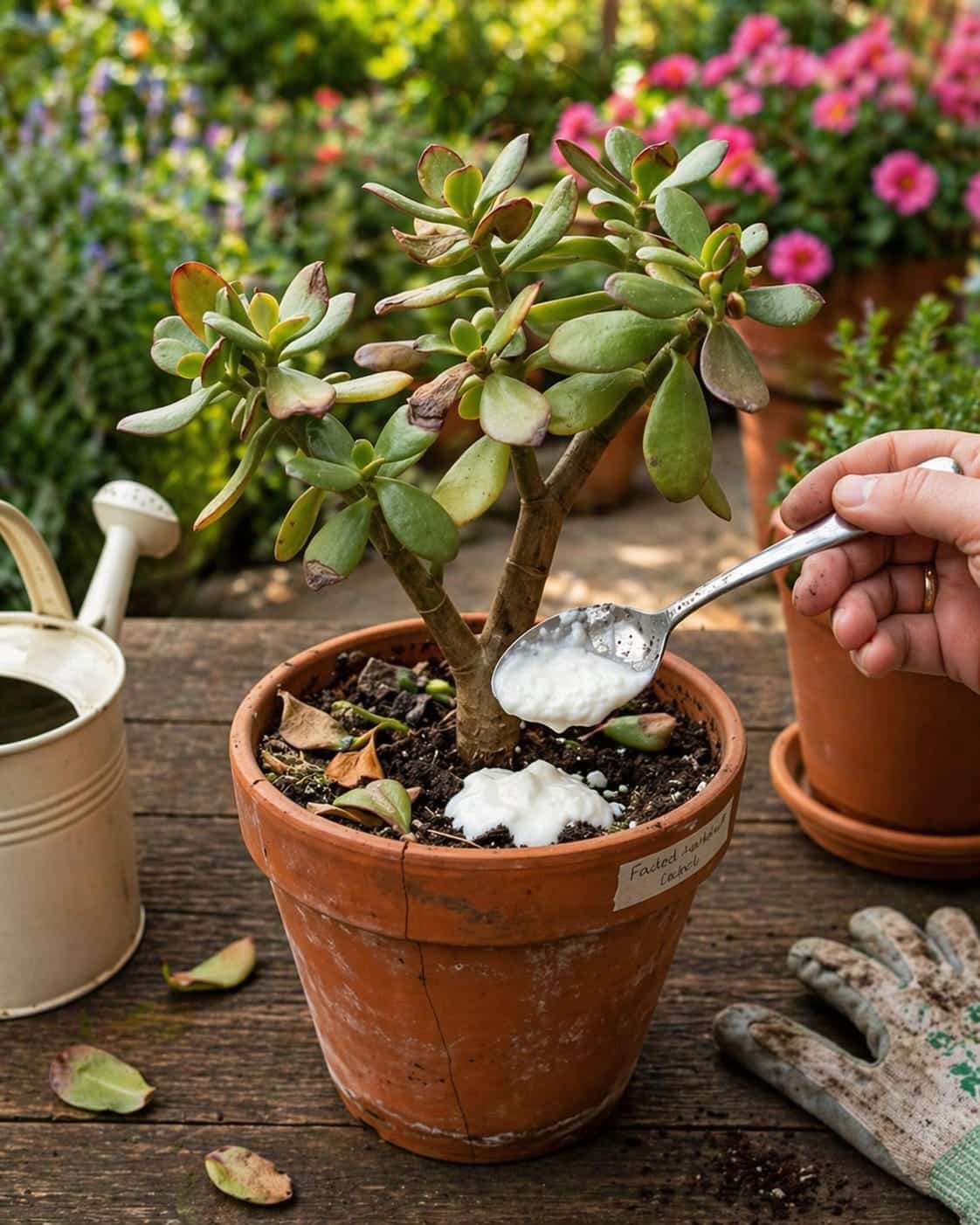
Jade plants are usually loved for their thick glossy leaves, sculptural shape, and easy‑care nature. They are one of those houseplants that can sit quietly for years, looking beautiful without asking for much. But what many people do not realize is that a mature jade plant can also bloom.
And when it does, the effect feels almost magical.
Tiny star‑shaped flowers appear in clusters, often pale pink or white, and some varieties release a soft, delicate fragrance that makes the moment even more special. It is not the loud perfume of a garden rose. It is lighter, cleaner, and more subtle — the kind of bloom you notice when you lean in close and realize your once‑simple succulent is doing something extraordinary.
The good news is that jade plants do not bloom by accident. They bloom when a few key conditions come together.
In this guide, you will learn exactly why jade plants rarely flower indoors, the proven steps to encourage blooming, how to care for your plant during the rest period, and what to do when those lovely little star‑shaped flowers finally appear.
Why Most Jade Plants Never Bloom Indoors
A lot of people grow jade plants (Crassula ovata) for years without ever seeing a single flower. That does not mean they are doing everything wrong. It usually just means the plant is healthy enough to survive, but not yet encouraged enough to bloom.
Jade plants are slow, patient growers. They need maturity, strong light, and a seasonal rhythm before they decide to flower. If they are kept in dim conditions, watered too often, or constantly pushed into leafy growth, they may stay green and alive but never move into bloom mode.
That is why blooming feels rare. The plant has to feel settled, strong, and slightly challenged in the right way — not stressed, but not coddled either.
Start with a Mature Plant (Patience Is Key)
One of the first secrets to jade plant flowering is age. Young jade plants are usually focused on growing roots, thickening stems, building branches, and storing energy. Flowering usually comes later, once the plant is older and more established. A small young jade in its early years may look healthy and still not be ready to bloom.
How Old Is “Mature”?
Most jade plants need to be at least 3–5 years old before they have the energy reserves to produce flowers. Some may take even longer. If your plant is still developing its shape, patience matters more than anything. Do not expect a young cutting or a recently propagated plant to bloom.
Signs of maturity:
· Woody, brown stems (not all green)
· A thick, sturdy trunk
· Branched, bushy growth
· Leaves that are firm and plump
If your jade is still young and lanky, focus on building a strong structure first. The blooms will come later.
Give It Brighter Light Than You Think
If you want more blooms, light is one of the biggest pieces. Jade plants love bright conditions. To flower well, they often need:
· Several hours of strong, direct or very bright indirect light
· A very bright indoor window (south‑ or west‑facing is ideal)
· Or outdoor sun in suitable climates (morning sun with afternoon shade in hot regions)
Low light can keep them alive, but it usually does not inspire flowering. The plant may stretch, look sparse, or stay soft and leafy instead of becoming dense and bloom‑ready.
What Happens with Good Light:
· Tighter, more compact growth
· Stronger, thicker stems
· Reddish leaf edges (a sign of healthy sun exposure)
· More energy stored for flowering
Signs of Too Little Light:
· Leggy, stretched stems (etiolation)
· Pale green leaves
· Leaves dropping from the lower stems
· No flowers year after year
If your jade plant has never bloomed, moving it to a brighter location is the single most effective change you can make.
Water Less, Not More (The Dry Cycle Matters)
This is where many people accidentally prevent blooming. Jade plants are succulents. They store water in their leaves and stems, which means they do not want constantly moist soil. Too much water often leads to soft growth, weak roots, and stress.
For Better Blooming Potential:
· Let the soil dry completely between waterings.
· Water deeply, then let excess drain away. Empty the saucer.
· Reduce watering during cooler or slower seasons (fall and winter).
That natural dry cycle helps the plant behave more like it would in its native South African environment. Constant moisture may keep it green, but it can also keep it from shifting toward bloom production.
Watering Schedule for Bloom Encouragement:
· Spring & Summer (active growth): Water when the top 1–2 inches of soil are dry. Typically every 2–3 weeks.
· Fall & Winter (rest period): Water once a month or even less. Allow the soil to stay dry for longer stretches.
Overwatering is the #1 killer of jade plants. Underwatering is rarely a problem. When in doubt, wait another week.
Let It Experience a Cooler, Drier Rest Period
One of the most overlooked bloom triggers for jade plants is seasonal change. In many cases, jade plants flower after experiencing:
· Cooler nights (but not freezing)
· Less water
· Slightly drier conditions
· A calm winter rest period
This does not mean freezing temperatures or total neglect. It means giving the plant a natural pause instead of forcing continuous growth year‑round. Jade plants are not tropical; they come from a climate with distinct wet and dry seasons.
How to Create a Rest Period:
· Starting in late fall: Move your jade plant to a cooler spot (50–60°F / 10–15°C) if possible. A cool sunroom or an unheated room near a window works well.
· Reduce watering: Water only once every 4–6 weeks.
· Stop fertilizing completely during fall and winter.
· Continue bright light – even during rest, they need good light.
Keep this rest period for about 6–8 weeks. Then, as spring approaches, gradually increase watering and move the plant back to warmer conditions. This seasonal rhythm mimics the plant’s natural cycle and is a powerful bloom trigger.
Avoid Overfeeding (Less Fertilizer, More Blooms)
It is tempting to think more fertilizer means more flowers, but with jade plants, too much feeding can backfire. Heavy feeding often pushes:
· Leafy, vegetative growth
· Softer, weaker stems
· Rapid but unsustainable development
If you want flowers, the goal is not endless growth. The goal is balanced growth. A light feeding routine during active growth is usually enough. Too much fertilizer, especially high‑nitrogen formulas, makes the plant busy producing leaves instead of preparing blooms.
Best Fertilizer for Jade Plant Blooms:
· Use a balanced, water‑soluble fertilizer (like 10‑10‑10 or 20‑20‑20) diluted to half strength.
· Or use a cactus/succulent fertilizer (low nitrogen, higher phosphorus and potassium).
· Feed once in early spring and again in mid‑summer at most.
· Do not fertilize in fall and winter.
If you have recently repotted your jade plant into fresh soil, do not fertilize for 4–6 months — the soil already has nutrients.
Keep the Roots Slightly Snug (Don’t Oversize the Pot)
Many jade plants do surprisingly well when they are a little root‑bound. A huge oversized pot can encourage too much wet soil and too much vegetative growth. A plant that feels settled in its pot often focuses energy more efficiently. That stable, slightly snug condition can help support the maturity and rhythm needed for blooming.
Pot Size Guidelines:
· A jade plant should be in a pot that is only 1–2 inches larger in diameter than the root ball.
· Repot only every 2–3 years, or when roots are circling densely.
· Always use a pot with drainage holes.
· Terracotta pots are excellent because they breathe and help soil dry.
If your jade plant is in a very large pot, consider downsizing. A snug pot encourages the plant to focus on flowering rather than filling empty space with roots.
Prune with Intention (Shape, Not Shock)
If your jade plant is leggy or uneven, light pruning can help shape it into a fuller, stronger plant. A well‑shaped jade gets better airflow and light exposure, which supports overall vigor. But do not overdo it right before bloom season.
Pruning Tips:
· Prune in late winter or early spring, before the growing season begins.
· Remove any dead, damaged, or crossing branches.
· Cut back leggy stems to just above a leaf node to encourage branching.
· Do not remove more than 20–25% of the plant at once.
Aggressive pruning can delay flowering because the plant shifts back into rebuilding mode. Gentle shaping is helpful. Constant heavy cutting is not.
Continue to Page 2
Continue to page 2 for more details about this article and the key points many readers miss on the first page.