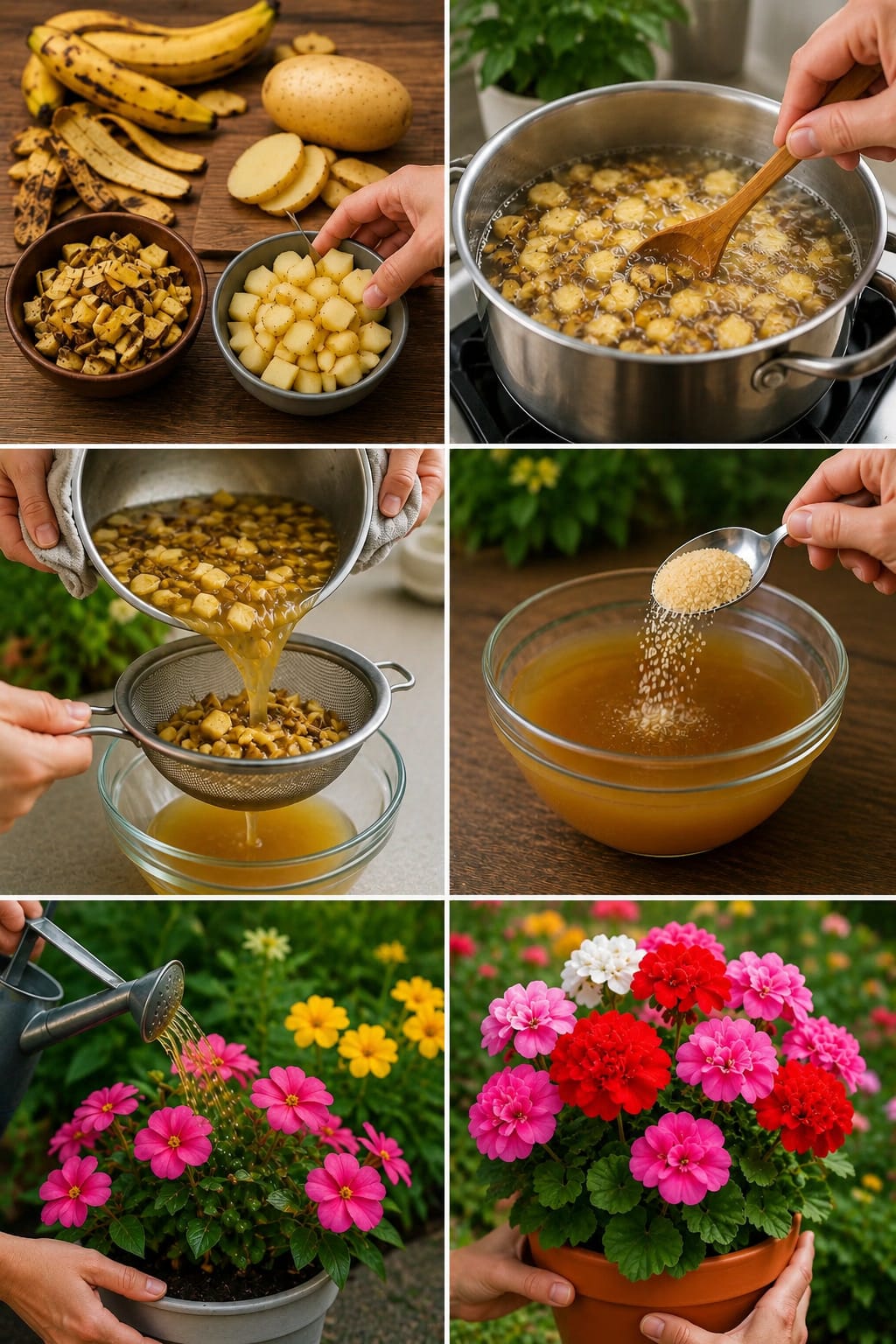
How to Use the Tonic on Geraniums
Geraniums love bright light and well-drained soil. They do not like soggy roots. If using the tonic on geraniums, apply it lightly around the soil edge and let the pot drain completely.
Do not splash the leaves or flowers. Geranium leaves can develop spots if they stay wet in humid conditions. Keep airflow good and remove faded bloom clusters regularly.
Geraniums look especially beautiful in terracotta pots, window boxes, and sunny balcony corners. A tidy pot with full red or pink flowers can instantly make a home exterior look more charming.
How to Use the Tonic on Impatiens
Impatiens prefer partial shade and steady moisture. They are excellent for bright shade areas where full-sun flowers struggle. Use the tonic only when the soil is not already wet.
Because impatiens like moisture, it is easy to overdo watering. Check the soil with your finger first. If it is still very damp, wait.
Impatiens create a soft, colorful display in bowls, porch planters, and shaded patios. Their blooms can look abundant when the plant receives consistent water and gentle feeding.
How to Use the Tonic on Petunias
Petunias are hungry bloomers. They need sun, regular watering, and feeding to stay full. A mild banana-potato tonic can be used occasionally, but petunias may still need a proper flowering fertilizer.
Pinch back long stems to prevent legginess. Remove sticky faded blooms and keep the plant in strong light. Petunias are ideal for hanging baskets and balcony rail planters.
How to Make a Planter Look Fuller
A beautiful planter is not only about feeding. Shape matters. Pinch young plants to encourage branching. Rotate containers so all sides receive light. Remove weak stems and old flowers. Keep the soil surface clean.
For a fuller display, plant in layers. Use taller flowers in the center or back, medium plants around them, and trailing plants along the edge. This creates depth and makes the container look professionally designed.
Combine colors carefully. Pink with white looks soft and romantic. Red with white looks classic. Yellow with purple looks cheerful. One strong color repeated throughout the pot can look more elegant than too many random colors.
Balcony Styling Ideas
For a cleaner balcony garden, group pots by material or color. Terracotta pots create a warm Mediterranean style. White or cream pots create a modern clean look. Black containers make bright flowers look dramatic and elegant.
Place taller flowering pots at the back and smaller pots in front. Use plant stands to lift some containers and create layers. Keep watering cans, scissors, and soil bags stored neatly so the balcony looks intentional rather than cluttered.
A blooming pot near a chair, small table, or window can become a focal point. Even a small balcony can look luxurious when the plants are healthy and arranged with space around them.
Patio Styling Ideas
On a patio, use large containers for impact. A big terracotta bowl filled with red and pink blooms can look more expensive than many small mismatched pots. Add trailing plants around the edges for softness.
Place flowering containers near entryways, steps, benches, or outdoor dining areas. Flowers guide the eye and make outdoor spaces feel cared for.
Use repeated colors to create a polished look. For example, three pots with pink flowers and green foliage can look more refined than ten different pots with no visual connection.
How to Avoid Pests With Homemade Tonics
Organic homemade liquids can attract pests if they are too strong, too frequent, or filled with solids. To avoid problems, strain the tonic well, dilute it, and apply it only to outdoor containers with good drainage.
Do not leave leftover tonic sitting open. Do not pour thick residue onto the soil. Do not use fermented liquid. Keep the soil surface clean and remove fallen petals or leaves.
If you notice fungus gnats, ants, flies, or bad smells, stop using the tonic and switch to plain water until the pot is stable.
Signs the Tonic Is Too Strong
If leaves wilt after use, soil smells sour, pests appear, or the top soil becomes slimy, the mixture may be too strong or the pot may be staying too wet. Flush the soil with plain water and allow it to drain well.
Next time, dilute more heavily or skip the homemade mixture. Plants do not need constant feeding to look beautiful.
Signs Your Plants Are Responding Well
Healthy flowering plants will show steady growth, fresh green leaves, firm stems, and new buds. The soil should smell earthy and clean. The plant should not look waterlogged or pale.
Do not expect instant results overnight. A plant’s response usually appears over days and weeks. The best results come from using the tonic as one small part of a complete care routine.
A Simple Monthly Bloom Routine
Once a week, remove faded flowers, check soil moisture, rotate the pot, and inspect leaves for pests. Water as needed with plain water. Every few weeks, feed lightly with a balanced flowering fertilizer or use a mild homemade tonic.
Once a month, refresh the soil surface by removing dead leaves and loosening compacted areas. Add a little fresh potting mix if needed. Clean the outside of the pot and saucer so the display looks neat.
This routine keeps flowers looking fresh and makes the whole plant corner feel more expensive.
Common Mistakes to Avoid
Do not pour hot liquid on plants. Always cool the tonic completely. Do not use thick boiled scraps. Strain everything. Do not use rotten banana peels or spoiled potato skins. Do not apply the tonic to dry, stressed plants in strong midday sun.
Do not overfeed. Too much homemade tonic can do more harm than good. Do not use it as the only care method. Light, watering, pruning, and drainage are more important.
Do not use the mixture on plants that prefer dry soil, such as succulents and cacti. They can suffer from extra moisture.
Final Thoughts
A banana-potato peel flower tonic can be a useful natural garden trick when it is prepared cleanly, strained well, diluted heavily, and used only occasionally. It is a simple way to recycle kitchen scraps and give flowering containers a gentle seasonal refresh.
But the real secret to abundant blooms is not one homemade liquid. It is the combination of good light, healthy roots, proper watering, breathable soil, regular deadheading, and patient care. When those basics are right, a mild tonic can support the plant without overwhelming it.
For a beautiful balcony or patio display, keep the pots clean, remove faded flowers, group colors thoughtfully, and water with care. A planter filled with fresh blooms can make any outdoor corner feel more welcoming, more polished, and more expensive-looking. Use the tonic gently, watch how your plants respond, and let steady care turn simple flowers into a bright, elegant garden feature.