
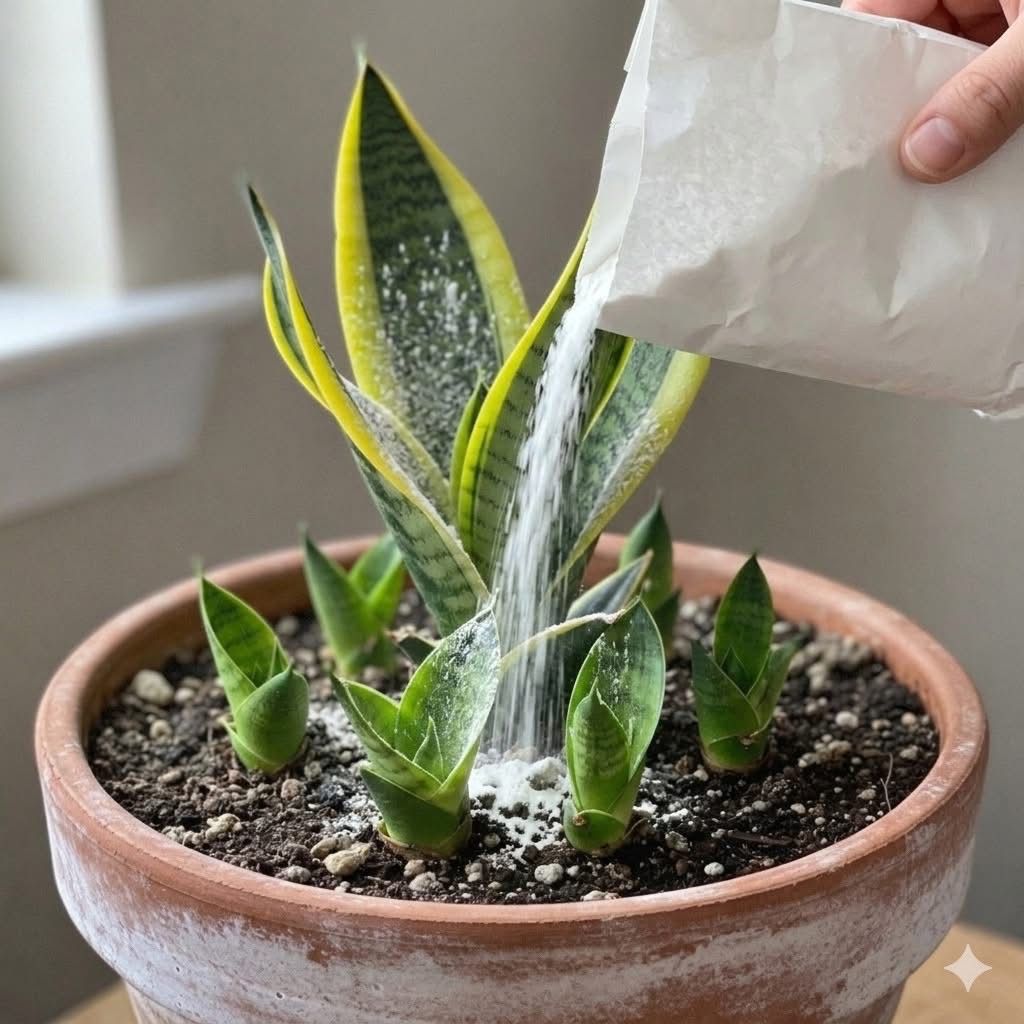
Snake plants (Dracaena trifasciata) are beloved for their striking architectural leaves and legendary low-maintenance nature. But if your snake plant looks healthy yet refuses to multiply, you’re not alone. Many indoor gardeners struggle with slow pup production. The good news? There’s a simple, natural ingredient that can gently stimulate root activity and encourage those baby shoots to emerge.
Understanding Snake Plant Pups
Before diving into the secret ingredient, it helps to understand how snake plants actually multiply. Snake plants grow from underground stems called rhizomes—thick, root-like structures that spread beneath the soil and eventually push up new shoots, known as pups . This is how the plant naturally clones itself.
Pup production depends on several factors working together:
· A strong, healthy root system
· Proper lighting conditions
· Mild nutrient support
· Slight root confinement
· Correct watering routine
When any of these factors are off, your plant may stay green and healthy but never produce offspring.
The “Golden Liquid” That Triggers Pup Growth
The ingredient that consistently delivers results is banana peel water—a natural, potassium-rich liquid fertilizer that indoor plant enthusiasts call “golden liquid” .
Why Banana Peels Work
Banana peels contain a nutrient profile perfectly suited for encouraging pups:
· Potassium: Strengthens rhizomes and supports root growth
· Phosphorus: Encourages new shoot development
· Calcium: Supports overall plant structure
· Magnesium: Helps with leaf color and energy production
Unlike harsh chemical fertilizers, banana peel water delivers a gentle nutrient boost without overwhelming your plant. This makes it ideal for snake plants, which prefer light feeding.
How to Make Banana Peel Water
Ingredients:
· 1–2 fresh banana peels
· 1 liter of room-temperature water
· Glass jar or container
Instructions:
- Cut banana peels into small pieces
- Place them into the jar
- Add water until fully submerged
- Cover loosely
- Let soak for 24–48 hours
- Strain before use
The water will turn slightly yellow or golden—that’s your natural fertilizer. Important: Do not soak longer than 48 hours to avoid fermentation and strong odor .
How to Apply It for Maximum Pup Growth
Using it correctly is just as important as making it.
Step 1: Wait Until Soil Is Dry
Snake plants prefer dry soil. Only apply when the top 2–3 inches are completely dry .
Step 2: Pour Around the Base
Apply directly to the soil—never on the leaves. Focus on the area around the base where rhizomes are actively growing.
Step 3: Use Once Every 3–4 Weeks
During spring and summer only. Snake plants enter a semi-dormant state during colder months .
Step 4: Skip in Winter
No applications during the dormant period.
How Long Until You See New Pups?
Most growers notice:
· Stronger base growth within 3–4 weeks
· Small pup shoots in 4–8 weeks
· Thicker leaf structure over time
Remember: growth speed depends on light and temperature. Patience is essential.
Why Banana Peel Water Encourages Pups
Pup production happens underground. The nutrients in banana peel water work in specific ways:
· Potassium strengthens rhizomes, making them more vigorous
· Phosphorus supports new growth development at the cellular level
When roots are energized and healthy, they spread—and spreading rhizomes create new baby plants. This is why the golden liquid supports multiplication without forcing growth unnaturally.
The Alternative “Spoon Trick” with Worm Castings
If banana peels aren’t available, another effective ingredient is worm castings. This method is sometimes called the “spoon trick” because you use a small measured amount applied strategically .
Why Worm Castings Work
Worm castings are:
· Gentle (won’t burn roots)
· Rich in natural nutrients
· Loaded with beneficial microbes
· Safe for indoor pots (no smell if good quality)
They work differently from chemical fertilizers:
- Slow feeding: The plant gets a small steady supply instead of shock
- Improved soil life: Healthy microbes help roots grow better
- Rhizome strengthening: Supports the underground structures that produce pups
How to Apply Worm Castings
What You Need:
· 1 tablespoon of organic worm castings
· Optional: a chopstick or small fork
Step 1: Find the “Pup Zone”
Look at the base of your snake plant. The pup zone is near the soil surface, slightly away from the main stems, where small green points may start to appear .
Step 2: Apply the Ingredient
Add 1 tablespoon of worm castings in a ring around the base—not touching the stem. Best placement is 2–3 inches away from the main stalk, on top of soil like a thin layer .
Step 3: Lightly Mix (Optional)
If the soil is compacted, gently mix the top 1 inch only. Don’t dig deep—you can damage rhizomes .
Step 4: Water the Right Way
After adding worm castings, water lightly—just enough to moisten top soil. Don’t soak the pot, because soaking plus rich soil equals rot risk .
Frequency: Once every 6–8 weeks during growing season .
Supporting Factors That Maximize Pup Production
The golden liquid works best when combined with these growth boosters.
- Bright Indirect Light
Snake plants tolerate low light, but they multiply much faster in bright filtered light . Place near:
· East-facing windows
· Bright rooms with sheer curtains
· Spots receiving 1,000–2,000 foot-candles of light during the brightest part of the day
- Slightly Root-Bound Conditions
Snake plants produce more pups when roots feel slightly crowded. Avoid oversized pots . A pot that’s slightly snug signals the plant that it’s time to multiply.
- Well-Draining Soil
Use a fast-draining mix specifically for succulents:
· Commercial cactus/succulent mix, or
· DIY blend: 50% cactus soil + 50% perlite
- Controlled Watering
Overwatering is the #1 killer of snake plants and the #1 barrier to pup production . Let soil fully dry between waterings. During the dormant winter months, reduce watering frequency even further .
- Light Fertilization (When Needed)
During the growing season (spring and summer), you can lightly fertilize with a balanced liquid fertilizer diluted to half strength . A once-a-month, half-strength dose with a 3:1:2 NPK ratio works well . Stop fertilizing around mid-autumn.
Common Mistakes That Stop Pup Growth
Even with the right ingredients, these errors kill the result:
Mistake Why It Hurts Pups
Pot too big Snake plants grow pups when root space is tight. Big pot = roots expand, no pups
Too much water Overwatering is the #1 pup killer
Low light indoors No light = no energy = no pups
Heavy chemical fertilizer Can burn rhizomes
Soil stays wet too long Roots suffocate without oxygen
Applying ingredients too often Snake plants hate heavy feeding—stick to schedule
When to Separate Pups
Once your efforts succeed and pups appear, you’ll eventually want to separate them. Here’s how:
When to separate: Wait until the pup is at least a few inches tall and has developed its own roots . This ensures the pup has a higher chance of survival.
How to separate:
- Gently remove the entire plant from its pot
- Follow the offshoot under the soil to where it has its own roots
- Sever the connection to the parent plant below a few roots using a sterile knife
- Return the parent plant to its pot
- Plant the pup in a small container with well-draining succulent mix
Planting depth: Insert the pup so the lighter white and green part is above the soil line and the darker rooting portion is below. If you bury any part of the stem, it will rot .
Best Time to Encourage Pups
Timing matters significantly:
Season Suitability Reason
Spring Best Peak growth, ideal temperature and light
Summer Very suitable Continued active growth
Fall Less ideal Slower growth, success depends on conditions
Winter Not recommended Dormancy, slow or failed rooting likely
The ideal temperature range is 70–85°F (21–29°C). In cold winter rooms, pup production naturally slows .
Comparing the Two Main Ingredients
Factor Banana Peel Water Worm Castings
Primary nutrients Potassium, phosphorus, calcium, magnesium Rich in natural nutrients, beneficial microbes
Preparation time 24–48 hours soaking Ready to use immediately
Application method Liquid soil drench Top dressing, lightly mixed
Frequency Once every 3–4 weeks Once every 6–8 weeks
Best season Spring and summer Spring and summer
Cost Free (kitchen scraps) Small purchase required
Risk if overused Fermentation, odor Minimal—very gentle
Signs It’s Working
Watch for these positive indicators:
· Thicker base at soil level
· New small green spikes emerging from soil
· Richer leaf color
· Firmer upright growth
Conclusion
If your snake plant refuses to multiply, don’t rush to repot or overfeed. Sometimes all it needs is a mild nutrient nudge from a simple kitchen ingredient.
Banana peel water (the “golden liquid”) encourages stronger roots, supports rhizome spread, and promotes natural pup growth . It’s affordable, eco-friendly, and works especially well during the growing season.
For those who prefer a no-prep option, worm castings applied with the “spoon trick” provide similar gentle nutrition with beneficial microbes .
Pair either ingredient with proper light, controlled watering, and patience—and you’ll likely see new pups emerging from the soil within weeks. Snake plants may be slow growers, but with the right support, they reward you with beautiful baby shoots that turn one plant into many.
Frequently Asked Questions
Q: How long does it take for a snake plant to produce pups?
A: It can take anywhere from a few months to a year or longer, depending on the plant’s health, age, growing conditions, and variety . With banana peel water, many growers notice small pup shoots in 4–8 weeks .
Q: Can I use coffee grounds instead?
A: Not recommended indoors. Coffee grounds can trap moisture, grow mold, and attract gnats . Stick to banana water or worm castings for safer results.
Q: Is this safe for variegated snake plants?
A: Yes—and variegated types often respond beautifully because the soil becomes healthier. However, if you propagate from leaf cuttings of variegated plants, the new plants may lose their variegation . Division of pups preserves the original patterns.
Q: Can I do this in winter?
A: Yes, but results will be slower unless the room is warm and bright . It’s best to wait until spring when the plant is actively growing .
Q: My snake plant has small pups—when can I separate them?
A: Wait until the pup is at least a few inches tall and has developed its own roots before separating . This ensures survival.
More Ideas You Might Like
-
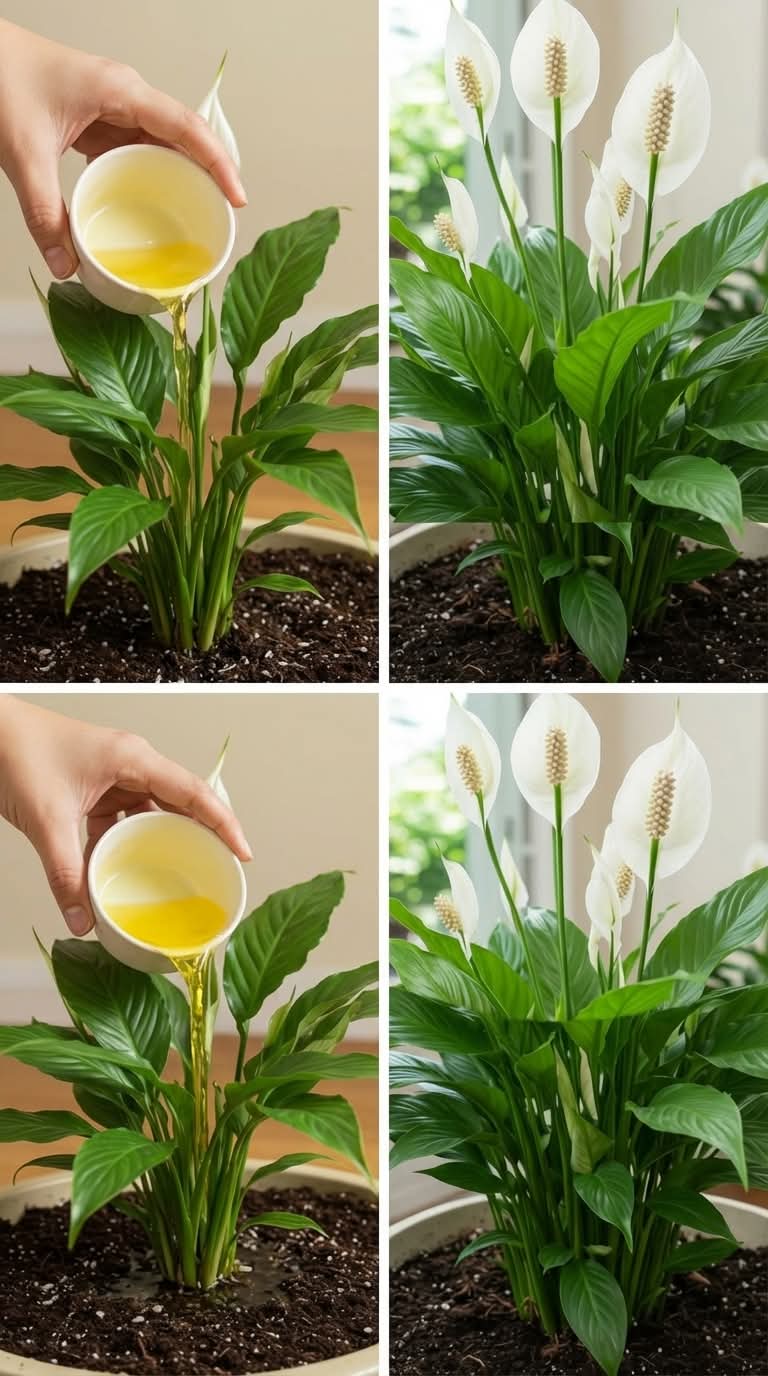
Just One Cup of This Kitchen Liquid… And Your Peace Lily Explodes With Flowers!
If you’ve ever struggled to get your peace lily to bloom, you’re not alone. Many plant lovers find that their lush green plant looks healthy—but those beautiful white flowers just don’t appear as often as expected. The good news? There’s a simple, natural plant fertilizer you can make right from your kitchen that may help…
-
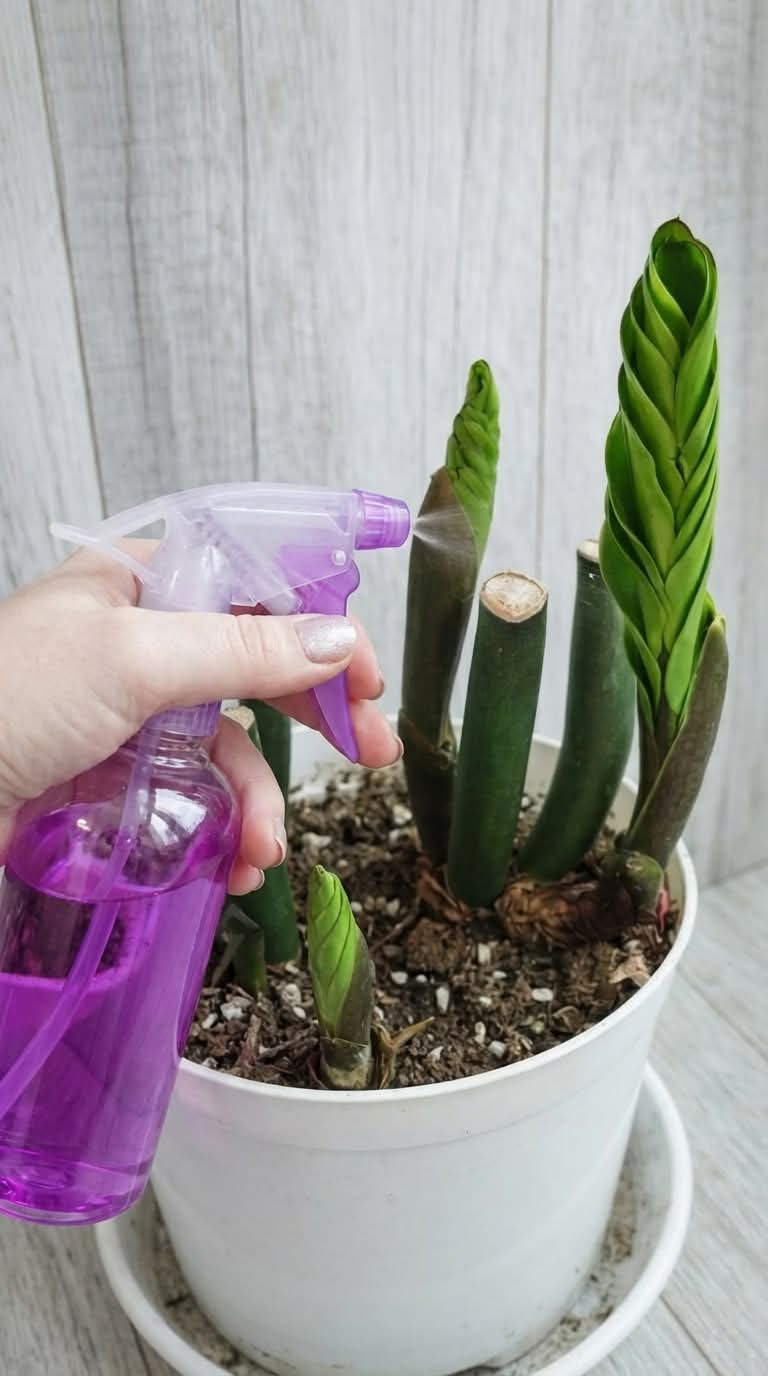
Just a Few Sprays of This Simple Mix… And Your ZZ Plant Wakes Up!
Is your ZZ plant looking stuck or slow to grow? This simple homemade leaf spray cleans dust, adds shine, and supports healthier growth. Easy recipe with neem oil for pest protection. Let me share the simple spray that brought my once‑dormant ZZ plant back to life. ZZ plants (Zamioculcas zamiifolia) are famous for being nearly…
-
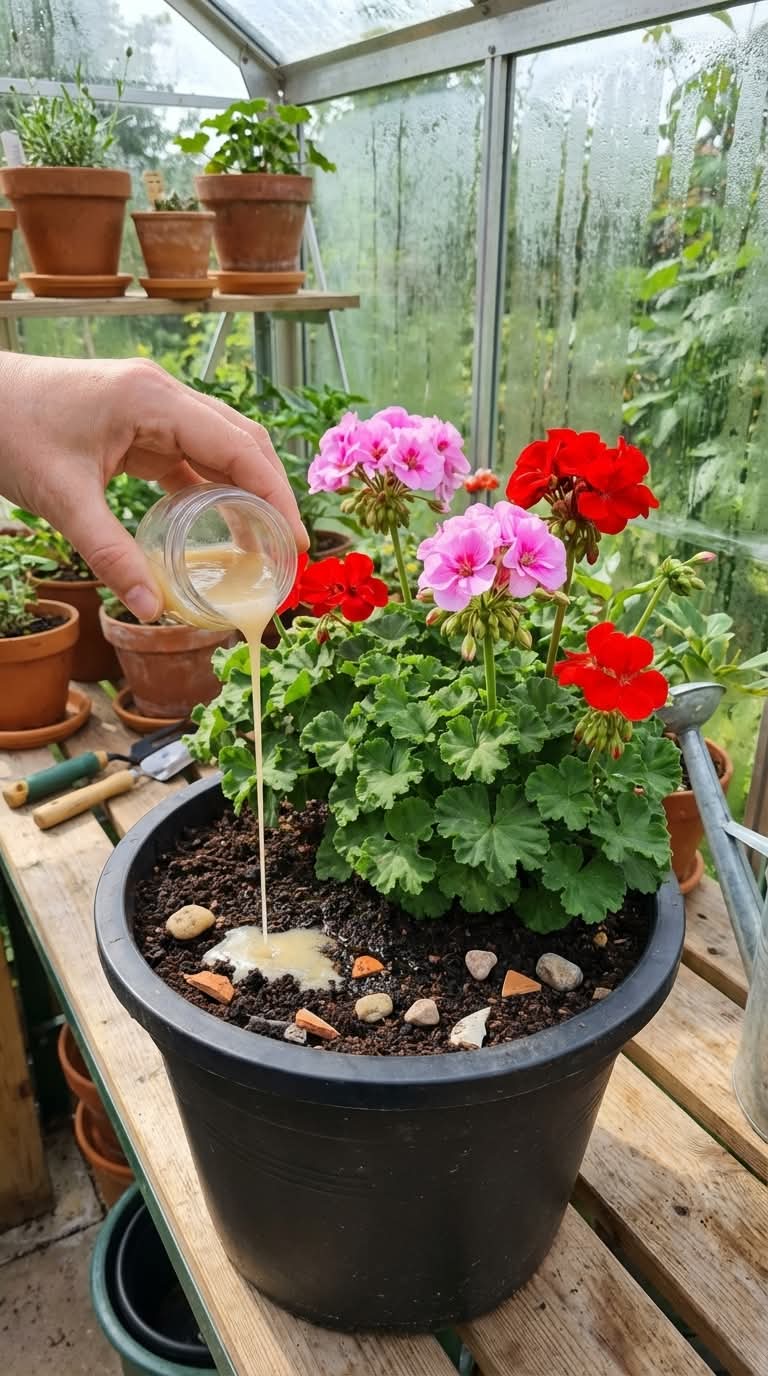
The Simple Trick That Makes Your Geraniums Bloom Bigger and Brighter – A Complete Guide
Want bigger, brighter geranium blooms? Discover the simple homemade sugar and lemon trick that boosts flowering, plus expert care tips for nonstop color all season long. Let me share the little secret that turned my average geraniums into show-stopping beauties. I’ve always loved geraniums. Their bright clusters of red, pink, white, and salmon flowers are…