
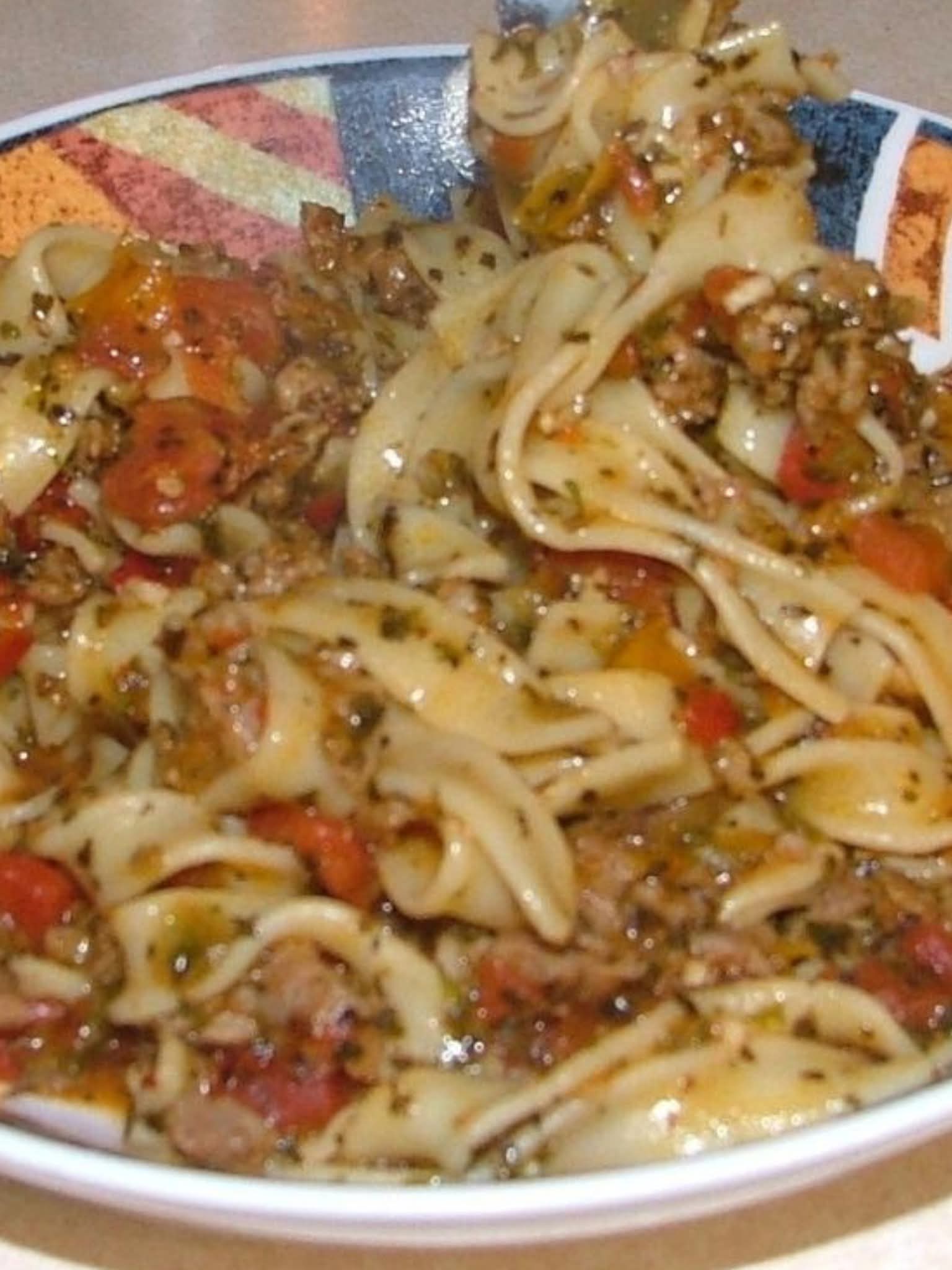
Close your eyes and imagine the most vibrant, soul-satisfying pasta. It’s not coated in a heavy cream sauce or a slow-simmered ragù. Instead, it’s a tangle of al dente noodles, glistening with a robust, ruddy sauce that tastes deeply of the earth and the vineyard—garlic, tomato, aromatic herbs, and the unmistakable, complex finish of red wine. This is Spaghetti all’Ubriaca, literally “drunken spaghetti,” a lesser-known gem of Italian comfort food that is as fun to make as it is to devour. Hailing from the countryside traditions of Central Italy, this dish embodies cucina povera (poor kitchen) ingenuity, transforming a few pantry staples and a glug of wine into a spectacularly flavorful meal.
Forget takeout. This recipe is your ticket to a 30-minute culinary trip to Tuscany. We’ll demystify the process, explore the essential kitchen tools that make it restaurant-quality, and dive into the beautiful science of reducing wine into a powerhouse of flavor. Get ready to make your kitchen smell like a rustic Italian trattoria and discover your new favorite quick weeknight pasta.
The Equipment: Your Toolkit for Rustic Italian Perfection
The beauty of this dish is its simplicity, which extends to the tools needed. However, using the right equipment ensures you achieve the perfect texture and flavor integration that defines great Italian cooking.
The Large, Deep Skillet or Sauté Pan: The Stage for Flavor
A12 to 14-inch stainless steel or carbon steel skillet (like those from All-Clad or Made In) with deep sides is non-negotiable. You need ample surface area for sautéing pancetta and vegetables and enough depth to comfortably toss the cooked pasta with the sauce. The wide pan also allows the wine to reduce quickly and evenly. A 3 to 5-quart sauté pan with straight sides is an excellent alternative. Avoid non-stick for this recipe; you want fond (the browned bits) to develop, which is flavor gold.
The Pasta Pot & Colander: For Perfect Al Dente Texture
A large8-quart stainless steel pasta pot is ideal. Plenty of well-salted water (it should taste like the sea) is crucial for seasoning the pasta from within. A large colander for draining is essential, but here’s a pro tip: you’ll be reserving pasta water. Having a heatproof liquid measuring cup or bowl handy to catch some starchy water before you drain makes the process seamless.
The Microplane Grater: For the Flavorful Finish
AMicroplane is the best tool for two critical tasks: finely grating garlic into a paste that melts seamlessly into the sauce, and creating a fluffy mountain of Pecorino Romano or Parmigiano-Reggiano cheese for finishing. The fine texture ensures the cheese incorporates smoothly into the sauce, creating a creamy emulsion without clumping.
Quality Tongs and a Sharp Chef’s Knife
Long, spring-loaded stainless steel tongs(like OXO Good Grips) are your primary utensil for tossing the pasta in the sauce, ensuring every strand is coated. A sharp 8-inch chef’s knife (like Victorinox Fibrox) makes quick, safe work of dicing onions, slicing garlic, and chopping fresh herbs.
The Wine You’d Actually Drink: The Most Important “Tool”
Yourred wine is not just an ingredient; it’s the star. Use a dry, medium-bodied Italian red wine you enjoy drinking. A Chianti, Sangiovese, or Montepulciano d’Abruzzo is perfect—they have the right acidity and fruit-forward profile. Never cook with “cooking wine.” The flavor concentrates, so you want something good. (Remember: The alcohol cooks off, leaving only its rich essence.)
The Essential Pasta-Making Arsenal:
· 12-14 inch deep skillet or large sauté pan
· 8-quart pasta pot
· Large colander
· Microplane grater
· Chef’s knife & cutting board
· Spring-loaded tongs
· Wooden spoon
· Liquid measuring cup (for reserving pasta water)
The Master Recipe: Authentic Spaghetti all’Ubriaca (Drunken Noodles)
This recipe stays true to its rustic roots, featuring guanciale (or pancetta), a touch of tomato, and a generous pour of red wine that reduces to form the base of the sauce.
Prep Time: 10 minutes | Cook Time: 20 minutes | Serves: 4
Ingredients:
· 1 lb (450g) spaghetti or bucatini
· 4 oz (115g) guanciale, pancetta, or thick-cut bacon, diced
· 3-4 cloves garlic, finely grated or minced
· ½ tsp crushed red pepper flakes (or to taste)
· 1 cup (240ml) dry Italian red wine (Chianti, Sangiovese, etc.)
· 1 (14.5 oz) can whole San Marzano tomatoes, crushed by hand
· Kosher salt and freshly ground black pepper
· ½ cup (50g) finely grated Pecorino Romano cheese, plus more for serving
· ¼ cup fresh Italian parsley, chopped
Step-by-Step Instructions:
PART 1: START THE SAUCE & BOIL THE PASTA
Start the Water: Bring your large pasta pot of well-salted water to a boil.
Render the Pork: In your large deep skillet over medium heat, cook the diced guanciale or pancetta, stirring occasionally, until it’s crisp and the fat has rendered, about 5-7 minutes. Using tongs, remove the crispy pieces to a paper towel-lined plate, leaving the rendered fat in the pan.
Infuse the Oil: Reduce the heat to medium-low. Add the grated garlic and red pepper flakes to the fat. Cook, stirring constantly, for just 30-60 seconds until incredibly fragrant. Do not let the garlic brown.
The “Drunken” Deglaze: Increase the heat to medium-high. Pour in the entire cup of red wine. It will sizzle and steam. Let it simmer vigorously, scraping up any browned bits with a wooden spoon, until the wine is reduced by about half and its raw alcohol smell has cooked off, about 3-4 minutes.
PART 2: BUILD THE SAUCE & COOK THE PASTA
Add Tomatoes: Add the hand-crushed San Marzano tomatoes and their juices to the reduced wine. Season with a pinch of salt and black pepper. Bring to a simmer, then reduce heat to low and let it cook gently while you cook the pasta.
Cook the Pasta: Add the spaghetti to the boiling water and cook until it is al dente, usually 1-2 minutes less than the package instructions. CRITICAL STEP: Just before draining, reserve about 1 ½ cups of the starchy pasta water.
Combine: Using tongs, transfer the drained pasta directly into the skillet with the sauce. Add back the crispy guanciale. Increase the heat to medium.
PART 3: THE FINISH—WHERE MAGIC HAPPENS
Emulsify the Sauce: Add about ½ cup of the reserved pasta water to the skillet. Using your tongs, vigorously toss and swirl the pasta with the sauce for 1-2 minutes. The starch from the water will help the sauce thicken and cling to each strand of pasta. Add more pasta water, a splash at a time, if the sauce seems too thick or dry.
The Cheesy Finish: Remove the skillet from the heat. Sprinkle in the grated Pecorino Romano cheese and most of the chopped parsley. Toss continuously until the cheese melts and forms a creamy, glistening sauce that coats the pasta seamlessly.
Serve Immediately: Divide among warm bowls. Garnish with extra cheese, the remaining parsley, and an extra crack of black pepper.
The Science of the Sauce: Why This Method Works
“Drunken Noodles” is a masterclass in layering flavors and sauce physics. Rendering the guanciale fat creates a flavorful cooking medium. The wine reduction is the key step: boiling off the alcohol concentrates the wine’s fruity, acidic, and tannic notes, creating an intense flavor base. The tomatoes add sweetness and body. The final act—tossing the pasta in the skillet with starchy water and cheese—is called mantecatura. The starch acts as an emulsifier, binding the fat and liquid into a velvety, cohesive sauce that won’t separate, ensuring every bite is perfectly sauced.
Creative Variations & Modern Twists
· Vegetarian “Drunken” Noodles: Omit the guanciale. Start by sautéing 8 oz of sliced cremini mushrooms in 3 tbsp of olive oil until deeply browned. Proceed with garlic and red pepper.
· Spicy Arrabbiata-Style: Double the red pepper flakes and add a pinch of calabrian chili paste with the garlic.
· Seafood Drunken Pasta: Add ½ lb of peeled shrimp or scallops to the sauce in the last 3 minutes of cooking.
· “White” Drunken Noodles: Omit the tomatoes. Use 1 ½ cups of wine. Finish with a splash of cream and grated Parmesan for a richer, pink sauce.
· With Fresh Herbs: Add a few sprigs of fresh rosemary or thyme to the wine as it reduces for an aromatic layer.
Troubleshooting & FAQ
· My sauce is too acidic/sour. You may have used a very tannic wine. Balance it by adding a tiny pinch of sugar (1/4 tsp) with the tomatoes, or finish with a pat of butter at the end to round out the flavor.
· My sauce is too watery. You didn’t reduce the wine enough, or you didn’t use the pasta water/tossing technique to emulsify. Next time, ensure the wine reduces by half. For now, return the combined pasta and sauce to medium heat and toss continuously; it will thicken.
· Can I use a different pasta? Absolutely. Bucatini (long, hollow tubes) is a classic alternative. Rigatoni or pappardelle also work wonderfully to hold the chunky sauce.
· Is all the alcohol cooked out? After simmering for several minutes, the vast majority evaporates. Studies show residual alcohol can remain, but it’s minimal. The dish is family-friendly in flavor.
· Can I make it ahead? The sauce base (through adding tomatoes) can be made a day ahead. Reheat gently before adding the pasta. Pasta is always best cooked fresh.
· What to serve with it? A simple arugula salad with lemon vinaigrette, crusty bread for soaking up sauce, and of course, a glass of the same red wine you used to cook it.
Conclusion: The Joy of a Truly “Cooked” Sauce
Italian Drunken Noodles teach a vital lesson: a great pasta sauce isn’t just assembled; it’s built. From the sizzle of pork fat to the simmer of wine and the final, creamy toss with cheese, each step adds a layer of depth and complexity that jarred sauce can never replicate. It’s a recipe that engages all your senses and rewards your attention with a plate of pure, unpretentious joy.
So, uncork that bottle of Chianti, put your large skillet on the stove, and get ready for the easiest, most impressive pasta night of your life. This dish isn’t just about feeding hunger; it’s about celebrating the vibrant, robust heart of Italian home cooking. Tutti a tavola a mangiare! (Everyone to the table to eat!)
More Recipes You Might Like
-
Just One Cup of This Kitchen Liquid… And Your Peace Lily Explodes With Flowers!
If you’ve ever struggled to get your peace lily to bloom, you’re not alone. Many plant lovers find that their lush green plant looks healthy—but those beautiful white flowers just don’t appear as often as expected. The good news? There’s a simple, natural plant fertilizer you can make right from your kitchen that may help…
-
Just a Few Sprays of This Simple Mix… And Your ZZ Plant Wakes Up!
Is your ZZ plant looking stuck or slow to grow? This simple homemade leaf spray cleans dust, adds shine, and supports healthier growth. Easy recipe with neem oil for pest protection. Let me share the simple spray that brought my once‑dormant ZZ plant back to life. ZZ plants (Zamioculcas zamiifolia) are famous for being nearly…
-
The Simple Trick That Makes Your Geraniums Bloom Bigger and Brighter – A Complete Guide
Want bigger, brighter geranium blooms? Discover the simple homemade sugar and lemon trick that boosts flowering, plus expert care tips for nonstop color all season long. Let me share the little secret that turned my average geraniums into show-stopping beauties. I’ve always loved geraniums. Their bright clusters of red, pink, white, and salmon flowers are…