
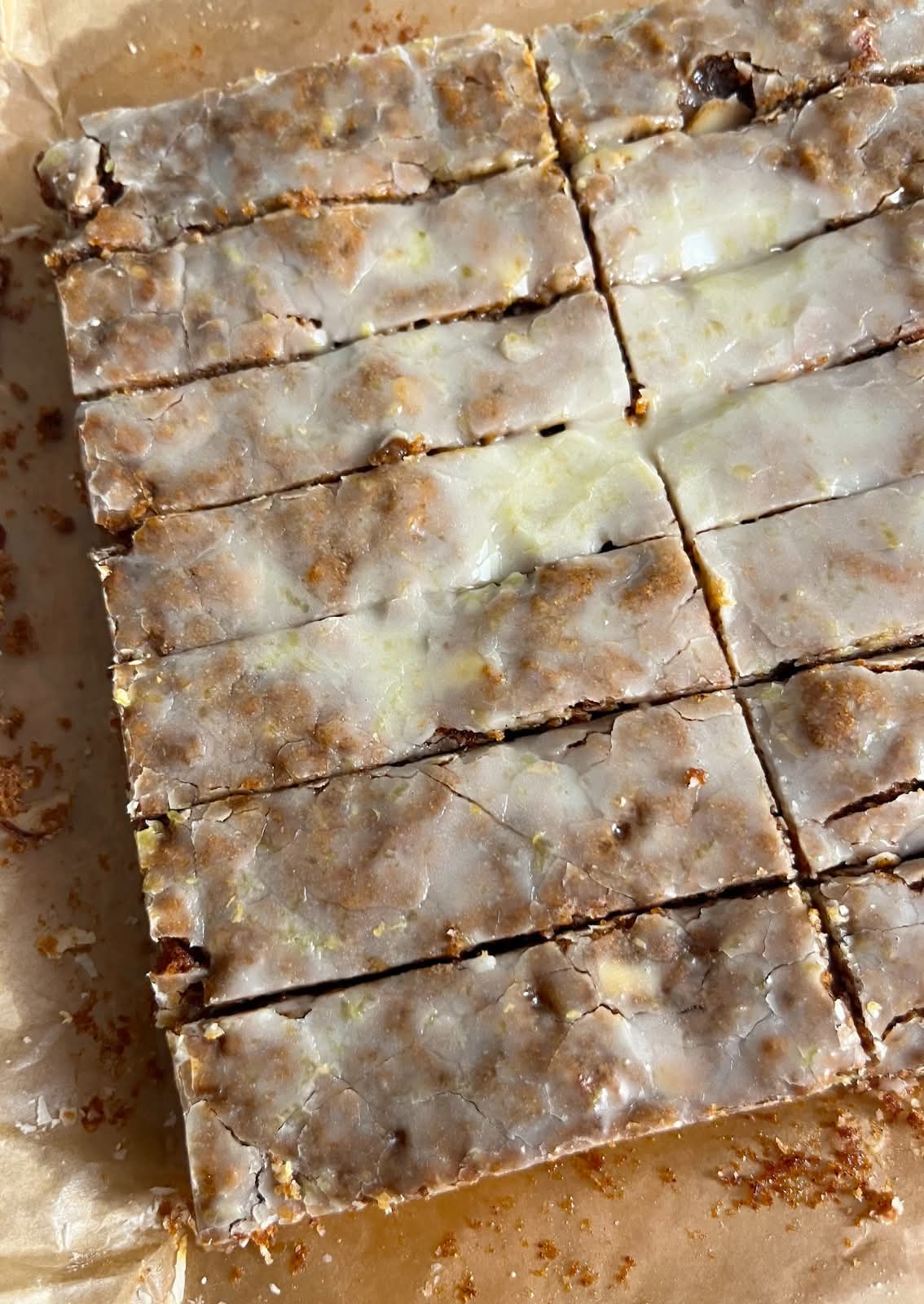
Close your eyes and imagine the most quintessential Christmas market. The air is crisp, wooden stalls glow with light, and the scent that dominates all others is not pine, but something warmer, deeper, and more mysterious: a hypnotic blend of honey, ginger, clove, citrus, and nut. That is the aroma of Lebkuchen, the centuries-old German spiced honey cake that is the soul of a European Christmas. But for the home baker, shaping and icing individual cookies can be daunting. Enter Lebkuchen Bars: all the complex, molasses-rich flavor and chewy-soft texture of the classic, transformed into an effortless, sliceable treat perfect for your holiday cookie tray.
This guide is your deep dive into this storied tradition. We’ll explore the history locked within each spice, master the simple techniques for perfect bars, and detail the essential baking equipment that makes the process a joy. We’re moving beyond generic “gingerbread” to craft a truly authentic, deeply spiced confection that improves with age, making it the ultimate make-ahead Christmas dessert.
The Alchemist’s Toolkit: Equipment for Crafting Perfect Spiced Bars
Creating authentic Lebkuchen is a gentle alchemy of flavors and textures. The right tools don’t just make the job easier; they ensure the delicate balance of spices is fully realized and the unique dense-yet-tender crumb is achieved.
The Saucepan and Kitchen Scale: The Foundation of Flavor
True Lebkuchen begins with cooking the honey and sugar.A heavy-bottomed, 3-quart saucepan (like those from All-Clad or Cuisinart) is essential for gently and evenly melting honey with brown sugar and butter without scorching the sugars. Paired with this, a digital kitchen scale is non-negotiable. Weighing your honey (for accuracy) and flour (for perfect texture) is the first step to consistency, far more reliable than volume measurements for such a sensitive dough.
The Stand Mixer: Handling a Sticky, Stiff Dough
Once the honey mixture is cooled,it’s combined with flour and spices to form a very stiff, sticky dough. A powerful stand mixer fitted with the paddle attachment (like a KitchenAid Artisan) is the ideal tool for this job. It can thoroughly incorporate the flour into the sticky liquid base without overworking the dough, which would make the bars tough. A sturdy hand mixer can be used, but be prepared for a serious arm workout.
The Baking Pan and Liner: For Easy Release and Clean Edges
Lebkuchen bars are baked in a slab and sliced.A 9×13-inch metal baking pan is the standard. For absolute ease and perfect release, parchment paper is your best friend. Lining the pan with a sheet, leaving an overhang on two sides, creates a “sling” that lets you lift the entire cooled slab onto a cutting board. Pre-cut parchment sheets designed for half-sheet pans fit a 9×13 pan perfectly.
The Spice Grinder: Unleashing Maximum Aroma
While pre-ground spices work,the flavor difference with freshly ground is profound. A dedicated electric coffee grinder (like a KRUPS model) or a mortar and pestle becomes a spice grinder for your cardamom pods, anise seeds, and black peppercorns. Grinding these whole spices just before use releases volatile oils that are the soul of Lebkuchen’s complex perfume.
The Double Boiler and Offset Spatula: For the Chocolate Finish
A traditionalSchokoladenguss (chocolate glaze) is the classic finish. Melting chocolate directly over heat risks seizing. A glass or stainless steel double boiler (or a heatproof bowl set over a saucepan of simmering water) provides gentle, indirect heat for perfectly smooth chocolate. An offset spatula is then the perfect tool for spreading the glaze into a thin, professional-looking layer.
The Essential Equipment List:
· Digital kitchen scale
· Heavy-bottomed 3-quart saucepan
· Stand mixer (or powerful hand mixer)
· 9×13-inch metal baking pan
· Parchment paper
· Spice grinder or mortar and pestle
· Double boiler setup
· Offset spatula
· Wire cooling rack
· Large mixing bowl (for cooling the honey mixture)
The Ultimate Chewy Lebkuchen Bars Recipe
This recipe captures the deep, spicy essence of traditional Nürnberg Lebkuchen in a simple bar form, with a chewy texture and a shiny chocolate glaze.
Prep Time: 30 min | Chill Time: 1 hour+ | Bake Time: 25 min | Makes: 24 bars
Ingredients:
For the Lebkuchen Base:
· 340g (1 cup) high-quality honey (or bee’s honey)
· 200g (1 cup packed) dark brown sugar
· 115g (½ cup) unsalted European-style butter (like Kerrygold)
· 1 large egg, lightly beaten
· 625g (5 cups) all-purpose flour
· 2 tsp ground cinnamon
· 1 tsp ground ginger
· ½ tsp ground cloves
· ½ tsp freshly ground cardamom (from about 8 pods)
· ½ tsp freshly grated nutmeg
· ¼ tsp freshly ground black pepper (essential for authenticity)
· ¼ tsp fine sea salt
· 1 tsp baking soda
· 100g (⅔ cup) finely chopped blanched almonds
· 60g (⅓ cup) finely chopped mixed candied citrus peel (or candied orange peel)
For the Chocolate Glaze (Schokoladenguss):
· 170g (6 oz) bittersweet or dark chocolate (54-70%), finely chopped
· 2 tbsp coconut oil or vegetable shortening (for shine and snap)
Optional Finish:
· Edible gold leaf or candied orange peel for decoration
Step-by-Step Instructions:
PART 1: CREATE THE HONEY BASE & DOUGH
Cook the Syrup: In your heavy-bottomed saucepan over medium heat, combine the honey, dark brown sugar, and butter. Stir until the butter melts and the mixture is smooth and begins to bubble at the edges. Do not boil vigorously. Remove from heat and pour into a large mixing bowl. Let cool until just warm to the touch (about 100°F / 38°C). This is critical; if too hot, it will cook the egg.
Temper in the Egg: Whisk the beaten egg into the warm honey mixture until fully incorporated.
Combine Dry Ingredients: In a separate bowl, whisk together the flour, cinnamon, ginger, cloves, cardamom, nutmeg, black pepper, salt, and baking soda.
Mix the Dough: Fit your stand mixer with the paddle attachment. With the mixer on low, gradually add the dry ingredients to the honey-egg mixture. Mix until a stiff, cohesive dough forms. It will be quite thick. Finally, mix in the chopped almonds and candied peel until evenly distributed.
Chill (The Secret to Flavor): Press the dough into a disc, wrap tightly in plastic wrap, and refrigerate for at least 1 hour, but ideally overnight or up to 3 days. This rest allows the flavors to meld profoundly and the flour to fully hydrate, resulting in a superior texture and taste.
PART 2: PRESS, BAKE, AND GLAZE
Prep and Preheat: Preheat oven to 350°F (175°C). Line your 9×13-inch baking pan with parchment paper, leaving an overhang.
Press the Dough: Using lightly floured hands or a piece of plastic wrap, press the chilled dough evenly into the bottom of the prepared pan. Aim for a uniform thickness.
Bake: Bake for 22-26 minutes, until the edges are just beginning to pull away from the pan and the top appears set and is lightly golden. Do not overbake; the bars should remain soft and chewy.
Cool Completely: Let the slab cool in the pan on a wire rack for 15 minutes, then use the parchment sling to lift it out onto the rack to cool completely. The slab must be at room temperature before glazing.
PART 3: THE CHOCOLATE FINISH
Melt the Glaze: Create a double boiler with a heatproof bowl over a saucepan of barely simmering water (ensure the bowl doesn’t touch the water). Add the chopped chocolate and coconut oil. Stir gently until completely melted and smooth. Remove from heat.
Glaze the Bars: Pour the warm chocolate glaze over the cooled Lebkuchen slab. Using your offset spatula, spread it into a thin, even layer, all the way to the edges.
Set and Slice: Allow the chocolate to set at room temperature until firm, about 1-2 hours. For a quicker set, you can refrigerate for 20 minutes. Once set, use a sharp knife to trim any uneven edges, then cut into 24 clean bars (4×6 grid). For professional cuts, wipe the knife blade with a hot, damp cloth between slices.
The History in Your Spice Jar: Why These Flavors?
Lebkuchen’s recipe is a edible history book. Its origins trace back to 13th-century Franconian monks who used precious spices from the Silk Road—cinnamon, cloves, cardamom—along with local honey and nuts. The black pepper is not a mistake; it was a luxurious import that adds a subtle, warm backbone, a signature of Nürnberg’s spice trade dominance. The candied citrus peel (originally from Southern Europe) and local honey acted as natural preservatives, allowing these “cakes” to last for months—a treat meant to sustain through winter and celebrate the Nativity.
Creative Variations & Modern Twists
· The Oblaten-Style: For ultra-traditional texture, press the dough onto edible oblaten wafers (available online) before baking. This prevents sticking and is the classic Nürnberg method.
· Zitronenguss (Lemon Glaze): For a brighter finish, skip the chocolate and glaze with a mixture of 200g powdered sugar and 2-3 tbsp fresh lemon juice.
· Nut-Free Version: Replace almonds with an equal amount of rolled oats for texture.
· Spiced Dark Chocolate: Add a pinch of cinnamon and cayenne to the melting chocolate for a sophisticated kick.
Storage, Gifting, and FAQ
· Why are they better after a week? Like fruitcake, Lebkuchen matures. Stored airtight, the spices mellow and blend, and the texture becomes denser and more cohesive. They are the ultimate make-ahead Christmas cookie.
· How do I store them? Layer bars between parchment paper in an airtight container. They will keep at cool room temperature for 2-3 weeks. The flavor is often considered best after 1 week.
· Can I freeze them? Absolutely. Freeze unglazed or glazed bars in a single layer, then transfer to an airtight container for up to 3 months. Thaw at room temperature.
· My dough is too sticky to press! This means it needs more chilling. Refrigerate for another 30 minutes. You can also place a sheet of plastic wrap directly on the dough to press it without sticking to your hands.
· What can I substitute for candied peel? Use an additional ⅓ cup of chopped almonds and add the zest of one orange to the honey syrup for citrus flavor.
Conclusion: More Than a Bar, a Edible Tradition
Baking Lebkuchen Bars is an act of connecting with a culinary lineage that stretches back hundreds of Christmases. It’s a slow, thoughtful process that rewards patience with deep, resonant flavors no store-bought cookie can match. By honoring the spices, taking time for the dough to rest, and finishing with a simple glaze, you’re not just baking; you’re preserving a fragrant, delicious piece of holiday history.
So, gather your scale and spice grinder, and let your kitchen be filled with the ancient perfume of Christmas. These bars are a gift—to your family, your guests, and to your own understanding of how food can carry the weight and joy of centuries. Frohe Weihnachten und guten Appetit!
I hope this comprehensive guide meets your needs. Would you be interested in a similar deep-dive on another European holiday classic, such as Italian Panettone or Swedish Pepparkakor?
More Recipes You Might Like
-
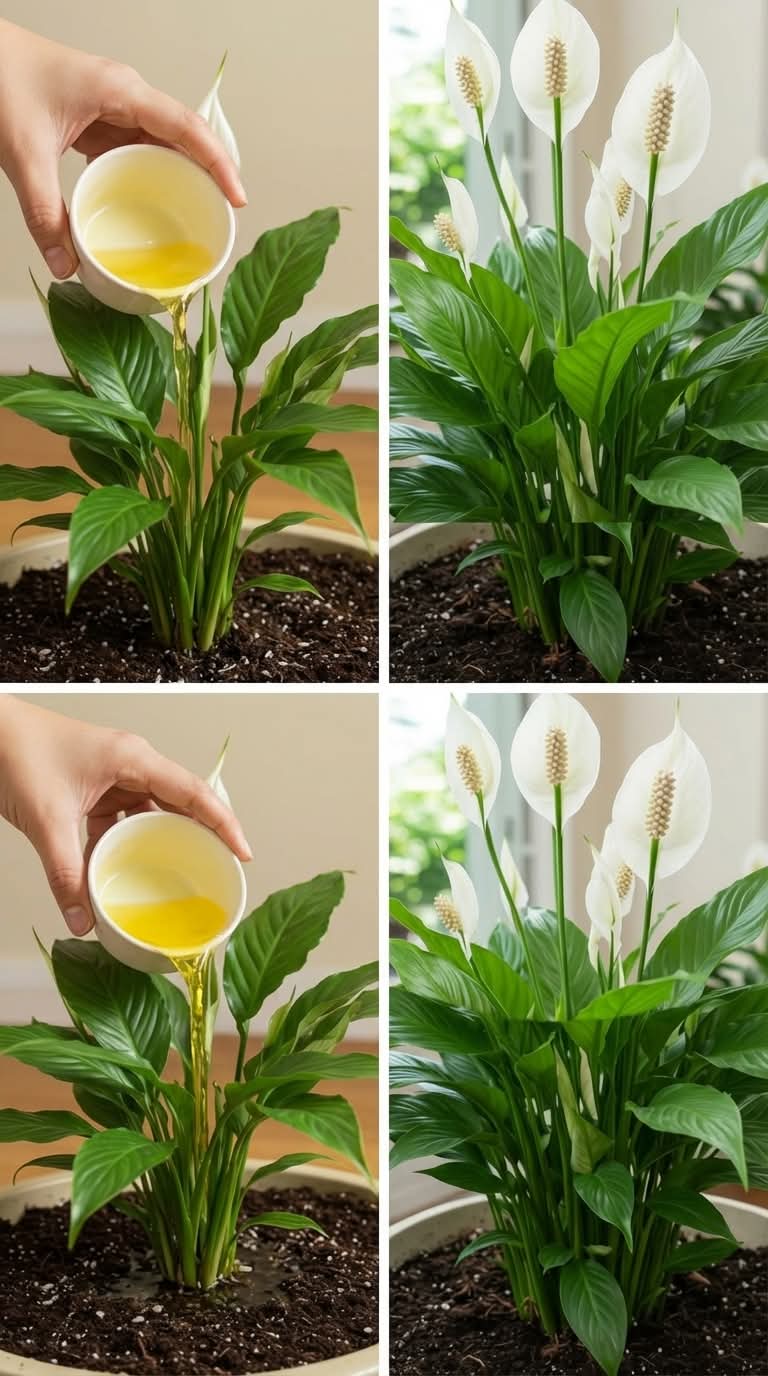
Just One Cup of This Kitchen Liquid… And Your Peace Lily Explodes With Flowers!
If you’ve ever struggled to get your peace lily to bloom, you’re not alone. Many plant lovers find that their lush green plant looks healthy—but those beautiful white flowers just don’t appear as often as expected. The good news? There’s a simple, natural plant fertilizer you can make right from your kitchen that may help…
-
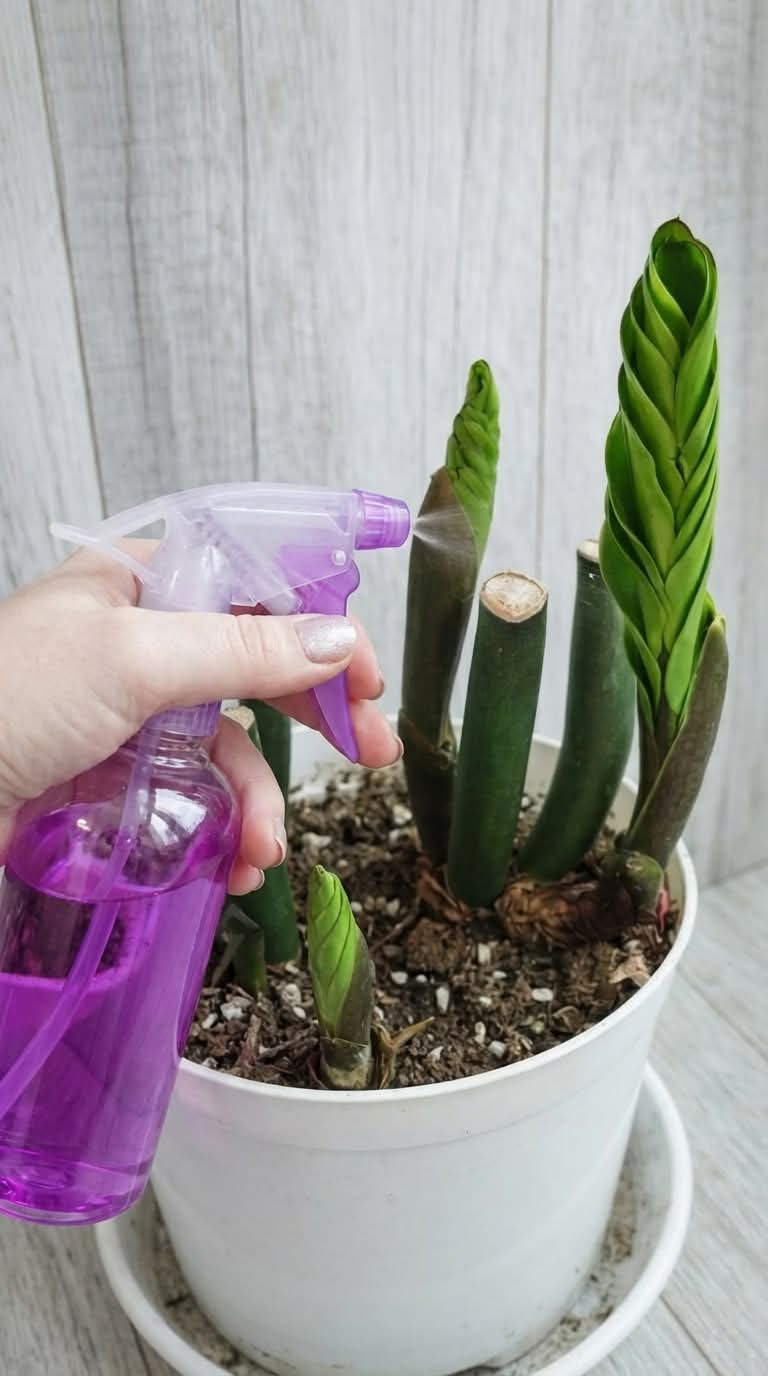
Just a Few Sprays of This Simple Mix… And Your ZZ Plant Wakes Up!
Is your ZZ plant looking stuck or slow to grow? This simple homemade leaf spray cleans dust, adds shine, and supports healthier growth. Easy recipe with neem oil for pest protection. Let me share the simple spray that brought my once‑dormant ZZ plant back to life. ZZ plants (Zamioculcas zamiifolia) are famous for being nearly…
-
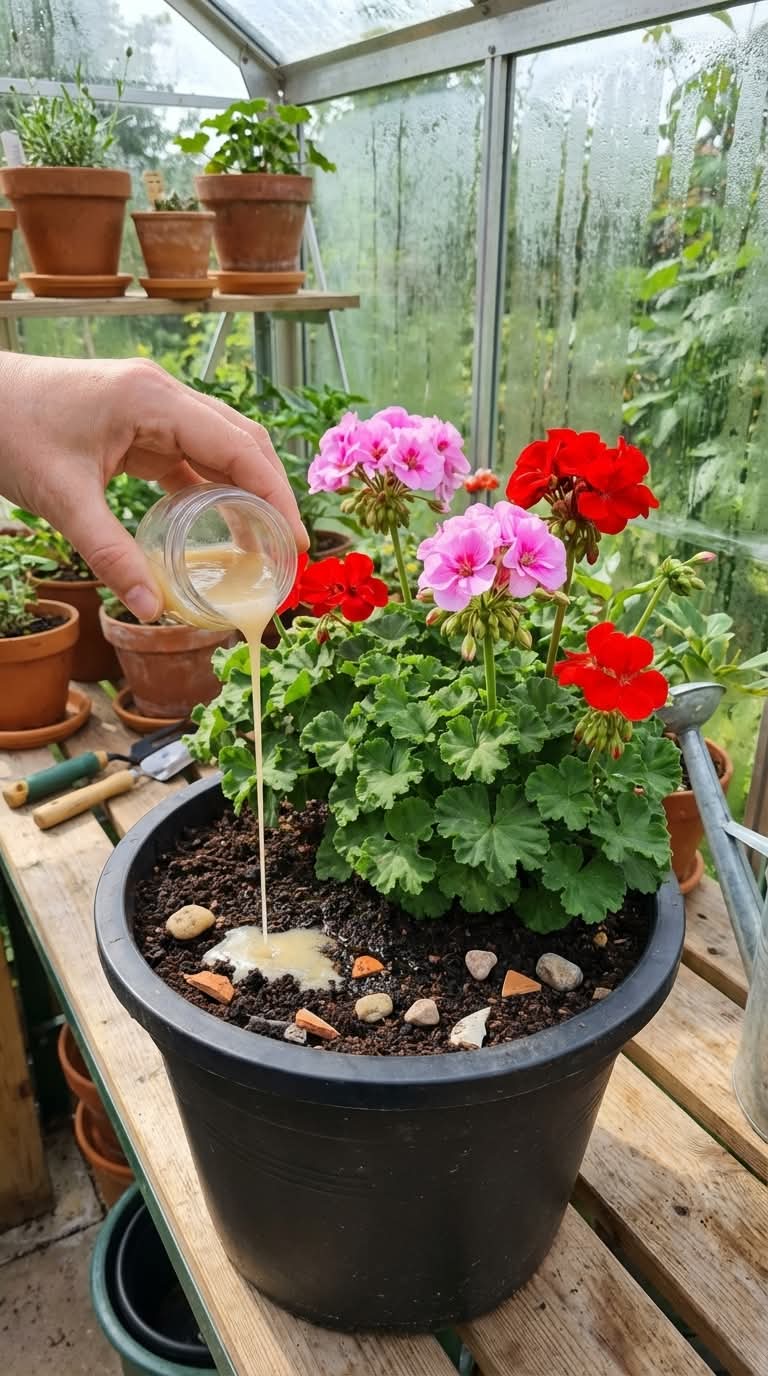
The Simple Trick That Makes Your Geraniums Bloom Bigger and Brighter – A Complete Guide
Want bigger, brighter geranium blooms? Discover the simple homemade sugar and lemon trick that boosts flowering, plus expert care tips for nonstop color all season long. Let me share the little secret that turned my average geraniums into show-stopping beauties. I’ve always loved geraniums. Their bright clusters of red, pink, white, and salmon flowers are…