
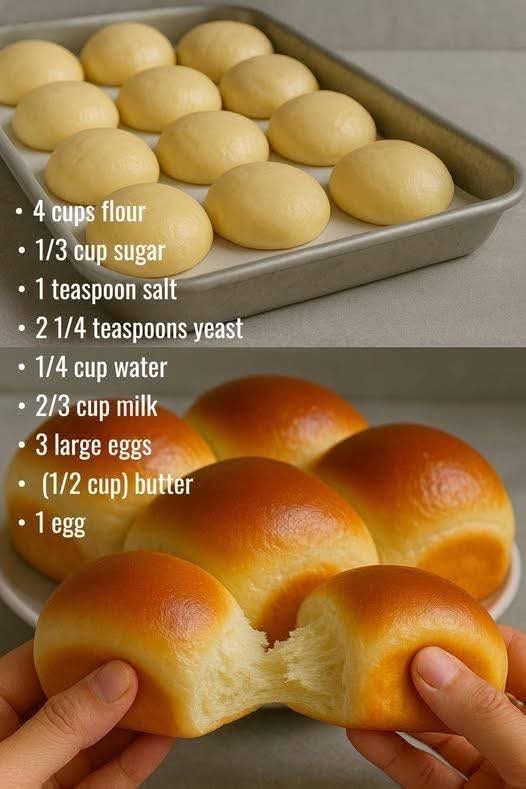
There are breads that taste good… and then there are breads that feel like a warm hug. Milk Brioche Rolls belong to the second category. Soft, pillowy, slightly sweet, and enriched with butter and eggs, these golden rolls are the kind of baked treat that disappears from the table faster than you can say “help yourself.”
Whether you’re a seasoned home baker or someone making yeast dough for the first time, milk brioche rolls are surprisingly easy to master, and the results? Absolute perfection. Imagine warm rolls with a shiny, bronzed crust, a tender crumb you can pull apart effortlessly, and a rich, buttery aroma that fills the whole kitchen.
This article guides you through everything you need to know to make the perfect milk brioche rolls—from ingredients to techniques and troubleshooting. By the time you finish reading, you’ll feel confident and excited to bake your first batch.
1. What Makes Brioche Different?
Brioche isn’t your average bread. It belongs to a category called enriched breads, meaning it contains ingredients like:
- Butter
- Milk
- Eggs
- Sugar
These enrich the dough, making it tender, soft, and deeply flavorful. While a traditional French brioche uses a high amount of butter, milk brioche rolls use just enough to create richness without being overly heavy.
The result is a bread that feels luxurious yet light—almost like a cross between bread and pastry.
2. Why Milk Brioche Rolls Are So Popular
You’ll find milk brioche rolls everywhere once you start looking: at bakeries, brunch tables, restaurants, and family gatherings. But what makes them universally loved?
They are incredibly soft and fluffy
They stay fresh for days thanks to the milk and butter
They pair with anything—sweet, savory, or eaten plain
They’re beginner-friendly
They freeze beautifully
They look stunning with their glossy, golden tops
And honestly… they’re just so fun to eat.
3. The Secret to Ultra-Soft Rolls
If you want your milk brioche rolls to be cloud-level soft, here are the secrets bakers swear by:
Use warmed milk (not hot!)
110°F (43°C) wakes up yeast without killing it.
Let the dough knead long enough
Brioche dough needs more kneading than regular bread. Expect 10–15 minutes in a stand mixer.
Add butter last
This ensures the gluten develops first, helping rolls rise beautifully.
Let the dough rise twice
Patience = soft rolls.
Use an egg wash
It creates that signature glossy brioche shine.
You’ll see all these steps in the recipe below.
4. Milk Brioche Rolls – Full Recipe
Here is the complete, polished recipe, developed from classic French brioche standards:
Ingredients
4 cups all-purpose flour
⅓ cup granulated sugar
1 teaspoon salt
2 ¼ teaspoons active dry yeast (one packet)
1 cup whole milk, warmed to 110°F
2 large eggs, room temperature
½ cup unsalted butter, softened
1 egg, for egg wash
Instructions
Step 1: Activate the Yeast
In a small bowl:
Warm the milk
Add sugar and yeast
Stir and let sit 5–10 minutes until foamy
This step ensures your yeast is alive and ready to work.
Step 2: Make the Dough
In a large bowl or stand mixer:
Add flour
Add salt
Pour in the yeast mixture
Add the 2 eggs
Mix until all ingredients are combined.
Step 3: Knead and Add Butter
Once the dough comes together:
Add softened butter, one tablespoon at a time
Continue kneading for 10–15 minutes
The dough should be smooth, elastic, and slightly sticky.
Step 4: First Rise
Place dough in a greased bowl.
Cover and let rise 1–2 hours, until doubled.
Step 5: Shape the Rolls
Punch down dough and divide into 12–15 equal pieces.
Shape each into a smooth ball and place on a baking tray.
Step 6: Second Rise
Cover the rolls and let them rise for 45–60 minutes until puffy.
Step 7: Bake
Preheat oven to 350°F (175°C).
Brush rolls with beaten egg.
Bake 18–22 minutes until golden brown.
5. Understanding the Dough: What “Perfect” Looks Like
Milk brioche dough is different from typical bread dough. Here’s what to expect:
It will feel softer and stickier
Kneading will take longer
Butter incorporation requires patience
The dough will become shiny and smooth
If your dough looks like this—you’re doing everything right.
6. Troubleshooting Guide
Even simple recipes can raise questions. Here’s how to fix common issues:
Dough too sticky?
Add a tiny amount of flour—but brioche dough should remain soft.
Rolls not rising?
Possible reasons:
Milk was too hot and killed the yeast
Dough was in a cold room
Yeast was expired
Rolls too dense?
Dough wasn’t kneaded long enough.
Rolls dry?
They were overbaked—try reducing bake time next batch.
7. How to Shape the Perfect Roll
Shaping makes a big difference in how the rolls bake.
Here’s the foolproof method:
Cut dough into even pieces
Flip each piece over so the smooth side is down
Cup your hand over it
Move your hand in a circular motion
The dough creates tension and forms a smooth ball
This helps the rolls rise evenly and bake beautifully.
8. Serving Suggestions
Milk brioche rolls are incredibly versatile. Try them:
Warm with butter and honey
As dinner rolls
With soups or stews
As sandwich sliders
For breakfast with jam
As mini brioche buns for burgers
One roll is never enough.
9. How to Store and Freeze Milk Brioche Rolls
Storage
Keep in an airtight container:
Room temperature: 3 days
Refrigerator: 5–6 days
Freezing
Milk brioche rolls freeze perfectly:
Wrap individually
Freeze for 2–3 months
Thaw and warm in oven for 5 minutes
They taste freshly baked all over again.
10. Make-Ahead Options
If you’re preparing for a holiday dinner or large gathering, try this:
Option A: Refrigerate the Dough Overnight
After kneading, refrigerate for up to 24 hours.
Shape and bake the next day.
Option B: Freeze Unbaked Rolls
Shape the rolls
Place on a tray to freeze
Then move to a bag
When ready to bake, thaw and rise for 2 hours.
This is a game-changer for busy schedules.
11. Variations to Try
Milk brioche rolls are a perfect base for fun flavors:
Honey Butter Brioche Rolls
Brush with honey-butter mixture after baking.
Garlic Parmesan Brioche
Add parmesan and garlic butter—heavenly with pasta.
Cinnamon Sugar Brioche
Brush with butter + roll in cinnamon sugar.
Instant dessert.
Chocolate Brioche Rolls
Add chocolate chips to the dough.
Kids go crazy for these.
12. Final Thoughts: The Rolls Everyone Will Ask For
Milk brioche rolls are more than bread—they’re a baking experience.
The kind of recipe that makes your home smell cozy, brings your family to the kitchen, and creates memories around the dinner table.
Soft, buttery, golden, and irresistibly fluffy…
These rolls are guaranteed to become your forever recipe.
Once you make them, you’ll understand why bakeries charge so much for brioche—
and why homemade brioche tastes even better.
More Recipes You Might Like
-

Just One Cup of This Kitchen Liquid… And Your Peace Lily Explodes With Flowers!
If you’ve ever struggled to get your peace lily to bloom, you’re not alone. Many plant lovers find that their lush green plant looks healthy—but those beautiful white flowers just don’t appear as often as expected. The good news? There’s a simple, natural plant fertilizer you can make right from your kitchen that may help…
-

Just a Few Sprays of This Simple Mix… And Your ZZ Plant Wakes Up!
Is your ZZ plant looking stuck or slow to grow? This simple homemade leaf spray cleans dust, adds shine, and supports healthier growth. Easy recipe with neem oil for pest protection. Let me share the simple spray that brought my once‑dormant ZZ plant back to life. ZZ plants (Zamioculcas zamiifolia) are famous for being nearly…
-

The Simple Trick That Makes Your Geraniums Bloom Bigger and Brighter – A Complete Guide
Want bigger, brighter geranium blooms? Discover the simple homemade sugar and lemon trick that boosts flowering, plus expert care tips for nonstop color all season long. Let me share the little secret that turned my average geraniums into show-stopping beauties. I’ve always loved geraniums. Their bright clusters of red, pink, white, and salmon flowers are…