
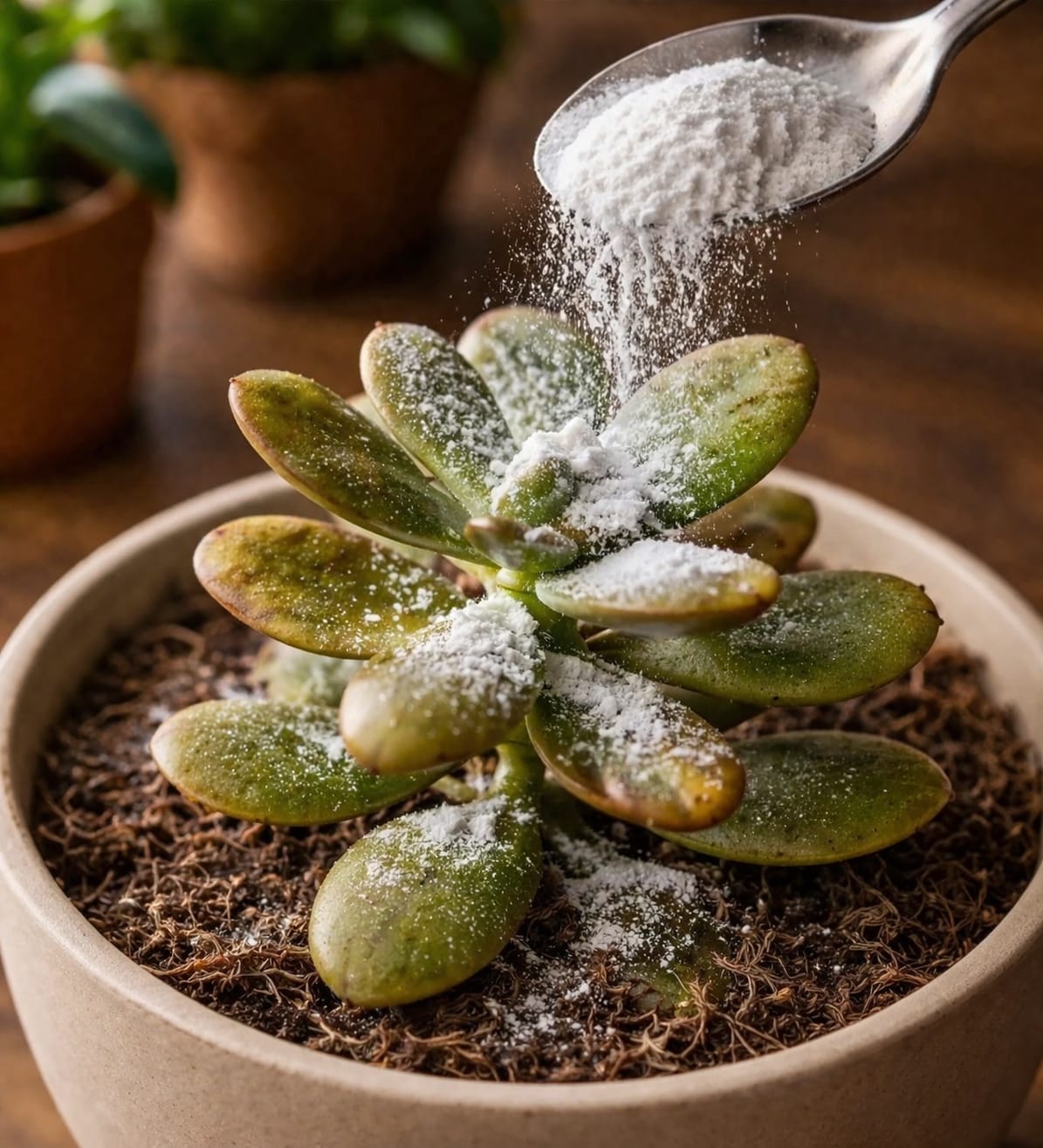
Is your jade plant looking dull or growing slowly? You might be making this common mistake – adding powders, sugar, or “boosters” that actually harm succulents. Learn the simple fixes for a thriving jade plant.
Let’s be honest: at first glance, my jade plant looked perfectly healthy. The leaves were green, the shape was full, and nothing seemed obviously wrong. I watered it when I remembered, gave it a spot by the window, and assumed everything was fine.
But over time, I started noticing small changes – slower growth, dull‑looking leaves, and a lack of that vibrant, glossy finish jade plants are known for. The plant wasn’t dying, but it definitely wasn’t thriving.
I thought I needed a special fertilizer… or some secret trick. Maybe a sprinkle of coffee grounds? A dash of Epsom salt? Or that viral “plant food” powder I saw on social media?
Turns out, I was making one simple mistake that many plant owners don’t even realize. And once I stopped, the difference was dramatic.
In this guide, I’ll share exactly what I was doing wrong, why it was harming my jade plant, and – most importantly – what actually works to help your jade plant thrive. No magic powders, no kitchen hacks. Just simple, effective care.
Let’s fix that jade plant.
The Mistake: Adding the Wrong “Boost”
Like many people, I believed that adding substances – sugar, powdered “plant food,” coffee grounds, or even crushed eggshells – would give my plant a boost. I’d see videos online claiming that a spoonful of this or that would make succulents grow faster, shine brighter, or bloom more.
So I tried a few. I sprinkled a little powdered fertilizer directly onto the soil. I dusted the leaves with a “natural shine” powder. I even poured a sugar solution into the pot, thinking it would feed the roots.
Here’s the reality: sprinkling powder, sugar, or any dry substance directly on your jade plant (or any succulent) can actually harm it.
Why Powders and Sugars Damage Jade Plants
Jade plants (Crassula ovata) are succulents. They’ve evolved to thrive in dry, rocky, low‑nutrient environments. Their leaves store water, and their roots are adapted to absorb moisture quickly from infrequent rain. They are not designed to handle sugary or powdery coatings.
Problem Explanation
Blocks light absorption Powder sitting on leaf surfaces creates a barrier, reducing the amount of light that reaches the plant’s photosynthetic cells.
Traps moisture Powders can absorb humidity from the air, creating a damp layer on leaves that encourages fungal growth and rot.
Attracts pests Sugar and organic powders are magnets for ants, fungus gnats, and mold.
Clogs stomata Leaves have tiny pores (stomata) for gas exchange. Powder can block them, suffocating the leaf.
Causes chemical burns Some powders (like baking soda or certain fertilizers) can burn leaf tissue, especially in bright light.
Alters soil pH Coffee grounds, eggshell powder, and other kitchen “amendments” can shift soil pH to levels that jade plants don’t tolerate.
What seems like “plant food” often becomes a problem instead of a solution.
Why I Thought I Was Helping (And Why You Might, Too)
It’s easy to fall into the “more is better” trap. We see our plants every day, and we want them to grow faster, look greener, and be healthier. When growth seems slow, we assume the plant needs a nutrient boost.
But jade plants are naturally slow growers. A healthy jade plant might only put out a few new leaves per month – and that’s normal. Adding unnecessary substances doesn’t speed up growth; it usually causes stress.
The signs that something was wrong were subtle:
· Leaves that used to be glossy became matte and dull.
· New leaves were smaller than usual.
· The plant dropped a few lower leaves for no apparent reason.
· Growth almost stopped entirely for months.
Once I stopped adding powders and switched to proper care, the plant bounced back within weeks.
What Jade Plants Actually Need (No Hacks Required)
The truth is much simpler than most people think. Jade plants thrive on neglect – in the best way. They don’t need daily attention, special potions, or complicated routines. Here’s what they actually need.
💧 1. Proper Watering – The #1 Rule
Overwatering is the single most common cause of jade plant problems.
Watering Guideline Details
When to water Only when the soil is completely dry all the way through. Stick your finger 2 inches into the soil – if it feels dry, water. If damp, wait.
How often In bright light: every 10–14 days. In lower light: every 3–4 weeks. Always check the soil, not the calendar.
How to water Water thoroughly until it runs out the drainage holes. Empty the saucer immediately – never let the plant sit in standing water.
Seasonal adjustment Reduce watering in winter (once a month or even less).
Signs of overwatering: Yellow, mushy, or translucent leaves; leaves falling off easily; soft, wrinkled stem at the base; foul smell from soil.
Signs of underwatering: Wrinkled, shriveled leaves; leaves that feel thin and flexible; dry, brown leaf tips.
☀️ 2. Bright Light – The Real Growth Booster
Jade plants are often sold as “low‑light” plants, but that’s misleading. They will survive in low light, but they won’t thrive.
Light Level Result
Bright, indirect light (east or west window) Ideal – leaves stay compact, develop red tips (stress color), and grow steadily.
Direct morning sun (south or east window) Good – a few hours of direct sun encourages strong growth and red edges.
Low light (north window or dark corner) Poor – leaves become dark green, thin, and leggy; growth slows dramatically.
Harsh afternoon sun Can scorch leaves (brown, crispy patches). Introduce gradually.
Pro tip: If your jade plant is stretching out with long spaces between leaves (etiolation), it’s not getting enough light. Move it closer to a window or use a grow light.
🌬️ 3. Clean, Dry Leaves – Let Them Breathe
Jade plant leaves need to be clean to absorb light effectively. Dust buildup is a common but overlooked problem.
What to Do Why It Helps
Wipe leaves gently with a soft, damp cloth Removes dust without damaging the waxy coating.
Use a soft brush (paintbrush or makeup brush) for tight spaces Prevents scratching.
Do this every 2–4 weeks Keeps leaves able to photosynthesize efficiently.
Never: Use oil, milk, mayonnaise, or commercial leaf shine products. These coat the leaves and block stomata.
🌿 4. Minimal Feeding – Less Is More
Jade plants are not heavy feeders. Over‑fertilizing causes more harm than good.
Feeding Guideline Details
When to fertilize Only during the growing season (spring and summer).
What to use A balanced, water‑soluble fertilizer diluted to half strength (e.g., 10-10-10 or a cactus/succulent fertilizer).
How often Once every 4–6 weeks.
When not to fertilize Fall and winter (plant is resting); newly repotted plants (wait 2–3 months).
Never fertilize a dry plant – water first to prevent root burn. And never sprinkle dry fertilizer directly on the soil or leaves – always dilute in water.
🪴 5. Well‑Draining Soil and Pot
Jade plants need soil that dries out quickly and a pot that allows excess water to escape.
Requirement Details
Soil Cactus/succulent mix, or DIY: 2 parts potting soil + 1 part perlite + 1 part coarse sand.
Pot Must have drainage holes. Terracotta pots are ideal – they wick away moisture.
Pot size Only 1–2 inches larger than the root ball. Too large = too much soil = water retention.
Signs You’re Doing It Right (After Stopping the Hacks)
Once I stopped adding powders and switched to proper care, the difference was clear within a few weeks:
Before (With Mistakes) After (Proper Care)
Dull, matte leaves Glossy, vibrant leaves
Slow or no new growth Regular new leaves at the tips
Leaves felt soft or thin Leaves became firm and plump
Occasional leaf drop Stable, healthy foliage
Pale green color Rich green with possible red edges
The plant looked more vibrant overall – not because I added something, but because I stopped adding things it didn’t need.
The Lesson I Learned – And Why It Matters
Sometimes, the biggest mistake isn’t neglect. It’s overdoing things in the name of helping.
We see our plants every day. We want them to grow faster, look better, be healthier. So we try every “hack” we see online – sugar water, coffee grounds, eggshells, powdered “boosters,” even oil sprays.
But jade plants (and most succulents) evolved in harsh, nutrient‑poor environments. They don’t need constant feeding or special treatments. They need:
· Light – bright, indirect sunlight.
· Proper watering – deep, but infrequent.
· Clean leaves – dusted, not coated.
· Well‑draining soil – and a pot with holes.
· Patience – slow growth is normal.
The best thing you can do for your jade plant is often less.
Common “Boosters” to Avoid (And What to Do Instead)
Viral Hack Why It’s Harmful Better Alternative
Sprinkling coffee grounds Too acidic; can burn roots; compacts soil Use a diluted succulent fertilizer (spring/summer only)
Sugar water Feeds mold and bacteria; attracts pests Plain water when soil is dry
Eggshell powder Takes months to break down; minimal calcium benefit Use a balanced fertilizer if needed
Epsom salt Can cause magnesium toxicity; alters soil Only if diagnosed deficiency (rare)
Powdered “plant food” on leaves Blocks stomata; causes burns Dilute liquid fertilizer applied to soil
Oil or milk on leaves Clogs pores; traps dust; causes rot Damp cloth for cleaning
The rule of thumb: If you wouldn’t put it on your own skin (or eat it), don’t put it on your jade plant’s leaves. And for soil, stick to products labeled for succulents.
When to Actually Fertilize (The Right Way)
If your jade plant has been in the same pot for over a year and you’ve never fertilized, a light feeding can help. But follow these rules:
- Only in spring or summer – never in fall or winter.
- Use a succulent or cactus fertilizer – or a balanced houseplant fertilizer at half strength.
- Dilute in water – never apply dry granules directly.
- Water the plant first – never fertilize dry soil.
- Stop if you see signs of over‑fertilizing – brown leaf tips, salt crust on soil, or sudden leaf drop.
A simple recipe: Mix ¼ teaspoon of 10-10-10 water‑soluble fertilizer into 1 gallon of water. Use this solution once a month during spring and summer instead of plain water.
Frequently Asked Questions (FAQs)
Q: Can I use coffee grounds on my jade plant?
No. Coffee grounds are acidic and can lower soil pH too much for jade plants. They also tend to compact, reducing drainage. Compost them first, then use sparingly in outdoor gardens – not on indoor succulents.
Q: Why are my jade plant leaves turning yellow?
Yellow leaves are usually a sign of overwatering. Check the soil – if it’s wet, stop watering and let it dry out completely. If the stem is soft, you may have root rot.
Q: How do I make my jade plant shiny without using oil?
Clean leaves with a soft, damp cloth. That’s it. The natural waxy coating will be visible once dust is removed. No oil needed.
Q: Can I use Epsom salt for jade plants?
Only if you have a diagnosed magnesium deficiency (rare). Epsom salt can cause salt buildup and harm roots. Stick to a balanced succulent fertilizer.
Q: My jade plant is dropping leaves, but the leaves are dry and shriveled – not mushy. What’s wrong?
That’s underwatering. Give it a thorough drink. The leaves should plump up within 24–48 hours. Adjust your watering schedule.
Q: How often should I repot my jade plant?
Every 2–3 years, or when roots are growing out of the drainage holes. Repot in spring, using fresh succulent soil. Do not water for a week after repotting.
Q: Can I put my jade plant outside in summer?
Yes – jade plants love being outside in warm weather. Acclimate slowly: start in shade for a week, then move to morning sun. Bring inside before temperatures drop below 50°F (10°C).
Q: Why isn’t my jade plant growing?
Most likely: not enough light. Move it to a brighter window. Also check: is it root‑bound? Is it winter (dormant season)? Is the soil too wet? Address these before considering fertilizer.
Final Thoughts – Simple Care Wins Every Time
If your jade plant looks “okay” but not amazing, take a step back and ask: Am I adding things it doesn’t actually need?
Because often, the best thing you can do is less.
Stop the powders. Stop the sugar water. Stop the kitchen hacks. Focus on the basics:
· Water only when the soil is bone dry.
· Give it bright, indirect light.
· Keep leaves clean with a damp cloth.
· Use well‑draining soil and a pot with holes.
· Fertilize sparingly, only in spring and summer.
That’s it. No magic, no secrets. Just consistent, simple care.
Once I stopped my mistake and returned to the basics, my jade plant transformed. The leaves became firm and glossy. New growth appeared. It looked vibrant – not because I added something, but because I stopped interfering.
Your jade plant doesn’t need a miracle. It just needs you to trust the basics.
Now it’s your turn! Have you tried any “hacks” on your succulents? What worked – or didn’t? Drop a comment below – I’d love to hear your experience.
And if you found this guide helpful, share it with a friend who’s been sprinkling coffee grounds on their jade plant. Pin it for later, and subscribe to our newsletter for more no‑hype, evidence‑based plant care.
Stay simple, stay patient, and let your jade plant thrive. 🌿✨
More Ideas You Might Like
-
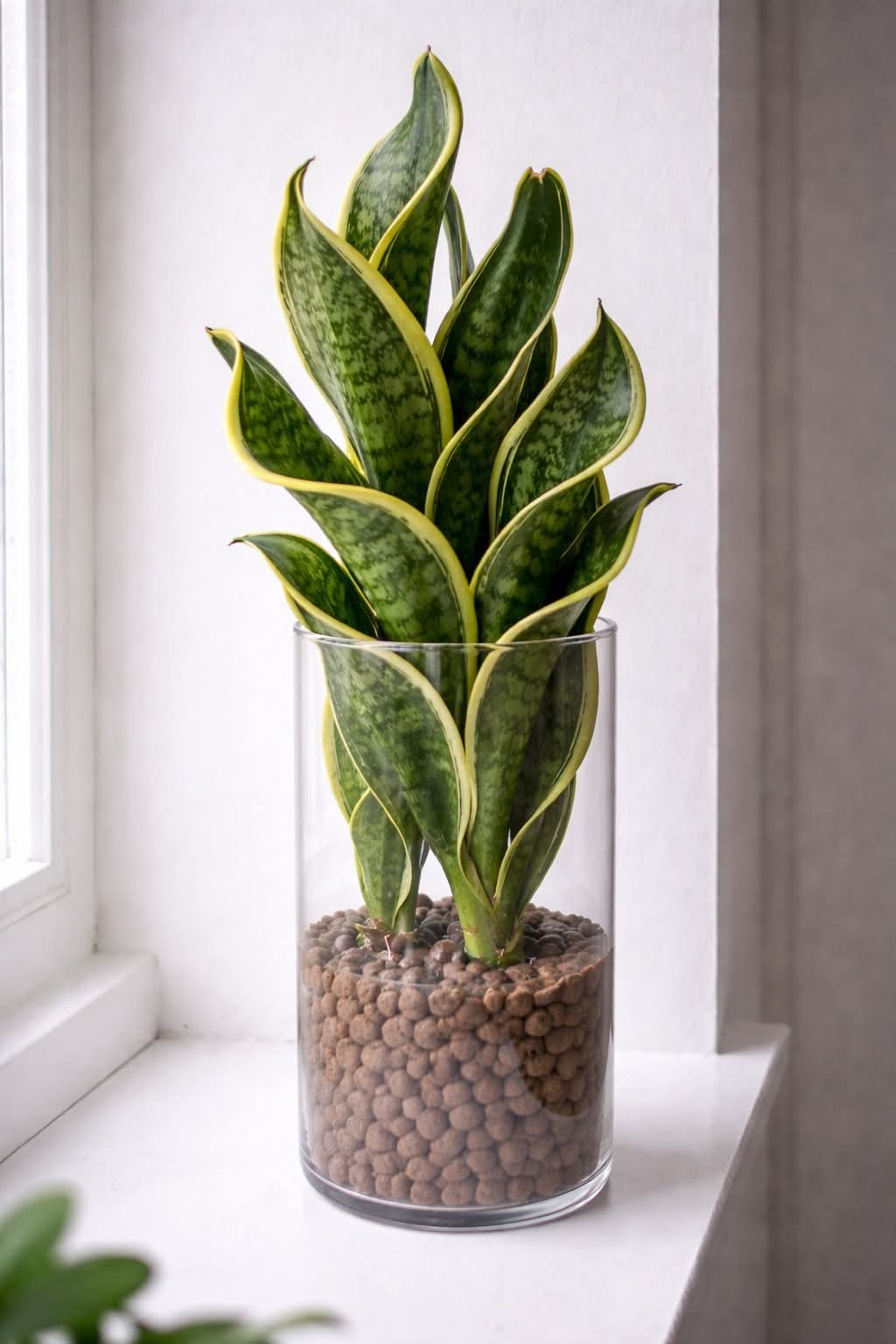
My Hydroponic Snake Plant Setup: A Simple Soil-Free Method That Actually Works
Growing a snake plant hydroponically in LECA clay pebbles and water is easier than you think. Learn how to transition your plant from soil to a clean, low‑maintenance hydroponic setup that promotes healthy roots and modern style. Let’s be honest: snake plants are beloved for their tough, forgiving nature. But even the easiest houseplant can…
-
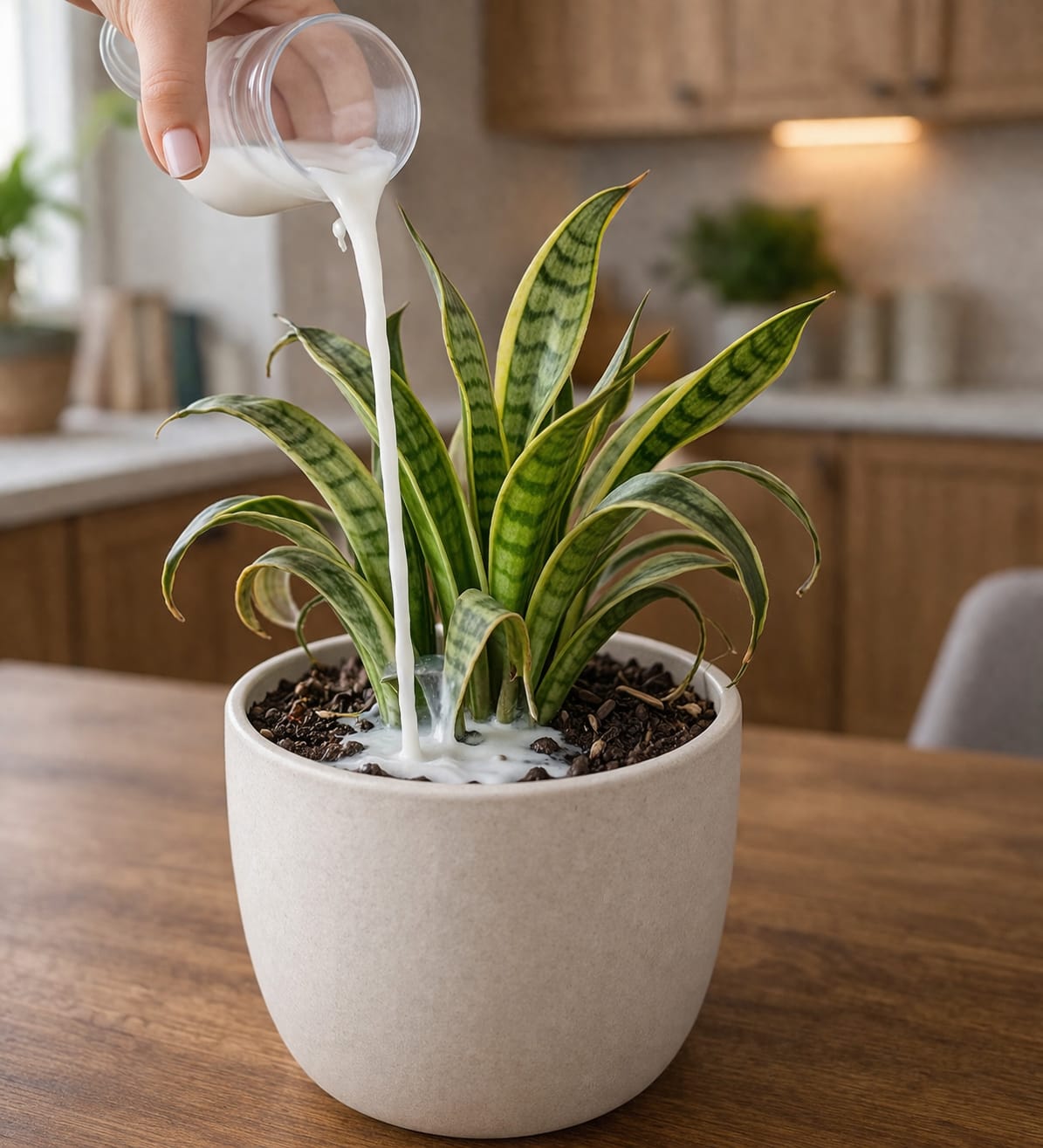
My Snake Plant Started Growing Better After This Simple Indoor Trick – And It’s Not What You Think
Is your snake plant just surviving, not thriving? The secret isn’t milk or magic potions – it’s fixing the basics. Learn the simple indoor adjustment that finally made my snake plant grow faster and healthier. Let’s be honest: for the longest time, my snake plant just… existed. It wasn’t dying – the leaves were green,…
-
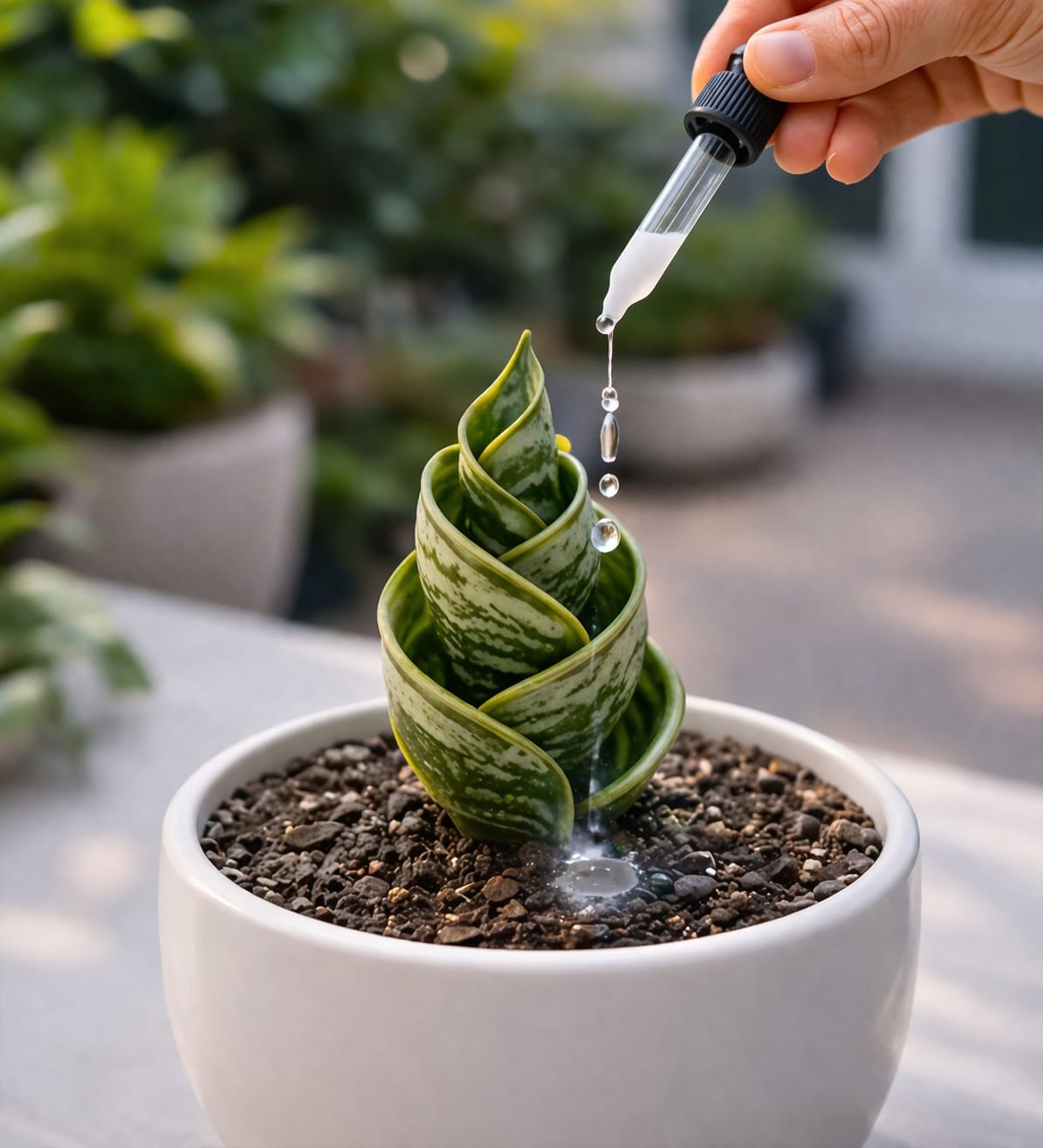
The Snake Plant Growth Trick Smart Homeowners Are Using Indoors — And the Difference Shows Faster Than You’d Think
Want your snake plant to grow faster and look healthier? The real trick isn’t a secret potion – it’s consistent care. Learn the simple indoor adjustments that produce visible results in weeks. Let’s be honest: snake plants (Sansevieria, now Dracaena) have a reputation for being nearly indestructible. They survive low light, infrequent watering, and general…