
The viral hack of placing garlic cloves near snake plants is taking over social media. Does it really repel pests, boost growth, or work like a natural fertilizer? Learn the science, benefits, risks, and better alternatives.
If you’ve been on plant TikTok, Instagram Reels, or gardening forums lately, you’ve probably seen it: a person placing a whole garlic clove (or several) in the soil of a snake plant, with captions like “Try this and watch your plant explode with growth!” or “The pest repellent secret that actually works!” 🧄🌱
It’s one of those viral gardening hacks that sounds too simple to be true—and sometimes, too simple to be effective. But could there be real benefits to putting garlic near your snake plant? Or is this just another internet trend that might actually harm your plant?
As someone who’s grown snake plants (Dracaena trifasciata, formerly Sansevieria) for years, I’ve seen plenty of “hacks” come and go. Some are brilliant, some are harmless, and some can do more harm than good. In this guide, I’ll break down the garlic trick: what it’s supposed to do, what the science says, how to try it safely (if you want), and what you should actually be doing to keep your snake plant thriving.
What’s the Claim? Why Are People Putting Garlic in Snake Plant Soil?
Across social media, proponents of the garlic hack claim several benefits:
· Repels pests – Aphids, spider mites, fungus gnats, and even mealybugs supposedly hate the smell of garlic.
· Antifungal protection – Garlic contains compounds that may help prevent soil-borne fungal diseases.
· Boosts growth – Some say the nutrients in garlic act as a natural fertilizer, encouraging new leaves and pups.
· Enhances root health – The sulfur compounds are said to stimulate root development.
The idea is simple: bury a whole garlic clove (or a few) in the soil near the plant, or place them on top, and the garlic slowly releases its compounds into the soil or the surrounding air, creating a protective barrier and providing nutrients.
But is there any truth to these claims? Let’s separate fact from fiction.
The Science Behind Garlic in Gardening
Garlic (Allium sativum) has been used in gardening for centuries. Its active compounds include allicin, sulfur, and various antioxidants. These compounds give garlic its strong smell and many of its antimicrobial and pesticidal properties.
- Pest Repellent – Plausible
Garlic’s strong odor can indeed repel certain insects. Studies have shown that garlic extracts can deter aphids, whiteflies, and spider mites when sprayed on plant leaves . However, the key word here is extract—concentrated garlic oil or spray is far more potent than a single buried clove.
A clove in the soil may produce a mild smell, but it’s unlikely to significantly affect airborne pests. For soil-dwelling pests like fungus gnats, the smell may not reach far enough to make a difference.
- Antifungal Properties – Possibly, but Limited
Garlic has natural antifungal properties thanks to allicin. Some gardeners use garlic water to combat root rot and fungal diseases. However, a whole clove in soil will release these compounds very slowly, and the effect may be negligible. If you’re dealing with active root rot, burying garlic won’t fix it—you need to address overwatering and repot in fresh soil.
- Fertilizer Value – Minimal
Garlic contains small amounts of nutrients—potassium, phosphorus, and sulfur—but not in concentrations that would significantly nourish a plant. A single clove will not provide the balanced nutrition your snake plant needs to grow. If your goal is to fertilize, there are far better options (see later section).
- Root Stimulant – Unproven
Some gardeners claim that the sulfur in garlic stimulates root growth. While sulfur is an essential micronutrient, plants need it in very small amounts. A buried clove is unlikely to deliver enough to make a noticeable difference.
Potential Risks of Putting Garlic in Your Snake Plant’s Soil
Before you try this hack, it’s important to understand the risks. Snake plants are tough, but they’re also sensitive to certain conditions.
- Root Rot & Mold
A whole garlic clove buried in the soil can rot, especially if the soil stays moist. This can introduce fungus or bacteria, potentially harming the plant’s roots. In some cases, people have reported that the garlic sprouted and started growing, competing with the snake plant.
- Unpleasant Smell
As the garlic decomposes, it can produce a strong, sometimes unpleasant odor. This is especially true in enclosed indoor spaces.
- Ineffective for Pests
If you’re dealing with an active pest infestation, a garlic clove in the soil won’t solve it. You may waste time while the problem worsens.
- Salt Buildup
Garlic contains natural salts that can accumulate in the soil over time, potentially leading to soil imbalance.
How to Try the Garlic Hack Safely (If You Want)
If you’re curious and want to give it a try despite the mixed evidence, here’s how to do it with minimal risk.
What You’ll Need
· 1–2 fresh garlic cloves (organic is best)
· Your snake plant in well-draining soil
· A small tool to make a hole (like a chopstick)
Step-by-Step
- Choose fresh, firm garlic cloves – Avoid cloves that are sprouting or soft.
- Make a small hole near the edge of the pot, away from the central rosette of leaves.
- Insert the clove about 1–2 inches deep, leaving it intact (do not crush).
- Cover with soil and water normally.
- Observe your plant over the next few weeks. If you notice any signs of distress—yellowing leaves, mold on soil surface, or unpleasant smell—remove the clove.
Important: Do not place garlic directly against the plant’s stem or leaves. Keep it near the pot’s edge to avoid direct contact with roots.
Better Alternatives: Natural Pest Control & Fertilizer for Snake Plants
Instead of relying on a viral hack, consider these proven methods to keep your snake plant healthy, pest-free, and thriving.
- Neem Oil – The Gold Standard for Pest Control
Neem oil is a natural, plant-based insecticide that works against aphids, spider mites, mealybugs, and fungus gnats. Mix with water and a drop of dish soap, then spray on leaves and soil surface as needed.
- Cinnamon – Natural Antifungal
Cinnamon has mild antifungal properties. Sprinkle a thin layer on the soil surface to help prevent mold and fungus gnats. It won’t harm your plant and smells pleasant.
- Diatomaceous Earth – For Soil Pests
Food-grade diatomaceous earth (DE) is a powder made from fossilized algae. Sprinkle it on dry soil to kill fungus gnat larvae and other crawling insects. It’s safe for plants and pets (but avoid inhaling the dust).
- Gentle Natural Fertilizers
Instead of garlic, use:
· Banana peel water (soak peels in water for 24–48 hours, then water plant)
· Diluted coffee grounds (mix a small amount into the topsoil every few weeks)
· Compost tea (steep finished compost in water, strain, and use)
· Balanced liquid fertilizer diluted to half strength once in spring and summer
These provide actual nutrients without the risks of rotting organic matter.
Snake Plant Care Basics: What It Really Needs to Thrive
Before you worry about hacks, make sure your snake plant has its fundamental needs met. These are the things that actually determine whether your plant grows, stays healthy, and produces pups.
- Bright, Indirect Light 🌞
Snake plants can survive in low light, but they won’t grow much. For active growth and pups, place them in bright, indirect light—an east-facing window or a few feet back from a south- or west-facing window.
- Infrequent, Deep Watering 💧
Overwatering is the #1 killer. Let the soil dry out completely between waterings. In low light or winter, this may mean watering only once a month.
- Well-Draining Soil & Pot
Use a cactus/succulent mix or add perlite to regular potting soil. The pot must have drainage holes—never let the plant sit in water.
- Slight Root-Bound Conditions
Snake plants often produce more pups when they’re slightly crowded. Don’t repot too often; wait until roots are visibly circling or cracking the pot.
- Gentle Feeding During Growing Season
Fertilize once in spring and once in summer with a balanced, diluted fertilizer or a natural alternative. Skip feeding in fall and winter.
- Warm Temperatures
Keep your snake plant away from cold drafts and maintain temperatures between 60–85°F (15–29°C).
Frequently Asked Questions
Q: Does garlic really repel pests from snake plants?
A: Garlic’s smell can deter some pests when used as a spray or extract, but a buried clove is unlikely to have a significant effect. For active infestations, use neem oil or insecticidal soap.
Q: Can I use garlic water to water my snake plant?
A: Yes, you can make a mild garlic water by steeping crushed garlic in water for a few hours, then straining and using it to water. This is gentler than burying a whole clove and may offer mild antifungal benefits. Use it only occasionally.
Q: Will garlic make my snake plant grow faster?
A: No. Garlic does not provide the balanced nutrients (nitrogen, phosphorus, potassium) that plants need for growth. Use a proper fertilizer for growth.
Q: What should I do if I already put garlic in my snake plant soil?
A: If it’s been less than a few days, you can carefully dig out the clove. If it’s been longer and you notice any signs of distress (yellowing leaves, mold, smell), remove it immediately and flush the soil with water.
Q: Is there any benefit to putting garlic in the soil of any plant?
A: Some gardeners use small amounts of crushed garlic as a companion planting technique to repel pests, but it’s not a substitute for proper care. In container plants, it’s often unnecessary and can cause more problems than benefits.
Conclusion: Should You Try the Garlic Hack?
The viral garlic clove trick for snake plants is one of those garden hacks that sounds plausible but lacks strong evidence. While garlic has real benefits as a pest repellent and antifungal in concentrated forms, a single buried clove is unlikely to transform your plant’s health.
If you want to try it – do so cautiously, placing the clove near the edge of the pot, and watch for any negative signs. Remove it if you notice rot or smell.
If you want real results – focus on the fundamentals: light, water, soil, and gentle, appropriate fertilizer. These are the things that will actually make your snake plant thrive, produce pups, and stay pest-free.
Have you tried this hack? What were your results? Share your experience in the comments below! And if you’re looking for more snake plant care tips, check out our guides on How to Make a Snake Plant Bloom, Propagation Tips, and Natural Fertilizers for Houseplants.
Happy planting! 🌿✨
Did this article help you decide? Share it with a fellow plant lover who’s been tempted by the garlic hack!
More Recipes You Might Like
-
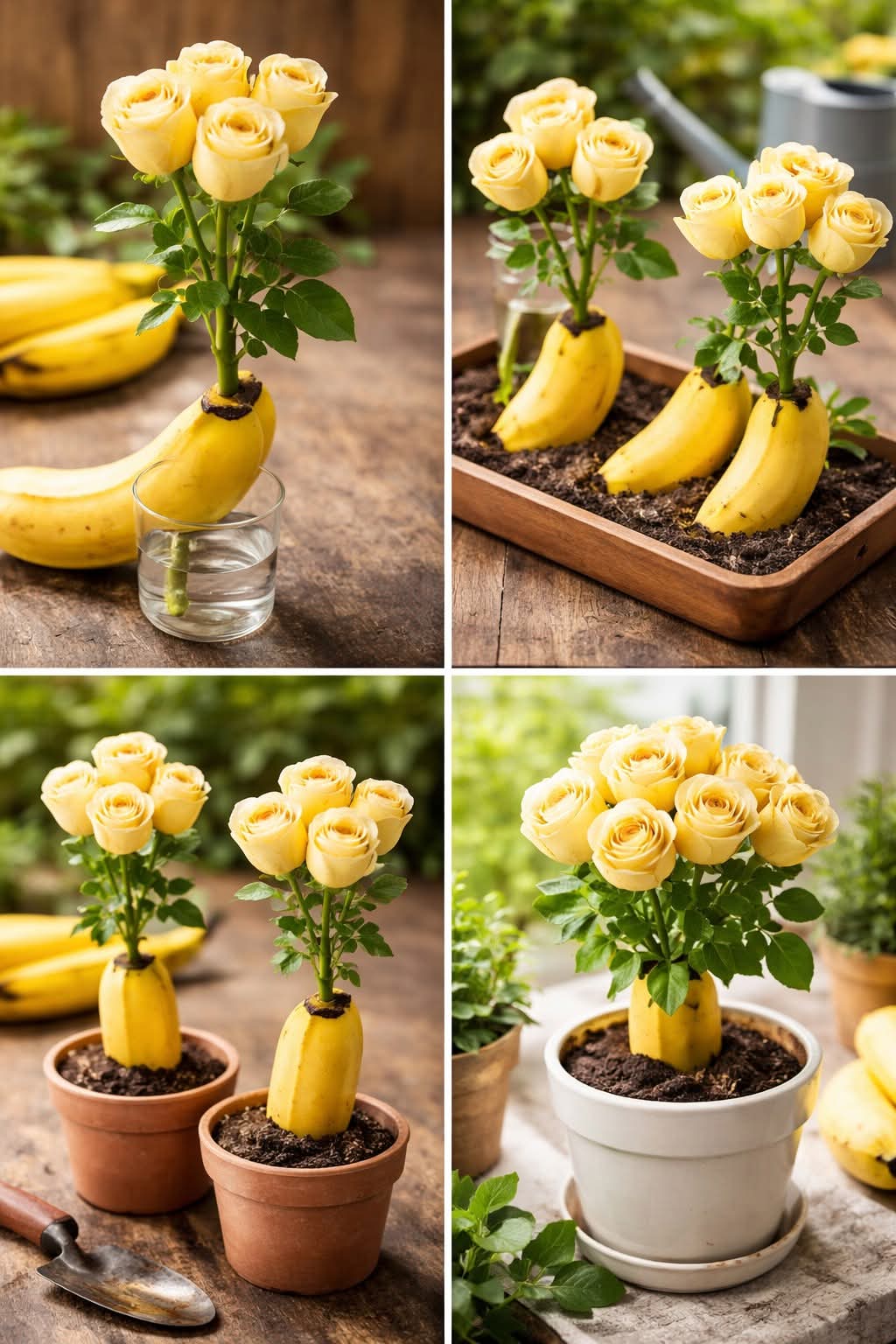
How to Reproduce Roses Infinitely with the Banana Method
If you love roses but have struggled to propagate them successfully, you’re not alone. Rose cuttings can be notoriously finicky—they often dry out or rot before roots ever form. But there’s a surprising, natural solution that might already be in your kitchen: a simple banana. This method has been gaining attention among gardeners for its…
-
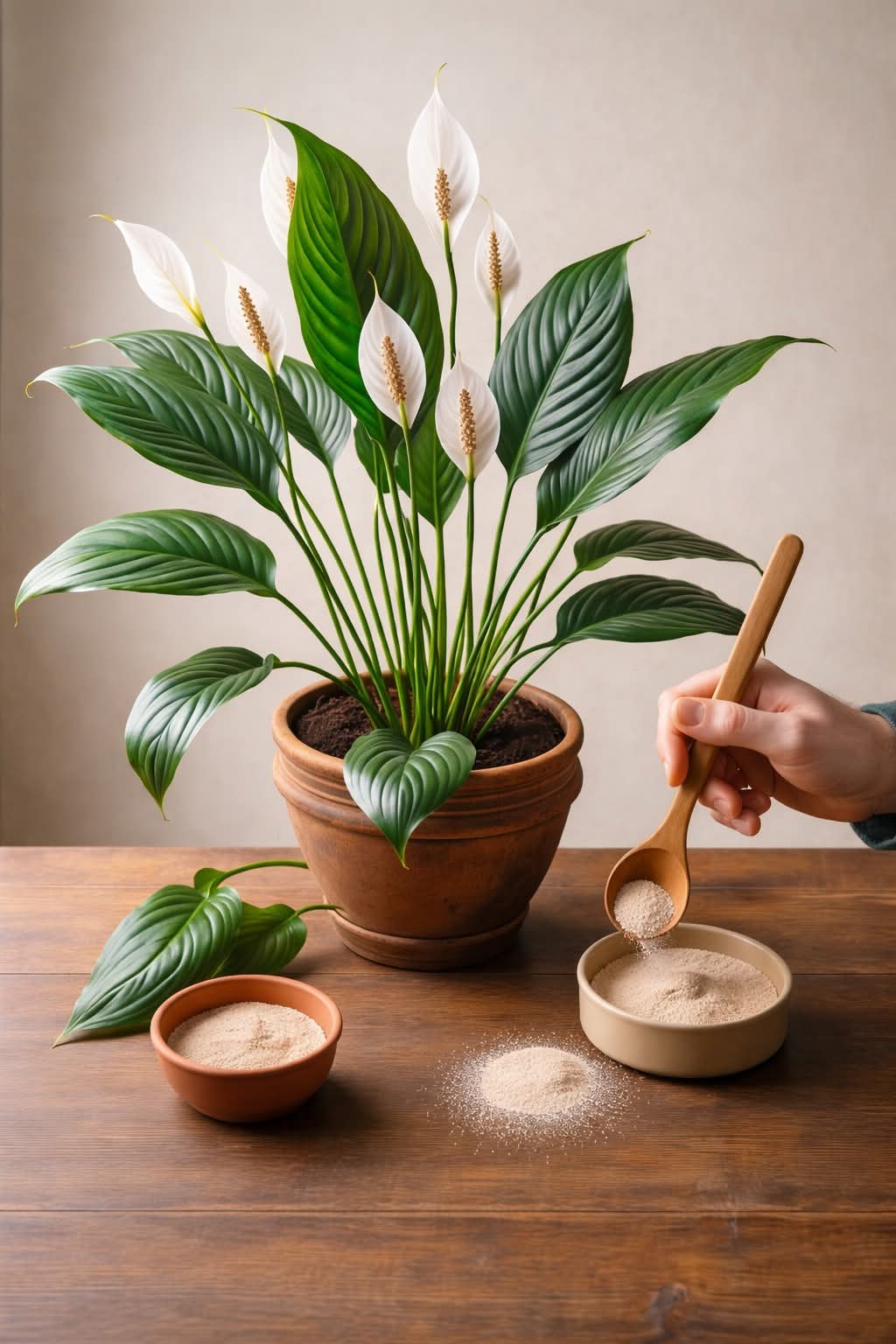
The One Cup Trick How to Revive a Peace Lily and Get It Blooming Again
Is your peace lily refusing to bloom? You’re not alone. Discover the simple one‑cup natural mix that can encourage those elegant white flowers to reappear. Easy, organic, and surprisingly effective. If your peace lily isn’t blooming as much as you’d like, you’re not alone. Many plant lovers struggle to get those elegant white flowers to…
-
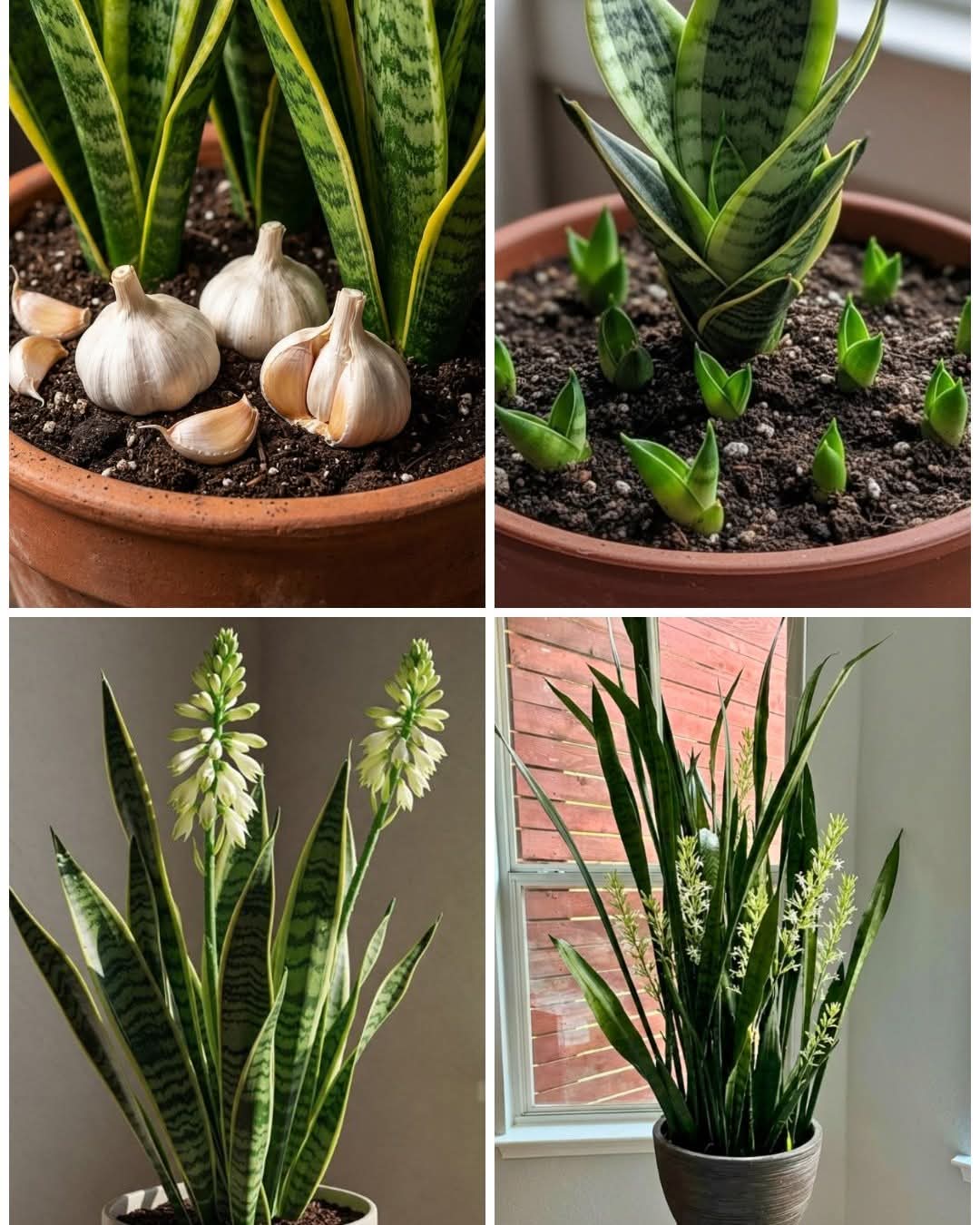
Putting Garlic Cloves Near a Snake Plant! Does This Viral Hack Actually Work?
The viral hack of placing garlic cloves near snake plants is taking over social media. Does it really repel pests, boost growth, or work like a natural fertilizer? Learn the science, benefits, risks, and better alternatives. If you’ve been on plant TikTok, Instagram Reels, or gardening forums lately, you’ve probably seen it: a person placing…