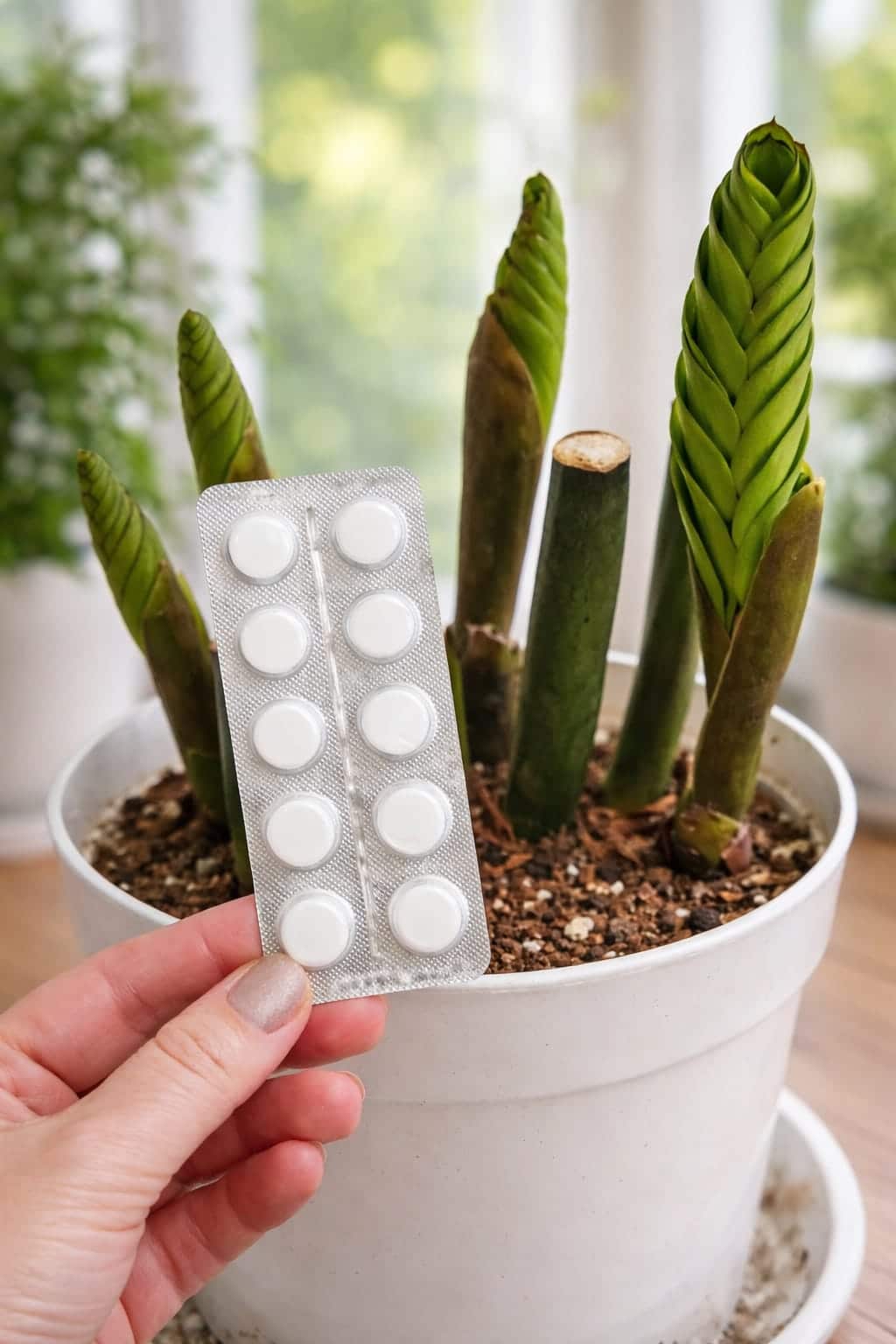
ZZ plants are loved for their glossy leaves, sculptural stems, and easy‑care nature. They look elegant in almost any room, and once they settle in, they can live for years with very little fuss. But many plant lovers eventually want the same thing: not just a healthy ZZ plant — a fuller, denser one that sends up more shoots and fills the pot beautifully.
The good news is that ZZ plants can absolutely do that. The secret is not one miracle tablet or random shortcut. It is giving the plant the right conditions so its underground rhizomes stay strong enough to produce more stems over time.
In this guide, you will learn exactly how ZZ plants multiply, the simple care adjustments that encourage more shoots, and a complete routine to help your plant reach its full, lush potential.
How ZZ Plants Actually Multiply
ZZ plants (Zamioculcas zamiifolia) grow from thick, potato‑like underground rhizomes. These rhizomes store water and energy, allowing the plant to survive drought and neglect. New stems — each with those iconic glossy leaves — emerge from these rhizomes when the plant is healthy, settled, and getting enough support to grow.
That means if you want more stems in the pot, the goal is to encourage:
· Healthy rhizomes – Firm, plump, and free from rot.
· Strong roots – White or tan, not brown or mushy.
· Bright enough light – Energy for photosynthesis and growth.
· Proper watering – Not too much, not too little.
· Steady growth during the active season – Spring and summer.
Once those pieces are in place, the plant is much more likely to become fuller. Multiplication is not random luck — it is the result of consistent, appropriate care.
Tip 1: Give It Brighter Indirect Light
ZZ plants are famous for tolerating low light, but tolerance is not the same as thriving. If you want faster growth and more shoots, you need to provide more energy.
Ideal Light Conditions:
· Bright indirect light – An east or north window is perfect.
· South or west window with a sheer curtain – Diffuses harsh afternoon rays.
· A well‑lit room without harsh midday sun – The plant should see the sky but not direct sunbeams.
What Happens in Low Light:
· The plant survives but grows very slowly.
· New shoots are rare or non‑existent.
· Leaves may become darker green and smaller.
· The plant stretches weakly toward light sources.
Low light can keep the plant alive, but brighter conditions usually help it grow stronger and multiply more readily. If your home is naturally dark, consider a full‑spectrum grow light on for 10–12 hours daily.
Tip 2: Do Not Overwater (The #1 Mistake)
This is one of the biggest mistakes with ZZ plants. Because they store moisture in their rhizomes, ZZ plants do not want constantly wet soil. If the pot stays soggy, the roots and rhizomes can weaken instead of multiplying.
A Better Watering Routine:
· Water thoroughly – Pour slowly until water runs from the drainage holes.
· Let excess drain away – Empty the saucer immediately.
· Wait until the soil dries well before watering again – Stick your finger in. If dry at least 2 inches down, water.
In Most Homes, That Means:
· Spring/Summer: Water every 2–4 weeks.
· Fall/Winter: Water once a month or even less.
Healthy dry‑down periods help the plant stay stable and strong. Overwatering leads to root rot, mushy rhizomes, and eventually death — not multiplication.
Tip 3: Use a Fast‑Draining Soil Mix
ZZ plants do best in a mix that allows air around the roots. Heavy, compact, wet soil slows growth and increases the risk of rot. The rhizomes need oxygen as much as they need moisture.
Best Soil Mixes for ZZ Plants:
· Commercial cactus or succulent potting mix – Ready to use.
· DIY mix: 2 parts all‑purpose potting soil + 1 part perlite + 1 part coarse sand.
· Chunky, airy blend – Add orchid bark or pumice for extra drainage.
What to Avoid:
· Regular potting soil alone – too dense.
· Garden soil – too heavy, may contain pests.
· Moisture‑control mixes – stay wet too long.
The healthier the root zone, the more energy the plant can put into new shoots. Repot every 2–3 years to refresh the soil and check rhizome health.
Tip 4: Keep the Pot Slightly Snug
ZZ plants often grow best when they are a little snug in the pot. If the container is too large, the soil may stay wet too long, and the plant may focus more on filling space underground than producing visible new stems.
Why Snug Is Good:
· Encourages the plant to send up shoots instead of expanding roots.
· Prevents excess soil moisture that leads to rot.
· Mimics natural conditions where roots are somewhat crowded.
Signs Your Pot Is Too Large:
· Soil stays wet for more than two weeks.
· The plant grows very slowly or not at all.
· You see no new shoots for over a year.
A gently crowded root system often encourages a fuller, more active plant. When you do repot, go up only one pot size (e.g., 6‑inch to 8‑inch).
Tip 5: Feed Lightly During Active Growth
During spring and summer, a mild fertilizer can help support healthier leaves and stronger rhizomes. However, ZZ plants are light feeders — too much fertilizer is worse than none at all.
How to Feed:
· Use a balanced liquid fertilizer (10‑10‑10 or 20‑20‑20) diluted to half strength.
· Feed once every 6–8 weeks during spring and summer.
· Do not fertilize in fall and winter.
· Always water first – never apply fertilizer to dry soil.
Signs of Overfeeding:
· Brown or yellow leaf tips.
· White crust on the soil surface.
· Weak, floppy growth.
Gentle feeding works better than heavy feeding. If you have recently repotted with fresh soil, wait 4–6 months before fertilizing.
Tip 6: Be Patient with New Shoots
ZZ plants are not fast like pothos or spider plants. They grow in a slower, steadier rhythm. That means multiplication often happens gradually over months, not weeks.
What to Watch For:
· Thicker stems – Existing stems become more robust.
· Greener leaves – Color deepens and looks healthier.
· New light‑green shoots at the base – Tiny cones pushing up from the soil.
· A fuller center – More stems fill the pot over time.
These are good signs that the plant is moving in the right direction. Do not disturb the soil or poke around looking for rhizomes — trust the process.
Continue to Page 2
Continue to page 2 for more details about this article and the key points many readers miss on the first page.