
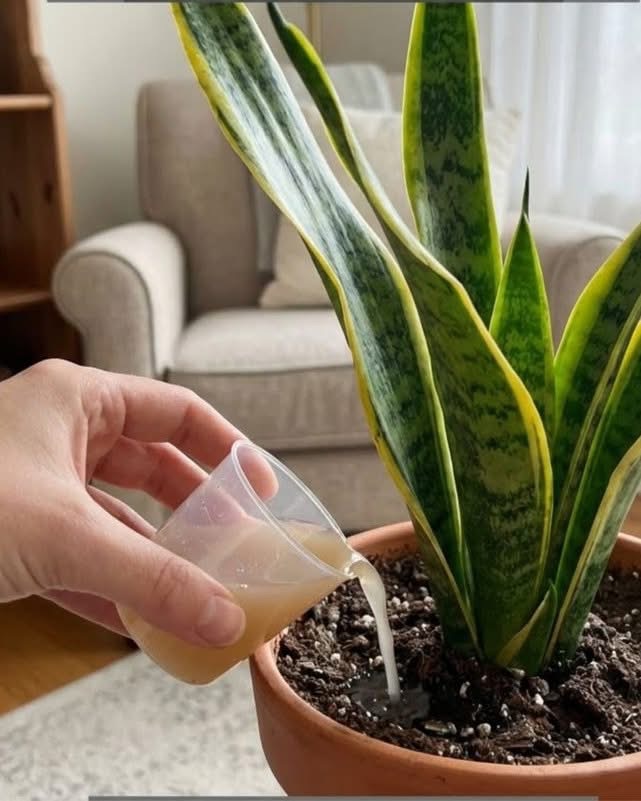
Snake Plant Growth Hack: Boost Pup Production with This Easy Liquid 🌱💧
If you love indoor plant care and dream of seeing your snake plant multiply with healthy baby shoots (also called pups), you’re in the right place. Snake plants are already known as one of the best low light indoor plants, but what if you could encourage them to produce more pups faster — naturally and safely?
This simple liquid growth booster is beginner-friendly, budget-friendly, and made from ingredients you probably already have at home. No harsh chemicals. No expensive fertilizers. Just a gentle method that supports strong roots and stimulates new growth.
Let’s dive into this powerful snake plant care tip that plant lovers are quietly using to increase pup production.
🌿 Why Snake Plants Are So Popular
Snake plants (also known as Dracaena trifasciata, formerly Sansevieria trifasciata) are among the most recommended beginner houseplants for several reasons:
Thrive in low light conditions
Tolerate irregular watering
Improve indoor air quality
Extremely drought-resistant
Multiply through underground rhizomes
But many plant owners notice something:
Their plant looks healthy… but it’s not producing pups.
So what’s missing?
Often, it’s just a small nutritional boost.
🌱 What Are Snake Plant Pups?
Snake plant pups are baby plants that grow from underground rhizomes. These small shoots eventually develop their own root systems and can be separated for propagation.
More pups = more plants 🌿
More plants = free decor (or gifts!)
Encouraging pup growth means supporting:
Strong root development
Healthy soil biology
Balanced nutrients
Proper moisture control
And that’s where this easy liquid comes in.
💧 The Easy Liquid Growth Booster Recipe
This natural plant food works as a gentle root stimulant and soil conditioner.
Ingredients:
1 cup rice water (unsalted, unseasoned)
1 liter of room temperature water
Optional: 2–3 drops of liquid seaweed extract (if available)
How to Prepare:
If you rinse rice before cooking, collect that cloudy water.
Let it sit at room temperature for 12–24 hours (light fermentation).
Dilute 1 cup of rice water into 1 liter of clean water.
Mix gently.
That’s it!
This simple solution acts as a mild organic fertilizer rich in:
Trace minerals
Small amounts of nitrogen
Beneficial starches
Microbial support compounds
🌿 Why Rice Water Works for Indoor Plant Care
Rice water contains nutrients that help stimulate microbial life in soil. Healthy microbes improve nutrient absorption — especially important for Sansevieria care in indoor pots.
Benefits include:
✔ Supports root strength
✔ Encourages rhizome activity
✔ Improves soil health
✔ Boosts overall plant vitality
✔ May stimulate pup production
It’s not magic — it’s biology.
When roots are healthy and slightly encouraged, they respond by spreading underground and producing more shoots.
📅 How Often Should You Use It?
For best results:
Use once every 3–4 weeks
Apply to slightly dry soil (never soggy soil)
Avoid overwatering
Snake plants are drought-tolerant houseplants. Overwatering is the #1 mistake in snake plant care.
Always allow soil to dry completely between waterings.
🌞 Light + Nutrition = More Growth
Even the best organic plant fertilizer won’t work if your plant lacks light.
For maximum pup production:
Place near bright indirect light
Avoid dark corners long-term
Rotate the pot every few weeks
Snake plants tolerate low light — but they grow faster in brighter conditions.
🪴 Soil Matters More Than You Think
If your plant isn’t producing pups, check your soil.
Use a:
Well-draining cactus mix
Pot with drainage holes
Terracotta pot (helps prevent root rot)
Healthy roots = more rhizome activity = more pups.
🚫 Mistakes That Stop Pup Production
Even with the best fertilizer for snake plants, growth can stall if:
❌ Soil stays wet too long
❌ Pot is too large
❌ Plant is root-rotted
❌ Not enough light
❌ Overfertilizing
Remember: snake plants prefer mild feeding, not heavy feeding.
🌱 How Long Until You See Results?
Growth varies depending on:
Temperature
Light levels
Plant maturity
Season
Most people notice stronger growth within 4–8 weeks.
Spring and summer are peak growing seasons for indoor houseplants.
✂️ When and How to Separate Snake Plant Pups
Once pups reach 4–6 inches tall:
Remove plant from pot.
Locate the connecting rhizome.
Cut with clean scissors.
Repot in well-draining soil.
This is one of the easiest methods of how to propagate snake plant successfully.
🌿 Bonus Tip: Combine With Proper Watering Technique
When watering:
Pour evenly around edges
Avoid water sitting in leaf rosettes
Empty drainage tray
Consistent but minimal watering encourages stronger root systems.
🌟 Why This Hack Is Better Than Chemical Fertilizers
Many synthetic fertilizers:
Cause salt buildup
Burn roots
Create weak growth
Require precise measurements
This natural liquid method is:
✔ Gentle
✔ Low-cost
✔ Beginner-friendly
✔ Safe for indoor use
Perfect for anyone interested in organic indoor plant care.
❓ Frequently Asked Questions
Can rice water cause mold?
Only if overused. Always dilute and allow soil to dry.
Can I use it on other houseplants?
Yes! Works well on pothos, peace lilies, and other low-maintenance indoor plants.
Is this safe for pets?
Rice water itself is non-toxic, but always monitor pets around plants.
Can I store leftover rice water?
Use within 24 hours. Avoid strong fermentation.
🏡 The Secret to a Thriving Indoor Jungle
Snake plants are resilient — but when given the right support, they truly thrive.
With this simple liquid:
You support root health
Encourage rhizome growth
Increase chances of more pups
Strengthen overall plant vitality
And the best part?
It costs almost nothing.
🌿 Final Thoughts
If you’ve been searching for:
How to boost snake plant growth
Best fertilizer for snake plants
Natural plant food for houseplants
Snake plant propagation tips
Easy indoor plant care hacks
This gentle liquid method might be the missing piece.
Try it consistently, give your plant bright indirect light, and practice proper watering habits — and you may soon see those adorable baby shoots popping up from the soil.
Your snake plant doesn’t just survive… it multiplies. 🌱✨
-
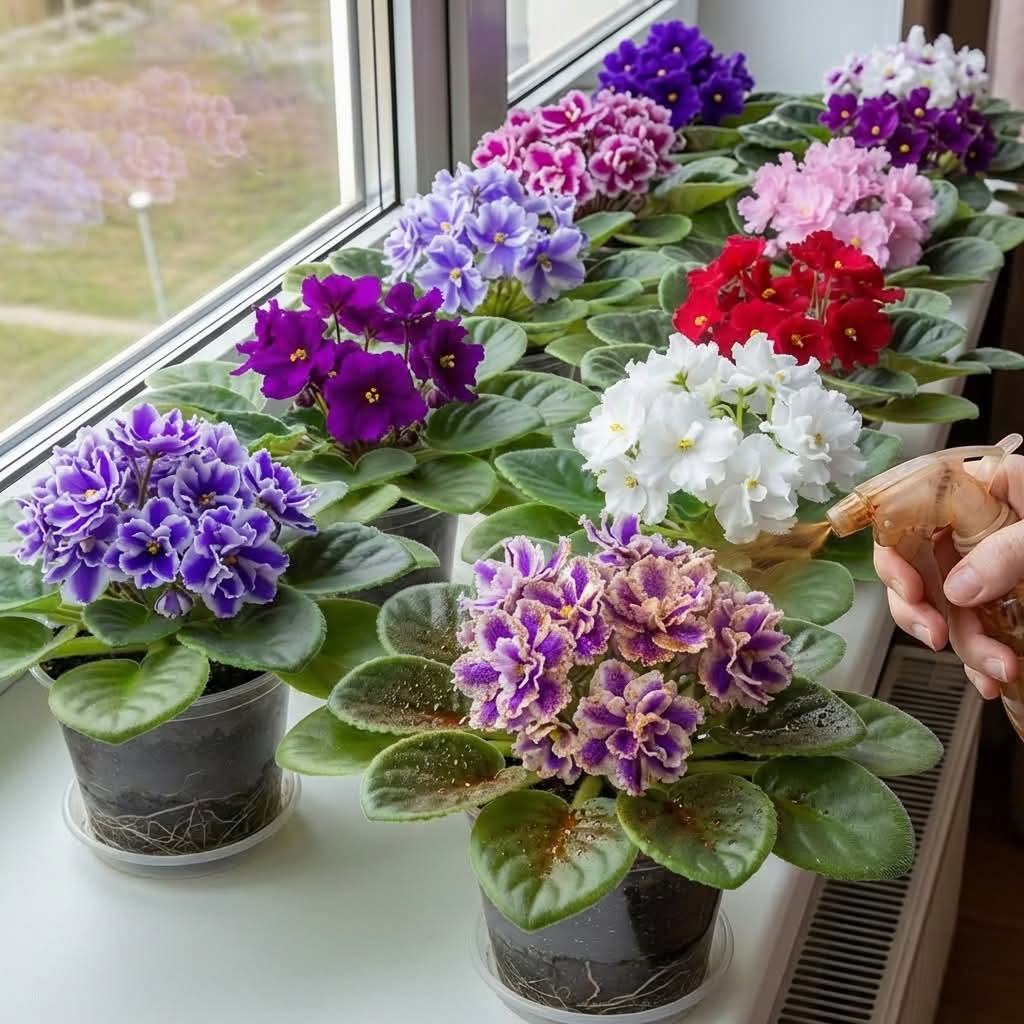
I Sprayed This on My Plants… Now They Bloom Nonstop Like Magic!
Discover the simple homemade spray that encourages nonstop blooms! Made with sugar, apple cider vinegar, and dish soap, this natural solution helps African violets and other flowering plants thrive. Easy, budget-friendly, and surprisingly effective. Let me introduce you to the spray that turned my shy African violets into blooming machines. I’ve always loved flowering houseplants,…
-
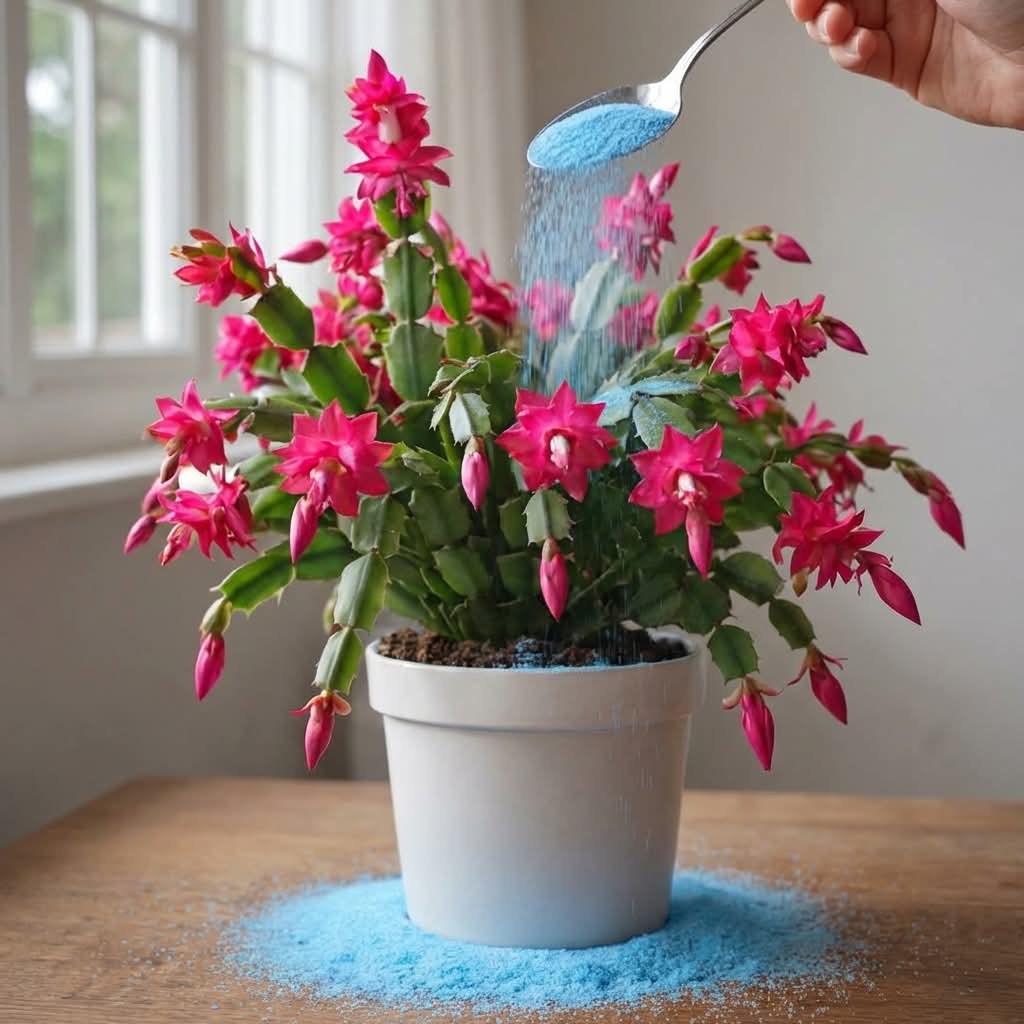
I Sprinkled This Powder… And My Plant Exploded With Blooms
Discover the homemade powder that made my flowers explode! A simple mix of natural ingredients – banana peel powder, eggshell powder, and Epsom salt – that encourages prolific blooming. Easy, cheap, and incredibly effective. Let me tell you about the moment my peace lily went from a leafy green wallflower to a blooming machine. I’d…
-
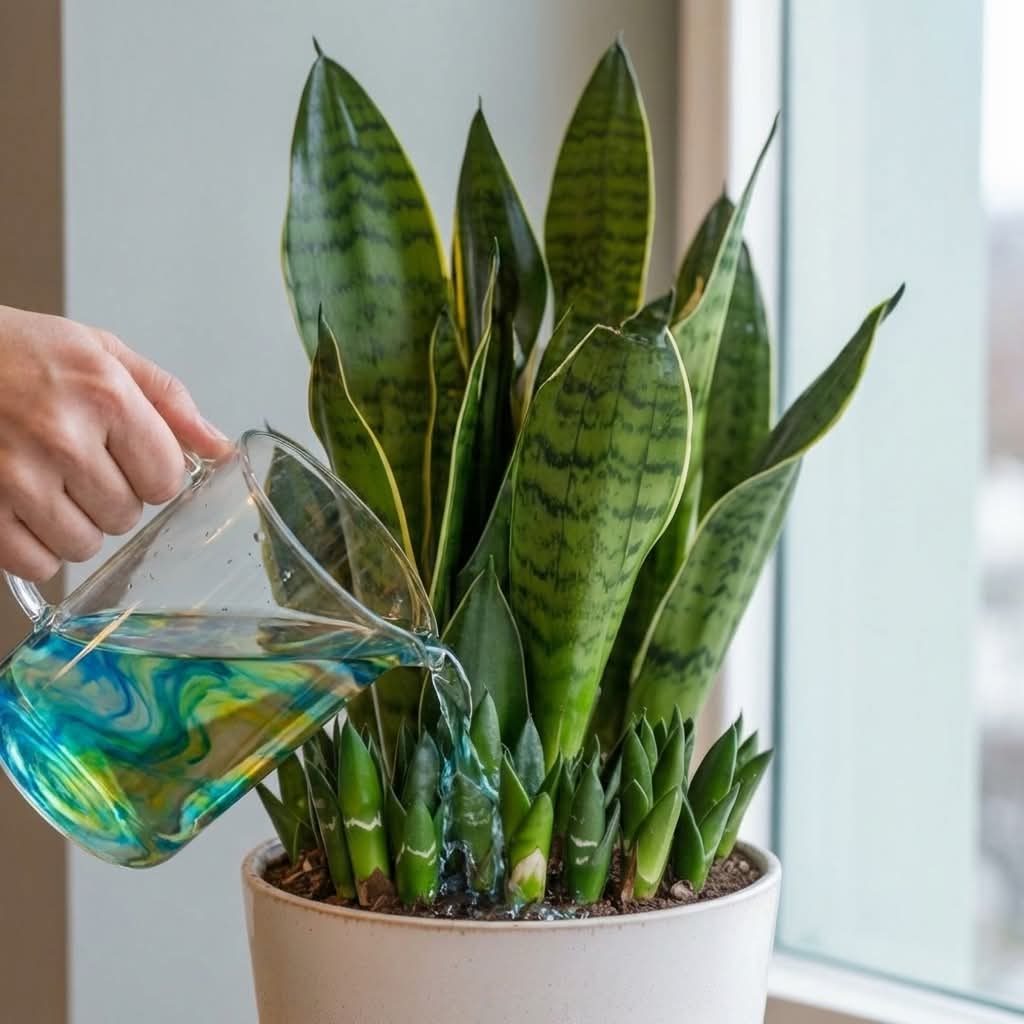
The Secret Trick to Get Endless Snake Plant Babies Fast
Want more snake plants without buying them? Discover the secret trick to encourage your Sansevieria to produce endless pups quickly. Simple propagation methods, natural rooting boosters, and expert tips. Let me tell you about the snake plant that taught me the secret to multiplying them like crazy. I’ve always loved snake plants (Sansevieria, now Dracaena…