
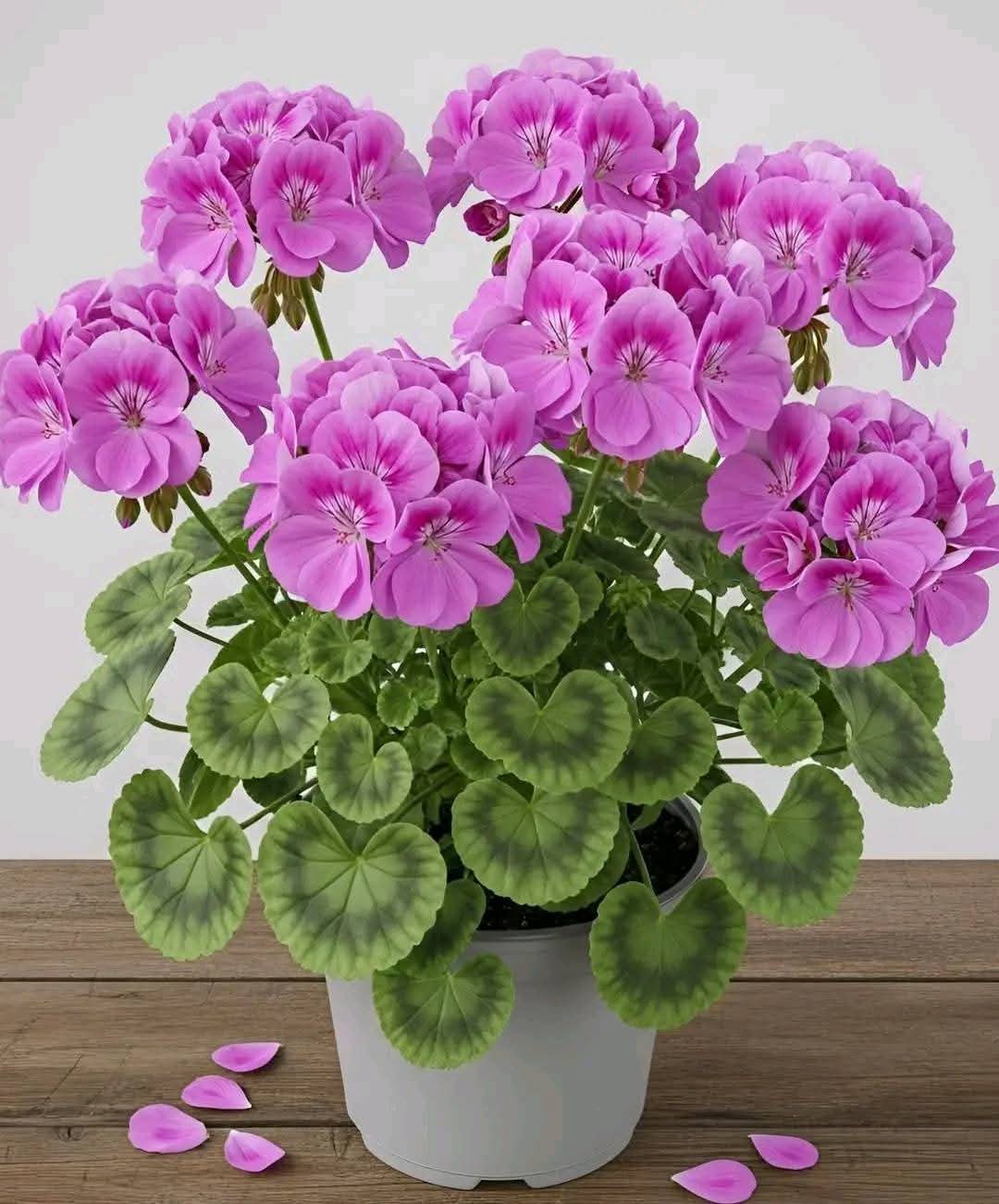
Geraniums are beloved for their colorful flowers, rich history, and versatility in both indoor and outdoor settings. Whether you’re looking to brighten up your garden or add a splash of color to your living room, geraniums provide the perfect solution. From their charming flowers to their adaptability in various environments, geraniums are a gardener’s favorite. This guide will explore everything you need to know about growing, caring for, and appreciating these beautiful plants.
A Brief History of Geraniums
Geraniums, scientifically known as Pelargonium, are native to South Africa but have made their way into gardens around the world. The word “geranium” comes from the Greek word geranos, meaning “crane,” which refers to the shape of the seed pod that resembles a crane’s beak. Interestingly, true geraniums (of the genus Geranium) are often confused with Pelargonium species due to similarities in appearance.
Geraniums became popular in Europe in the 17th century, largely due to their vibrant flowers and aromatic foliage. Over the years, they have been bred into numerous cultivars with diverse colors, sizes, and growth habits, making them a favorite for gardeners and interior designers alike.
Different Types of Geraniums
Geraniums come in a variety of forms and colors, from the more common zonal geraniums to the delicate ivy-leaved geraniums. Below, we’ll take a closer look at the different types of geraniums.
1. Zonal Geraniums
Zonal geraniums are perhaps the most commonly grown type of geranium. These are the classic garden geraniums you see in pots and hanging baskets, known for their vibrant flowers and striking foliage.
Features: Zonal geraniums have round, dark green leaves with a unique dark-colored zone or ring around the edges. These plants typically have large, showy flowers in shades of red, pink, white, and purple.
Uses: These geraniums are often used in garden beds, containers, and window boxes. Their bold flowers and sturdy growth make them perfect for creating a colorful display in your garden or balcony.
2. Ivy-Leaved Geraniums
Known for their trailing growth, ivy-leaved geraniums are perfect for hanging baskets or as a ground cover. Their glossy, ivy-shaped leaves provide an elegant contrast to the vibrant flowers.
Features: Ivy-leaved geraniums have glossy, dark green leaves that resemble ivy, with flowers in a range of bright colors, including pink, purple, and red. These plants tend to have a more delicate appearance than zonal geraniums.
Uses: Due to their trailing habit, ivy-leaved geraniums are ideal for hanging baskets, containers, or as a cascading ground cover in gardens.
3. Scented Geraniums
If you love fragrant plants, scented geraniums are the way to go. These varieties are known for their aromatic leaves that release pleasant scents when brushed or crushed.
Features: Scented geraniums have uniquely scented leaves, which can vary from rose, lemon, mint, and even ginger. The flowers are typically smaller and less showy than the other types, but the fragrance more than makes up for it.
Uses: Scented geraniums are often grown for their aromatic qualities, making them perfect for herb gardens or as houseplants. Some varieties are also used in making essential oils, perfumes, and other aromatic products.
4. Regal Geraniums
Regal geraniums are known for their large, vibrant flowers and their impressive blooms. These geraniums are often used in garden displays or as centerpiece plants due to their size and beauty.
Features: Regal geraniums have large, ruffled flowers in rich colors like purple, red, and pink. Their striking flowers make them stand out in any garden or patio.
Uses: These plants are typically used in garden borders or as accent plants. They can also be grown in containers and placed in areas where their large flowers can be admired.
5. Martha Washington Geraniums
Martha Washington geraniums, sometimes called “American geraniums,” are a hybrid of regal geraniums. These plants are known for their striking, bicolor flowers.
Features: The flowers of Martha Washington geraniums can range from red and pink to purple, often with contrasting white edges or centers. The leaves are more rounded and have a deep green color.
Uses: They are perfect for containers and garden beds and are often used in shaded areas of the garden.
How to Grow Geraniums
Geraniums are relatively easy to grow, but they do have specific care requirements to thrive. Here’s everything you need to know to grow healthy, beautiful geraniums.
1. Choosing the Right Location
Geraniums thrive in full sun, so it’s important to plant them in a location that receives at least 6-8 hours of direct sunlight each day. Whether planted in the garden or in a container, they need plenty of sunlight to produce their vibrant flowers.
2. Soil Requirements
Geraniums prefer well-draining soil. They can tolerate a variety of soil types, but sandy, loamy soil that drains well is best. If you’re growing geraniums in containers, use a high-quality potting mix designed for flowers.
3. Watering Geraniums
Although geraniums are relatively drought-tolerant once established, they still need regular watering to stay healthy. Water your plants thoroughly when the top inch of soil feels dry. However, avoid overwatering as this can cause root rot. If you’re growing geraniums in pots, make sure the containers have drainage holes to allow excess water to escape.
4. Fertilizing Geraniums
To encourage healthy growth and prolific blooming, geraniums benefit from regular feeding. Use a balanced, water-soluble fertilizer every 2-4 weeks during the growing season (spring through summer). You can switch to a high-phosphorus fertilizer in the early blooming phase to encourage more flowers.
5. Pruning and Deadheading
Deadheading (removing spent flowers) is important for geraniums to keep them blooming throughout the season. Use clean, sharp scissors or pruning shears to remove dead or faded flowers. Pruning the plant in the late spring or early summer can also encourage bushier growth and improve air circulation.
6. Winter Care for Geraniums
Geraniums are not frost-tolerant, so if you live in a colder climate, you’ll need to bring them indoors during the winter. Before the first frost, cut back the plants, remove any dead leaves, and place them in a sunny window indoors. Alternatively, you can take geranium cuttings in late summer and root them in water or soil to have new plants for next year.
Geranium Pests and Problems
Although geraniums are generally hardy, they can still be susceptible to certain pests and diseases. Here’s how to deal with some common issues:
Aphids: Small, green, or black insects that suck sap from the plant. Regularly spray the leaves with water or use insecticidal soap to control aphid populations.
Leaf Spot: This fungal disease causes round, dark spots on the leaves. Remove infected leaves, and make sure your geraniums have good air circulation to prevent the spread of the disease.
Whiteflies: These tiny flying insects can infest geraniums and cause damage to the plant by sucking sap. Yellow sticky traps or insecticidal soap can help manage whitefly infestations.
Using Geraniums in Your Garden
Geraniums are incredibly versatile plants that can be used in various ways to enhance your garden or home. Here are a few ideas for incorporating geraniums into your outdoor and indoor spaces:
Garden Borders: Zonal geraniums make great border plants, especially when planted along paths, flower beds, or garden fences. Their colorful blooms add a vibrant contrast to green foliage.
Hanging Baskets and Containers: Ivy-leaved geraniums and other trailing varieties are perfect for hanging baskets or containers. Their cascading growth provides visual interest and adds color to balconies, patios, or decks.
Indoor Plants: Geraniums are wonderful indoor plants as well. They can thrive on windowsills that receive plenty of sunlight, offering color and fragrance throughout the year.
Companion Plants: Geraniums can also be planted alongside other flowers or vegetables in the garden. They complement many other plants, and their fragrance can even help deter some pests.
Conclusion: A Timeless Favorite
Geraniums are much more than just a pretty flower. These versatile plants have a rich history, come in various types, and offer gardeners a wide range of possibilities to brighten up their homes and gardens. Whether you’re planting geraniums for their colorful blooms, aromatic leaves, or ease of care, they’re a perfect addition to any garden.
By following simple care guidelines and ensuring the right growing conditions, you can enjoy the beauty of geraniums for months to come. So, whether you’re looking to add a touch of color to your garden or brighten up an indoor space, geraniums are the perfect plant to bring joy and vibrancy into your life.
More Recipes You Might Like
-
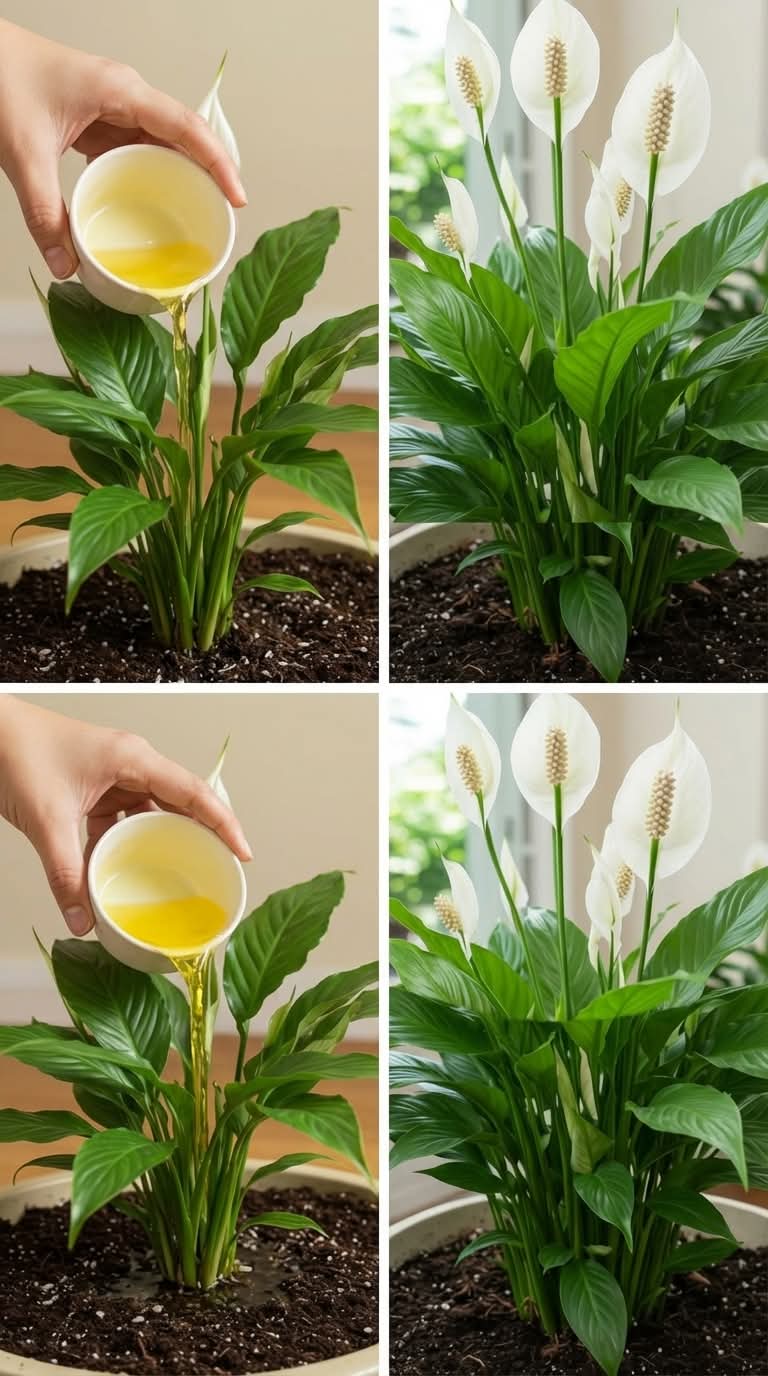
Just One Cup of This Kitchen Liquid… And Your Peace Lily Explodes With Flowers!
If you’ve ever struggled to get your peace lily to bloom, you’re not alone. Many plant lovers find that their lush green plant looks healthy—but those beautiful white flowers just don’t appear as often as expected. The good news? There’s a simple, natural plant fertilizer you can make right from your kitchen that may help…
-
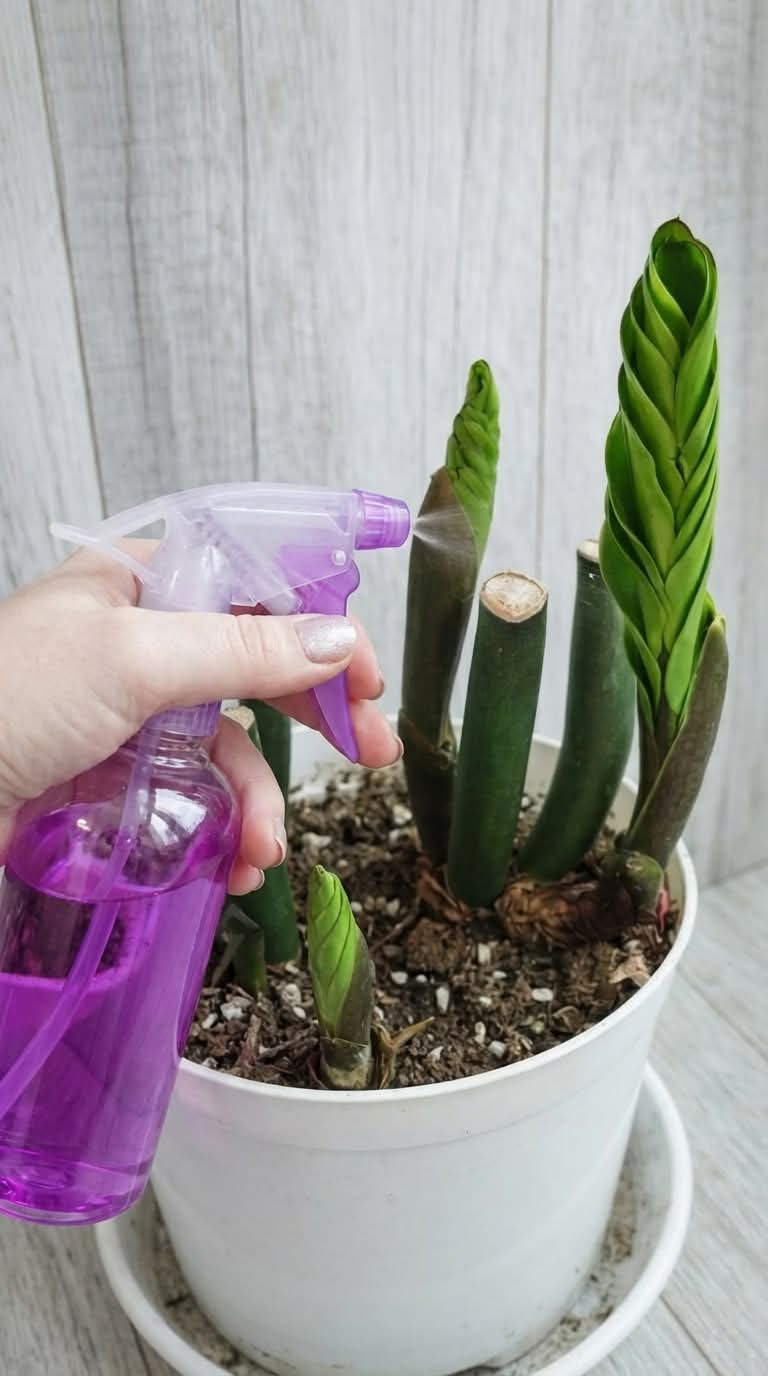
Just a Few Sprays of This Simple Mix… And Your ZZ Plant Wakes Up!
Is your ZZ plant looking stuck or slow to grow? This simple homemade leaf spray cleans dust, adds shine, and supports healthier growth. Easy recipe with neem oil for pest protection. Let me share the simple spray that brought my once‑dormant ZZ plant back to life. ZZ plants (Zamioculcas zamiifolia) are famous for being nearly…
-
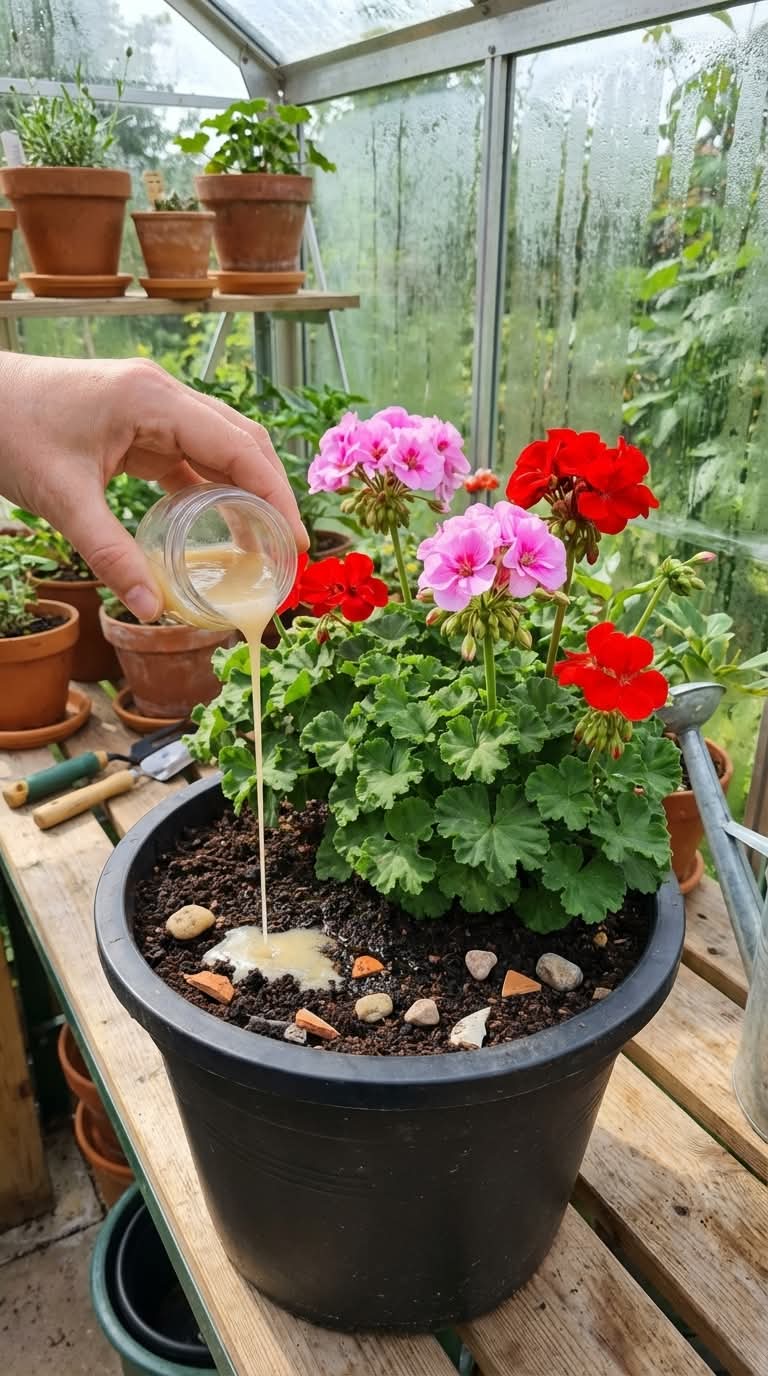
The Simple Trick That Makes Your Geraniums Bloom Bigger and Brighter – A Complete Guide
Want bigger, brighter geranium blooms? Discover the simple homemade sugar and lemon trick that boosts flowering, plus expert care tips for nonstop color all season long. Let me share the little secret that turned my average geraniums into show-stopping beauties. I’ve always loved geraniums. Their bright clusters of red, pink, white, and salmon flowers are…