

Orchids are some of the most beautiful flowering plants you can grow at home. Their blooms last for weeks, sometimes months, and their unique structure makes them stand out from every other houseplant. Yet, many orchid owners face the same frustrating problem: the plant grows leaves and roots but refuses to bloom again.
The solution often lies in providing the right nutrients, especially phosphorus. Without it, orchids may look green and healthy but fail to produce flower spikes. Today, we’ll explore why orchids stop blooming, how phosphorus helps, and the simplest homemade method to encourage flower spikes using an ingredient you already have in your kitchen: potatoes.
Why Orchids Stop Blooming
You might be giving your orchid water, sunlight, and love, but if it isn’t blooming, one of these reasons is usually to blame:
Unhealthy roots. Orchids will not bloom if their roots are weak or rotting. Strong roots are the foundation for flowers.
Lack of nutrients. Phosphorus, potassium, nitrogen, and calcium are all essential. Missing one of these makes it harder for the plant to produce flowers.
Improper light. Orchids need bright, indirect light. Too much shade prevents blooming.
Wrong watering habits. Overwatering leads to root rot, while underwatering stresses the plant.
No resting period. Orchids often need a short rest after flowering before producing another spike.
The good news is that with the right care and a boost of phosphorus, you can push your orchid into its blooming phase again.
Why Phosphorus Matters for Orchids
Phosphorus is one of the primary nutrients plants need, alongside nitrogen and potassium. For orchids:
Phosphorus supports root development. Stronger roots absorb more nutrients and water.
It stimulates flower spike growth. Without enough phosphorus, orchids grow leaves but no flowers.
It helps sustain long-lasting blooms. Proper feeding means your flowers will last longer before wilting.
Many orchid fertilizers on the market are labeled with an NPK ratio (Nitrogen-Phosphorus-Potassium). A formula high in phosphorus, like 10-30-20, is recommended when you want your orchid to bloom. But instead of buying expensive fertilizer, you can prepare a homemade phosphorus-rich solution from potatoes.
The Potato Solution for Orchids
Potatoes are naturally rich in phosphorus, potassium, and other micronutrients. This makes them an excellent base for a homemade orchid booster.
Ingredients
1 medium potato
2 cups water
A blender or strainer
Steps to Prepare
Peel and chop the potato. Smaller pieces make it easier to blend.
Blend with water. Add the potato chunks to a blender with 2 cups of water and blend until smooth.
Strain the mixture. Pour through a strainer or cheesecloth to remove solids. You want a smooth liquid.
Dilute before use. Mix one part of the potato liquid with three parts water to avoid overfeeding.
How to Use the Potato Solution on Orchids
For watering: Use the diluted solution once every two weeks during the growing season. Pour it into the pot, letting excess liquid drain out completely.
For spraying leaves: You can mist the diluted solution lightly on the leaves for a nutrient boost. Always do this in the morning so leaves dry quickly.
For root soaks: Place the orchid pot in a bowl with the solution for 10 minutes, then allow to drain. This ensures roots absorb maximum nutrients.
Signs the Method is Working
When orchids receive enough phosphorus, you’ll notice changes within weeks:
New root growth with healthy white tips.
A new flower spike emerging from between the leaves.
Stronger, greener leaves.
Buds forming along the spike, followed by blooms.
Tips for Orchid Blooming Success
Feeding is important, but overall care determines whether your orchid thrives. Here’s what you need to keep in mind:
Light
Place orchids near an east- or south-facing window with sheer curtains.
Leaves should be light green, not dark green (too little light) or yellowish (too much light).
Watering
Water once a week in most climates.
Always let the potting mix dry slightly before watering again.
Never let orchids sit in water, as this causes root rot.
Temperature
Orchids bloom better with a slight temperature difference between day and night.
Keep daytime temperatures between 70–80°F and nighttime between 60–65°F.
Repotting
Repot every 1–2 years using a fresh orchid mix of bark and moss.
Trim off dead or rotting roots during repotting.
Rest Period
After blooming, orchids may need a rest period of a few weeks before producing a new spike.
During this time, reduce watering slightly but continue light feeding.
Common Mistakes Orchid Owners Make
Using regular soil. Orchids need airy, well-draining medium, not garden soil.
Overfeeding. Too much fertilizer burns roots. Dilution is key.
Ignoring root health. Orchids will not bloom without healthy roots.
Poor air circulation. Stagnant air encourages pests and fungus.
Benefits of the Potato Solution
Affordable. Uses an ingredient you already have in the kitchen.
Natural. No harsh chemicals or synthetic fertilizers.
Effective. Provides phosphorus, potassium, and trace minerals.
Easy to prepare. Takes less than 5 minutes to make.
How Long Until You See Results?
Most orchids take 4–8 weeks to show visible changes after receiving better care and nutrients. You may first see root growth, then a flower spike forming. Patience is key. Orchids bloom in cycles, so consistency with this method is more important than speed.
Serving Your Orchids the Right Way
Think of this potato solution as a special meal for your orchid. Like people, plants need balanced nutrition at the right time. Use this solution along with proper care and you’ll notice stronger growth, healthier leaves, and eventually, abundant blooms.
Final Thoughts
If your orchid hasn’t bloomed in months, don’t give up. The problem usually lies in root health and nutrient supply. By preparing this simple potato-based phosphorus solution, you give your orchid exactly what it needs to strengthen roots and trigger new flower spikes.
With regular use, along with proper light, watering, and temperature, you’ll transform your orchid from a leaf-only plant into a stunning centerpiece with multiple blooms.
Give this method a try and watch your orchid reward you with flowers that last for weeks. Healthy roots, the right nutrients, and a little patience are the true secrets to keeping orchids blooming year after year.
More Recipes You Might Like
-
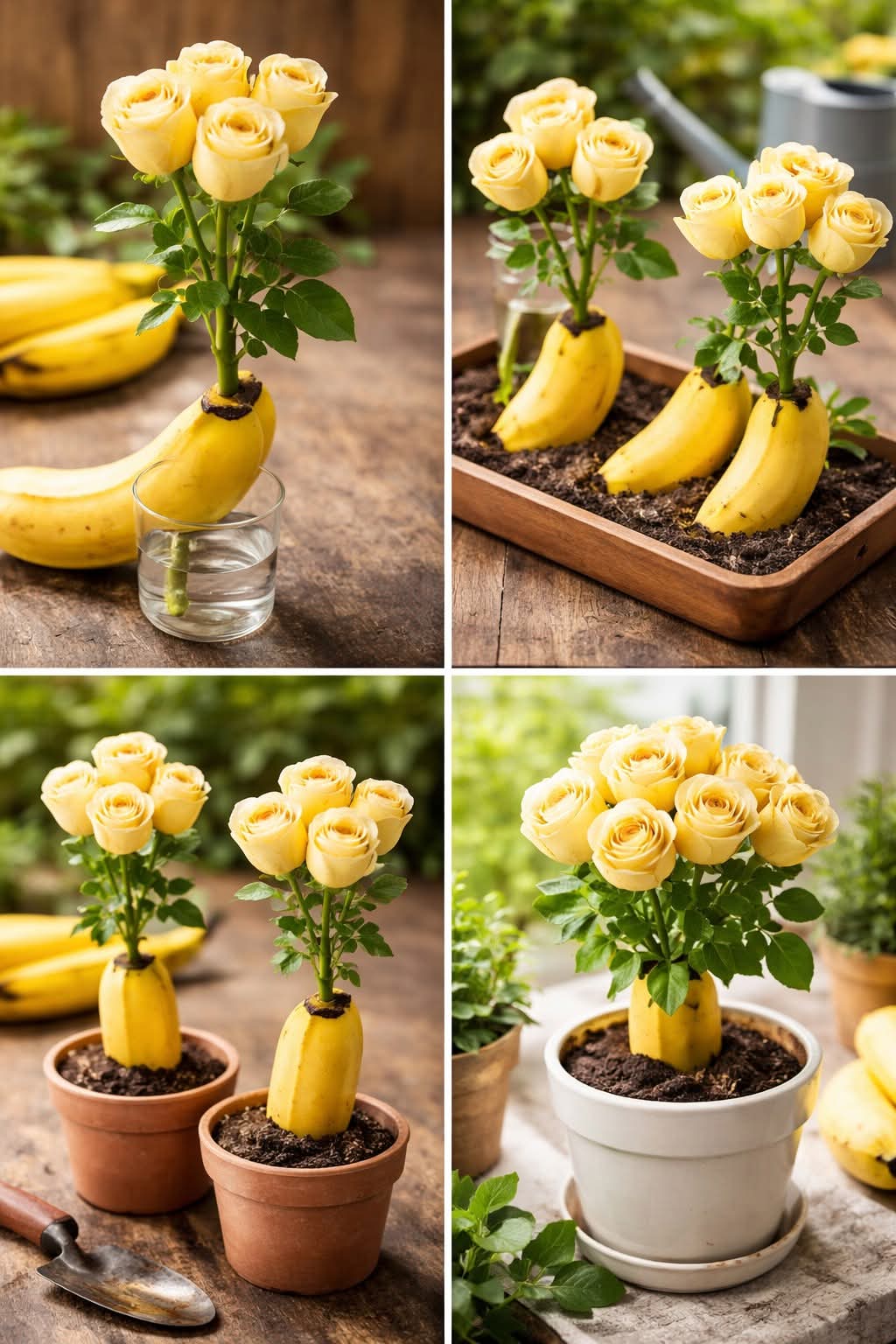
How to Reproduce Roses Infinitely with the Banana Method
If you love roses but have struggled to propagate them successfully, you’re not alone. Rose cuttings can be notoriously finicky—they often dry out or rot before roots ever form. But there’s a surprising, natural solution that might already be in your kitchen: a simple banana. This method has been gaining attention among gardeners for its…
-
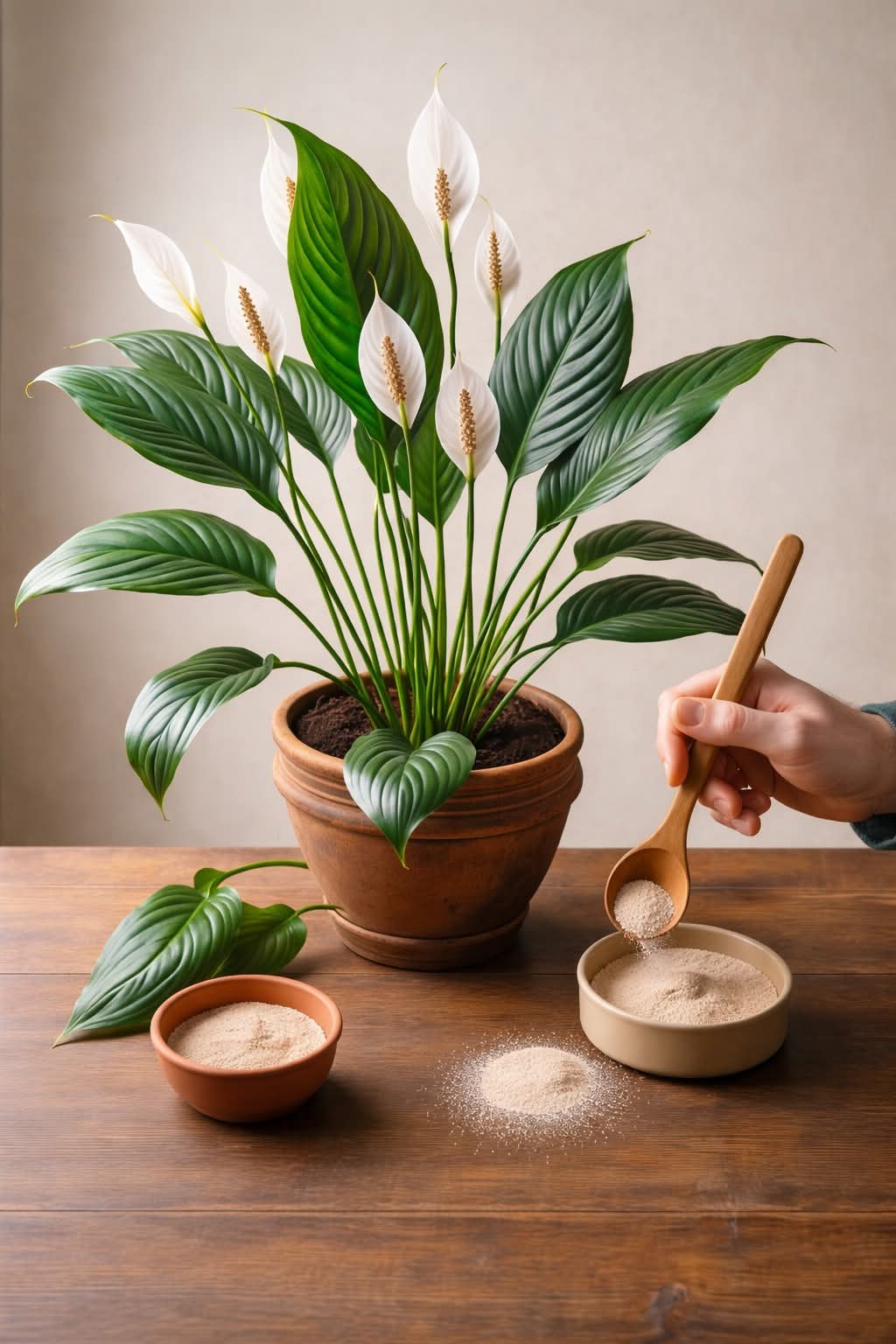
The One Cup Trick How to Revive a Peace Lily and Get It Blooming Again
Is your peace lily refusing to bloom? You’re not alone. Discover the simple one‑cup natural mix that can encourage those elegant white flowers to reappear. Easy, organic, and surprisingly effective. If your peace lily isn’t blooming as much as you’d like, you’re not alone. Many plant lovers struggle to get those elegant white flowers to…
-
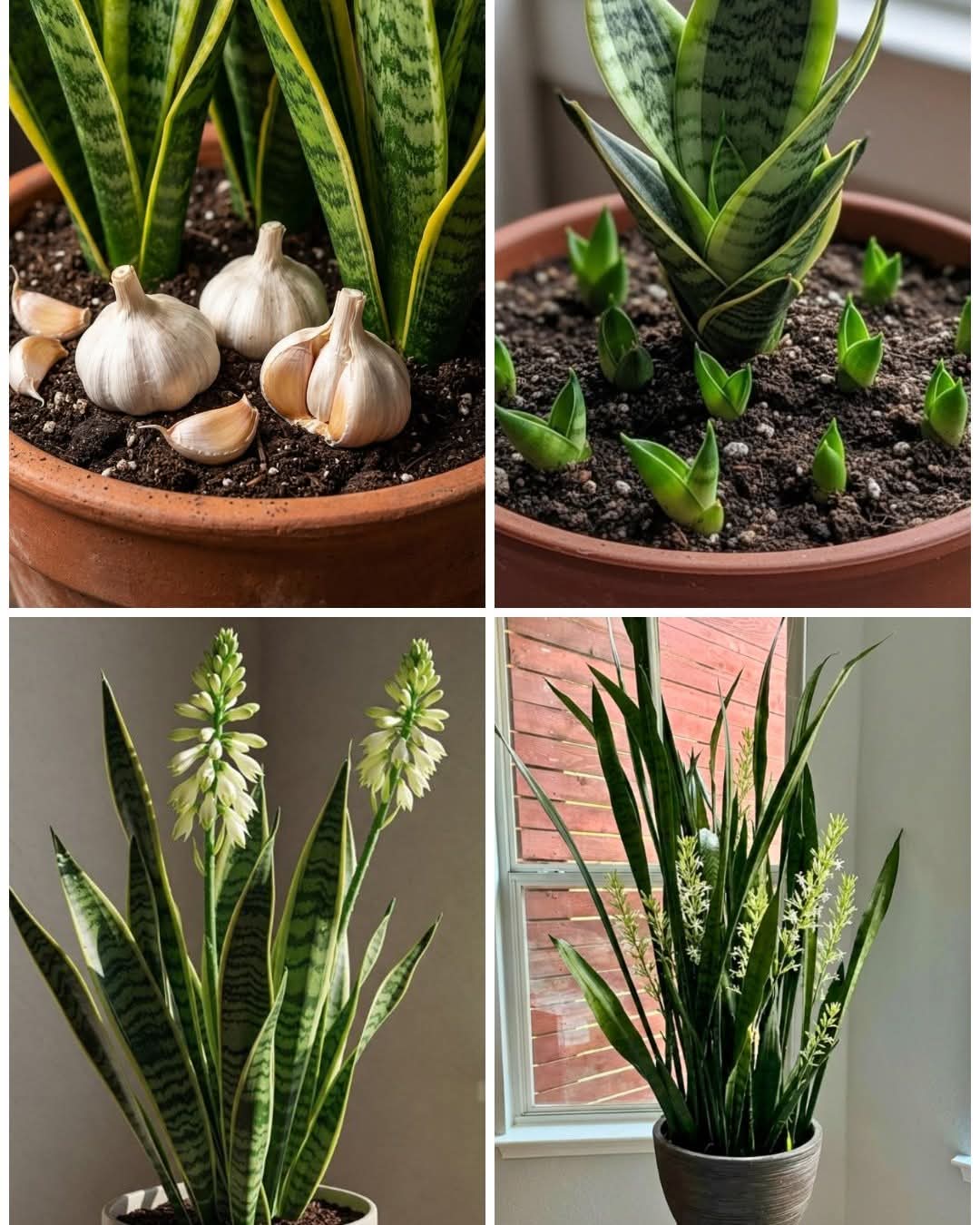
Putting Garlic Cloves Near a Snake Plant! Does This Viral Hack Actually Work?
The viral hack of placing garlic cloves near snake plants is taking over social media. Does it really repel pests, boost growth, or work like a natural fertilizer? Learn the science, benefits, risks, and better alternatives. If you’ve been on plant TikTok, Instagram Reels, or gardening forums lately, you’ve probably seen it: a person placing…