
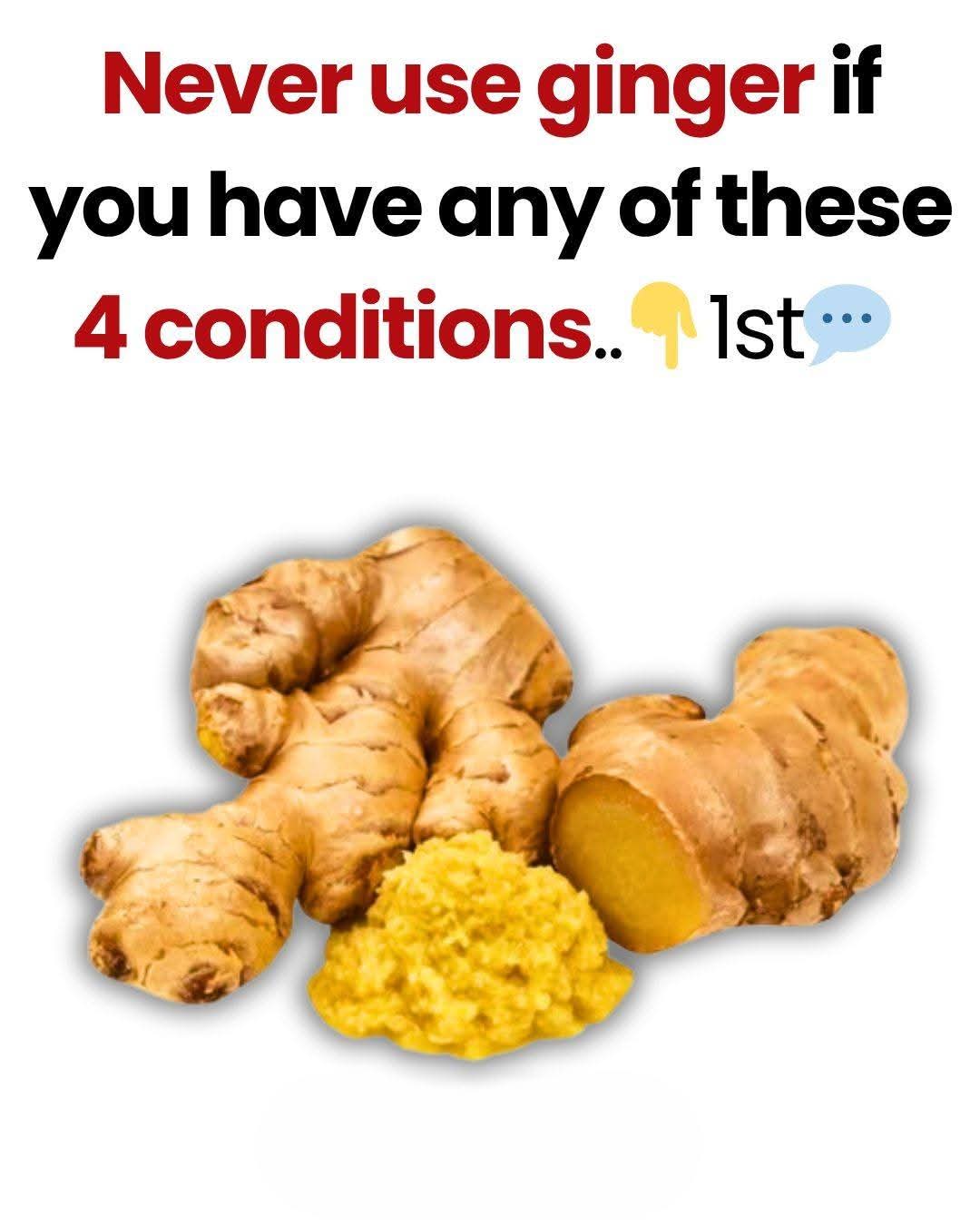
Ginger, often called the “king of spices,” has been used for centuries for its medicinal properties and health benefits. Known for its distinctive flavor and sharp, spicy aroma, ginger is a popular ingredient in cooking, herbal teas, and as a natural remedy for various ailments. It has earned a reputation for being a powerful anti-inflammatory and digestive aid. However, like many natural remedies, ginger may not be suitable for everyone.
While ginger can be beneficial for most people, it can cause complications in certain conditions or when combined with specific medications. In this post, we’ll discuss the four key conditions where ginger should be avoided, along with explanations from medical professionals about the potential risks.
1. Ginger and Blood Thinners: Understanding the Risk
The Role of Ginger in Blood Thinning
Ginger has natural blood-thinning properties, which can be beneficial for some people by promoting better circulation and reducing the risk of blood clots. It achieves this by inhibiting platelet aggregation (the clumping of platelets in the blood) and improving blood flow. As a result, ginger has been used traditionally to manage conditions like high blood pressure and arterial blockages.
Why People on Blood Thinners Should Be Cautious
While ginger’s blood-thinning benefits can be helpful, they can also pose a risk to individuals taking anticoagulant medications (blood thinners) such as warfarin (Coumadin), aspirin, or clopidogrel (Plavix). These medications are designed to prevent blood clotting by inhibiting the clotting factors in the blood. When combined with ginger, the blood-thinning effect can be intensified, which may increase the risk of bleeding or bruising, even with minor injuries.
In some cases, excessive bleeding may occur, which can be dangerous if not properly managed. A person may experience longer-than-normal bleeding after cuts or injuries, and internal bleeding can become a concern. For individuals who are undergoing surgery or have an injury that requires healing, the combination of ginger and blood-thinning medications should be strictly monitored.
What You Should Do
If you are on blood thinners and are considering adding ginger to your diet for its health benefits, it’s essential to consult your healthcare provider. They may recommend monitoring your blood clotting levels (such as INR – International Normalized Ratio) more frequently to ensure your blood is not becoming too thin. In some cases, the doctor may advise limiting ginger consumption or avoiding it altogether.
2. Ginger and Gallstones: Potential Complications
How Ginger Affects the Gallbladder
Ginger is well-known for its ability to stimulate bile production in the liver. Bile is essential for the digestion of fats, helping to break down fatty foods and absorb nutrients efficiently. In many cases, this bile stimulation is beneficial and helps prevent digestive issues like indigestion and bloating. However, this effect can be problematic for certain individuals, especially those with gallstones.
Gallstones are hardened deposits that form in the gallbladder, an organ that stores bile. These stones can be made of cholesterol or pigment and may obstruct bile flow, leading to painful gallbladder attacks. When a person with gallstones consumes ginger, the increased bile production may cause additional stress on the gallbladder, potentially triggering a gallbladder attack or worsening existing symptoms.
Why Ginger May Not Be Safe for People with Gallstones
For individuals with gallstones or gallbladder issues, consuming ginger could result in an increase in pain and discomfort. The increased bile flow may irritate the gallbladder or cause the stones to move, which can lead to nausea, sharp abdominal pain, and even more severe complications that require medical intervention.
What You Should Do
If you suffer from gallstones or other gallbladder issues, it’s best to speak with your doctor before adding ginger to your diet. Your healthcare provider may recommend avoiding ginger or other bile-stimulating foods if you are prone to gallbladder attacks. In cases of frequent or painful gallstones, your doctor may suggest treatments or procedures to manage the stones before considering the use of ginger.
3. Ginger and High Blood Pressure: Risk of Lowering Too Much
How Ginger Affects Blood Pressure
Ginger is often cited as a natural remedy for high blood pressure (hypertension). It works by relaxing the blood vessels, improving blood circulation, and reducing the strain on the heart. Some studies suggest that regular consumption of ginger may contribute to a reduction in blood pressure levels, especially in individuals with mild hypertension.
While ginger can be an excellent natural remedy for some people with high blood pressure, it may pose a problem for individuals already on blood pressure medications. These medications are designed to lower blood pressure by either reducing the volume of blood or relaxing the blood vessels. Combining ginger with blood pressure-lowering drugs can lead to hypotension (low blood pressure), which can cause dizziness, fainting, or other complications.
Why Ginger May Be Dangerous for People on Blood Pressure Medications
For people who are on antihypertensive medications such as ACE inhibitors, diuretics, or beta-blockers, ginger may lower blood pressure too much. The added effect of ginger’s vasodilation (blood vessel expansion) can intensify the effects of these medications, causing your blood pressure to drop to dangerously low levels. This can result in symptoms like dizziness, fainting, blurred vision, and fatigue, and in extreme cases, it may cause a heart attack or stroke.
What You Should Do
If you are taking medication for high blood pressure, it’s essential to consult your doctor before incorporating ginger into your daily routine. Your doctor will likely monitor your blood pressure closely and may adjust your medications accordingly. It’s important to avoid consuming large amounts of ginger or ginger supplements if you’re already managing hypertension with prescription medication.
4. Ginger and Pregnancy: Possible Risks to Consider
Ginger for Nausea During Pregnancy
Ginger has been traditionally used to treat morning sickness in pregnant women, particularly during the first trimester. Studies have shown that ginger can effectively reduce nausea and vomiting associated with pregnancy. Many women use ginger tea or ginger candies to alleviate these symptoms, and in moderate amounts, ginger is generally considered safe during pregnancy.
The Risks of Excessive Ginger During Pregnancy
While small doses of ginger may be safe during pregnancy, excessive consumption can be problematic. Large amounts of ginger may lead to uterine contractions or an increase in bleeding, especially during the first trimester. Some studies have suggested that ginger may increase the risk of miscarriage if consumed in high doses.
In addition, ginger can interfere with the blood clotting process, which is particularly concerning during labor and delivery. Excessive ginger consumption during pregnancy may affect the body’s ability to control bleeding, leading to complications during childbirth.
What You Should Do
If you’re pregnant and looking to use ginger to alleviate morning sickness, it’s important to consult with your healthcare provider first. While small amounts of ginger (usually up to 1 gram per day) are generally considered safe, high doses should be avoided. Your doctor may recommend alternative remedies for nausea or help monitor your ginger consumption to ensure it doesn’t interfere with your pregnancy.
Conclusion: The Importance of Consultation Before Using Ginger
Ginger is an incredibly versatile and health-boosting spice, known for its wide array of benefits. It is effective in treating various ailments, including digestive issues, nausea, inflammation, and more. However, it’s important to understand that ginger is not suitable for everyone, especially individuals with certain health conditions or those taking specific medications.
Before adding ginger to your diet or using it as a supplement, it is essential to consult with your doctor, especially if you have blood-thinning medication, gallstones, high blood pressure, or are pregnant. Your healthcare provider can help you understand the potential interactions and guide you on the safe use of ginger to avoid any complications.
By taking these precautions, you can enjoy the benefits of ginger without putting your health at risk. Always prioritize safety and ensure that natural remedies, including ginger, complement your existing health plan.
Disclaimer: This article is for informational purposes only and is not a substitute for professional medical advice. Always consult your healthcare provider before making any changes to your diet or supplement regimen.
More Recipes You Might Like
-
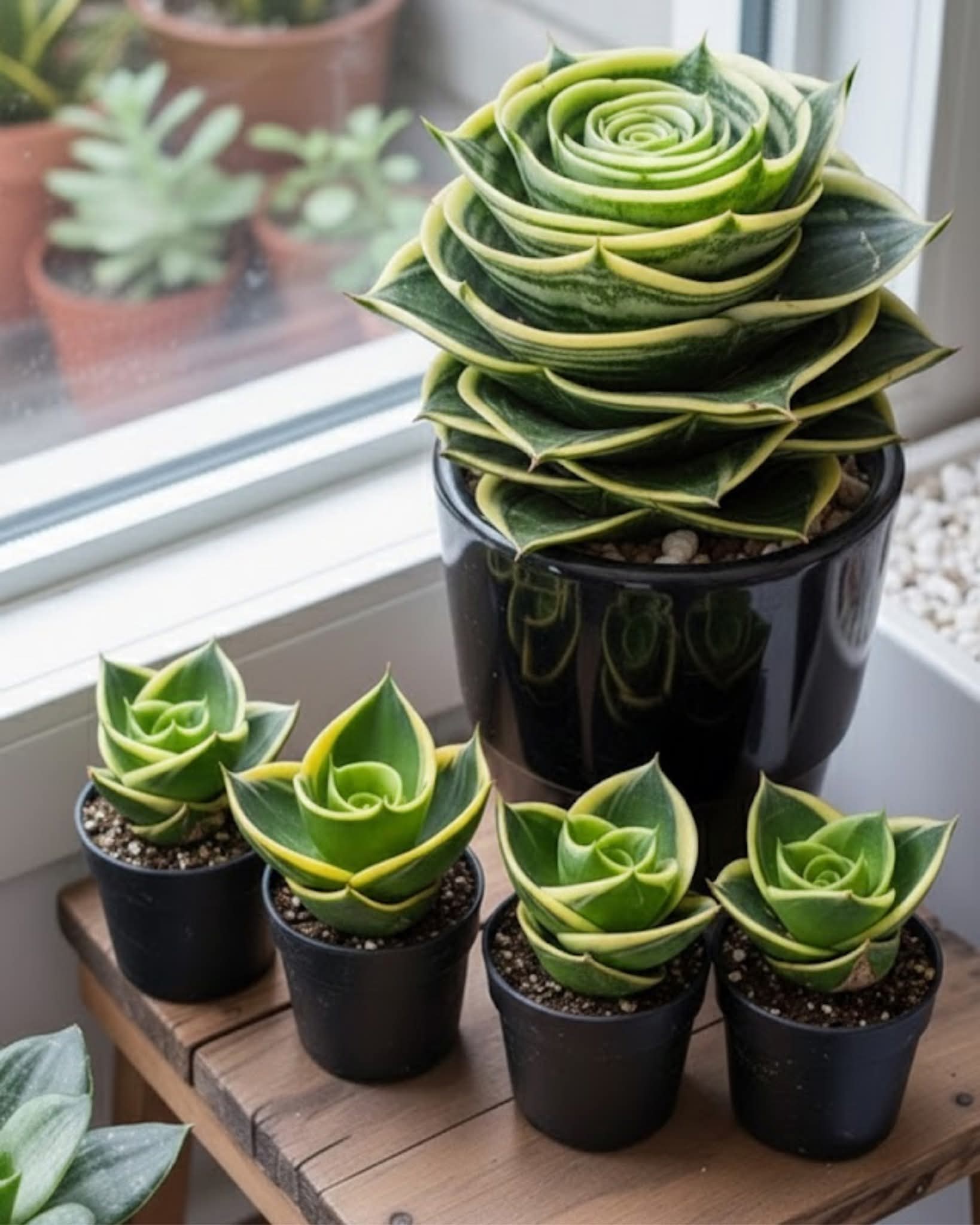
How to Grow a Rosette-Shaped Snake Plant
Want a snake plant that grows in a beautiful rosette shape? Discover the best rosette-forming varieties like ‘Hahnii’ and simple care tips to keep them looking perfect. When most people picture a snake plant, they imagine tall, upright sword-like leaves reaching toward the ceiling. But there’s a whole other world of Sansevieria that grows in…
-
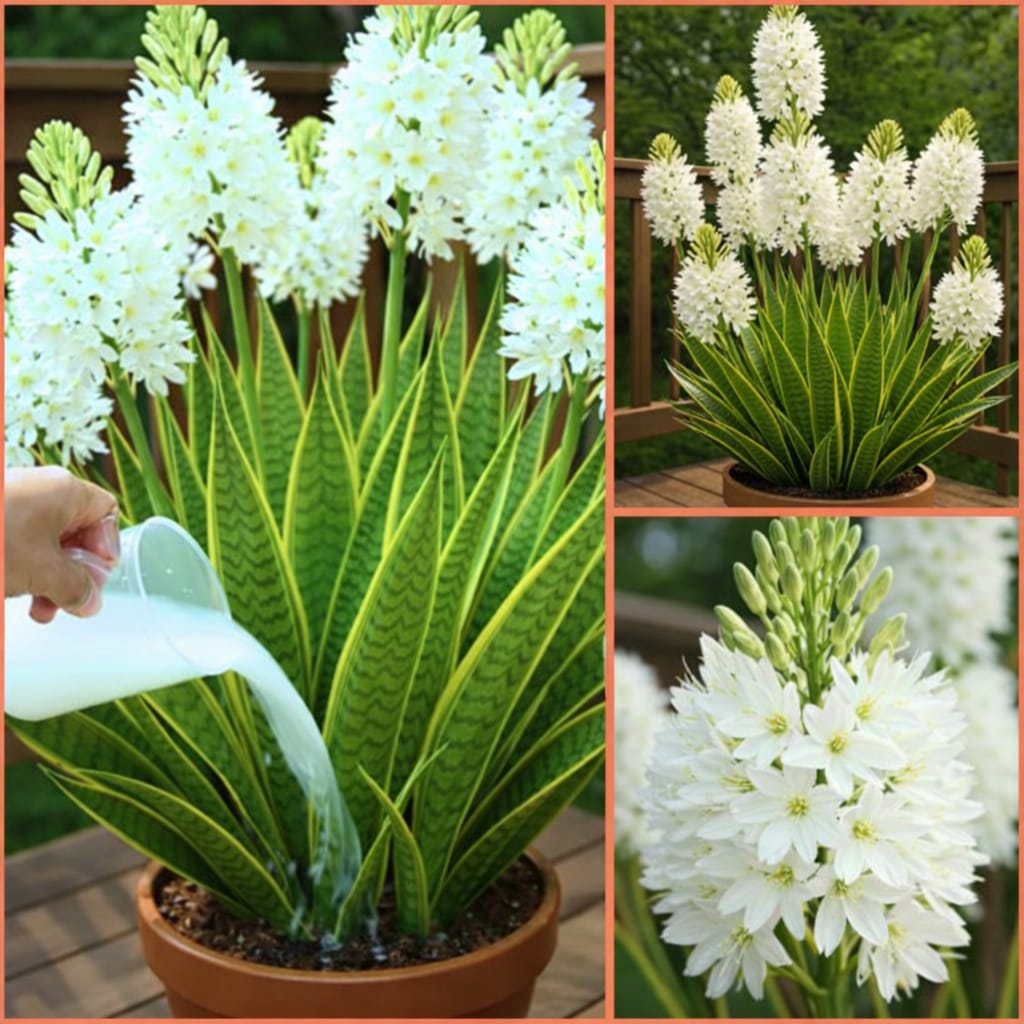
It Rarely Blooms… But This Simple Tip Can Make It Happen And Help You Enjoy Its Fragrance Longer!
Does your fragrant plant rarely bloom? Discover the simple trick to encourage flowers and enjoy their sweet scent for weeks longer. Natural, easy, and effective. You bought it for the flowers. You were promised delicate petals and an intoxicating fragrance that would fill your home. And for a while, it delivered—or maybe it never bloomed…
-

3 Ingredient Fried Cornmeal Mush: A Classic, Crispy, Comfort Food
Learn how to make crispy, golden fried cornmeal mush with just 3 simple ingredients. This old-fashioned comfort food is perfect for breakfast, brunch, or any meal. Easy, budget-friendly, and irresistible. Let me take you back to a time when breakfast was simple, filling, and made with love. I grew up spending summers at my grandmother’s…