
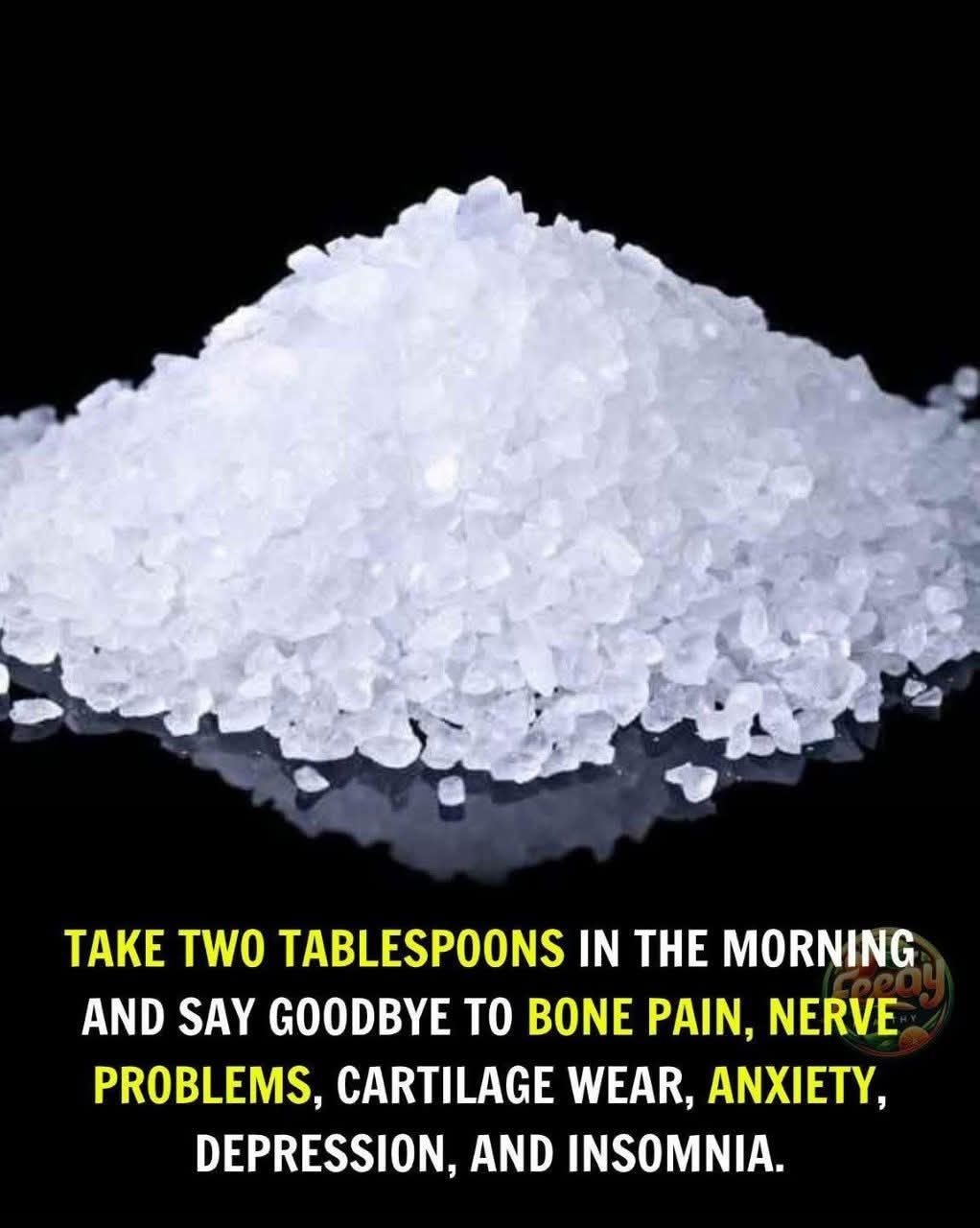
Himalayan salt, known for its distinctive pink hue and purported health benefits, has gained popularity in recent years as a natural alternative to regular table salt. Often hailed for its potential healing properties, Himalayan salt is believed to offer far more than just a flavorful seasoning. It is said to have a range of health benefits—from reducing bone pain and nerve problems to helping with anxiety, depression, and insomnia.
But is Himalayan salt really the miracle ingredient it’s cracked up to be? While it’s true that this natural mineral-rich salt contains trace elements such as magnesium, calcium, potassium, and iron, it’s important to understand how these components work in the body and whether consuming it in large amounts is truly beneficial.
In this article, we’ll explore the potential health benefits of Himalayan salt, how it may help with various conditions, and provide guidance on how to use it safely in your daily routine.
1. What is Himalayan Salt?
Himalayan salt is a rock salt harvested from salt mines near the Himalayan Mountains in regions of Pakistan. Its distinctive pink color comes from the iron oxide in the salt, and it’s known for containing 84 trace minerals and elements that are essential for human health. These minerals include magnesium, calcium, potassium, and iron, which are found in much smaller quantities in regular table salt.
Unlike table salt, which is heavily processed and often stripped of its natural minerals, Himalayan salt is minimally processed, retaining much of its original mineral content. This is why many people claim that it’s a healthier option compared to the refined salts commonly found in most kitchens.
2. Potential Health Benefits of Himalayan Salt
1. Bone Pain Relief
One of the primary claims about Himalayan salt is that it can help alleviate bone pain and joint discomfort. This may be due to the minerals that are present in the salt, particularly magnesium and calcium.
Magnesium plays an essential role in bone health by aiding in the absorption of calcium and helping to maintain bone density. Deficiency in magnesium can lead to weaker bones, which could contribute to conditions such as osteoporosis.
Calcium is a vital mineral for bone strength, and regular consumption of foods or supplements rich in calcium can help prevent bone loss over time.
When consumed in small, controlled amounts, Himalayan salt can provide these beneficial minerals, potentially helping to reduce bone pain and support joint health.
However, it’s important to note that using Himalayan salt as a sole remedy for bone pain is not a replacement for medical treatment or a balanced diet. For bone health, it’s crucial to incorporate magnesium- and calcium-rich foods, such as leafy greens, dairy, and fish.
2. Supporting Nerve Function
Himalayan salt is said to help with nerve problems by supplying essential minerals such as magnesium, which plays a role in nerve function. Magnesium is important for regulating the activity of neurotransmitters, which send signals between the brain and nervous system. When levels of magnesium are low, it may contribute to symptoms like nerve pain, muscle cramps, and weakness.
Magnesium also helps reduce inflammation, which can ease the pain and discomfort caused by nerve issues, such as sciatica or neuropathy.
Adding Himalayan salt to your daily routine, particularly in the morning (as suggested by some), may offer a natural way to maintain healthy nerve function and reduce the discomfort associated with nerve-related conditions.
However, those experiencing severe nerve issues should consult a healthcare provider, as magnesium supplementation alone may not be enough to treat underlying nerve problems.
3. Cartilage Wear Prevention
Cartilage wear and joint degeneration are common issues, especially as we age. Cartilage is a type of connective tissue that cushions the joints, and when it begins to wear down, it can lead to painful conditions like osteoarthritis.
Himalayan salt contains trace minerals like calcium and magnesium, which are essential for maintaining joint health and cartilage regeneration. These minerals support the production of collagen, a protein that helps repair damaged cartilage and maintain its strength.
By incorporating Himalayan salt into your daily routine, you may provide your body with the necessary minerals to help maintain healthy cartilage. However, it’s important to remember that proper hydration and a balanced diet rich in omega-3 fatty acids, vitamin C, and antioxidants are also crucial for joint health.
4. Relief from Anxiety and Depression
Himalayan salt is often touted for its ability to help manage anxiety and depression, primarily due to its ability to balance the body’s electrolyte levels. The minerals found in the salt, such as magnesium, are known to play a role in the regulation of mood and the reduction of stress.
Magnesium helps activate the parasympathetic nervous system (which is responsible for relaxation) and promotes the production of serotonin, a neurotransmitter associated with happiness and well-being.
Potassium helps balance fluids in the body and regulate blood pressure, both of which can have an impact on your mood and energy levels.
Using Himalayan salt in your diet may help regulate these factors, reducing feelings of anxiety and stress. Additionally, many people believe that using Himalayan salt lamps in their home can help purify the air and create a calming atmosphere, further enhancing its ability to reduce anxiety.
5. Improving Sleep and Treating Insomnia
Himalayan salt has long been used to improve sleep quality and help with insomnia. The magnesium in the salt is known for its ability to promote relaxation and muscle relaxation, both of which are crucial for falling asleep and staying asleep throughout the night.
Some people believe that adding Himalayan salt to a warm bath before bed can help promote relaxation and improve sleep. Additionally, having a Himalayan salt lamp in the bedroom may help create a serene atmosphere that encourages restful sleep.
Studies have shown that magnesium plays a key role in regulating melatonin, the hormone responsible for controlling the sleep-wake cycle. By ensuring you get enough magnesium, you may improve your sleep quality and reduce the symptoms of insomnia.
If you’re considering incorporating Himalayan salt into your routine, there are several ways you can use it:
1. Salt Lamps
Himalayan salt lamps are popular for their calming ambiance and are believed to purify the air by releasing negative ions. Placing a salt lamp in your bedroom or living area may help improve air quality and create a soothing environment that supports relaxation.
2. Salt Scrubs and Baths
Himalayan salt is commonly used in bath salts and scrubs due to its detoxifying and soothing properties. A salt bath can help with muscle relaxation and improve circulation, while a salt scrub can exfoliate the skin and promote healthy, glowing skin.
3. In Your Diet
You can add Himalayan salt to your diet by using it as a seasoning for your meals. Add a pinch to your cooking or sprinkle it on top of dishes for an extra burst of flavor. Some people also dissolve a small amount in water and drink it as a natural way to replenish electrolytes and promote better hydration.
4. Salt Inhalers or Diffusers
Using Himalayan salt in an inhaler or diffuser may help with respiratory issues and promote a clean, fresh atmosphere in your home.
4. Conclusion: Himalayan Salt as a Natural Remedy
While Himalayan salt may not be a cure-all for every health issue, its potential to provide bone pain relief, improve nerve function, support cartilage regeneration, reduce anxiety, and help with insomnia makes it a natural remedy worth considering. By incorporating Himalayan salt into your diet, wellness routine, or home environment, you may experience a range of benefits that promote overall health and well-being.
However, it’s essential to approach any new health regimen with caution. Always consult with a healthcare provider before making significant changes to your diet or lifestyle, especially if you have existing health conditions.
Himalayan salt can be a great addition to your daily routine when used in moderation, and its unique mineral content can certainly help support your body’s natural functions. So why not give it a try and see how it benefits your health?
More Recipes You Might Like
-

Strawberry Cream Cheese Icebox Cake: The No-Bake Dessert That Steals the Show
Discover the easiest, most elegant strawberry cream cheese icebox cake! Layers of graham crackers, creamy cheesecake filling, and fresh strawberries come together in this no-bake masterpiece. Perfect for summer entertaining. Let me tell you about the dessert that looks like you spent hours in the kitchen but actually takes about 15 minutes to assemble. I…
-

3 Ingredient Pineapple Ice Cream (5 Minutes)
Discover the easiest, healthiest ice cream you’ll ever make! Just 3 ingredients—frozen pineapple, almond milk, and Greek yogurt—create a creamy, tropical treat in 5 minutes. No machine, no sugar added! Let me tell you about the ice cream that made me a convert—no churning, no heavy cream, no sugar, and done in five minutes. I…
-

BBQ Cauliflower Bites: Crispy, Sticky, and Irresistible
Discover the best BBQ cauliflower bites—crispy baked cauliflower coated in sticky, sweet, smoky BBQ sauce. A vegan, gluten‑free appetizer that rivals chicken wings. Easy oven or air fryer recipe! Let me tell you about the appetizer that converted my meat‑loving friends into cauliflower believers. I first made BBQ cauliflower bites for a game day party,…