
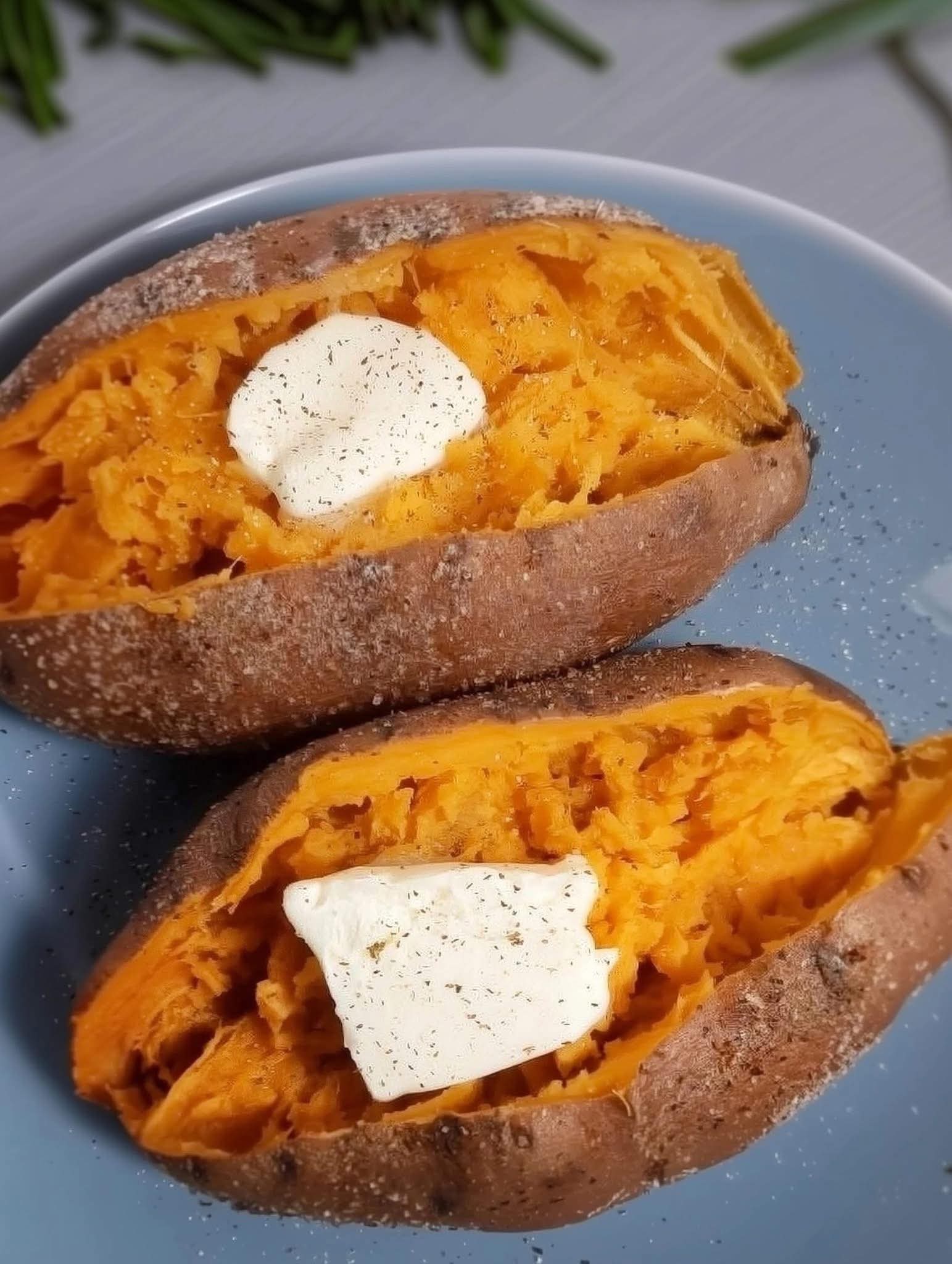
Let’s be honest: most baked potatoes are a disappointment. A limp, pale jacket hides a dense, gummy interior. You deserve so much more. The Perfect Baked Potato is a culinary achievement in its own right—a study in breathtaking contrasts. Imagine a shell so crisp it crackles when cut, dusted with flaky salt, giving way to an interior so ethereally fluffy and steamy it seems to melt away. This isn’t a side dish; it’s a centerpiece, a blank canvas waiting for your favorite toppings, and a lesson in how simple ingredients, treated with respect, can become sublime.
Achieving this perfection isn’t about fancy techniques; it’s about understanding the science of heat, moisture, and salt. It’s about choosing the right potato and giving it the time and conditions it needs to transform. Whether you’re aiming for a hearty weeknight dinner, an impressive side for a steak, or a brilliant meal-prep component, this guide will walk you through every step to guaranteed potato nirvana. Forget everything you thought you knew about baking a potato. Let’s bake the best one of your life.
Why This Method is the Only One You’ll Ever Need
· Unbeatable Textural Contrast: Achieve the legendary crispy skin and cloud-like fluffy interior that defines a truly great baked potato.
· Hands-Off, Foolproof Process: Once in the oven, the potato does the work. No babysitting, no complicated steps.
· The Ultimate Budget-Friendly Meal: Incredibly affordable, endlessly customizable, and deeply satisfying.
· Meal Prep Hero: Bake a batch on Sunday for quick lunches or dinners all week long.
The Science of Perfection: Why This Method Works
The perfect bake is a controlled evaporation process. Rubbing the skin with oil and salt is the first masterstroke. The oil conducts heat efficiently, crisping the skin, while the salt draws out surface moisture, further enhancing crispness and seasoning it deeply. Poking holes allows steam to escape, preventing a potato explosion. The middle-rack oven bake provides consistent, all-around heat. Most crucially, NOT wrapping the potato in foil is key. Foil steams the potato, resulting in a soft skin and wet interior. We want dry, circulating hot air to work its magic on the exposed skin for that essential crackle.
Essential Equipment for the Perfect Bake
You don’t need much, but the right tools ensure consistent, flawless results. Here’s your potato toolkit:
· Russet Potatoes (The Right Spud): This is non-negotiable. Russet potatoes, also called Idaho or baking potatoes, have the perfect high-starch, low-moisture content needed for a fluffy interior and sturdy skin.
· Rimmed Baking Sheet: A heavy-duty, rimmed baking sheet (like a half-sheet pan) is ideal. The rim prevents any rogue rolling, and the pan’s mass ensures even heat distribution. Avoid dark non-stick pans, which can over-brown the bottoms.
· Wire Cooling Rack & Baking Sheet Combo (Pro Method): For the ultimate crispy skin all around, place a wire cooling rack on top of your baking sheet. Setting the potatoes on the rack allows hot air to circulate underneath as well, preventing any steaming on the bottom.
· Fork or Small Skewer: For poking generous holes in the potato to release steam. A dinner fork or metal skewer works perfectly.
· Pastry Brush or Your Hands: A silicone pastry brush makes applying oil easy and clean. Alternatively, using your hands ensures every nook and cranny is coated.
· Oven Thermometer: Oven temperatures are notoriously inaccurate. A standalone oven thermometer guarantees you’re baking at the true 400°F (205°C) required for perfect results.
· Kitchen Towels: One for drying the scrubbed potatoes, and one (or oven mitts) for handling the scalding-hot potatoes after baking.
· Sharp Knife & Fork for Serving: A sharp chef’s knife to make a clean, decisive cut, and a fork to fluff the interior dramatically.
Ingredient Deep Dive: It’s All About the Potato
The Main Event:
· Russet Potatoes: Look for large, oval potatoes that are firm and heavy for their size, with smooth, unblemished skin. Avoid any with green spots or sprouts. Size matters—choose uniform potatoes so they finish baking at the same time.
The Crisp & Flavor Enhancers:
· Neutral High-Heat Oil: Avocado oil, grapeseed oil, or refined coconut oil have high smoke points and neutral flavors. Extra-virgin olive oil can burn at this temperature.
· Kosher Salt or Flaky Sea Salt: Kosher salt adheres beautifully to the oily skin. A final sprinkle of Maldon flaky sea salt after baking adds a fantastic texture and burst of flavor.
Step-by-Step Instructions for Potato Perfection
Part 1: Prep & Preheat (The Foundation)
Position the Rack & Preheat: Place one oven rack in the center position. Preheat your oven to 400°F (205°C). No convection/fan needed. Let the oven come to full temperature.
Scrub & Dry: Scrub each potato vigorously under cold running water to remove all dirt. Dry them thoroughly with a kitchen towel. Any surface water will inhibit crispiness.
Poke & Oil: Using a fork, poke each potato 8-12 times on all sides, plunging in about ½ inch. This is your steam-release valve. Place the potatoes on your prepared baking sheet (or on the wire rack set inside the sheet).
The Oil & Salt Coat: Drizzle or brush each potato generously with oil, using your hands or the brush to coat every single surface. Then, sprinkle a generous amount of kosher salt all over the skin, rolling to coat evenly.
Part 2: The Bake
Bake Directly on the Rack/Sheet: Place the baking sheet in the center of the preheated oven. Bake for 45 to 75 minutes. The time varies dramatically based on size. A perfect baked potato is not about time, but about internal temperature and feel.
The Doneness Test: The potato is done when the skin is deeply golden, crisp, and wrinkled, and the potato yields easily to a gentle squeeze (use an oven mitt!). For absolute precision, an instant-read thermometer inserted into the center should read 205°F to 210°F (96°C to 99°C). This is the point where the starches have fully gelatinized, creating that fluffy texture.
Part 3: The Final, Critical Step
Slice & Steam Release: As soon as you remove the potato from the oven, use a sharp knife to make a long, decisive slice lengthwise across the top. Then, using a fork, gently push in on both ends towards the center. This releases a burst of steam and opens the potato up, preventing it from becoming soggy.
Fluff & Serve: Immediately fluff the hot interior with a fork, creating peaks and valleys that are perfect for holding butter, salt, and toppings.
Serving Suggestions: From Classic to Gourmet
This is where your perfect canvas shines.
· The Classic: A pat of good salted butter, a crack of black pepper, a pinch of chives, and a dollop of sour cream.
· The Loaded Supreme: Butter, sour cream, crispy bacon bits, shredded cheddar cheese, and sliced green onions.
· The Gourmet: Creamy goat cheese, wilted garlicky spinach, and a drizzle of truffle oil.
· The Chili Lover’s: A hearty ladle of beef or bean chili, cheddar cheese, and a sprinkle of raw onion.
· The Lighter Option: Greek yogurt, steamed broccoli, and a sprinkle of everything bagel seasoning.
FAQs: Your Baked Potato Questions Answered
Q: Can I microwave it to save time?
A:You can, but you’ll sacrifice the skin. For a hybrid method, microwave on high for 5-7 minutes until slightly soft, then finish in a 400°F oven for 20 minutes to crisp the skin. For true perfection, oven-only is best.
Q: How do I store and reheat leftovers?
A:Let baked potatoes cool completely, then store in an airtight container in the fridge for up to 5 days. Reheat in the oven or toaster oven at 375°F until hot through (about 15-20 minutes). The microwave will make the skin rubbery and the interior gluey.
Q: My potato is still hard in the middle. What happened?
A:It simply needs more time. Ovens and potato sizes vary. Use the internal temperature (205°F+) as your true guide, not just the clock.
Q: Can I add toppings before baking?
A:Do not add soft toppings like cheese or sour cream before baking. They will burn. Only oil and salt go on before the bake. All other toppings are added after.
The Final Scoop: A Lesson in Culinary Fundamentals
The Perfect Baked Potato is a testament to the power of fundamental cooking techniques. It teaches patience, the importance of temperature, and how a few thoughtful steps can elevate the most humble ingredient into something extraordinary. It’s a reminder that sometimes, the simplest foods, done perfectly, are the most satisfying.
So, choose your Russets with care, preheat your oven with purpose, and savor the transformative process. Don’t forget to PIN the image below to your ‘Easy Dinners’ and ‘Side Dish Recipes’ boards so you always have this guide.
Now, go bake a potato that will redefine your expectations. The perfect, crispy, fluffy bite awaits.
More Recipes You Might Like
-
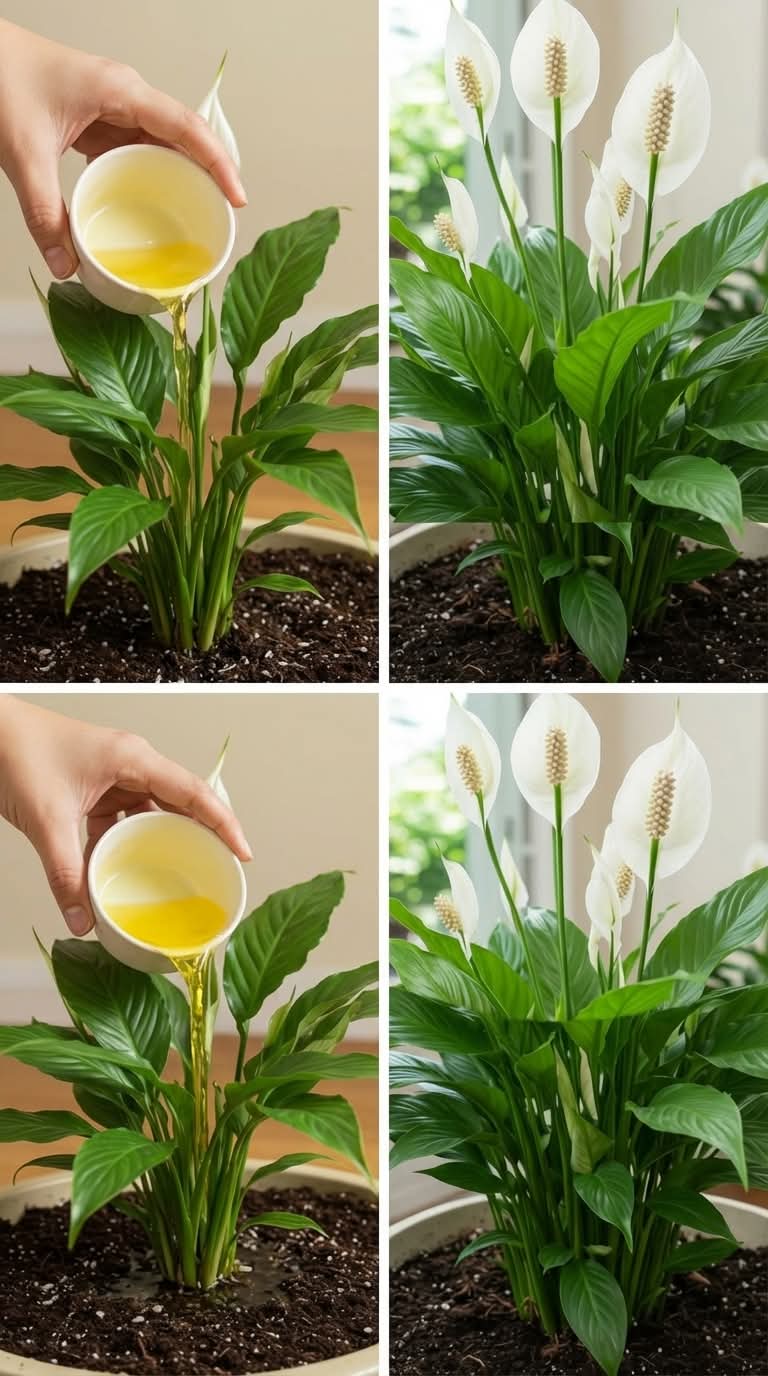
Just One Cup of This Kitchen Liquid… And Your Peace Lily Explodes With Flowers!
If you’ve ever struggled to get your peace lily to bloom, you’re not alone. Many plant lovers find that their lush green plant looks healthy—but those beautiful white flowers just don’t appear as often as expected. The good news? There’s a simple, natural plant fertilizer you can make right from your kitchen that may help…
-
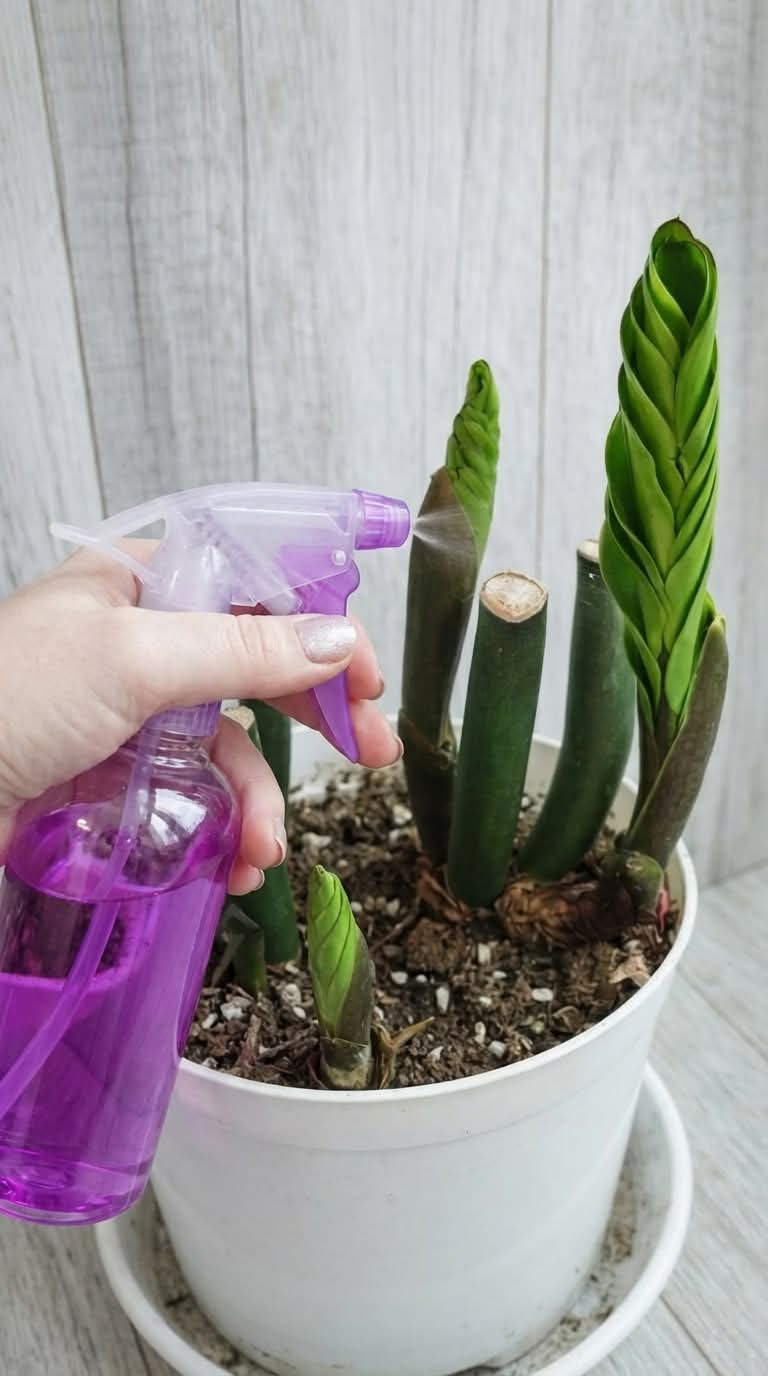
Just a Few Sprays of This Simple Mix… And Your ZZ Plant Wakes Up!
Is your ZZ plant looking stuck or slow to grow? This simple homemade leaf spray cleans dust, adds shine, and supports healthier growth. Easy recipe with neem oil for pest protection. Let me share the simple spray that brought my once‑dormant ZZ plant back to life. ZZ plants (Zamioculcas zamiifolia) are famous for being nearly…
-
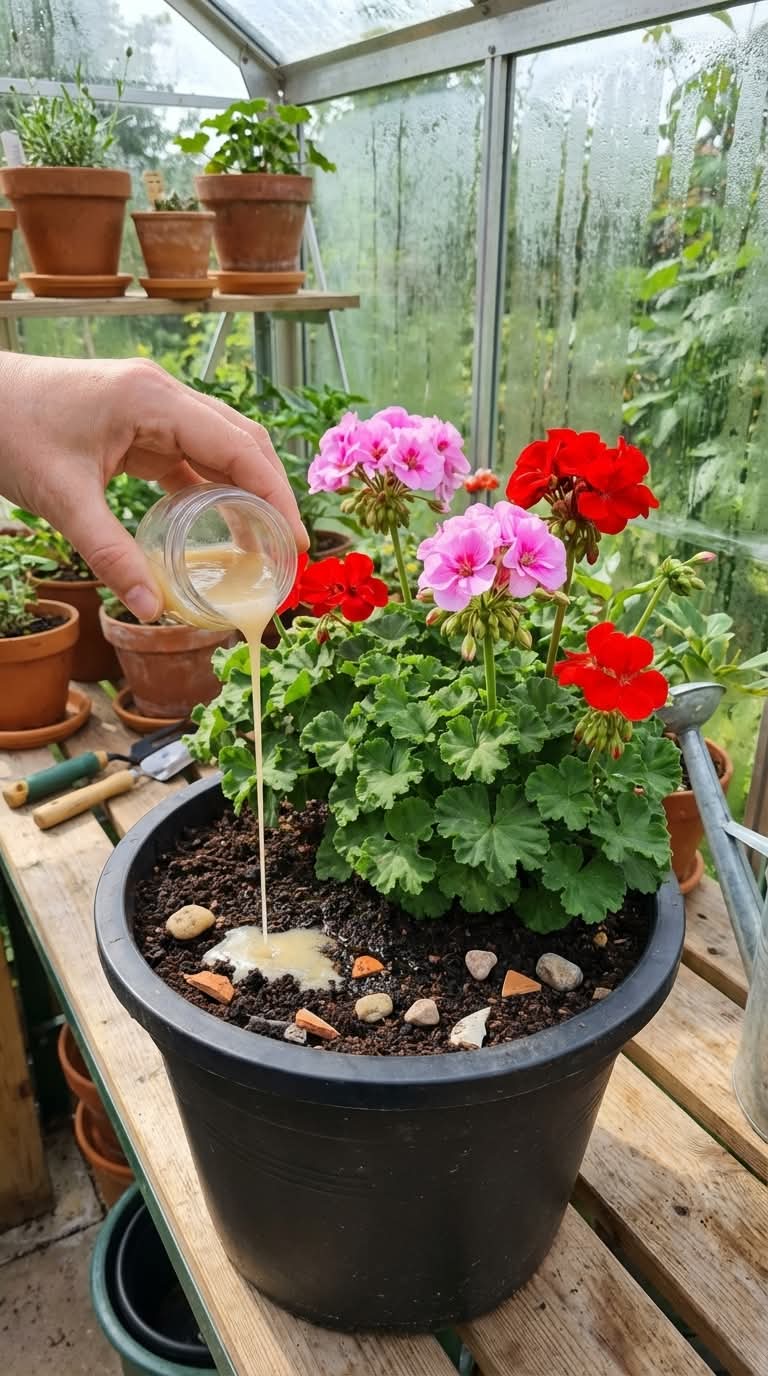
The Simple Trick That Makes Your Geraniums Bloom Bigger and Brighter – A Complete Guide
Want bigger, brighter geranium blooms? Discover the simple homemade sugar and lemon trick that boosts flowering, plus expert care tips for nonstop color all season long. Let me share the little secret that turned my average geraniums into show-stopping beauties. I’ve always loved geraniums. Their bright clusters of red, pink, white, and salmon flowers are…