
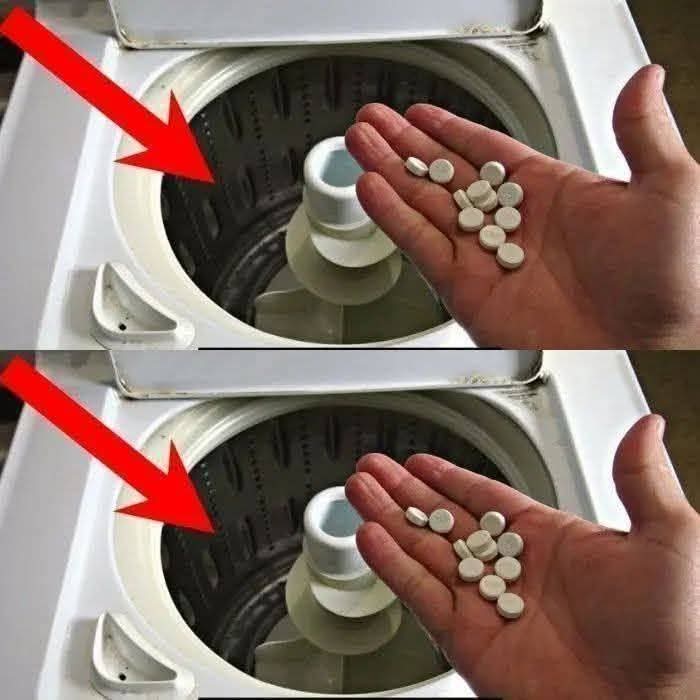
For generations, tucked away in the handwritten margins of family recipe books or passed along in hushed tones over the back fence, has been a peculiar laundry secret: the humble aspirin tablet. This isn’t a cure for headaches, but a purported miracle worker for stubborn yellow underarm stains, dingy whites, and mysterious grass marks. “Just crush a few aspirin in with the wash,” the wisdom goes, a traditional laundry hack preserved from a time before color-safe bleach and enzyme-based stain removers.
But does this aspirin stain removal method hold up under modern scrutiny, or is it merely a charming relic of the past? This deep dive unravels the science behind the tradition, provides a definitive guide to its safe use, and explores how this grandma’s laundry secret fits into today’s world of high-efficiency detergents and advanced fabric care.
Why Your Laundry Arsenal Matters: Tools for Traditional and Modern Care
Whether you’re testing an old-world hack or using a cutting-edge detergent, the right laundry room essentials set the stage for success. Understanding your tools helps you apply any method—aspirin or otherwise—more effectively and safely.
The Mortar and Pestle: The Traditional Grinding Tool
At the heart of the aspirin method is the need to dissolve the tablets.A granite or ceramic mortar and pestle is the classic, controlled tool for creating a fine aspirin powder. This fine consistency is crucial for maximizing surface area and ensuring the aspirin dissolves completely in water, preventing any gritty residue from clinging to fabrics. While a spoon and bowl can work, the mortar and pestle provides a more consistent grind.
Glass or Ceramic Mixing Bowls: For Safe Solution Making
Always dissolve crushed aspirin in anon-reactive bowl. Glass or ceramic bowls are ideal, as they won’t interact with the acetylsalicylic acid. Avoid using metal bowls, which could potentially cause undesirable reactions or corrosion over time. A spouted measuring cup is also excellent for creating and easily pouring the pre-treatment solution.
The Bulb Baster or Eyedropper: For Precision Application
For targetedstain pre-treatment, precision is key. A kitchen bulb baster or a medicine dropper allows you to apply the aspirin solution directly onto sweat stains or specific spots without oversaturating the entire garment. This focused application is more effective and economical.
The Wash Basin or Utility Sink: For Controlled Soaking
The classic method involves a prolonged soak.A clean plastic wash basin or a stainless steel utility sink provides a dedicated space for soaking garments in the aspirin solution without tying up your main laundry sink. Ensure the basin is thoroughly cleaned of any detergent or bleach residue first.
Modern Allies: The Washing Machine and Detergent Dispenser
While the aspirin soak is often done separately,your high-efficiency (HE) washing machine is the final actor. Understanding your machine’s settings—like a presoak cycle, extra rinse, or precise temperature control—allows you to integrate the aspirin pretreatment into a modern laundry routine seamlessly. Your machine’s detergent dispenser drawer should be rinsed after use to prevent any aspirin powder residue from affecting future loads.
Essential Equipment Checklist:
· Mortar and pestle (for crushing)
· Glass or ceramic mixing bowls
· Bulb baster or eyedropper
· Plastic wash basin or utility sink
· Measuring spoons
· Clean white cloths (for blotting)
· HE Washing Machine with presoak settings
· Stainless steel laundry tongs (for handling soaked items)
The Step-by-Step Guide: Using Aspirin in Your Laundry
This method is specifically tailored for treating yellow underarm stains on white cotton or linen, where it is most historically noted to be effective.
Important Safety Precautions First:
· Spot Test: Always perform a spot test on an inner seam or hidden area of the garment. Apply the solution, let it sit for 30 minutes, rinse, and check for color damage or fabric distortion.
· Fabric Limitations: Do not use on silk, wool, leather, suede, or any dry-clean-only garments. The acid can damage delicate fibers.
· Colorfastness: Never use on colored fabrics unless you have verified absolute colorfastness. It is best reserved for white and off-white natural fibers.
· Check Garment Care Labels: When in doubt, follow the manufacturer’s label.
The Targeted Stain Treatment Method (Recommended)
This method is efficient and conserves aspirin.
What You’ll Need:
· 2-3 uncoated aspirin tablets (325 mg each)
· ½ cup warm water
· Mortar and pestle
· Small glass bowl
· Eyedropper or bulb baster
· Old toothbrush
Instructions:
Crush the Aspirin: Using your mortar and pestle, grind the aspirin tablets into a very fine, uniform powder. The finer it is, the better it will dissolve.
Create the Solution: In the glass bowl, pour the warm water. Slowly add the crushed aspirin powder while stirring continuously until it is fully dissolved. The water may become slightly cloudy.
Apply to the Stain: Lay the garment flat, with the stain accessible. Using the eyedropper, carefully apply the solution directly onto the yellowed underarm area, ensuring it is saturated. For thicker fabrics, you can gently rub the solution in with the back of a spoon or a soft-bristled toothbrush.
Let it Work: Allow the garment to sit for 30 minutes to 1 hour. Do not let it dry out.
Wash as Usual: After the pretreatment, launder the garment immediately in your washing machine using the hottest water temperature the fabric can tolerate (check the label!) with your regular laundry detergent. Adding ½ cup of white vinegar to the rinse cycle can help neutralize any remaining acid and boost freshening.
Air Dry: Inspect the stain before putting the garment in the dryer. Heat can set any remaining stain. If the stain is gone, dry as normal. If a faint mark remains, repeat the pretreatment and wash cycle before drying.
The Whole Garment Soak Method (For Overall Yellowing/Dinginess)
This is the classic “grandma’s tub” method for reviving an entire white load.
What You’ll Need:
· 5-8 uncoated aspirin tablets (325 mg each)
· 1 gallon of very warm water
· Clean plastic wash basin or bucket
· Mortar and pestle
Instructions:
Dissolve the Aspirin: Crush the aspirin tablets thoroughly. Fill your wash basin with one gallon of warm water. Stir in the crushed aspirin until fully dissolved.
Soak the Laundry: Submerge the dingy white garments completely in the solution. Ensure they are fully saturated. Soak for 6-8 hours, or overnight.
Rinse and Wash: After soaking, drain the aspirin water. Rinse the garments briefly in cool water. Then, run them through a full washing machine cycle with your regular detergent. An extra rinse cycle is advisable.
Dry with Caution: Air dry initially to ensure all stains are lifted before applying machine dryer heat.
The Science Behind the Hack: Salicylic Acid as a Breaking Agent
Aspirin’s active ingredient is acetylsalicylic acid. In water, it breaks down into salicylic acid—a compound well-known in skincare for its ability to break down and dissolve oils, proteins, and keratin.
This is the key to its limited laundry efficacy:
Sweat Stain Composition: Yellow underarm stains are primarily caused by a reaction between aluminum-based antiperspirant salts and proteins and fatty acids in sweat.
The Chemical Action: Salicylic acid can act as a mild hydrolyzing agent, helping to break the bonds of the protein and fat complexes in the stain. It essentially helps to “unstick” the stain components from the cotton fibers, making them more soluble and easier for detergent to wash away.
It is NOT a bleach. It does not oxidize or remove color in the way chlorine or oxygen bleach does. It is a breaking agent for specific types of organic stains.
Limitations, Risks, and Modern Alternatives
Understanding when aspirin won’t work is as important as knowing when it might.
When Aspirin is Ineffective:
· Ink, Wine, Berry Stains: These are tannin or dye-based, not protein/fat-based.
· Grease or Oil Stains: Salicylic acid is not a strong degreaser.
· Set-in or Old Stains: The chemical bonds may be too permanent.
· Stains on Synthetic Fibers: Polyester and nylon stains have different chemistry.
Potential Risks:
· Fabric Damage: The acidic solution can weaken cotton and linen fibers over repeated use, leading to fabric thinning or holes, especially in already worn areas.
· Residue: Incomplete rinsing can leave a gritty or acidic residue on fabrics.
· Allergic Reactions: Those with severe salicylate sensitivity should avoid handling treated garments.
Modern, Proven Alternatives
For a reliable laundry routine, these are more effective and versatile:
Stain Type Recommended Modern Product Key Advantage vs. Aspirin
Protein-Based (Sweat, Blood, Egg) Enzyme-based pre-treatment (e.g., Zout, Shout) Specifically designed to digest proteins; safer for fabrics and colors.
Overall Dinginess/Yellows Oxygen-based bleach (e.g., OxiClean, Clorox 2) Brightens whites, safe for colors, and breaks down a wider stain range.
Underarm Stains & Odor Pre-wash paste (made from baking soda, hydrogen peroxide, & dish soap) Lifts and oxidizes stains; deodorizes effectively.
General Pre-treatment Liquid laundry detergent or stain remover pen applied directly Convenient, formulated for modern fabrics and washing machines.
Conclusion: A Niche Tool in a Modern Toolkit
The secret of aspirin in laundry is a fascinating piece of domestic history—a testament to the resourcefulness of past generations who understood the versatile chemistry of household items. Its efficacy is narrow and rooted in science, but it is not a magic bullet.
Today, it stands as a specialized, occasional treatment—a potential option for a specific problem (fresh yellow underarm stains on sturdy whites) when modern products aren’t at hand. However, for consistent, safe, and comprehensive fabric care, modern enzyme cleaners and oxygen bleaches are far superior solutions.
So, while we can honor this traditional laundry hack as a clever piece of passed-down wisdom, our laundry rooms are better served by viewing aspirin not as a staple, but as a curious, historical footnote in the ever-evolving science of getting clothes clean. The true secret lies in matching the right tool—whether from the medicine cabinet or the laundry aisle—to the very specific problem at hand.
More Recipes You Might Like
-
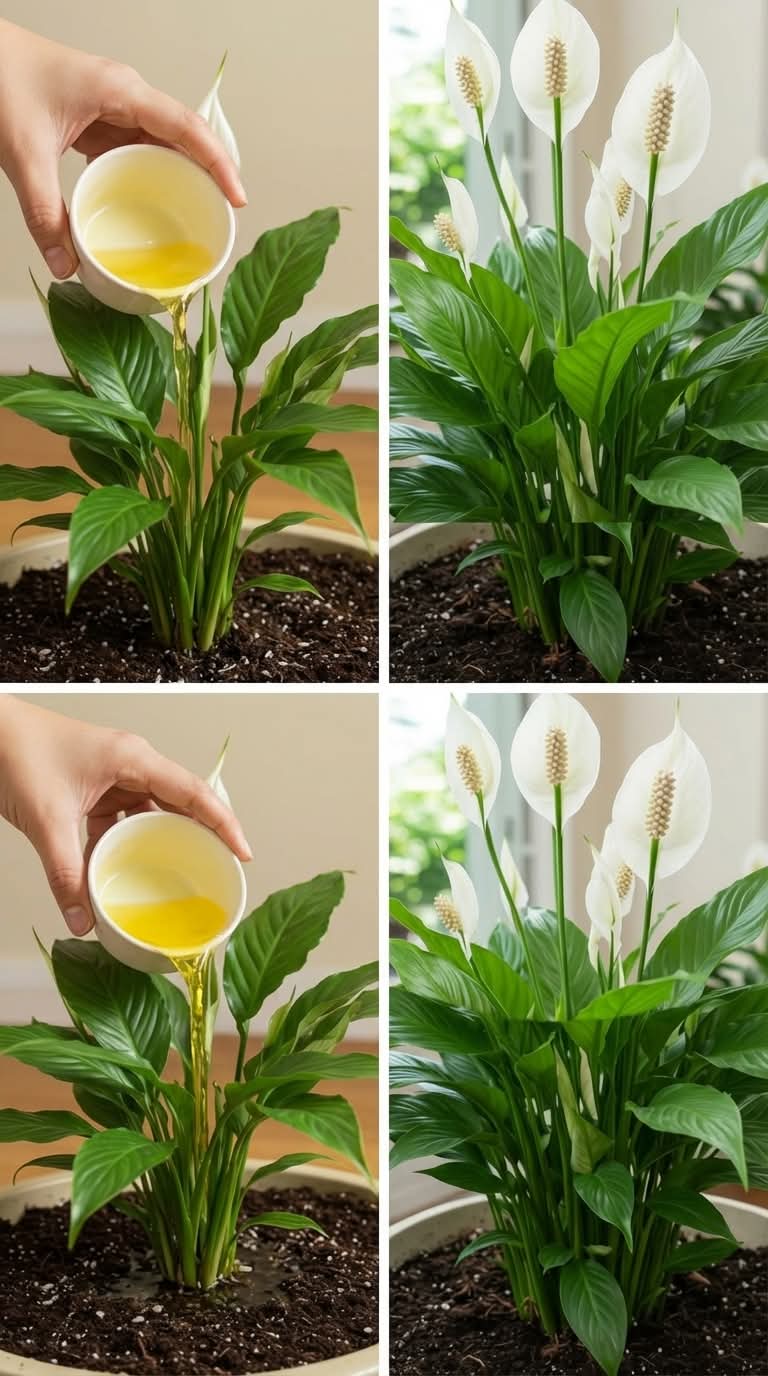
Just One Cup of This Kitchen Liquid… And Your Peace Lily Explodes With Flowers!
If you’ve ever struggled to get your peace lily to bloom, you’re not alone. Many plant lovers find that their lush green plant looks healthy—but those beautiful white flowers just don’t appear as often as expected. The good news? There’s a simple, natural plant fertilizer you can make right from your kitchen that may help…
-
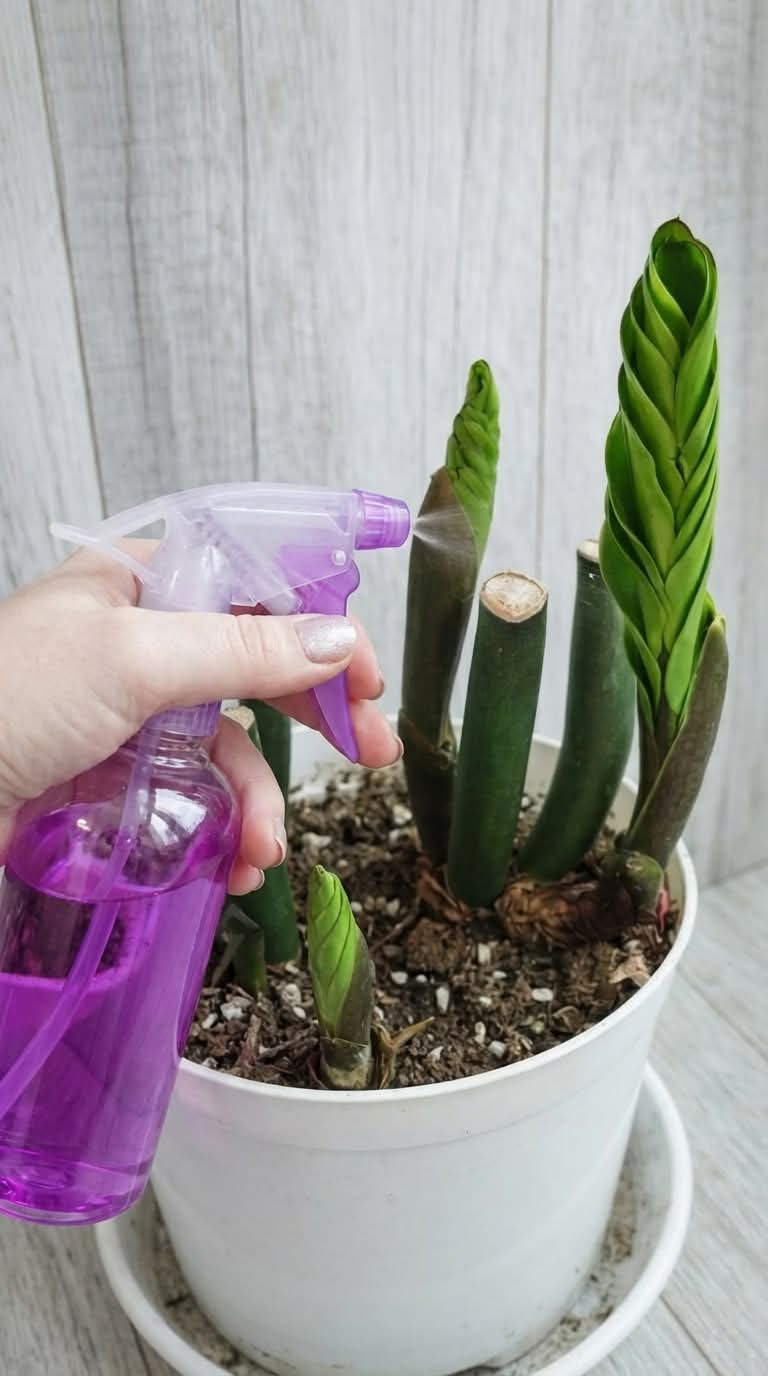
Just a Few Sprays of This Simple Mix… And Your ZZ Plant Wakes Up!
Is your ZZ plant looking stuck or slow to grow? This simple homemade leaf spray cleans dust, adds shine, and supports healthier growth. Easy recipe with neem oil for pest protection. Let me share the simple spray that brought my once‑dormant ZZ plant back to life. ZZ plants (Zamioculcas zamiifolia) are famous for being nearly…
-
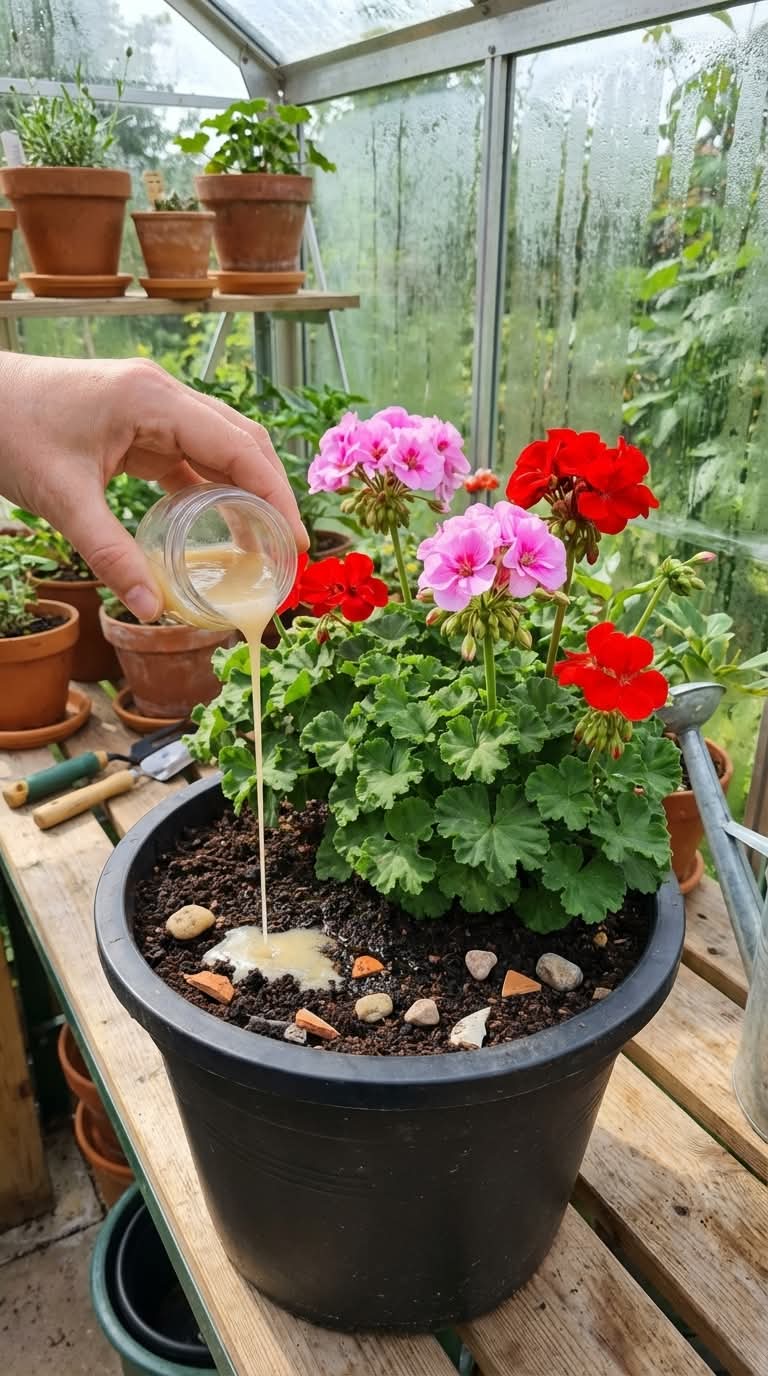
The Simple Trick That Makes Your Geraniums Bloom Bigger and Brighter – A Complete Guide
Want bigger, brighter geranium blooms? Discover the simple homemade sugar and lemon trick that boosts flowering, plus expert care tips for nonstop color all season long. Let me share the little secret that turned my average geraniums into show-stopping beauties. I’ve always loved geraniums. Their bright clusters of red, pink, white, and salmon flowers are…