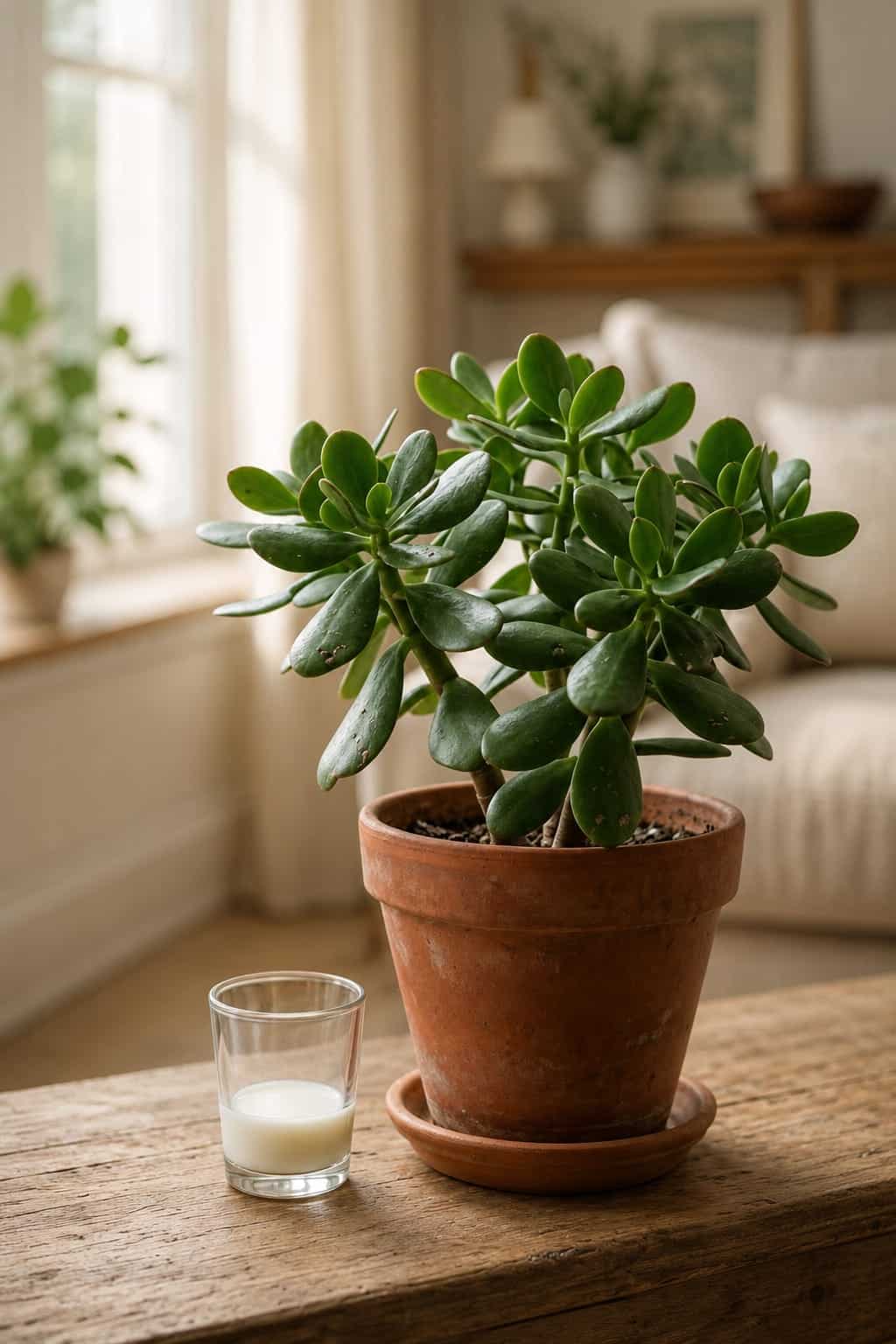
The Right Watering Routine for Jade Plants
Watering is one of the biggest reasons jade plants succeed or fail. Because jade plants store water in their leaves and stems, they prefer to dry out between waterings. The soil should not stay constantly moist.
When you water, water thoroughly until excess drains from the bottom. Then do not water again until the potting mix dries. This wet-dry cycle is healthier than small frequent sips.
Small daily watering is dangerous because it can keep the surface damp while the roots remain stressed. Jade roots need oxygen, and constantly damp soil reduces airflow.
In winter, jade plants often need much less water. If the plant is in a cooler room, the soil dries more slowly. Always check the soil before watering.
Best Soil for Jade Plants
Jade plants need fast-draining soil. A cactus or succulent mix is usually better than dense regular potting soil. You can improve drainage by adding perlite, pumice, coarse sand, or small lava rock.
The soil should allow water to pass through quickly. If water sits on top for a long time or the pot stays heavy for many days, the mix may be too dense.
Dense soil is especially risky if you use homemade liquids like milk water. Organic liquids in heavy soil can sour more easily. Before trying any supplement, make sure the soil is suitable.
A healthy soil mix does more for jade plant health than almost any homemade trick.
Why Pot Drainage Matters
A jade plant should always grow in a pot with drainage holes. Without drainage, water collects at the bottom, even if the top looks dry. This hidden moisture can rot the roots.
Terracotta pots are often helpful for jade plants because they allow moisture to evaporate through the sides. This can reduce the risk of overwatering. The pot in the image appears to be terracotta, which is a good choice for succulents when used with proper soil.
If your jade plant is in a decorative pot without drainage, consider repotting it into a container with holes. No milk-water routine can compensate for trapped water around the roots.
How to Encourage a Jade Plant to Flower Naturally
To encourage blooms, give the jade plant bright light during the growing season. Let it grow strong leaves and stems. Feed lightly with a balanced succulent fertilizer during active growth if needed.
As the season changes, allow the plant to experience cooler nights if possible. Keep it away from freezing temperatures, but a cooler room can help trigger flowering. Reduce watering during this rest period, allowing the soil to stay dry longer between waterings.
Do not overfertilize. Too much nitrogen can encourage leafy growth rather than flowers. A jade plant that is overfed and overwatered may grow soft, weak stems instead of preparing blooms.
Be patient. Some jade plants bloom only when they are mature and conditions align. A lack of blooms does not always mean the plant is unhealthy.
Can Milk Water Improve Fragrance?
Milk water will not directly create fragrance. Jade plant flowers, when they appear, may have a light scent depending on the plant and conditions. The fragrance comes from the flowers themselves, not from milk in the soil.
If your goal is a lovely fragrance, the real goal is to help the jade plant become mature and healthy enough to bloom. Strong light, seasonal rest, and proper watering are the main steps.
Milk water may support a healthy plant in a small way, but it will not make a non-blooming jade plant suddenly smell fragrant. That claim would be unrealistic.
What Results Can You Realistically Expect?
Realistic results from diluted milk water are subtle. A healthy jade plant may continue growing steadily. Leaves may stay firm and glossy. The plant may benefit from a small occasional supplement if the soil and watering routine are already correct.
You should not expect instant flowers. You should not expect a young jade plant to bloom because of one application. You should not expect fragrance unless the plant actually produces flowers.
The best sign of success is a stable plant: firm leaves, strong stems, dry healthy soil between waterings, and gradual compact growth. Blooms are a bonus that may come with maturity and the right seasonal conditions.
Warning Signs After Using Milk Water
If the soil smells sour after using milk water, the mixture was too strong, used too often, or the soil stayed wet too long. Stop using it immediately.
If mold appears on the soil surface, remove the affected top layer and let the soil dry. Do not use milk water again until the plant is stable, and consider skipping it completely.
If fungus gnats appear, stop using organic liquids. Let the soil dry more thoroughly and use sticky traps if needed. Fungus gnats are often a sign of moist organic soil.
If leaves become soft, translucent, or mushy, check for overwatering and root rot. Remove the plant from the pot if necessary and inspect the roots.
What to Do If You Used Too Much Milk
If you accidentally poured strong milk into the pot, act quickly. If the pot has drainage holes, flush the soil with plain water and let it drain completely. This may help wash out some residue.
If the soil smells bad or remains wet, repot the jade plant into fresh dry succulent mix. Remove old soil from around the roots as gently as possible. Trim any black, mushy, or rotten roots with clean scissors.
After repotting, do not water immediately if the roots were damaged. Let the plant settle for a few days, then water lightly when appropriate. Keep it in bright indirect light until it stabilizes.
Do not try to fix too much milk by adding another ingredient. Keep the recovery simple.
Can You Spray Milk Water on Jade Leaves?
It is better not to spray milk water on jade leaves. Jade leaves are thick and smooth, and residue can sit on the surface. Milk residue may attract dust, smell unpleasant, or encourage spots.
If you want clean, shiny leaves, wipe them with a soft damp cloth and plain water. Avoid oils, milk, or sticky homemade leaf shine mixtures. Jade leaves naturally look glossy when they are clean and healthy.
Apply any diluted milk-water mixture only to the soil, and only rarely.
Can Milk Water Replace Fertilizer?
No. Milk water is not a complete fertilizer. Jade plants need balanced nutrients, but they need them lightly. A diluted cactus or succulent fertilizer used during the growing season is more reliable.
If you fertilize, use a weak dose and do not fertilize too often. Jade plants are not heavy feeders. Overfeeding can cause soft growth and salt buildup.
Milk water can be an optional occasional supplement, but it should not replace a proper fertilizer if the plant truly needs nutrition.
How to Prune Jade Plants for a Fuller Shape
Pruning is one of the best ways to make a jade plant fuller. If the plant becomes leggy, cutting back long stems can encourage branching. Always use clean scissors or pruning shears.
Prune during active growth, usually spring or early summer. Avoid heavy pruning during winter rest or when the plant is stressed.
After pruning, allow cut ends to dry and callus. Do not water heavily immediately after pruning. Jade plants can be propagated from stem cuttings or even leaves, but cuttings should dry before being placed in soil.
A fuller jade plant with strong branching is more likely to look mature and may eventually have more potential blooming points.
How to Keep Jade Leaves Thick and Glossy
Thick, glossy leaves come from good light, correct watering, and healthy roots. If leaves are thin and wrinkled, the plant may be thirsty or root-damaged. If leaves are soft and mushy, the plant may be overwatered.
Give the plant bright light and let the soil dry between waterings. Do not constantly mist jade leaves. Succulents do not need frequent misting, and moisture sitting on leaves can cause spots in some conditions.
Dust leaves occasionally with a dry or slightly damp cloth. Clean leaves can absorb light better and look healthier.
A Simple Yearly Jade Plant Care Plan
In spring and summer, give the jade plant bright light and water when the soil dries. Feed lightly once or twice during active growth if needed. This is the safest season for small supplements like diluted milk water, but only rarely.
In late summer or fall, begin reducing water slightly if you want to encourage a rest period. Keep the plant in bright light and allow cooler nights if possible.
In winter, water sparingly and avoid feeding unless the plant is actively growing in a warm, bright environment. This rest period may help mature jade plants prepare for blooms.
Year-round, protect the plant from frost, overwatering, and dense soil. These basics are far more important than any homemade trick.
Common Mistakes to Avoid
- Pouring straight milk into the pot – this can spoil and damage the soil environment.
- Using milk water too often – jade plants are succulents and do not need frequent organic watering.
- Applying milk water to damp soil – only use it when the plant is due for watering.
- Expecting instant blooms – jade plants usually need maturity, bright light, cooler nights, and a dry rest period.
- Using milk water on a rotting plant – root rot needs dry recovery care and fresh soil, not extra liquid.
- Keeping jade plants in low light – without strong light, flowering is unlikely.
Frequently Asked Questions
Can milk water make a jade plant bloom?
Milk water cannot force a jade plant to bloom. It may be used as a mild occasional supplement, but blooms depend mostly on maturity, bright light, cooler nights, reduced watering, and healthy roots.
How much milk should I use for a jade plant?
Use a very weak mixture, such as one teaspoon of plain milk in one cup of water. For extra safety, use even less milk. The mixture should look only slightly cloudy.
How often should I use milk water?
Use it rarely, about once every two or three months during active growth, if at all. Do not use it weekly.
Can I pour straight milk into the pot?
No. Straight milk can spoil, smell bad, attract insects, encourage mold, and harm the roots.
Can milk water save a dying jade plant?
No. A dying jade plant needs diagnosis first. Check for overwatering, root rot, poor drainage, low light, or cold damage. Milk water is not a rescue treatment.
Why is my jade plant not blooming?
The plant may be too young, not receiving enough light, not experiencing cooler nights, or being watered too often. Many indoor jade plants do not bloom unless conditions are very suitable.
Can I spray milk water on jade leaves?
No. It is better to keep milk water off the leaves. Clean jade leaves with plain water and a soft cloth instead.
What should I do if the soil smells bad after using milk?
Stop using milk water. Flush the soil if the pot drains well, or repot into fresh succulent mix if the smell continues. Check the roots for rot.
🌿 Remember: Diluted milk water is a gentle occasional supplement, not a miracle treatment. Strong light, fast-draining soil, careful watering, seasonal rest, and patience are the real keys to a healthy, blooming jade plant. Use milk water rarely and only when the plant is already thriving.