
Want your snake plant to grow faster and look healthier? The real trick isn’t a secret potion – it’s consistent care. Learn the simple indoor adjustments that produce visible results in weeks.
Let’s be honest: snake plants (Sansevieria, now Dracaena) have a reputation for being nearly indestructible. They survive low light, infrequent watering, and general neglect. They’re the plant you buy when you’re not sure you can keep anything alive.
But here’s something most people don’t realize: just because your snake plant is surviving doesn’t mean it’s truly thriving. There’s a big difference between a plant that’s just hanging on and one that’s growing vigorously, pushing out new shoots, and standing tall with firm, vibrant leaves.
Many homeowners are now using a simple indoor care adjustment that helps their snake plants grow faster, look healthier, and develop stronger leaves – and the results can show surprisingly quickly, often within a few weeks.
You may have seen people online adding liquids, drops, or homemade mixtures to their snake plants, claiming it’s a “secret growth hack.” But the real trick isn’t about adding random substances. It’s about understanding how and when to support the plant’s natural growth process.
In this guide, I’ll reveal what actually works for faster snake plant growth, the common mistakes that hold plants back, and the simple adjustments that smart homeowners are using to see real results – no magic potions required.
Let’s help your snake plant thrive.
The “Trick” Isn’t What You Think
Social media is full of videos showing people pouring mysterious liquids into snake plant pots – rice water, sugar water, milk, even cooking oil. The captions promise “instant growth,” “more pups,” or “shinier leaves.”
Here’s the truth: snake plants don’t need these shortcuts. In fact, many of these household substances can do more harm than good.
Common “Hack” Why It’s Problematic
Rice water Ferments, smells bad, attracts fungus gnats
Sugar water Feeds mold and bacteria, causes root rot
Milk Sours, clogs soil, attracts pests
Cooking oil Blocks soil pores, prevents water absorption
Coffee grounds Too acidic, compacts soil
Eggshell water Minimal benefit, can attract pests
The real secret to faster growth isn’t a secret ingredient – it’s getting the fundamentals right. When you provide the right environment, your snake plant will reward you with visible results faster than you’d think.
The Common Mistake That Slows Growth
Many people try to “boost” their snake plants with oils, sugary mixtures, household liquids, or unknown plant hacks they saw online. They believe that adding something extra will accelerate growth.
But snake plants are succulents. They evolved in dry, rocky environments with poor soil. They are adapted to survive on very little. Adding random substances can:
· Damage roots – Sugars and oils can coat roots, preventing them from absorbing water.
· Block proper soil drainage – Oils and powders can clog the air pockets in soil that roots need.
· Attract pests or mold – Organic matter like milk or rice water is a feast for fungus gnats and mold.
· Cause long-term stress – Even if you don’t see immediate damage, the plant’s energy is diverted from growth to dealing with the stress.
👉 What looks like a shortcut can actually slow growth – or even kill your plant.
What Actually Works – The Real Growth Method
If you want your snake plant to grow faster, stronger, and healthier, focus on these proven fundamentals.
💧 1. Controlled Watering – The #1 Factor
Snake plants hate overwatering. Their thick, fleshy roots are prone to rot if left in soggy soil.
Watering Guideline Details
When to water Only when the soil is completely dry all the way through. Stick your finger 2 inches into the soil – if it feels dry, water. If damp, wait.
How often In bright light: every 2–3 weeks. In lower light: every 4–6 weeks. Always check the soil, not the calendar.
How to water Water thoroughly until it runs out the drainage holes. Empty the saucer immediately.
Seasonal adjustment Water less in winter (once a month or even less).
Signs of overwatering: Yellowing leaves, soft mushy leaves, drooping, foul smell from soil.
Signs of underwatering: Brown, crispy leaf tips, wrinkled leaves, curling.
👉 This alone dramatically improves growth. Most snake plants that “won’t grow” are simply being watered too often.
☀️ 2. Bright, Indirect Light – More Light = Faster Growth
Snake plants are famous for tolerating low light, but “tolerate” is not “thrive.” In low light, they grow very slowly – sometimes just 1–2 new leaves per year.
Light Level Result
Bright, indirect light (east or west window) Best – leaves become more vibrant, growth accelerates, new pups appear.
Direct morning sun (south or east window) Good – a few hours of direct sun encourages strong growth and golden edges on variegated varieties.
Low light (north window or dark corner) Poor – growth slows to a crawl; leaves may become dark green and floppy.
Harsh afternoon sun Can scorch leaves (brown patches). Introduce gradually.
Pro tip: If your snake plant has been in a dark corner for months, move it gradually to brighter light over a week to avoid shock. The difference in growth rate can be dramatic – you may see new leaves within a month.
🌬️ 3. Proper Airflow & Drainage – Healthy Roots = Faster Growth
Snake plant roots need oxygen. If the soil is compacted or the pot lacks drainage, roots suffocate and rot.
Requirement Details
Pot Must have drainage holes. Terracotta pots are excellent – they wick away excess moisture.
Soil Use a well‑draining cactus/succulent mix. Or DIY: 2 parts potting soil + 1 part perlite + 1 part coarse sand.
Airflow Avoid placing the plant in a stuffy corner. Gentle air movement helps soil dry evenly and prevents fungal issues.
Signs of poor drainage: Water sits on top of soil for more than 10 seconds; soil stays wet for over a week; leaves turn yellow.
🌱 4. Occasional, Balanced Feeding – Less Is More
Instead of random “drops” or homemade concoctions, use a proper fertilizer – but sparingly.
Feeding Guideline Details
When to fertilize Only during the active growing season (spring and summer).
What to use A balanced, water‑soluble houseplant fertilizer (e.g., 10-10-10) diluted to half strength. Or a cactus/succulent fertilizer.
How often Once every 4–6 weeks.
When not to fertilize Fall and winter; newly repotted plants (wait 2–3 months); stressed or sick plants.
Never fertilize a dry plant – water first to prevent root burn. And never apply dry fertilizer directly to soil – always dilute.
Why Some Snake Plants Grow Faster Than Others
The difference isn’t magic. It comes down to three core factors:
Factor Impact on Growth
Root health Healthy, white roots absorb water and nutrients efficiently. Rotting or bound roots stunt growth.
Light exposure More light = more photosynthesis = more energy for growth. Low light = slow growth.
Consistency Regular, proper care (not too much, not too little) creates steady growth. Erratic watering or temperature swings stress the plant.
Homeowners who focus on these basics often see:
· Taller, stronger leaves – leaves stand upright and feel firm.
· Faster new growth – new leaves emerge every few weeks instead of months.
· More vibrant color – variegation becomes brighter; green leaves take on a richer hue.
· Pups (offsets) – baby plants appear around the base, signaling a happy, thriving plant.
What You’ll Notice When It Works (Timeline)
With consistent care – proper watering, adequate light, and occasional feeding – you can see visible improvements surprisingly quickly.
Timeframe What to Expect
1–2 weeks Leaves feel firmer; any drooping may improve.
3–4 weeks New growth may appear at the center of the rosette (new leaf tips).
6–8 weeks Noticeable new leaves or pups emerging from the soil.
3–6 months Full transformation – taller leaves, vibrant color, multiple new shoots.
Note: Snake plants are naturally slow growers compared to pothos or philodendrons. But with the right care, they will reward you with steady, satisfying growth.
The Truth About “Quick Fix” Tricks
If a method sounds too easy or too dramatic – “pour this and your plant will double in size overnight” – it’s almost certainly ignoring how plants actually grow.
Snake plants don’t need complex treatments. They don’t need rice water, sugar, or oil. They need:
· The right environment – appropriate light, temperature, and humidity.
· Consistent care – watering only when dry, not on a schedule.
· Patience – growth takes time, especially for succulents.
The real “trick” smart homeowners use isn’t a secret ingredient. It’s doing the simple things correctly, every time.
Troubleshooting – Why Your Snake Plant Isn’t Growing
Problem Likely Cause Solution
No new leaves for months Not enough light Move to brighter location; consider grow light
Leaves are floppy or falling over Overwatering or too little light Check soil; reduce watering; increase light
Yellow leaves Overwatering Stop watering; let soil dry completely; check for root rot
Brown, crispy leaf tips Underwatering or fluoride in tap water Water more thoroughly; use filtered or distilled water
Leaves are curling Underwatering or root bound Water deeply; check if roots are crowded; repot if needed
Pale, washed‑out color Too much direct sun Move to indirect light
No pups (baby plants) Plant is young, pot is too large, or not enough light Be patient; ensure bright light; smaller pots encourage pups
Common Myths About Snake Plant Growth – Debunked
Myth Truth
“Snake plants grow faster in small pots” They can become root‑bound, which eventually slows growth. Repot every 2–3 years.
“They don’t need fertilizer” They can survive without it, but occasional feeding boosts growth.
“They thrive in any light” They survive in low light but thrive in bright, indirect light.
“You should water them once a week” Watering schedules kill snake plants. Always check soil moisture first.
“Misting helps them grow” Misting does nothing for succulents and can cause leaf rot.
Frequently Asked Questions (FAQs)
Q: How can I make my snake plant grow taller?
Provide more light – bright, indirect light encourages upward growth. Also, ensure you’re not overwatering (wet soil stunts roots). Fertilize lightly in spring and summer.
Q: Can I cut the tips of my snake plant to encourage growth?
No – cutting leaf tips will not stimulate growth. It will only create brown, blunt ends. To encourage new leaves, focus on light and watering.
Q: Why is my snake plant not producing pups (baby plants)?
Pups often appear when the plant is slightly root‑bound and receiving adequate light. If your pot is very large, the plant focuses on root growth instead of offsets. Move to a slightly smaller pot if needed, and ensure bright light.
Q: Can I use a grow light for my snake plant?
Yes – snake plants respond well to grow lights, especially in winter or in rooms with poor natural light. Use a full‑spectrum LED light for 8–10 hours per day, placed 12–18 inches above the plant.
Q: How often should I repot my snake plant?
Every 2–3 years, or when roots are visibly growing out of the drainage holes. Repot in spring using fresh succulent soil. Do not water for a week after repotting.
Q: Is it normal for snake plant leaves to curl?
Mild curling can happen with underwatering. If the soil is dry, water thoroughly. If the soil is wet and leaves are curling, you may have root rot – check roots immediately.
Q: Can I propagate snake plant from a leaf cutting to get faster growth?
Propagation takes time – leaf cuttings can take months to root and produce new leaves. For faster results, divide an existing plant (separate pups) or buy a larger plant.
Final Thoughts – Simple Care Beats Secret Potions
If your snake plant isn’t growing the way you expected, don’t rush to try random solutions. Don’t pour rice water, sugar water, or oil into the pot. Don’t believe every viral “growth hack” you see.
Instead, focus on the fundamentals:
· Water only when the soil is completely dry – this is the most important rule.
· Give it bright, indirect light – move it closer to a window.
· Use well‑draining soil and a pot with holes – healthy roots = healthy plant.
· Fertilize lightly, only in spring and summer – less is more.
· Be patient – snake plants are slow growers by nature.
The real “trick” smart homeowners use isn’t a secret ingredient. It’s doing the simple things correctly, every single time.
Make these adjustments, and you’ll see the difference faster than you’d think – firmer leaves, new growth, and a snake plant that truly thrives, not just survives.
Now it’s your turn! Have you tried any “quick fix” tricks on your snake plant? What worked – or didn’t? Drop a comment below – I’d love to hear your experience.
And if you found this guide helpful, share it with a friend who’s been pouring rice water on their plants. Pin it for later, and subscribe to our newsletter for more evidence‑based, no‑hype plant care.
Stay simple, stay consistent, and watch your snake plant grow. 🌿✨
More Recipes You Might Like
-
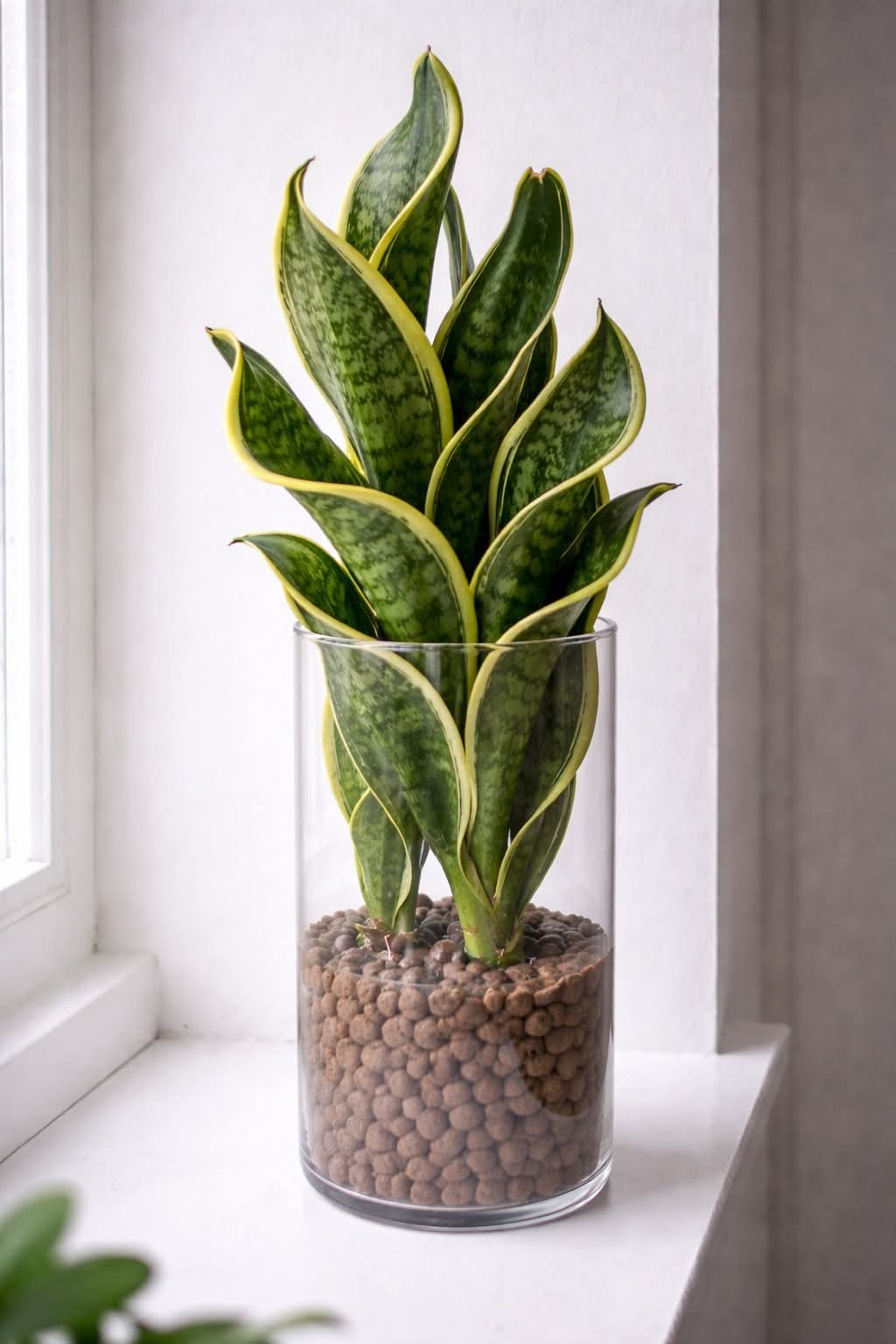
My Hydroponic Snake Plant Setup: A Simple Soil-Free Method That Actually Works
Growing a snake plant hydroponically in LECA clay pebbles and water is easier than you think. Learn how to transition your plant from soil to a clean, low‑maintenance hydroponic setup that promotes healthy roots and modern style. Let’s be honest: snake plants are beloved for their tough, forgiving nature. But even the easiest houseplant can…
-
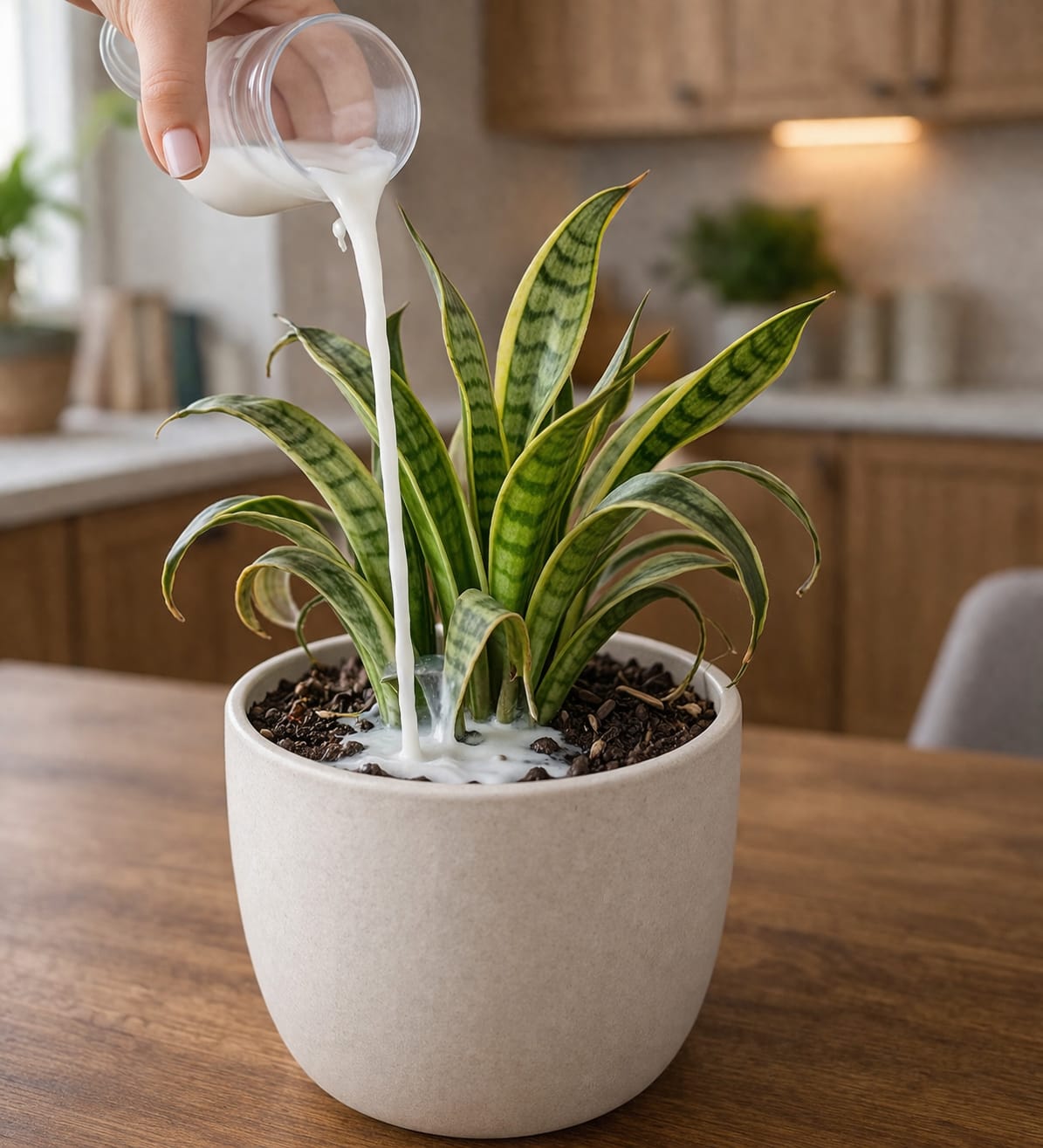
My Snake Plant Started Growing Better After This Simple Indoor Trick – And It’s Not What You Think
Is your snake plant just surviving, not thriving? The secret isn’t milk or magic potions – it’s fixing the basics. Learn the simple indoor adjustment that finally made my snake plant grow faster and healthier. Let’s be honest: for the longest time, my snake plant just… existed. It wasn’t dying – the leaves were green,…
-
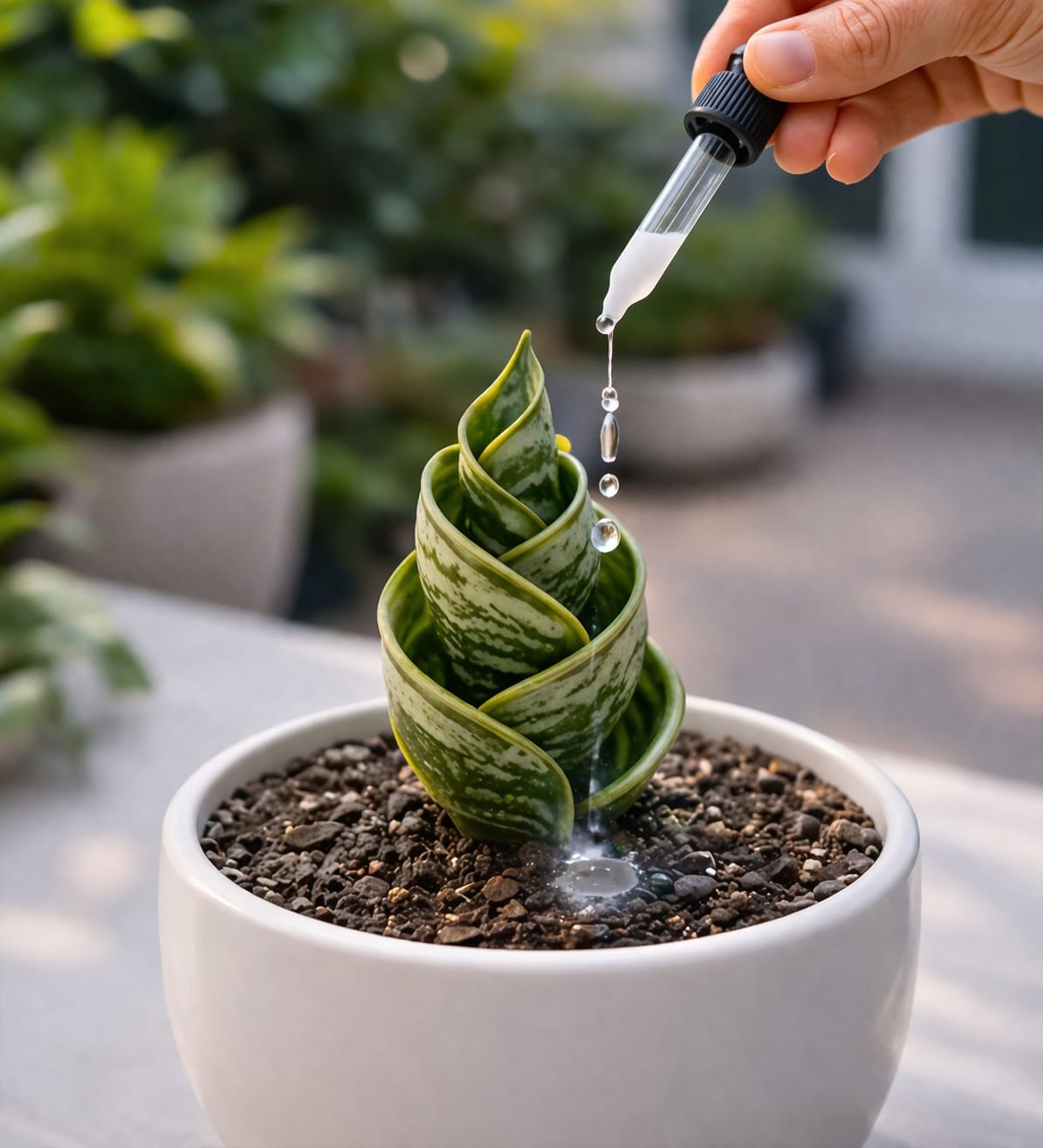
The Snake Plant Growth Trick Smart Homeowners Are Using Indoors — And the Difference Shows Faster Than You’d Think
Want your snake plant to grow faster and look healthier? The real trick isn’t a secret potion – it’s consistent care. Learn the simple indoor adjustments that produce visible results in weeks. Let’s be honest: snake plants (Sansevieria, now Dracaena) have a reputation for being nearly indestructible. They survive low light, infrequent watering, and general…