
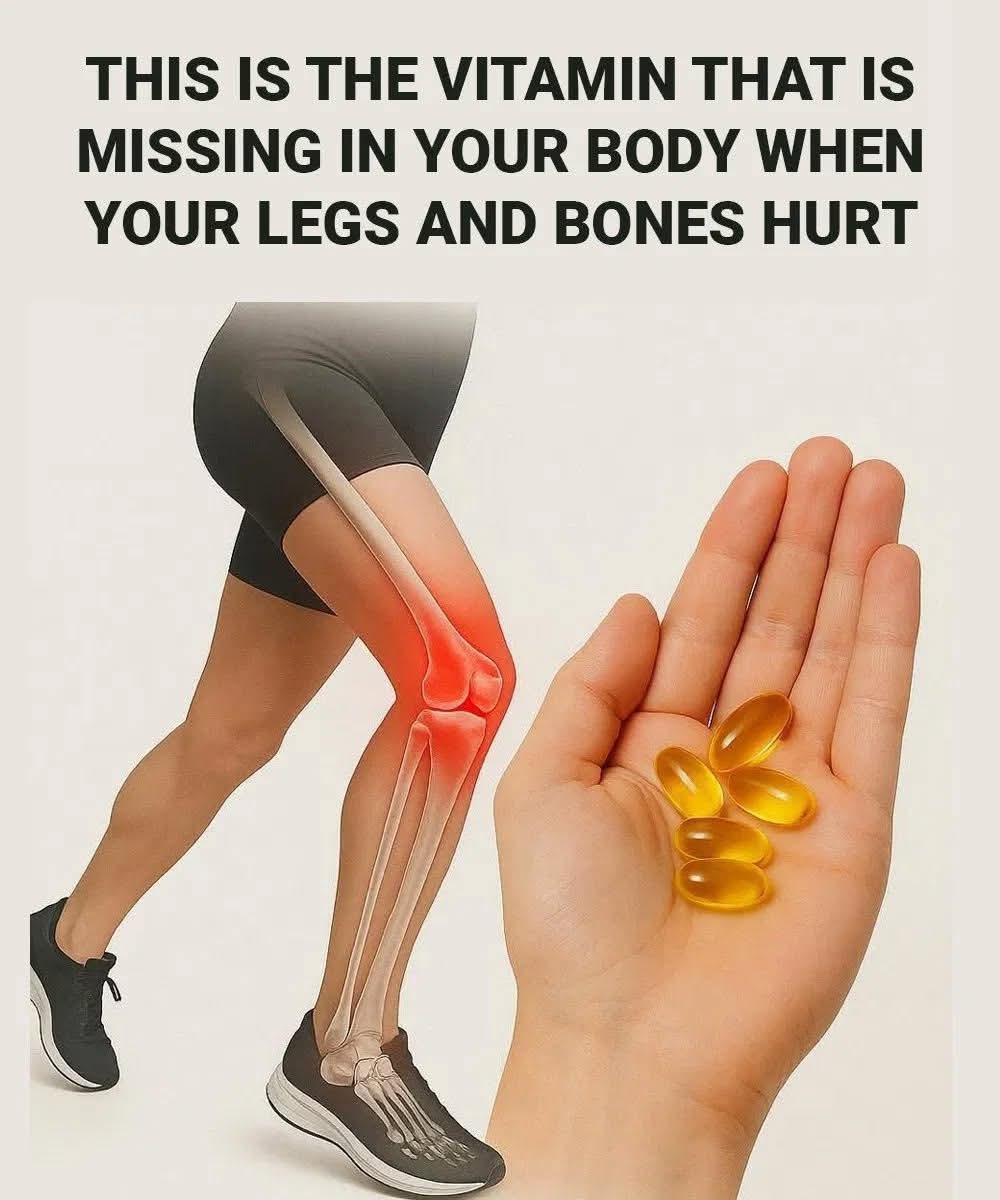
Vitamin D is an essential nutrient that plays a pivotal role in maintaining bone health and overall well-being. While it is primarily known for its role in helping the body absorb calcium and phosphorus, which are vital for strong bones and teeth, its benefits extend beyond bone health. Vitamin D is also crucial for immune system support, muscle function, and reducing inflammation, making it an incredibly important nutrient for those suffering from joint pain, muscle weakness, and other bone-related issues.
In this article, we will explore the critical role of Vitamin D in the body, how its deficiency can lead to bone pain, nerve problems, and joint issues, and how to ensure that you’re getting the right amount of this vital nutrient.
1. What is Vitamin D?
Vitamin D is a fat-soluble vitamin that is essential for maintaining the body’s calcium balance and bone health. It is unique because the body can produce it when exposed to sunlight. However, it is also found in certain foods and available in supplement form.
There are two primary forms of Vitamin D:
1.1 Vitamin D2 (Ergocalciferol)
Vitamin D2 is the form of Vitamin D that is found in some plant-based foods, including mushrooms. It is also commonly included in fortified foods and some supplements.
1.2 Vitamin D3 (Cholecalciferol)
Vitamin D3 is the form of Vitamin D that is most efficiently absorbed by the body and is produced when the skin is exposed to sunlight. It is also found in animal-based foods like fatty fish, egg yolks, and liver. Vitamin D3 is often recommended for supplementation, as it is more potent than D2.
2. The Role of Vitamin D in Bone Health
One of the most well-known functions of Vitamin D is its ability to regulate calcium and phosphorus levels in the body. These two minerals are essential for strong bones and teeth. Without sufficient Vitamin D, the body cannot properly absorb calcium, leading to weakened bones and increased risk of fractures.
2.1 Calcium Absorption
Vitamin D increases the absorption of calcium in the intestines. Without enough Vitamin D, the body can only absorb about 10-15% of dietary calcium. With sufficient Vitamin D, this number increases to 30-40%, ensuring the body gets enough calcium to support bone health.
2.2 Bone Density and Strength
Vitamin D helps in the regulation of bone turnover—the process by which bone tissue is renewed. It promotes bone mineralization, which is the process that makes bones strong and dense. When you’re lacking in Vitamin D, bone mineralization slows down, leading to osteoporosis, rickets, or osteomalacia (softening of the bones), all of which make bones more susceptible to fractures and pain.
3. How Vitamin D Deficiency Affects the Body
A Vitamin D deficiency can lead to a variety of health problems, particularly related to bone health, nerve function, and muscle strength. Since Vitamin D plays such a crucial role in the absorption of calcium and the maintenance of bone density, a deficiency in this vitamin can cause a wide range of issues.
3.1 Bone Pain and Weakness
When the body lacks enough Vitamin D, it cannot absorb calcium properly, leading to weakened bones. This results in bone pain and muscle weakness. In severe cases, the bones can become brittle, increasing the risk of fractures, even from minor falls or injuries. Osteoporosis is a common condition associated with Vitamin D deficiency, particularly in older adults.
3.2 Cartilage Wear and Joint Pain
Cartilage is the connective tissue that cushions the joints. Over time, wear and tear on cartilage can cause painful joints, especially in the knees, hips, and back. Vitamin D is essential in maintaining joint health by reducing inflammation and supporting the production of collagen, which is necessary for cartilage repair and regeneration. A lack of Vitamin D can lead to increased joint pain and cartilage degradation.
3.3 Nerve Problems
Vitamin D deficiency can also affect the nervous system. Low levels of Vitamin D are associated with nerve pain, muscle cramps, and neuropathy (nerve damage). Since Vitamin D helps regulate the calcium levels in nerve cells, a deficiency can cause numbness, tingling, and even weakness in the limbs.
3.4 Anxiety and Depression
Studies have shown that low Vitamin D levels are associated with an increased risk of anxiety, depression, and other mood disorders. Vitamin D influences the production of serotonin, a neurotransmitter responsible for regulating mood, and dopamine, which is involved in emotional regulation. Without adequate Vitamin D, the body may struggle to produce enough of these “feel-good” chemicals, leading to feelings of sadness or anxiety.
3.5 Insomnia and Sleep Disturbances
Vitamin D is also believed to play a role in regulating the body’s sleep-wake cycle. Low Vitamin D levels have been linked to sleep disturbances and insomnia. This is due to Vitamin D’s involvement in the production of melatonin, the hormone that helps regulate sleep.
4. How to Know if You Have a Vitamin D Deficiency
If you experience persistent bone pain, muscle weakness, joint discomfort, or numbness, you may be suffering from a Vitamin D deficiency. Other signs of deficiency include:
Fatigue
Frequent infections
Hair loss
Depression or mood swings
Back pain
Delayed wound healing
If you suspect a deficiency, it’s important to consult with a healthcare provider. A simple blood test can determine your Vitamin D levels and whether supplementation is necessary.
5. The Best Ways to Get Vitamin D
5.1 Sunlight Exposure
One of the best and most natural ways to get Vitamin D is through sunlight exposure. When your skin is exposed to the sun, it produces Vitamin D naturally. Just 15-20 minutes of sun exposure on your arms and legs a few times a week can provide enough Vitamin D for most people. However, the amount of sunlight exposure needed can vary depending on skin type, location, and the season.
5.2 Food Sources of Vitamin D
There are a few foods that contain Vitamin D, including:
Fatty fish like salmon, mackerel, and sardines
Egg yolks
Fortified dairy products (milk, yogurt, cheese)
Fortified cereals
Beef liver
Mushrooms (when exposed to sunlight)
Including these foods in your diet can help maintain healthy Vitamin D levels, especially in the winter months when sunlight exposure is limited.
5.3 Vitamin D Supplements
If you’re unable to get enough Vitamin D through sunlight or food, you may need to take a Vitamin D supplement. Vitamin D3 (cholecalciferol) is the most effective form of Vitamin D supplement. It’s widely available in both tablet and liquid forms.
The recommended daily intake of Vitamin D varies depending on age, gender, and specific health conditions. For adults, it’s generally recommended to get around 600-800 IU (International Units) per day, but higher doses may be necessary for individuals with a deficiency.
6. How to Safely Use Vitamin D
While Vitamin D is essential for health, it’s also important not to overdo it. Excessive intake of Vitamin D can lead to toxicity, causing nausea, vomiting, muscle weakness, and kidney problems. Always consult with a healthcare provider before taking high-dose Vitamin D supplements, especially if you have underlying health conditions.
7. Conclusion: The Importance of Vitamin D for Bone and Joint Health
Vitamin D plays an irreplaceable role in the body, particularly in supporting bone health, joint function, and muscle strength. A deficiency in this essential vitamin can lead to serious health issues like bone pain, joint discomfort, nerve problems, anxiety, and insomnia. Fortunately, ensuring you get enough Vitamin D—whether through sunlight, food, or supplements—can make a significant difference in your overall health.
If you’re experiencing symptoms like bone pain or fatigue, it may be worth checking your Vitamin D levels. By maintaining proper Vitamin D levels, you can reduce pain, improve mood, and support your bones and joints, keeping you active and healthy for years to come.
More Recipes You Might Like
-

Strawberry Cream Cheese Icebox Cake: The No-Bake Dessert That Steals the Show
Discover the easiest, most elegant strawberry cream cheese icebox cake! Layers of graham crackers, creamy cheesecake filling, and fresh strawberries come together in this no-bake masterpiece. Perfect for summer entertaining. Let me tell you about the dessert that looks like you spent hours in the kitchen but actually takes about 15 minutes to assemble. I…
-

3 Ingredient Pineapple Ice Cream (5 Minutes)
Discover the easiest, healthiest ice cream you’ll ever make! Just 3 ingredients—frozen pineapple, almond milk, and Greek yogurt—create a creamy, tropical treat in 5 minutes. No machine, no sugar added! Let me tell you about the ice cream that made me a convert—no churning, no heavy cream, no sugar, and done in five minutes. I…
-

BBQ Cauliflower Bites: Crispy, Sticky, and Irresistible
Discover the best BBQ cauliflower bites—crispy baked cauliflower coated in sticky, sweet, smoky BBQ sauce. A vegan, gluten‑free appetizer that rivals chicken wings. Easy oven or air fryer recipe! Let me tell you about the appetizer that converted my meat‑loving friends into cauliflower believers. I first made BBQ cauliflower bites for a game day party,…