
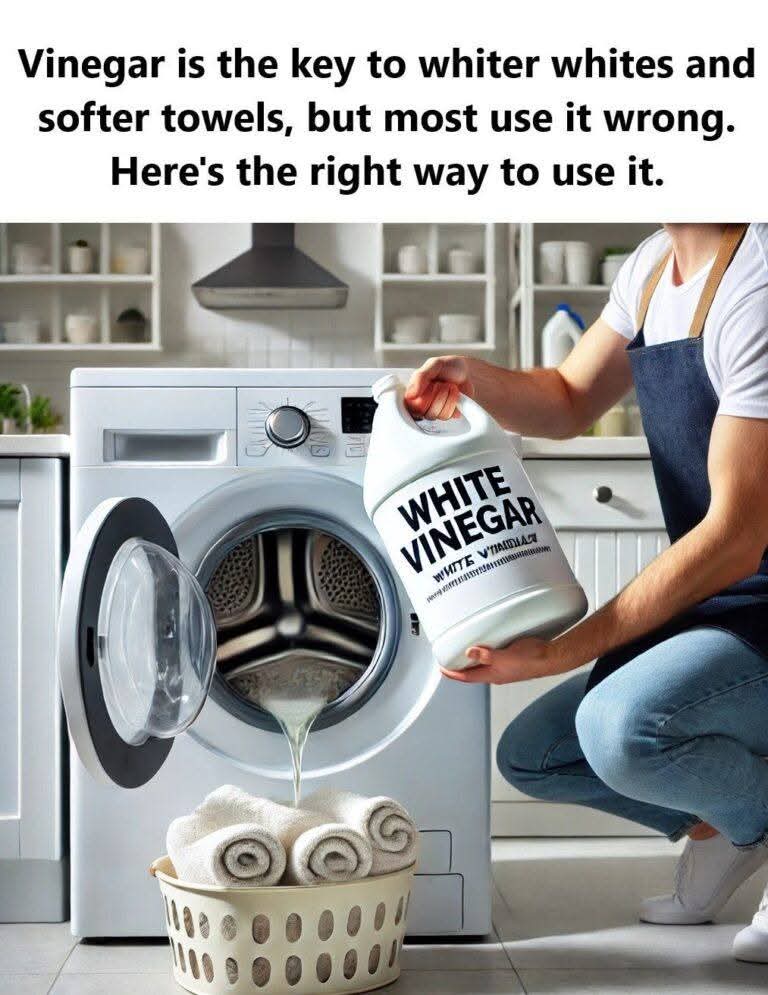
Vinegar is a common household ingredient that goes beyond cooking. It improves laundry results without chemicals. Whites look brighter, towels feel softer, and machines stay cleaner. Most people use bleach or fabric softeners, which wear fabrics over time. Vinegar achieves better results naturally. It is cheap, safe, and effective. Bigzazoo tested simple methods that deliver noticeable results in a short time.
Why This Works
Breaks down residue. Laundry detergents leave soap or mineral deposits on clothes. Vinegar dissolves this buildup.
Balances pH. Vinegar acidifies water slightly. This helps prevent dulling in whites and keeps towels fluffy.
Softens fibers. Vinegar relaxes fibers without leaving chemicals behind, unlike fabric softeners.
Deodorizes. Vinegar neutralizes odors from sweat or mildew.
Machine cleaner. Adding vinegar to cycles removes detergent and mineral buildup inside washing machines.
What You’ll Need For This Method
Ingredients
1 cup white distilled vinegar
Laundry detergent (your regular brand)
Optional: 10 drops essential oil (lavender or lemon)
Equipment
Washing machine (top-load or front-load)
Measuring cup
Funnel (optional for easy pouring)
Dryer or clothesline
How To Use Vinegar For Whiter Whites
Separate laundry. Whites in one load, colored fabrics in another.
Measure detergent. Use your regular amount.
Add vinegar to rinse. Pour 1 cup vinegar into fabric softener compartment or add during rinse cycle.
Run normal cycle. Use warm water for cottons, cold for synthetics.
Dry properly. Towels and cottons dry better in air or low-heat dryer.
How To Use Vinegar For Softer Towels
Wash towels with your detergent.
Add 1 cup vinegar to rinse cycle instead of fabric softener.
Do not combine vinegar and bleach in the same load.
Shake towels before drying to maintain fluffiness.
Vinegar keeps towels absorbent instead of coating fibers with softener residue.
Common Mistakes People Make
Overusing vinegar. More than 1 cup per load is unnecessary. It does not improve results and can create a vinegar smell.
Mixing with bleach. Vinegar and bleach produce toxic chlorine gas. Always use separately.
Skipping detergent. Vinegar does not replace cleaning. It improves results after detergent removes dirt.
Ignoring machine buildup. Regular vinegar cycles keep machines clean, but old deposits may require extra treatment.
Tips + Tricks & More For Laundry Success
Boost dull whites. Pre-soak heavily soiled whites in 1 cup vinegar and warm water for 30 minutes before washing.
Enhance softening. Add 10 drops essential oil to vinegar before rinse for a fresh scent.
Deep clean towels. Once a month, wash towels with hot water and 1 cup vinegar without detergent.
Prevent static. Vinegar reduces static in synthetic fabrics naturally.
Protect machines. Run an empty cycle with 2 cups vinegar monthly to remove limescale.
Avoid strong odors. Ensure complete rinse and use low-heat dryer to eliminate vinegar smell.
How to Serve (Laundry Context)
Serve bright, soft laundry to family or guests.
Fold towels immediately to prevent wrinkles.
Stack whites neatly for a visually clean closet.
Keep towels accessible for bathrooms to maintain routine freshness.
Serving Suggestions
Pair whites with natural laundry detergents for maximum brightness.
Use vinegar treatment on baby clothes for gentler fabric care.
Refresh bed linens by adding vinegar to the final rinse.
Combine vinegar rinse with a warm dryer cycle to maintain softness and absorbency.
Use with colored fabrics sparingly to preserve colors while softening fibers.
Time Breakdown
Pre-soak (optional): 30 minutes
Wash cycle: 30-50 minutes depending on machine
Rinse with vinegar: Included in cycle
Drying: 20-60 minutes depending on fabric and method
Total active work: 5-10 minutes
Total process: 50-120 minutes
Final Thoughts
Vinegar improves laundry results efficiently. Whites appear brighter, towels remain soft, and machines stay clean. Using vinegar correctly avoids chemical buildup and odors. Bigzazoo emphasizes simple, practical methods that fit busy routines. The key is moderation, separating fabrics, and using vinegar during the rinse cycle. Avoid bleach mixing, overuse, and skipping detergent.
This simple ingredient saves money, protects fabrics, and keeps laundry fresh. For anyone looking for a cleaner, softer, and brighter wardrobe, vinegar provides results that traditional softeners and brighteners cannot match.
Shared by bigzazoo.
More Recipes You Might Like
-
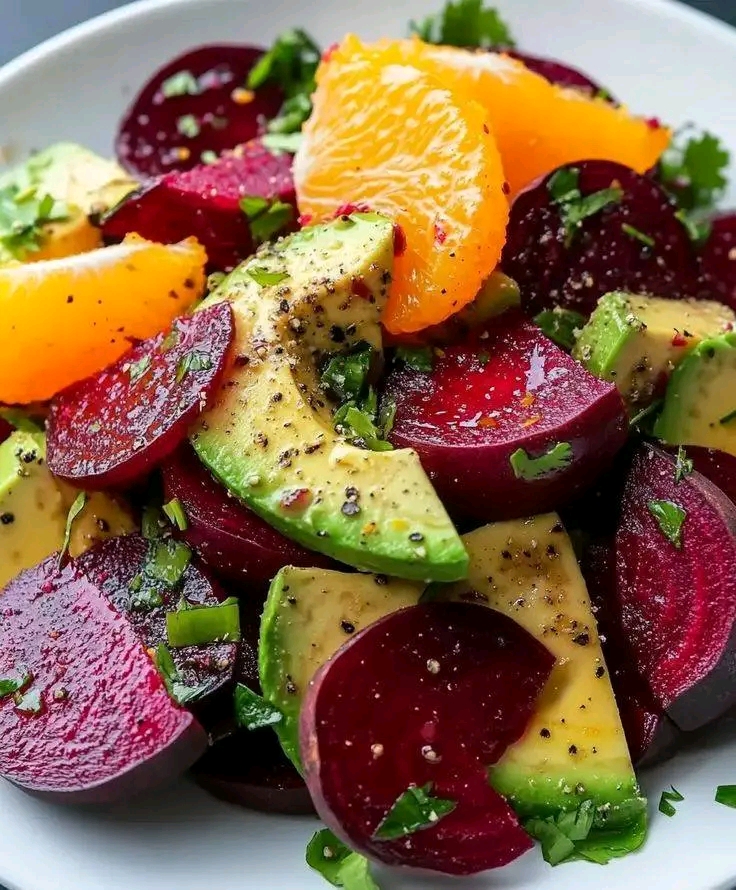
The Ultimate Detox Salad Beets Avocado And Citrus
Discover the ultimate detox salad with roasted beets, creamy avocado, and zesty citrus. Packed with antioxidants, fiber, and vibrant flavors, this refreshing salad supports your body’s natural cleansing process. Easy, healthy, and incredibly delicious. Let me tell you about the salad that made me actually look forward to eating healthy. For years, I associated “detox”…
-
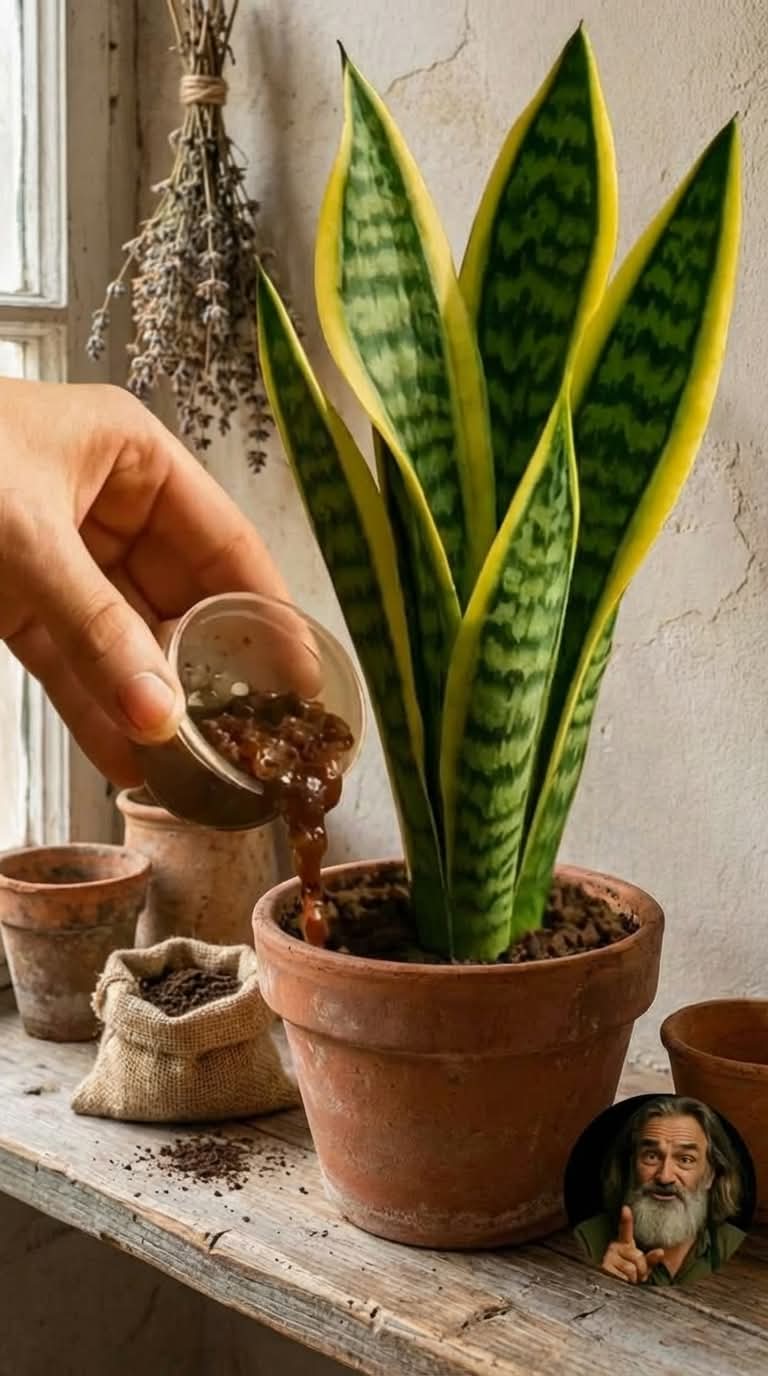
This Simple Trick Makes Your Snake Plant Grow Faster
Want your snake plant to grow faster? Discover the simple trick that combines bright light and natural feeding to boost growth dramatically. Proven tips for lush, thriving Sansevieria. Let me tell you about the snake plant that finally decided to grow. I’d owned my Sansevieria for nearly two years. It was healthy—green, upright, unbothered by…
-
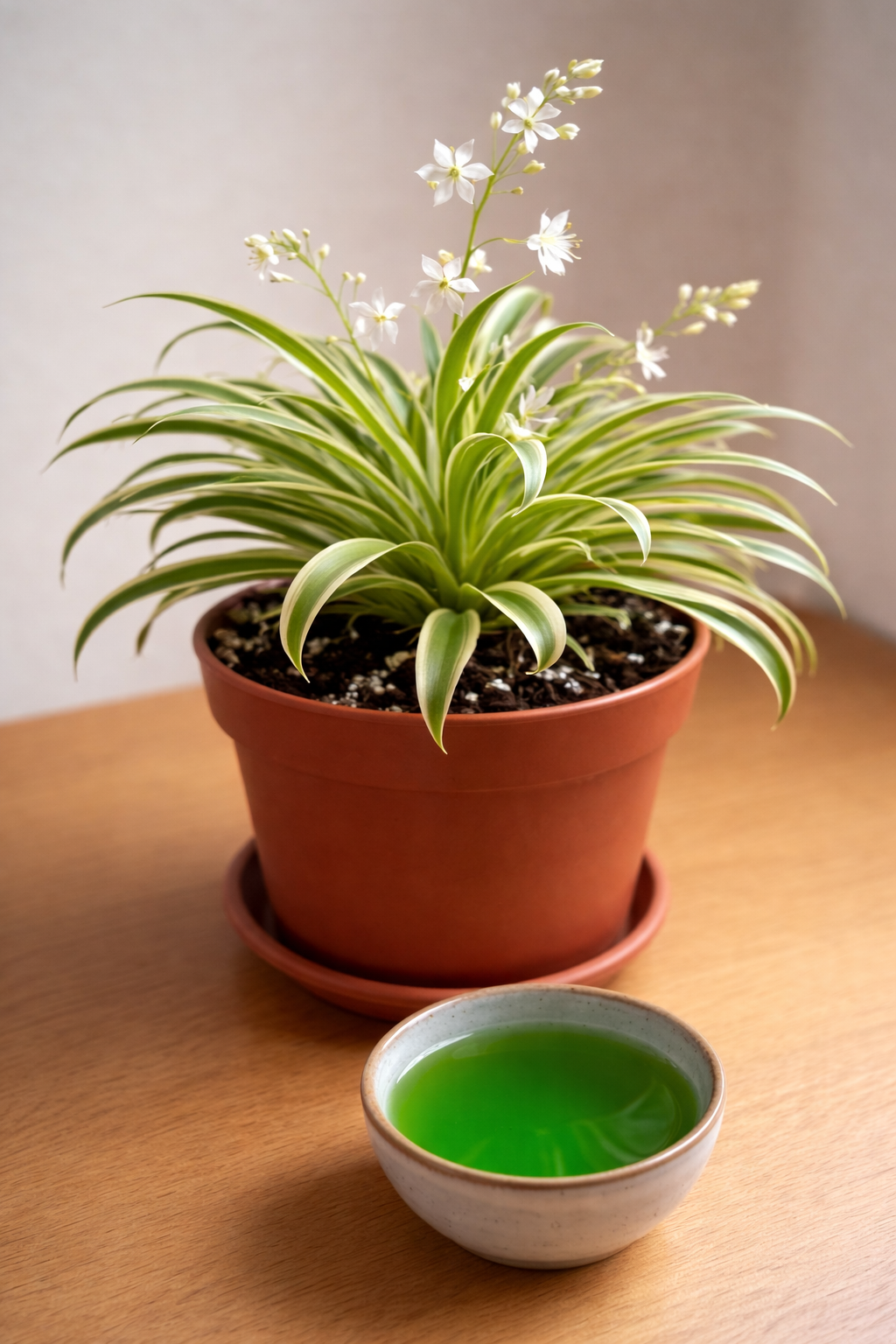
I Added This Simple Mix… Now My Plant Is Covered in Flowers
Discover the simple homemade mix that turned my struggling plant into a blooming machine! Natural ingredients like banana peels and Epsom salt create the ultimate flower booster. Easy, cheap, and incredibly effective. Let me show you the mix that finally made my peace lily burst into bloom—and turned my geraniums into a riot of color.…