
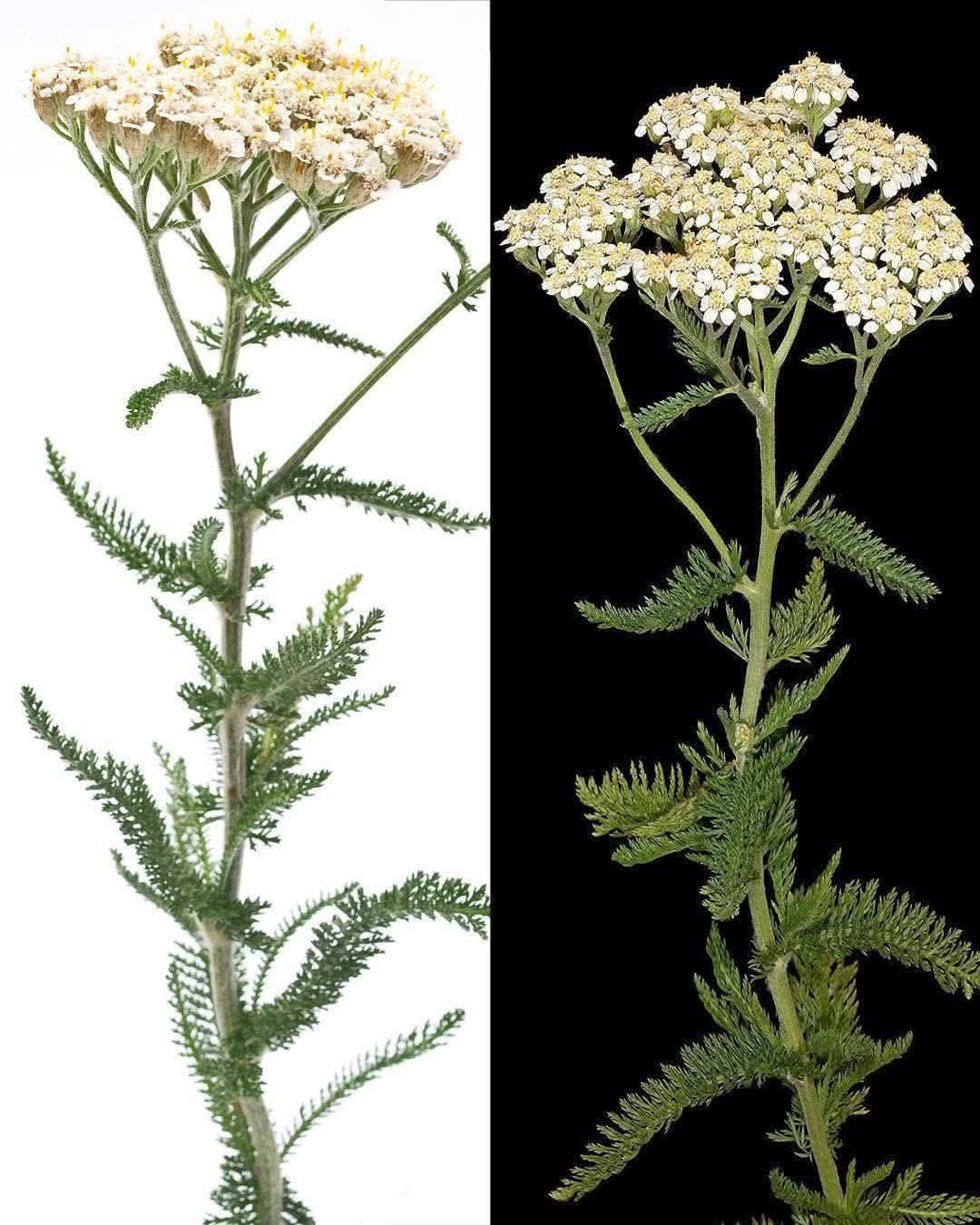
In the realm of medicinal plants and herbal remedies, few herbs carry the storied legacy and versatile power of Yarrow (Achillea millefolium). This unassuming perennial, with its feathery leaves and flat clusters of tiny white or pink flowers, has been a steadfast companion to humans for millennia. Revered by ancient warriors, cherished by herbalists across continents, and a cornerstone of natural first aid, yarrow is more than a common roadside weed—it’s a pharmacy in a plant.
This comprehensive guide delves into the fascinating world of yarrow, exploring its rich history and mythology, its broad spectrum of traditional and modern uses, and the science behind its purported health benefits. Whether you’re a seasoned herbal medicine enthusiast, a home gardener looking to cultivate beneficial plants, or simply curious about foraging wild edibles, understanding yarrow is a journey into the heart of plant-based healing.
Part 1: History & Mythology – The Herb of Achilles and the People’s Medicine
Yarrow’s botanical name, Achillea millefolium, pays direct homage to its legendary past. “Achillea” refers to the Greek hero Achilles, who, according to Homer’s Iliad, used yarrow to stanch the bleeding wounds of his soldiers during the Trojan War. “Millefolium” means “thousand-leaf,” a poetic nod to its finely dissected, feather-like leaves.
A Cross-Cultural Healer:
· Ancient Greece & Rome: Beyond Achilles, it was used for battle wounds and as a symbol of love and divination.
· Traditional Chinese Medicine (TCM): Known as shi, yarrow stalks are famously used in I Ching divination. Medicinally, it is used to invigorate the blood, dispel stagnation, and reduce swelling.
· European & Native American Traditions: For centuries, it was a go-to remedy for wounds, fevers, digestive issues, and as a “women’s herb” for regulating menstruation. Over 50 Native American tribes used yarrow for pain relief, colds, and as a poultice for sores.
· The Age of Doctrine of Signatures: Herbalists believed its feathery leaves resembled the body’s capillaries, signaling its use for blood-related ailments—a classic example of this ancient belief system.
This deep historical roots cement yarrow’s status as one of the world’s most important historical medicinal herbs.
Part 2: Identification & Cultivation – Know Your Plant
Before any use, correct identification is paramount. Always be 100% certain before foraging or using any wild plant.
Identification Key:
· Leaves: The most distinctive feature. Finely divided, feathery, fern-like, and arranged spirally on the stem. They are aromatic when crushed.
· Flowers: Bloom from late spring to fall. Small, composite flowers (5-6 mm across) clustered in dense, flat-topped arrays (corymbs). Colors range from white (most common) to pink, yellow, and red in cultivated varieties.
· Stem: Erect, grooved, and slightly hairy.
· Height: Typically 1-3 feet tall.
· Habitat: Thrives in full sun in disturbed soils, meadows, grasslands, and along roadsides. It is a hardy, drought-resistant perennial garden plant.
Caution: Yarrow can be confused with poisonous plants like Poison Hemlock (Conium maculatum) or Queen Anne’s Lace (Daucus carota). Study with a reliable field guide or expert.
Growing Your Own:
Yarrow is an excellent, low-maintenance addition to a pollinator-friendly garden or herb garden.
· Propagation: Easily grown from seed, division, or cuttings.
· Soil & Sun: Prefers well-drained soil and full sun. Tolerates poor, dry soils.
· Uses in Landscaping: Cultivated varieties are used in drought-tolerant xeriscaping and as long-lasting cut flowers.
Part 3: Traditional & Modern Uses of Yarrow
Yarrow’s utility spans from the practical to the medicinal.
Medicinal Uses (Herbal Preparations):
· Wound Healing & First Aid: Its most famous use. As a styptic herb, it helps stop bleeding. Fresh leaves can be crushed and applied as a poultice to minor cuts and scrapes. Also used for its antiseptic properties.
· Digestive Aid: A bitter tonic, yarrow tea is traditionally used to stimulate digestion, ease cramps, and relieve bloating.
· Fever & Cold Support: Considered a diaphoretic herb, it promotes sweating, helping to “break” a fever and support the body during colds and flu.
· Skin Care & Inflammation: Used in washes, compresses, or salves for eczema, rashes, and inflamed skin due to its astringent and anti-inflammatory properties.
· Women’s Health: Historically used as an emmenagogue to stimulate menstrual flow and ease associated cramps.
Practical & Other Uses:
· Companion Planting: In the garden, it’s said to enhance the health and essential oil production of nearby plants.
· Wildcrafting & Foraging: Young leaves can be used sparingly in salads.
· Cosmetic & Bath: Used in herbal steam facials and as a hair rinse for oily hair and scalp health.
Part 4: Examining the Benefits – What Does Science Say?
While traditional use is vast, modern science is exploring yarrow’s active compounds, which include flavonoids, alkaloids, sesquiterpene lactones, and volatile oils.
Potential Evidence-Based Benefits:
· Wound Healing: Studies confirm anti-inflammatory and antimicrobial activities that support its traditional use for skin healing.
· Digestive Support: Research indicates antispasmodic effects on smooth muscle, which could explain its use for gastrointestinal discomfort.
· Antioxidant & Anti-inflammatory: Rich in antioxidants, it may help combat oxidative stress, a root of chronic inflammation.
· Pain Relief: Some animal studies suggest analgesic (pain-relieving) effects, potentially validating its use for headaches and menstrual pain.
Important Note: Much of the evidence is preliminary, based on in-vitro or animal studies. More robust human clinical trials are needed. Yarrow is a powerful herb, not a casual supplement.
Part 5: How to Use Yarrow – Methods of Preparation
Always consult a qualified healthcare practitioner before beginning any new herbal regimen, especially if pregnant, nursing, on medication, or have a medical condition.
- Yarrow Tea (Infusion):
· For internal use (fever, digestion). Use 1-2 tsp dried aerial parts per cup of hot water. Steep 10-15 minutes. Bitter taste pairs well with mint.
- Yarrow Tincture:
· A concentrated alcohol extract. Used in small doses (as directed by an herbalist) for systemic effects.
- Poultice or Compress:
· For wounds or skin issues. Crush fresh leaves (or moisten dried) and apply directly to the skin, covering with a bandage.
- Yarrow Salve or Oil:
· An infused oil, often combined with beeswax, for topical application to bruises, rashes, or dry, irritated skin.
Part 6: Important Safety, Side Effects, and Contraindications
Safety First: This is crucial information.
· Allergies: Those allergic to plants in the Asteraceae family (ragweed, chrysanthemums) may react to yarrow.
· Pregnancy & Breastfeeding: Avoid medicinal use due to its potential effects on the menstrual cycle and uterus.
· Bleeding Disorders & Surgery: Due to its potential effects on blood clotting, avoid if you have a bleeding disorder or are scheduled for surgery.
· Medication Interactions: May interact with blood-thinners (anticoagulants), blood pressure medications, lithium, and sedatives.
· Long-Term Use: Not recommended for extended daily use without professional guidance. Can cause photosensitivity in some.
Disclaimer: This information is for educational purposes only and is not medical advice. Always consult with a licensed healthcare provider.
Conclusion: An Enduring Legacy of Healing
Yarrow stands as a profound bridge between our ancestral past and a thoughtful, evidence-informed approach to natural wellness. It reminds us that some of the most powerful remedies often grow quietly at our feet, waiting to be recognized. Its story—woven through myth, battlefield, cottage garden, and modern herbal clinic—is a testament to humanity’s enduring relationship with the healing plant world.
Whether you choose to cultivate its beauty, respectfully forage its blooms, or simply appreciate its history, yarrow invites a deeper connection to the power of medicinal plants. By understanding its uses, benefits, and crucially, its boundaries and risks, we honor this ancient herb and use its gifts wisely.
Have you ever used yarrow? Are you inspired to grow it or learn more about herbal medicine? Share your thoughts and experiences in the comments below!
More Recipes You Might Like
-
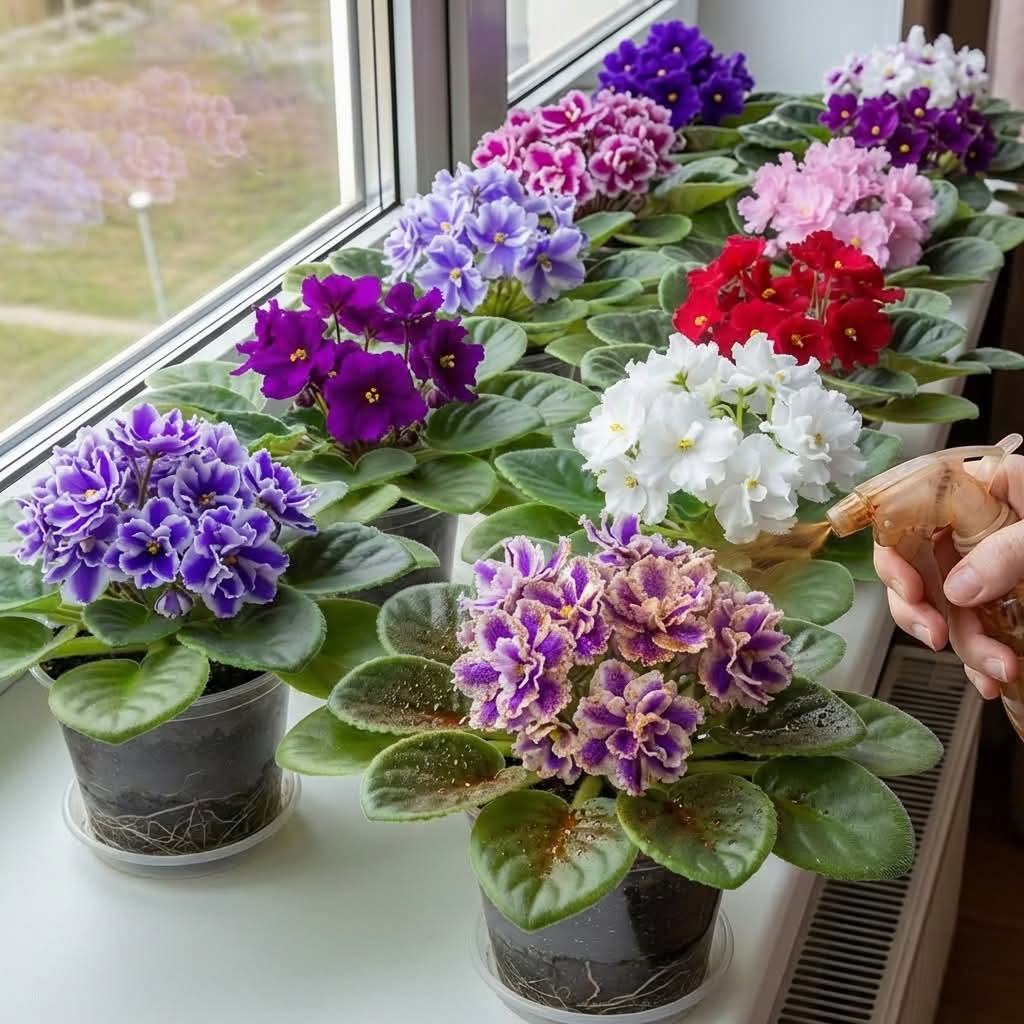
I Sprayed This on My Plants… Now They Bloom Nonstop Like Magic!
Discover the simple homemade spray that encourages nonstop blooms! Made with sugar, apple cider vinegar, and dish soap, this natural solution helps African violets and other flowering plants thrive. Easy, budget-friendly, and surprisingly effective. Let me introduce you to the spray that turned my shy African violets into blooming machines. I’ve always loved flowering houseplants,…
-
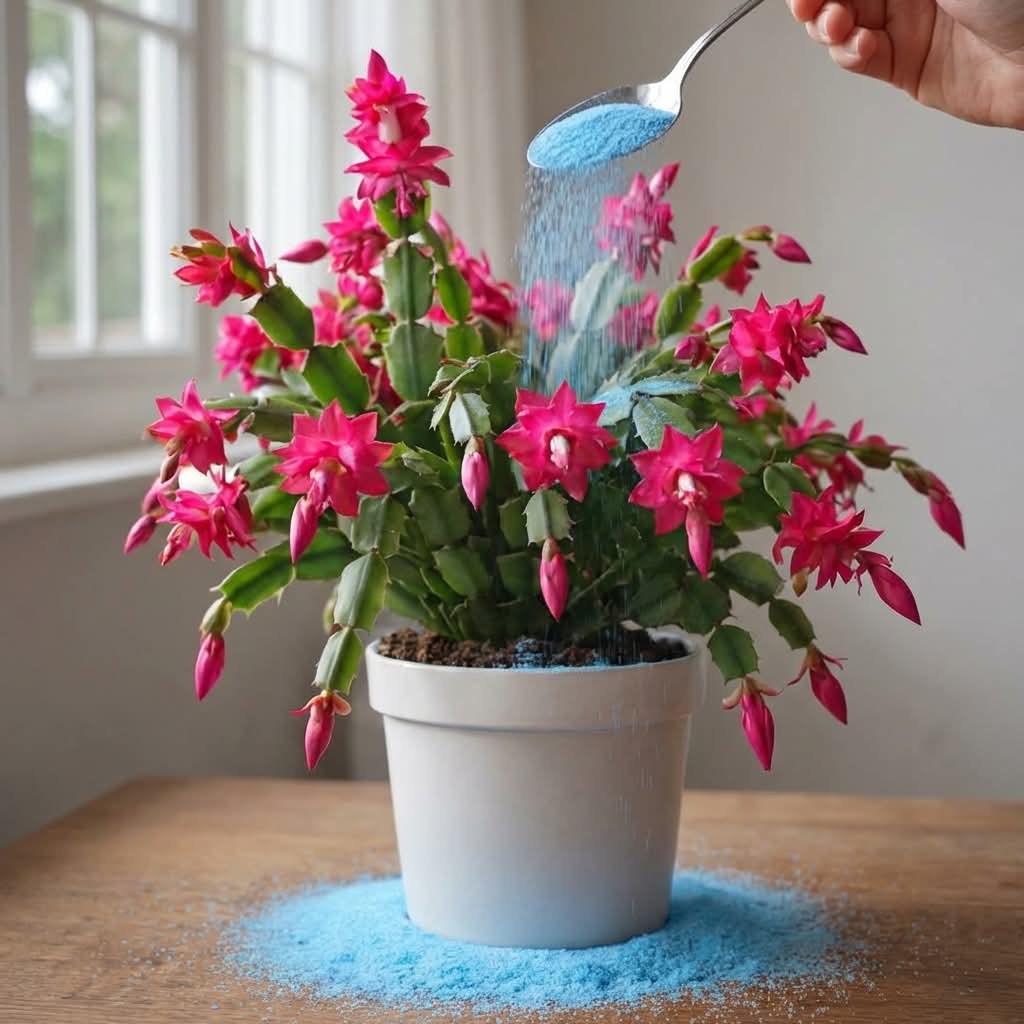
I Sprinkled This Powder… And My Plant Exploded With Blooms
Discover the homemade powder that made my flowers explode! A simple mix of natural ingredients – banana peel powder, eggshell powder, and Epsom salt – that encourages prolific blooming. Easy, cheap, and incredibly effective. Let me tell you about the moment my peace lily went from a leafy green wallflower to a blooming machine. I’d…
-
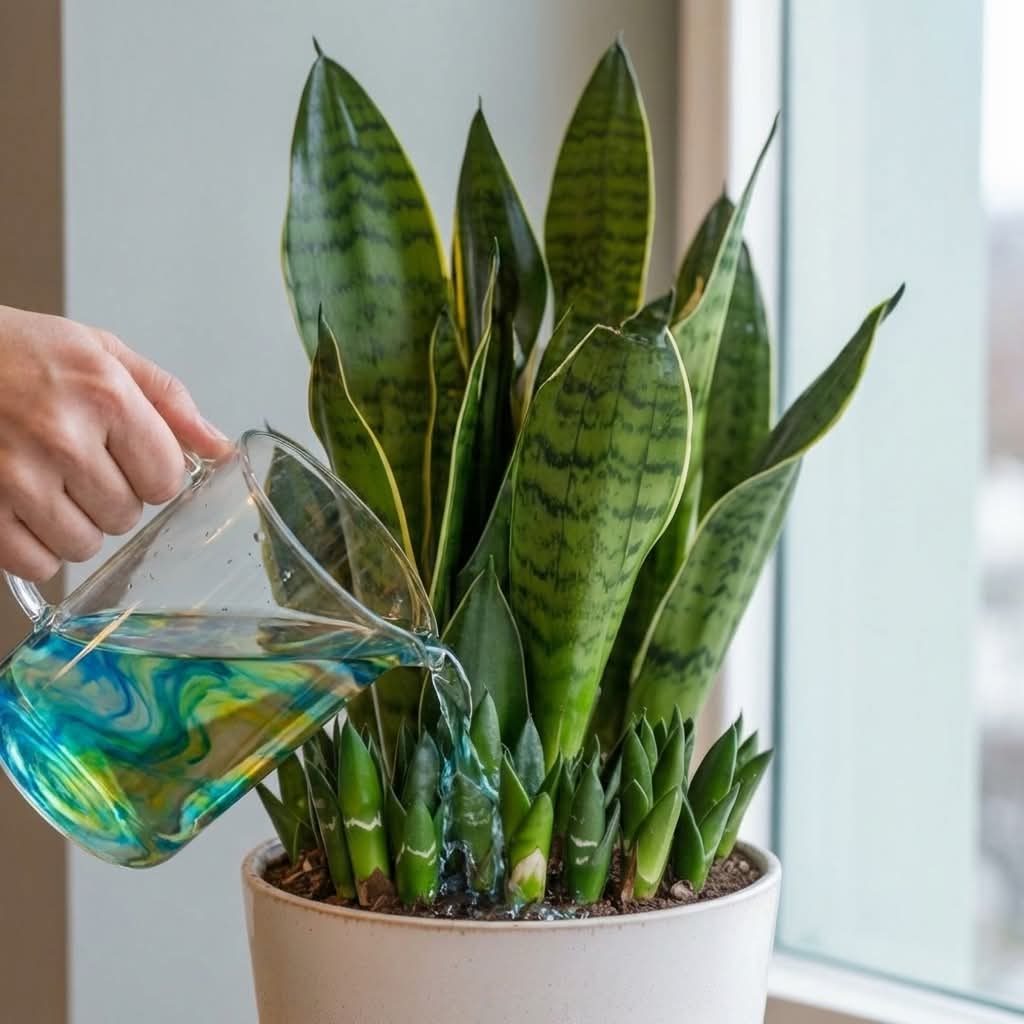
The Secret Trick to Get Endless Snake Plant Babies Fast
Want more snake plants without buying them? Discover the secret trick to encourage your Sansevieria to produce endless pups quickly. Simple propagation methods, natural rooting boosters, and expert tips. Let me tell you about the snake plant that taught me the secret to multiplying them like crazy. I’ve always loved snake plants (Sansevieria, now Dracaena…