
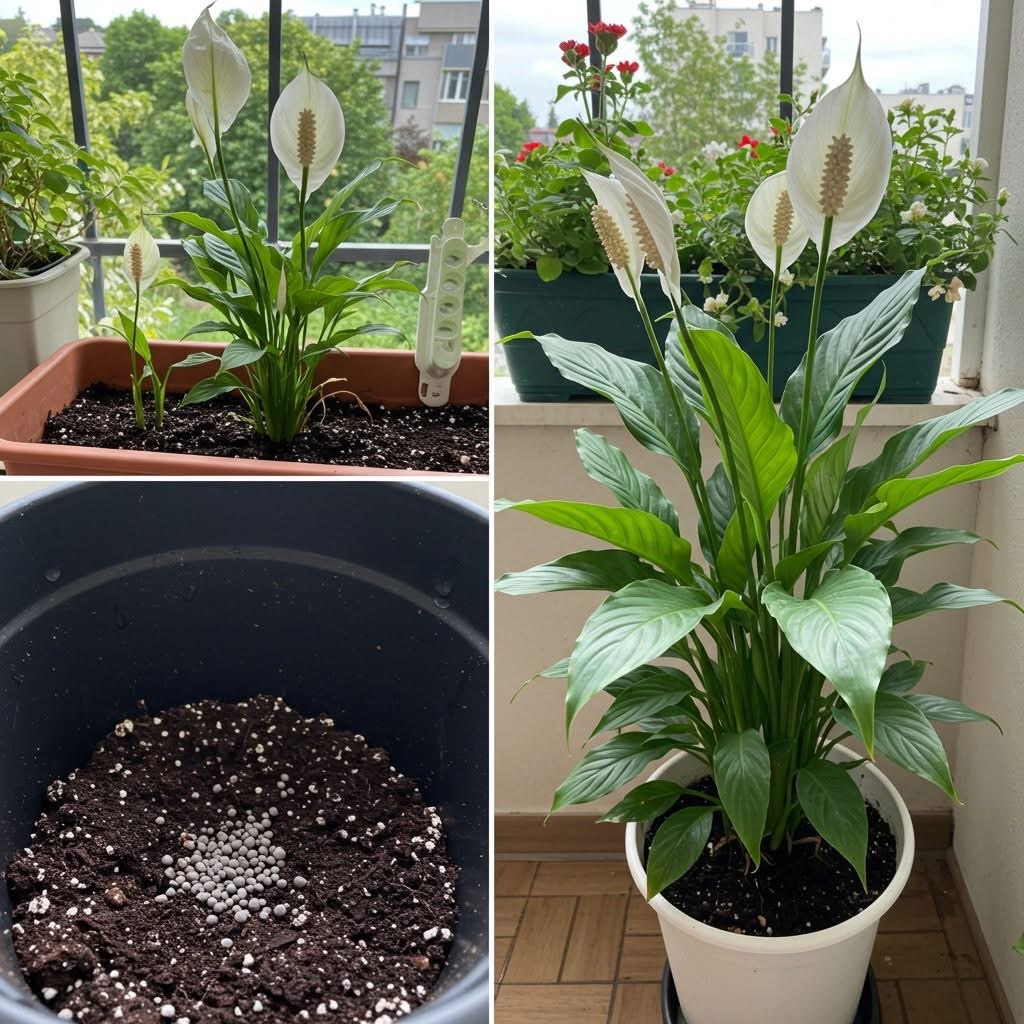
🌿 A Simple Method That Makes Peace Lilies Grow Bigger and Bloom Continuously
If your Peace Lily looks healthy but refuses to bloom… or the leaves stay small and slow-growing, you’re not alone.
The plant we all know as the Peace Lily (scientific name: Spathiphyllum) is one of the most popular indoor plants in the world — but most people care for it the wrong way.
The good news?
You don’t need expensive fertilizer. You don’t need chemicals.
You just need the right combination of light, watering rhythm, and one natural nutrient boost.
Let’s break it down step by step.
🌞 Step 1: Fix the Light (This Changes Everything)
Most people think Peace Lilies are “low-light plants.”
They tolerate low light.
But they bloom in bright, indirect light.
✅ Best placement:
Near a window with filtered sunlight
Behind a sheer curtain
Bright room, but no direct harsh sun
If your plant has:
Dark green leaves but no flowers → not enough light
Pale or yellow leaves → too much sun
Light is the number one trigger for continuous blooming.
💧 Step 2: Water the Smart Way (Not Too Much!)
Peace Lilies love moisture — but they hate soggy soil.
The simple rule:
Water only when the top 2–3 cm of soil feels dry.
If leaves droop?
That’s actually their way of telling you they’re thirsty.
But don’t panic-water every day. Overwatering causes:
Root rot
Yellow leaves
No blooms
Consistency = bigger growth.
🥛 Step 3: The Simple Kitchen Boost (Diluted Milk Method)
Here’s the gentle trick many indoor gardeners use.
Why milk?
Milk contains:
Calcium
Small amounts of nitrogen
Beneficial proteins
These nutrients support:
Stronger roots
Bigger leaves
More frequent blooms
How to use it safely:
1 tablespoon milk
- 1 cup water
Mix well.
Water the plant with this mixture once every 4–6 weeks only.
⚠️ Important:
Do NOT pour pure milk.
Do NOT use weekly.
Avoid letting milk sit on leaves.
This is a mild nutrient supplement — not a replacement for proper care.
🌱 Step 4: Encourage Bigger Leaves
If you want large, lush foliage:
Wipe leaves with a damp cloth (removes dust → better photosynthesis)
Rotate the plant every 2 weeks
Repot when roots fill the pot (usually every 1–2 years)
Peace Lilies bloom better when slightly root-bound — but not overcrowded.
🌸 Step 5: Trigger Continuous Blooming
Here’s the blooming formula:
Bright indirect light
- Consistent watering
- Mild monthly feeding
- Stable room temperature (18–26°C)
When these are balanced, Peace Lilies can bloom multiple times per year.
After flowers fade:
- Cut the flower stem at the base
- This helps redirect energy into new blooms
🚫 Common Mistakes That Stop Blooms
- Keeping it in a dark corner
- Overwatering
- Heavy chemical fertilizer
- Cold drafts
- Never cleaning leaves
Small corrections → huge results.
💚 Final Thoughts
Peace Lilies are not difficult.
They’re just misunderstood.
With proper light and a gentle nutrient boost, your plant can:
Grow bigger leaves
Produce stronger stems
Bloom more often
Stay healthy year-round
Sometimes the simplest method works best.
If you’d like, I can also create:
A 2000-word SEO blog article (high RPM keywords)
A Facebook viral caption version
A Pinterest-optimized version
Or a step-by-step printable care guide 🌿
-
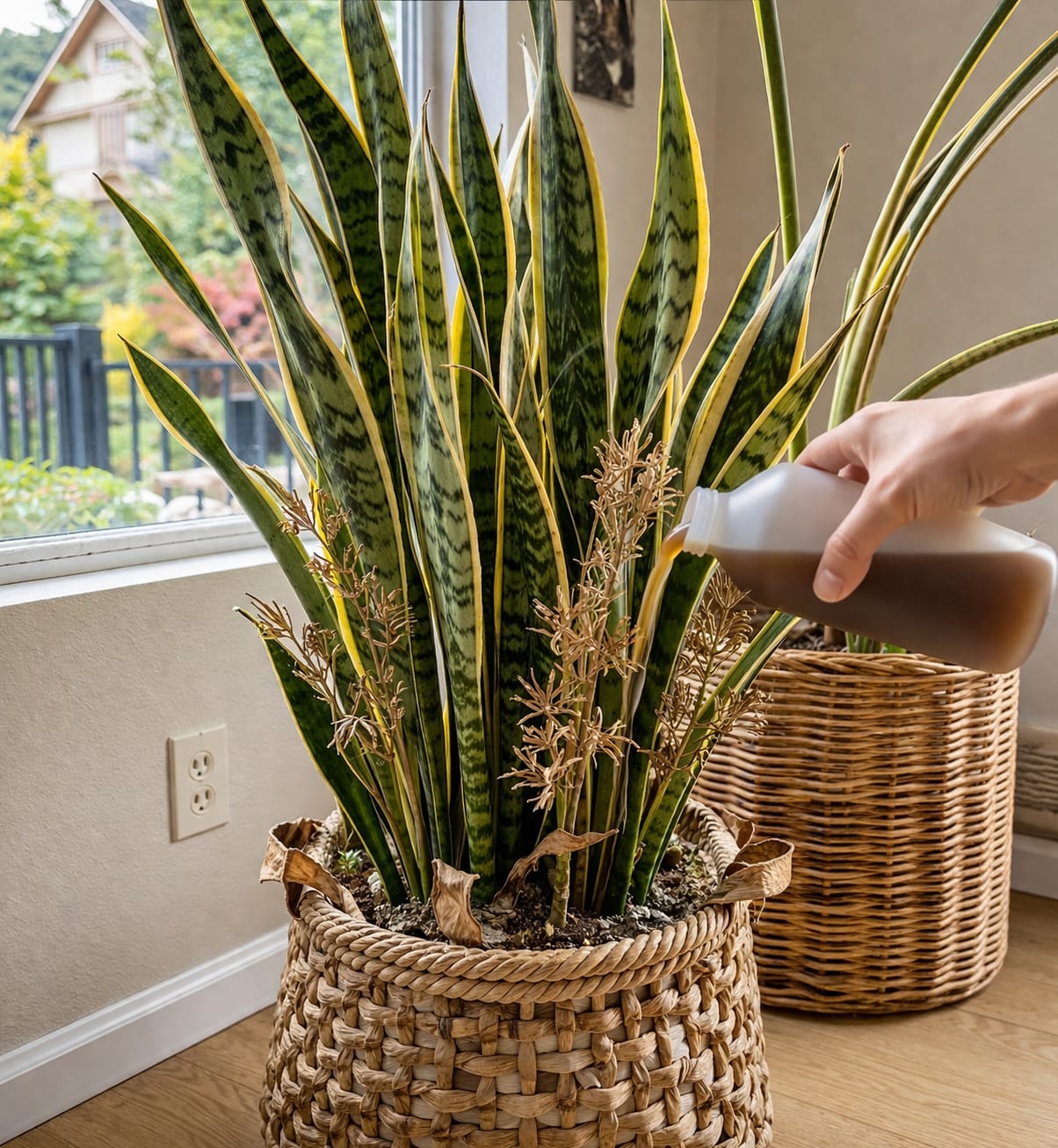
The Simple Ingredient That Can Encourage Snake Plants to Bloom Indoors – And the Real Secrets Behind Rare Flowers
Snake plants can bloom indoors – but it’s rare. Learn how a simple organic fertilizer, combined with proper light, watering, and root‑bound stress, can encourage those fragrant, creamy white flowers. Let’s be honest: snake plants (Sansevieria, now reclassified as Dracaena) are famous for being nearly indestructible. They survive low light, infrequent watering, and general neglect.…
-
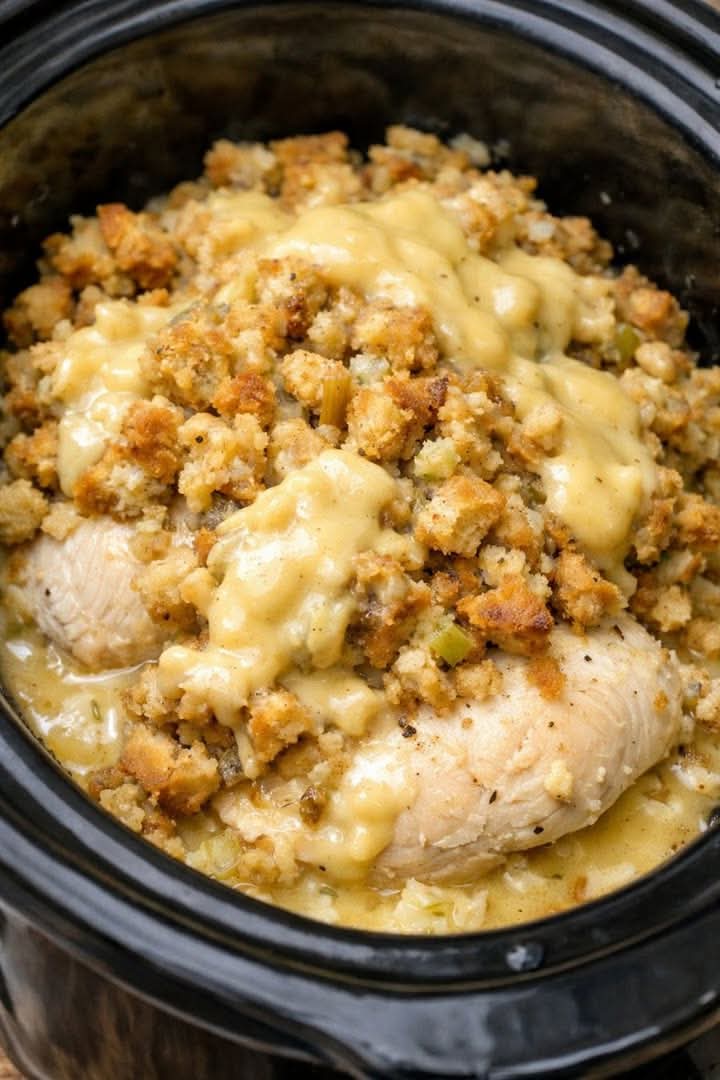
The Ultimate Cozy 4 Ingredient Casserole Everyone Loves – Creamy Chicken & Stuffing Bake
This 4‑ingredient chicken and stuffing casserole is creamy, comforting, and impossibly easy. Tender chicken, rich cream sauce, and golden stuffing topping – perfect for weeknights or Sunday dinner. Let’s be honest: there’s something special about a dish that shows up at every family gathering… and disappears just as quickly. You know the one – it’s…
-
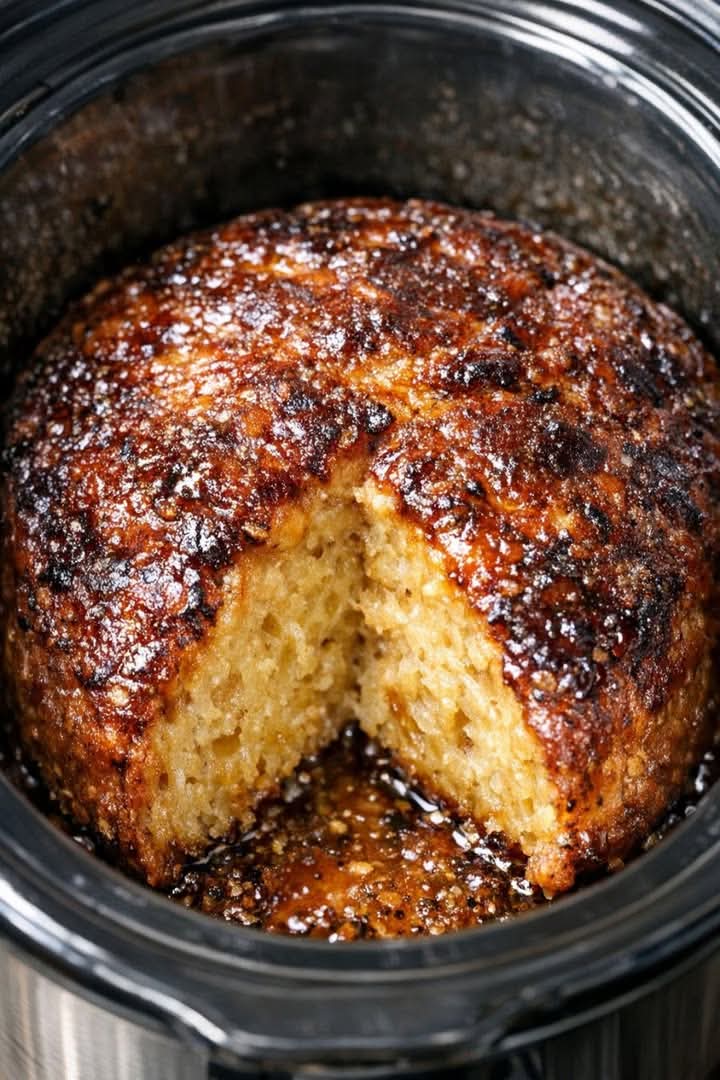
4 Ingredient Slow Cooker Snickerdoodle Bars – April Comfort That Bakes While You Prep Sunday Dinner
These 4‑ingredient slow cooker snickerdoodle bars are soft, buttery, and coated in cinnamon sugar. Let your crockpot do the baking while you prep Sunday dinner. No oven needed! Let’s be honest: Sunday dinner is already a production. The roast is in the oven, the vegetables are being prepped, and the clock is ticking. The last…