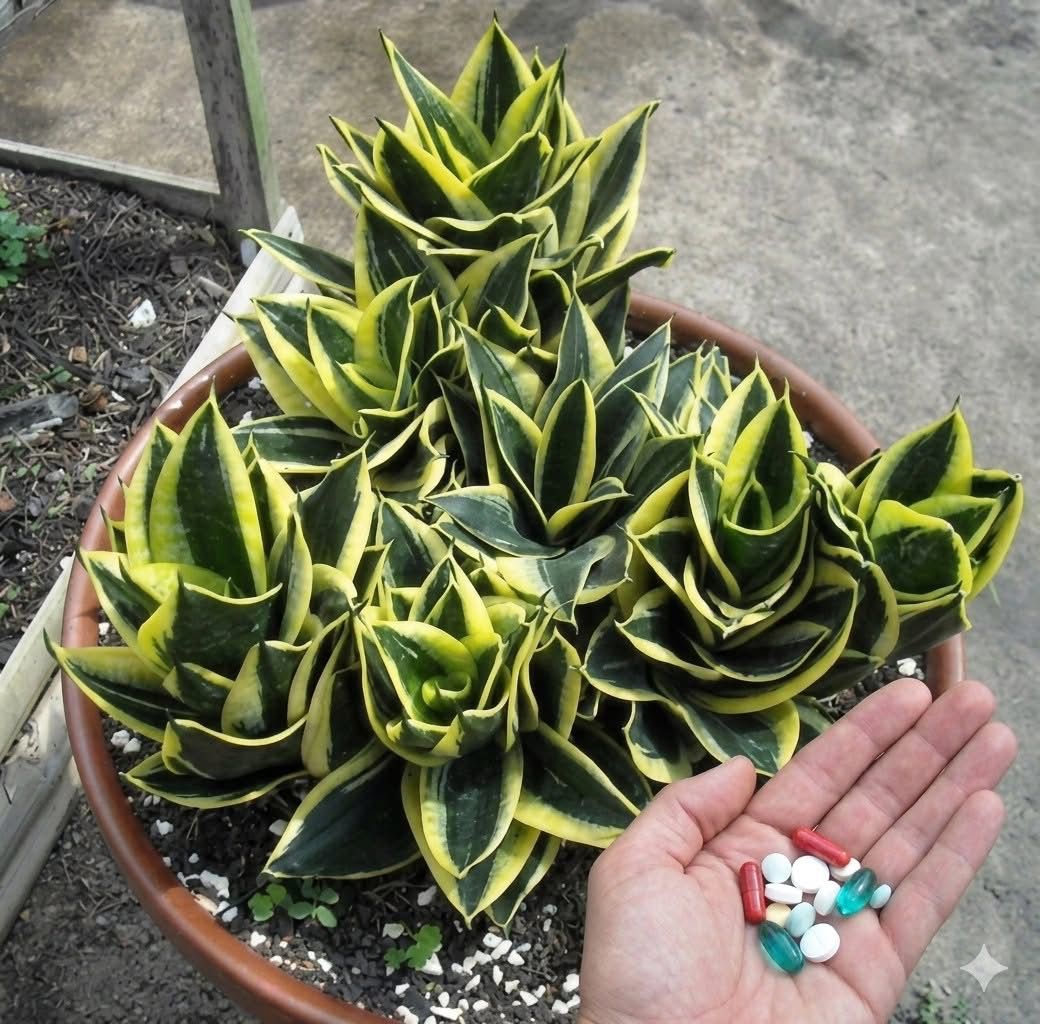
Strengthening my snake plants didn’t require expensive fertilizers or complicated routines. Over the past few years, I discovered that common household items—banana peels, Epsom salt, coffee grounds, and rice water—could transform weak, floppy leaves into firm, upright growth. Here’s exactly how I did it and what worked best.
Why My Snake Plants Needed Strengthening
A few years ago, I noticed my snake plant leaves looking thinner than usual. Some leaned outward instead of standing tall, and the color seemed dull. Snake plants (Dracaena trifasciata) are supposed to be tough, but mine looked tired.
The problem wasn’t water or light—it was nutrition. Snake plants are slow growers that don’t need much food, but when they show pale leaves or slow new growth, a gentle nutrient boost makes all the difference . I decided to try homemade supplements before buying anything from the store.
The Golden Liquid That Changed Everything: Banana Peel Water
The first supplement I tried was banana peel water, and it delivered the most dramatic results.
Why Banana Peels Work
Banana peels contain three things snake plants love:
· Potassium – Strengthens roots and overall plant structure
· Phosphorus – Encourages new shoots and pup production
· Magnesium – Improves leaf color and energy production
My Simple Recipe
I started making what some gardeners call “golden liquid” :
- Took 1-2 fresh banana peels and chopped them into small pieces
- Placed them in a glass jar with 1 liter of room-temperature water
- Let them soak for 24-48 hours (never longer—fermentation creates odor)
- Strained out the peels and kept the golden water
How I Applied It
I used this liquid once every 3-4 weeks during spring and summer only. The key was waiting until the top 2-3 inches of soil felt completely dry before applying . I poured it around the base of the plant, never on the leaves.
What Happened
Within about 4 weeks, I noticed the base of the plant looking thicker. After 6-8 weeks, tiny new pups emerged from the soil—something that hadn’t happened in over a year . The existing leaves grew firmer and stood up straighter.
This method worked so well that it became my go-to supplement. Banana peel water is gentle enough that I never worried about burning the roots, unlike some chemical options.
Epsom Salt: The Magnesium Boost
After seeing results with banana peels, I experimented with Epsom salt to address some yellowing leaves.
Understanding Epsom Salt Benefits
Epsom salt isn’t table salt—it’s magnesium sulfate. Magnesium helps plants produce chlorophyll (the green pigment), while sulfur supports root health and nutrient absorption .
When I Knew My Plant Needed It
I used Epsom salt only when I saw specific signs:
· Pale or yellowing leaves
· Slower growth than usual
· Dull appearance despite proper watering
My Epsom Salt Recipe
The mixture I settled on:
· 1 tablespoon of Epsom salt
· 1 gallon of water
· Stirred until completely dissolved
Application Method
I used this once per month during the growing season. Some sources suggest 1-2 teaspoons per gallon , but I found 1 tablespoon worked well without causing problems.
I applied it as a soil drench during regular watering. The leaves greened up noticeably within a few weeks.
Important Caution
Epsom salt is not a complete fertilizer—it lacks nitrogen, phosphorus, and potassium . I used it as a supplement alongside other methods, not as a replacement. Too much can cause salt buildup in soil, leading to leaf tip browning .
Coffee Grounds: A Mixed Experience
Coffee grounds taught me that natural doesn’t always mean better for every plant.
What I Hoped Would Happen
Coffee grounds contain nitrogen, which supports leafy growth. They also improve soil texture and drainage over time . The NPK ratio of used grounds is roughly 2.28-0.06-0.6 .
My First Attempt
I sprinkled dried, used coffee grounds lightly on top of the soil—just a thin layer. For about a month, everything seemed fine.
The Problems That Emerged
Within two months, I noticed:
· Soil stayed wet longer than usual
· Lower leaves turned yellow and soft
· The soil surface developed a slightly sour smell
What Went Wrong
Coffee grounds have two issues for snake plants:
- Acidity – Fresh grounds have pH around 4.5-5.5, while snake plants prefer 6.0-8.0 . Even used grounds can acidify soil over time.
- Moisture retention – Grounds pack down and block airflow to roots, exactly opposite of what snake plants need .
How I Adjusted
Instead of direct application, I now add coffee grounds to my compost bin first. After 3-4 months, the composted material provides balanced nutrients without the acidity and moisture problems . I mix this compost into the soil during spring repotting.
Rice Water: The Gentle Hydration Booster
Rice water became my unexpected favorite for regular maintenance.
Why I Tried It
Rice contains small amounts of nitrogen, phosphorus, and potassium. When rice is rinsed, some of these nutrients transfer to the water .
My Simple Method
- Rinsed uncooked rice in a bowl
- Collected the cloudy white water
- Used it immediately (never fermented)
Application Schedule
I used rice water every 2-3 weeks during spring and summer, alternating with regular watering . It’s mild enough that overfeeding isn’t a concern.
Results
Rice water didn’t produce dramatic pup growth like banana peels, but it kept leaves consistently green and healthy. It’s become my standard “maintenance feed” between stronger supplements.
Eggshells: Slow and Steady Calcium
Eggshells won’t give quick results, but they provide long-term calcium for leaf structure.
Preparation Method
- Rinsed eggshells thoroughly
- Dried them completely (crucial to prevent mold)
- Ground them into fine powder using a blender
- Sprinkled a small amount on topsoil or mixed into potting mix
What Calcium Does
Calcium strengthens cell walls, helping leaves stay firm and upright. It also prevents nutrient deficiencies that cause weak growth .
Timing
Eggshells break down slowly, so I add them during spring repotting. By mid-summer, the calcium becomes available to the plant.
Fish Tank Water: The Accidental Discovery
I don’t keep fish, but a gardening friend shared her fish tank water method, and I tried it with borrowed aquarium water.
The Nutrient Profile
Fish tank water contains nitrogen and trace minerals from fish waste . It’s essentially a mild, natural fertilizer.
How I Used It
· Diluted fish tank water with equal parts clean water
· Applied every 3 weeks during July and August
· Poured directly onto soil
Results
The plants that received fish tank water showed faster growth and darker leaves than control plants. The nitrogen boost was noticeable but gentle enough to avoid burning.
Compost Tea: The Complete Package
When I have mature compost available, brewing tea gives excellent results.
My Brewing Method
- Added a handful of finished compost to an old pillowcase
- Soaked it in a bucket of water for 24-36 hours
- Stirred occasionally during soaking
- Diluted the resulting tea with 3 parts water
Application
I use compost tea every 2 weeks during peak summer growth. It provides balanced nutrition and introduces beneficial soil microbes .
What I Learned About Timing
Through trial and error, I developed this seasonal schedule:
Spring (March-May):
· Banana peel water every 2-3 weeks
· Eggshell powder at repotting
· Seaweed infusion if available
Summer (June-August):
· Rice water every 2-3 weeks
· Fish tank water monthly
· Compost tea bi-weekly
Early Growth Boosts:
· Diluted Epsom salt once monthly if leaves look pale
Fall/Winter:
· No supplements during dormancy
Signs I Was Overdoing It
Not every experiment succeeded. Here’s what told me to back off:
· White crust on soil surface – Salt buildup from too much fertilizer
· Brown leaf tips – Often fertilizer burn, not underwatering
· Soft, mushy leaves – Usually overwatering combined with too much food
· Soil staying wet too long – Some supplements (coffee grounds) made drainage worse
When I saw these signs, I flushed the soil with plain water and stopped feeding for 2-3 months .
The Simple Comparison Table
For quick reference, here’s how each supplement performed:
Supplement Best For How Often My Results
Banana Peel Water Pup production, root strength Every 3-4 weeks New pups in 6-8 weeks
Epsom Salt Green leaves, magnesium Monthly Greener leaves within weeks
Coffee Grounds Nitrogen (composted only) Every few months (composted) Direct use caused problems
Rice Water Gentle maintenance Every 2-3 weeks Consistent healthy growth
Eggshells Long-term calcium At repotting Firm leaves over months
Fish Tank Water Summer growth boost Every 3 weeks Fastest summer growth
Compost Tea Complete nutrition Every 2 weeks Strong roots, dark leaves
My Final Routine
After two years of experimenting, here’s what I actually do now:
Once in spring: Mix powdered eggshells into fresh potting soil.
Every 3-4 weeks spring through summer: Alternate between banana peel water and rice water. If leaves look pale, use Epsom salt once.
Once or twice in summer: Apply compost tea or fish tank water if available.
Never in fall/winter: Stop all supplements and let plants rest.
What I’d Do Differently
If I started over, I would:
- Use banana peel water first – It gave the most visible results with zero risk
- Skip direct coffee grounds – Composting first solves the problems
- Test Epsom salt only when needed – It’s powerful but not necessary for healthy plants
- Keep notes – I wish I’d photographed each plant monthly to track progress
Final Thoughts
Strengthening snake plants doesn’t require a green thumb or expensive products. The kitchen scraps I used to throw away—banana peels, rice rinse water, eggshells—turned out to be exactly what my plants needed.
The key is moderation. Snake plants evolved to survive tough conditions with minimal nutrients. A gentle boost during active growth seasons is plenty. Too much attention, especially with strong supplements, does more harm than good.
My snake plants now stand tall with firm, deep green leaves. They produce pups regularly where they once sat stagnant. And I spend nothing on fertilizers.
If your snake plants look weak or tired, try the golden liquid first. One banana peel and two days later, you might see the same transformation I did.
Have you tried any kitchen scraps on your houseplants? I’d love to hear what worked for you.
More Ideas You Might Like
-

Why Some Homeowners Are Using Onion Water Around Orchids and What Usually Helps More for Strong Roots, Healthy Leaves, and Long-Lasting Blooms
Orchids are among the most elegant indoor flowering plants for homeowners who want graceful stems, glossy green leaves, long-lasting blooms, and a refined decorative display that fits beautifully in living rooms, bedrooms, apartments, home offices, bright kitchens, windowsills, covered patios, commercial interiors, luxury home staging, and premium indoor plant styling. A healthy orchid can turn…
-

Why Some Homeowners Are Pouring Aloe Water Around Orchids and What Usually Helps More for Strong Roots, Healthy Leaves, and Long-Lasting Blooms
Orchids are among the most elegant indoor flowering plants for homeowners who want graceful blooms, sculptural roots, glossy leaves, and a premium decorative display that fits beautifully in living rooms, bedrooms, apartments, home offices, bright kitchens, balcony gardens, covered patios, commercial interiors, luxury home staging, and refined indoor plant styling. A healthy orchid can make…
-
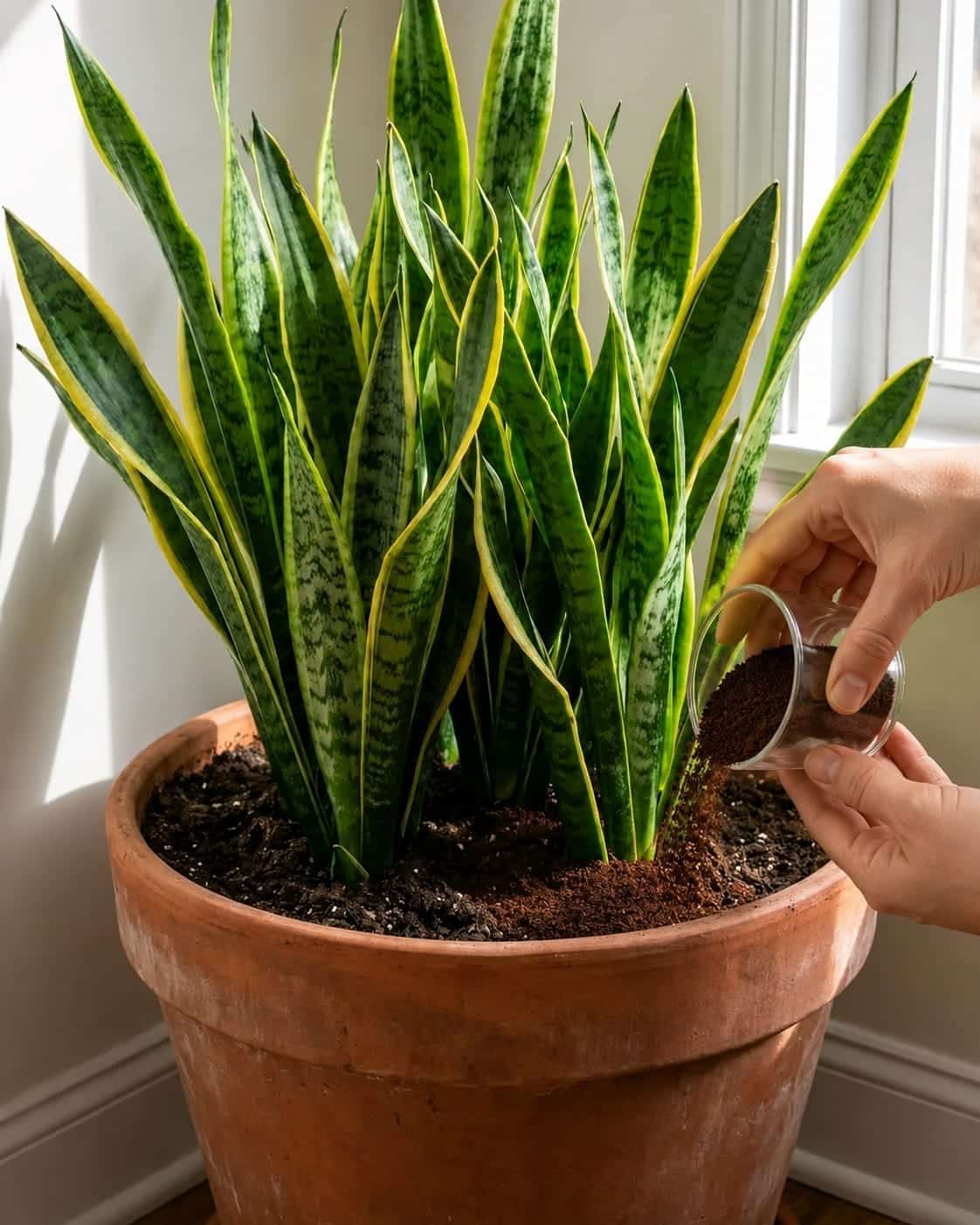
Why Some Homeowners Are Adding Brown Powder Around Snake Plants and What Usually Helps More for Strong Roots, Fuller Growth, and Healthy Indoor Leaves
Snake plant is one of the most dependable indoor plants for homeowners who want strong upright leaves, bold green patterning, yellow-edged variegation, easy maintenance, and a clean decorative display that fits beautifully in living rooms, bedrooms, apartments, home offices, bright kitchens, entry corners, sunny windowsills, plant shelves, commercial interiors, luxury home staging, and premium indoor…