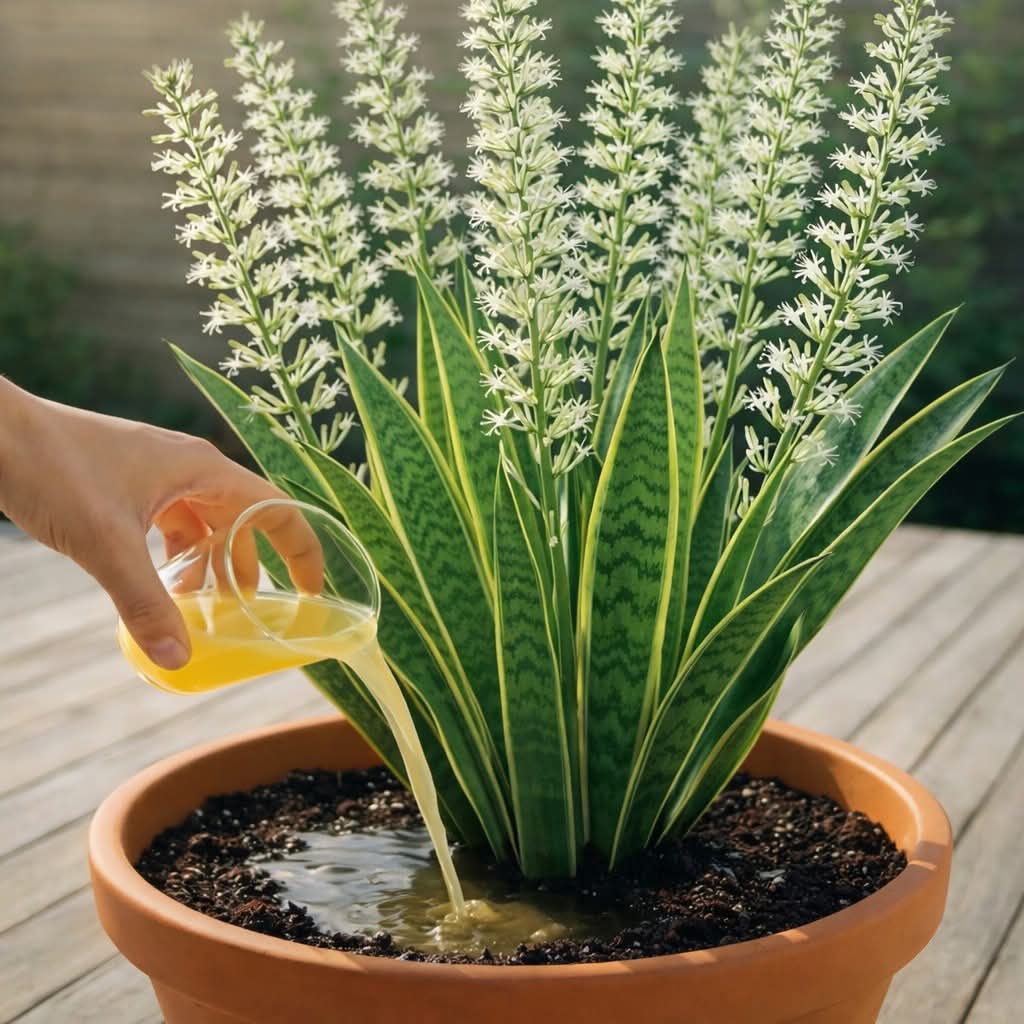
Did you know snake plants can bloom? Discover a simple natural trick using rice water or banana peel water to encourage your Sansevieria to produce rare, fragrant flowers. Easy, organic, and surprisingly effective.
Introduction
Let me share the secret that turned my snake plant from a green wallflower into a blooming beauty—and it might just work for yours too.
Sansevieria, commonly known as snake plant or mother‑in‑law’s tongue, is famous for being nearly indestructible. It tolerates neglect, survives in low light, and asks for almost nothing. But blooms? Most people don’t even know snake plants can flower. When they do, it’s often considered a rare and special event.
I’d owned my snake plant for years before I saw my first flower spike. It was a tall, slender stalk covered in tiny, fragrant white blossoms that opened at night. The sweet, delicate scent filled my living room, and I felt like I’d discovered a hidden superpower of this humble plant.
The secret wasn’t magic—it was giving my plant the gentle, natural nutrients it needed at the right time. In this guide, I’ll show you how to use simple kitchen scraps—rice water and banana peel water—to encourage your Sansevieria to bloom. With patience and proper care, you might just be rewarded with those rare, beautiful flowers.
Why Snake Plants Bloom (or Don’t)
In their native West African habitats, snake plants bloom annually, sending up tall spikes of fragrant white or cream flowers. Indoors, blooming is less common because the conditions that trigger it—bright light, a period of mild stress, and the right nutrients—are often missing.
Factors That Encourage Blooming:
· Maturity: The plant needs to be several years old.
· Bright, indirect light: Low light keeps the plant alive but won’t spur flowers.
· Mild stress: Being slightly root‑bound or experiencing a cool, dry period can trigger blooming.
· Proper nutrition: A gentle boost of phosphorus and potassium supports flower development.
The Simple Trick: Rice Water & Banana Peel Water
The secret is using natural, nutrient‑rich liquids that provide exactly what a snake plant needs to produce flowers—without the risk of chemical burn.
Why It Works
Ingredient Key Nutrients How It Helps
Rice water Starch, B vitamins, trace minerals Supports beneficial soil microbes; provides gentle energy boost
Banana peel water Potassium (K), phosphorus (P), magnesium Potassium promotes flower development; phosphorus supports root strength
Together, these ingredients create a gentle, organic “bloom booster” that encourages your snake plant to shift energy from leaf production to flowering.
How to Make and Use the Bloom Booster
Option 1: Rice Water
What you’ll need:
· ½ cup uncooked rice (white, brown, or jasmine)
· 2 cups water
· A bowl or jar
Instructions:
- Place the rice in a bowl and cover with water.
- Swirl gently for 30 seconds, then strain, reserving the cloudy water.
- Let the rice water sit at room temperature for up to 24 hours (optional, for fermentation).
- Dilute with an equal amount of plain water before using.
Option 2: Banana Peel Water
What you’ll need:
· 1–2 ripe banana peels (organic preferred)
· 1 liter (4 cups) water
· A jar with a lid
Instructions:
- Chop banana peels into small pieces.
- Place in a jar, cover with water, and loosely close the lid.
- Let steep at room temperature for 24–48 hours.
- Strain the liquid and dilute with an equal amount of plain water before using.
How to Apply
Step Details
Frequency Once every 2–3 weeks during spring and summer
Timing Water when the soil is slightly dry—not bone dry, not wet
Method Pour the diluted mixture onto the soil, avoiding the leaves
Stop Discontinue in fall and winter when the plant rests
Pro Tips for Encouraging Blooms
- Give It Bright, Indirect Light
Snake plants can survive in low light, but they won’t bloom there. Place yours near an east‑facing window or a few feet back from a south‑ or west‑facing window. If natural light is limited, consider a full‑spectrum grow light for 8–10 hours daily.
- Let It Get Slightly Root‑Bound
Snake plants often bloom when they’re a little crowded. Avoid repotting too soon. If roots are circling the pot, it’s probably a good sign—don’t rush to give it more space.
- Create a Mild Stress Period
In late winter or early spring, allow the plant to experience slightly cooler nights (around 50–60°F / 10–15°C) and reduce watering. This mimics the natural conditions that trigger blooming in the wild.
- Be Patient
Snake plants need to be mature (3–5 years old) before they bloom. If your plant is still young, focus on healthy growth, and the flowers will come when it’s ready.
- Avoid Over‑Fertilizing
High‑nitrogen fertilizers push leaf growth at the expense of flowers. Stick to gentle, potassium‑rich natural options like rice and banana water.
What to Expect When Your Snake Plant Blooms
If your plant decides to flower, here’s what happens:
- A tall spike emerges – from the center of the plant, often 1–3 feet tall.
- Buds form – along the spike, clusters of small, tubular buds appear.
- Blooms open – usually in the evening, releasing a sweet, powerful fragrance that fills the room.
- Flowers last – for 1–2 weeks. After blooming, you can cut the spike at the base.
The flowers are typically white or cream, sometimes with a hint of green. The scent is often compared to jasmine or gardenia.
Troubleshooting: Why Isn’t My Snake Plant Blooming?
Problem Likely Cause Solution
No flowers after years Plant too young Give it time; some varieties need 3–5 years
Insufficient light Move to brighter spot
Pot too large Repot into a snugger container
Buds appear but drop Inconsistent watering Keep soil evenly dry between waterings
Temperature swings Avoid drafts; keep plant in stable spot
Healthy plant, no blooms Lack of potassium Use banana peel water regularly during growing season
Frequently Asked Questions
Q: Can I use cooked rice water?
A: Yes, as long as it contains no salt, oil, or seasonings. Plain, unsalted rice water works fine.
Q: How often should I apply the bloom booster?
A: Once every 2–3 weeks during spring and summer. Stop in fall and winter.
Q: Will this method work for other houseplants?
A: Absolutely. Peace lilies, orchids, and many flowering plants appreciate the gentle potassium boost.
Q: My plant is blooming! Do I need to do anything special?
A: Keep conditions stable—avoid moving the plant, and water consistently. Enjoy the fragrance while it lasts.
Q: Will my snake plant bloom again next year?
A: Possibly! Continue providing bright light, gentle feeding, and a mild winter rest period to encourage repeat blooms.
Final Thoughts
Getting a snake plant to bloom is one of the most rewarding experiences for a plant lover. It’s a sign that your plant isn’t just surviving—it’s thriving. With patience, the right light, and a little help from rice or banana water, you might be surprised by those delicate, fragrant flowers.
I hope this guide inspires you to give your Sansevieria the gentle nudge it needs. When you see that first flower spike emerge, you’ll know all your care has paid off.
Now it’s your turn! Have you ever had a snake plant bloom? What natural fertilizers do you use? Share your stories in the comments below.
And if you’re looking for more plant care tips, check out our guides for How to Make Snake Plants Multiply, Best Natural Fertilizers for Houseplants, and Reviving a Dying Snake Plant.
Happy growing! 🌿🌸
Did this trick help your snake plant bloom? We’d love to see your flowers! Leave a comment below and share your photos. Don’t forget to pin this guide for your plant care routine.
More Ideas You Might Like
-

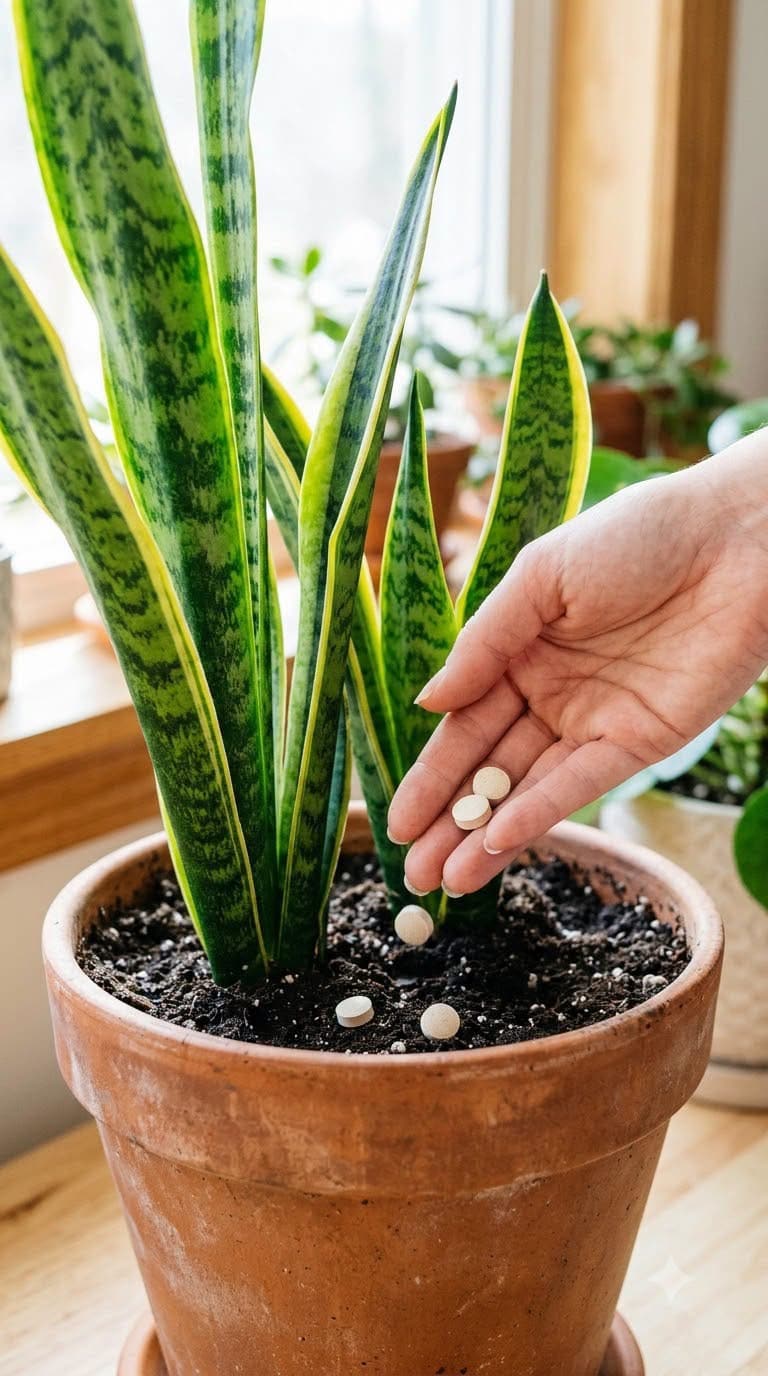
How to Use Slow-Release Fertilizer Tablets for Snake Plants Without Overfeeding
Snake plants are known for being low-maintenance houseplants, but that does not mean they never need nutrients. A small amount of fertilizer during their active growing season can support steady new growth and help leaves keep their deep green color and strong upright form. The image shows small fertilizer tablets being placed on the soil…
-
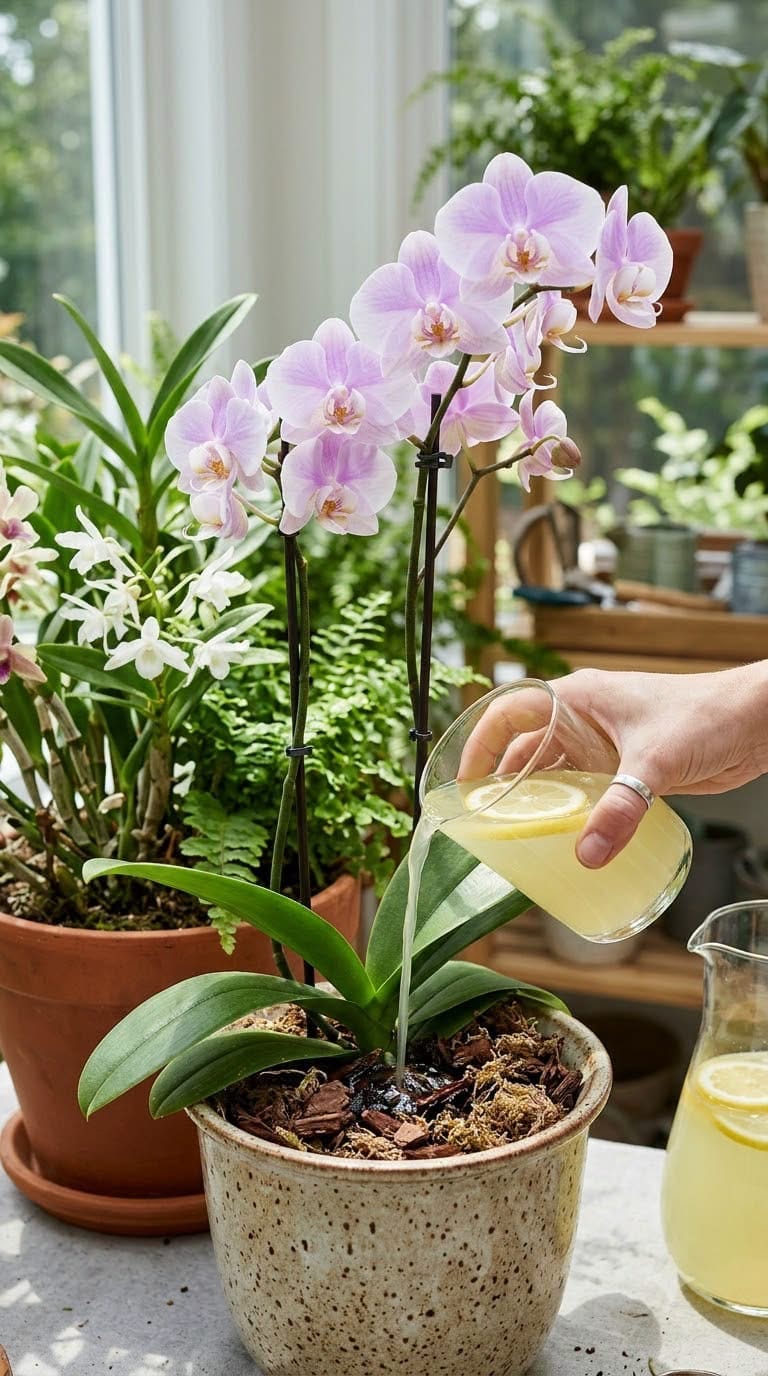
Orchid Care for Healthy Roots, Lasting Blooms, and Beautiful Indoor Displays
Orchids are elegant houseplants that can bring a refined, peaceful look to almost any room. Their long-lasting flowers, glossy leaves, and sculptural stems make them especially beautiful on bright tables, windowsills, kitchen counters, and living-room shelves. A healthy orchid does not need lemon water, sugary drinks, or homemade kitchen mixtures to bloom. Although lemon water…
-

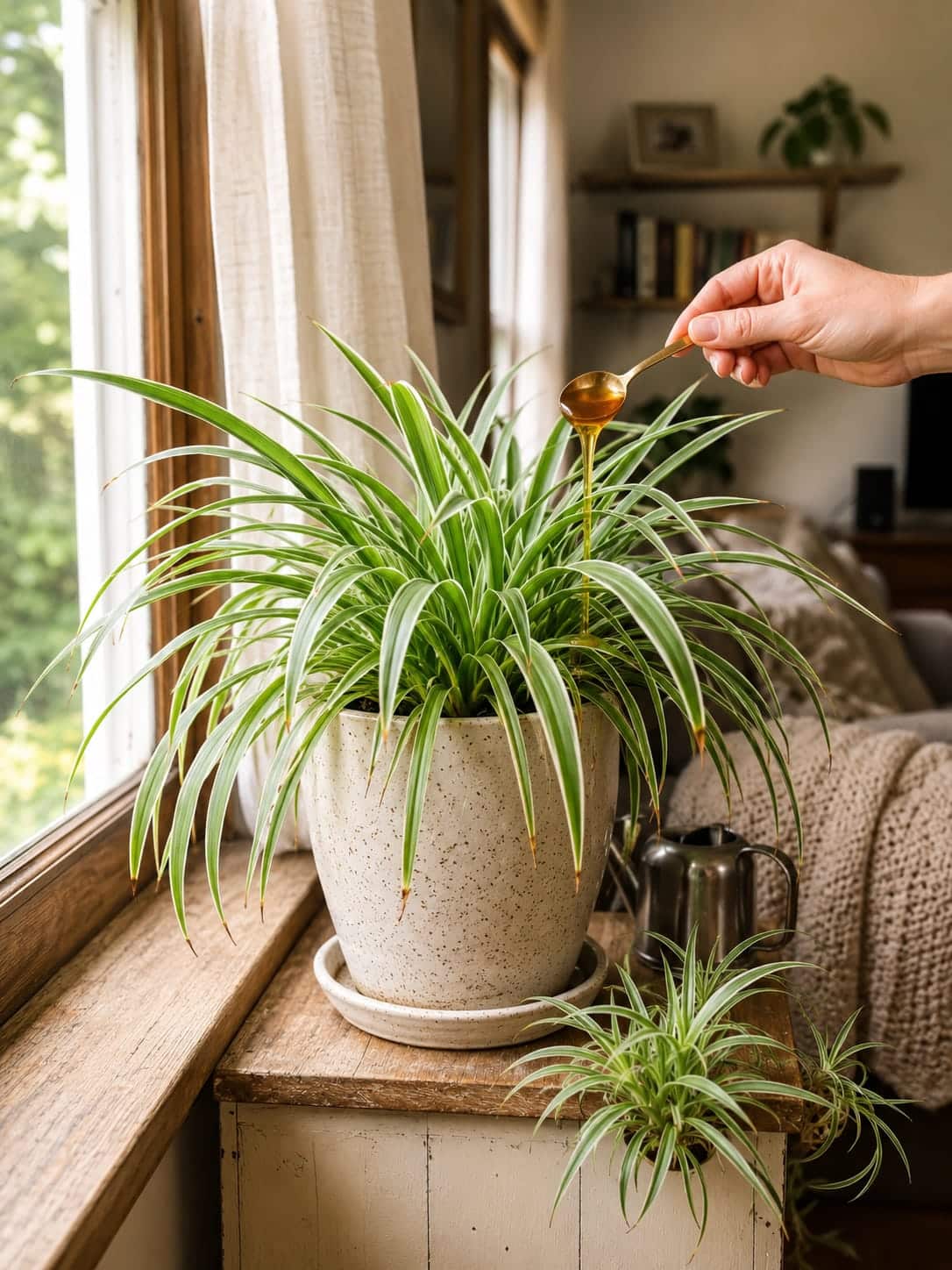
Spider Plant Care: The Safe Way to Grow a Fuller, Healthier Houseplant
Spider plants are loved for their long striped leaves, easy-going nature, and charming baby plants that spill over the sides of the pot. They look beautiful on a bright windowsill, shelf, hanging basket, or small table, and they can quickly make a room feel fresher and more inviting. The image may suggest adding honey to…