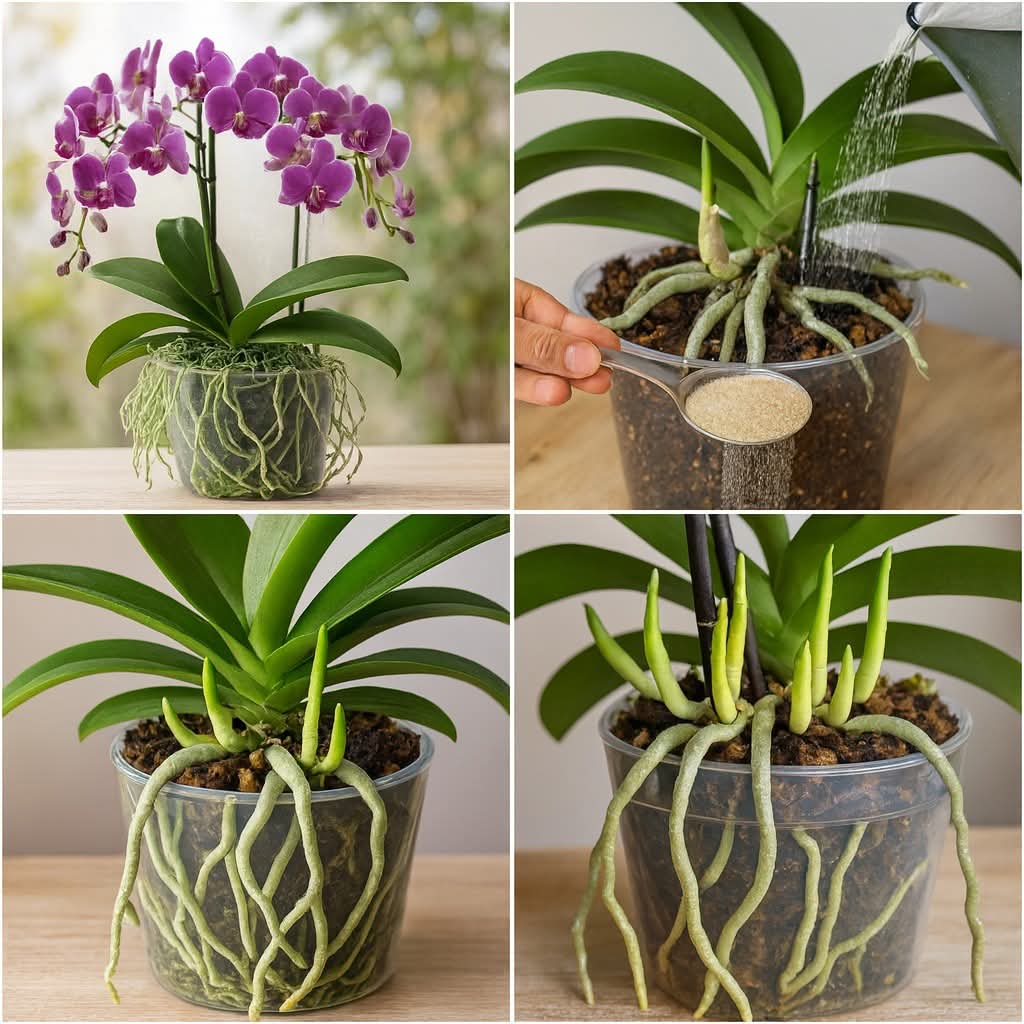
Can sugar really help orchids grow? Yes – when used correctly. Learn how to make a simple sugar solution to support weak orchids, encourage root growth, and revive struggling plants. Safe, natural, and effective.
Let’s be honest: orchids are stunning. Their delicate, exotic blooms can brighten any room and last for weeks. But they’re also famously finicky. One minute they’re flowering beautifully, the next – nothing. Yellowing leaves, shriveled roots, and a stubborn refusal to bloom again.
If you’ve ever owned an orchid, you already know the struggle.
That’s why home gardeners are turning to a surprisingly simple ingredient you already have in your kitchen: sugar.
Yes, sugar. When used correctly, it can support orchid growth, encourage healthier roots, and help revive weak or stressed plants. But there’s a right way and a wrong way. Too much sugar can attract pests, cause mold, and damage roots. Used sparingly and wisely, it can give your orchids a gentle, natural boost.
In this guide, you’ll learn exactly how to use sugar safely and effectively, when it helps, when it doesn’t, and what your orchids really need to thrive. No hype. Just practical, honest advice for healthier, happier orchids.
Let’s sweeten the deal – the right way.
Why Orchids Are Different (And Need Special Care)
Unlike most houseplants, orchids (especially popular varieties like Phalaenopsis, or “moth orchids”) are epiphytes. In nature, they don’t grow in soil – they grow attached to trees, with their roots exposed to air and rain. This means:
· They need airflow – Dense, wet soil suffocates their roots.
· They absorb nutrients slowly – From rain, decaying leaves, and bird droppings.
· They are sensitive to overfeeding – Too much fertilizer burns their roots.
Because they’re so different, regular plant care routines don’t always work. That’s why natural, gentle boosters like sugar have gained attention among orchid enthusiasts.
Can Sugar Really Help Orchids? Let’s Clear This Up
Here’s the truth: sugar is NOT a fertilizer. It does not contain nitrogen, phosphorus, or potassium – the essential nutrients plants need to grow.
So how could it possibly help?
Sugar (sucrose) can act as a temporary energy source for beneficial microorganisms in the potting medium – bacteria and fungi that help break down organic matter and make nutrients available to orchid roots. In very weak or stressed orchids, a tiny amount of sugar may also provide a small, direct energy boost to the plant itself.
However, orchids are not like cut flowers in a vase. Cut flowers absorb sugar water to stay fresh because they no longer have leaves to produce energy through photosynthesis. A healthy, rooted orchid produces its own sugar through photosynthesis. Adding extra sugar is rarely necessary and can cause problems if overused.
The key takeaway: Sugar is a support tool for struggling orchids, not a regular treatment or a replacement for proper care. Think of it as a gentle pick‑me‑up, not a miracle cure.
When Sugar Can Be Helpful – The Right Situations
Sugar works best in specific, limited scenarios:
Situation Why Sugar Helps
Weak or stressed orchids A tiny energy boost can help them recover
Slow root development May stimulate beneficial soil microbes
Plants recovering from repotting Supports root regrowth
Orchids not blooming Indirectly by improving overall vigor
Newly propagated keiki (baby orchid) Gentle support while roots establish
👉 Important: Sugar is a short‑term aid, not a long‑term solution. Use it sparingly, and only when your orchid genuinely needs a little help.
⚠️ Important Warning – The Risks of Using Sugar Incorrectly
Using sugar the wrong way can harm your orchid. Here’s what can go wrong:
Problem Cause
Mold and fungus Sugar feeds mold spores in the potting mix
Fungus gnats Sweet residue attracts these pests
Root rot Excess sugar can promote harmful bacteria
Salt buildup Repeated use leaves residue that burns roots
Ants Attracted to sugary moisture
👉 The golden rule: Less is more. A tiny amount, infrequently, is safe. Overdoing it can kill your orchid.
How to Make a Simple Sugar Solution (Safe Recipe)
This is the only recipe you need. Keep it simple.
🥣 Ingredients
· 1 teaspoon of white granulated sugar (not brown sugar, not honey, not artificial sweeteners)
· 1 cup of room temperature water (filtered or distilled is best; tap water is fine if left out overnight to dechlorinate)
👩🍳 Instructions
- Stir the sugar into the water until completely dissolved. No grains should remain.
- Use immediately. Do not store for more than 24 hours – the solution can ferment or grow bacteria.
- Discard any unused solution.
Why white sugar? Brown sugar contains molasses, which adds extra minerals and impurities. White sugar is pure sucrose, giving you consistent, predictable results.
How to Use Sugar Solution on Orchids – 3 Safe Methods
Choose one method per application. Do not use multiple methods at once.
Method 1: Light Root Feeding (Best for Weak Orchids)
· Pour a small amount (about 2–3 tablespoons) of the sugar solution directly onto the potting medium around the roots.
· Do not soak the entire pot.
· Avoid getting solution on the leaves or crown (center of the plant).
👉 Use this once every 3–4 weeks maximum. Skip if your orchid looks healthy.
Method 2: Recovery Boost for Repotted or Stressed Orchids
· After repotting or if your orchid is visibly struggling (wrinkled leaves, no root growth), apply 1–2 tablespoons of solution near the roots.
· Use only once. If no improvement after 2 weeks, do not repeat – the problem is not a lack of sugar.
Method 3: Gentle Leaf Wipe (For Dust and Appearance)
· Dip a soft cloth in the diluted sugar solution (use half the concentration: ½ teaspoon sugar per cup of water).
· Gently wipe the upper surface of the leaves to remove dust and give a slight shine.
· Do not pour solution into the leaf joints or crown – this causes rot.
👉 This method has minimal benefit for plant health but makes leaves look nicer. Use plain water instead for regular cleaning.
What to Expect After Using Sugar (Realistic Results)
If used correctly, you may notice over the following weeks:
Timeframe Possible Observation
1–2 days No visible change (don’t expect miracles)
1 week Slight improvement in leaf turgor (firmness) if orchid was dehydrated
2–3 weeks New root tips may appear (small green or silvery points)
1 month Overall plant may look more vigorous
👉 If you see no improvement after 3–4 weeks, sugar is not the solution. Your orchid needs better light, water, or fertilizer.
❌ What Sugar Will NOT Do (Important Reality Check)
Let’s be realistic. Sugar will not:
False Expectation Reality
Instantly make orchids bloom Blooming requires proper light, temperature drop, and fertilizer
Replace orchid fertilizer Orchids need nitrogen, phosphorus, and potassium
Fix poor lighting Move your orchid to a brighter (indirect light) spot
Cure root rot Rot is caused by overwatering – sugar makes it worse
Work on healthy orchids Healthy plants make their own sugar via photosynthesis
Sugar is a tiny helper – not a hero.
Real Orchid Care Essentials (What Actually Works)
Instead of relying on sugar tricks, focus on these fundamentals. This is what truly keeps orchids thriving.
☀️ Proper Light
· Bright, indirect sunlight (east or west-facing window is ideal).
· Leaves should be light green – dark green means not enough light; reddish or yellow means too much direct sun.
💧 Correct Watering – The #1 Mistake
· Water when the potting medium is almost dry and roots look silvery (not green).
· For Phalaenopsis orchids in bark, this is about once every 7–10 days.
· Never let the plant sit in standing water.
🌬 Good Airflow
· Orchid roots need air. Use a pot with drainage holes and slits.
· A small fan in the room helps prevent fungal issues.
🌱 Orchid Fertilizer (Not Sugar)
· Use a balanced orchid fertilizer (like 20-20-20 or a specific orchid formula).
· Fertilize weakly, weekly: dilute to half strength.
· Flush with plain water once a month to prevent salt buildup.
🌡 Temperature Drop for Blooming
· Many orchids (Phalaenopsis) need a 10–15°F temperature drop at night for several weeks to trigger flower spikes.
· Place near a cool window in autumn.
Pro Tips for Healthier Orchids (Beyond Sugar)
✔️ Use a Bark-Based Potting Mix
Regular potting soil suffocates orchid roots. Use a mix of bark, perlite, and sphagnum moss designed for epiphytes.
✔️ Check Roots Often
Healthy roots are firm, green or silvery. Brown, mushy, or papery roots indicate rot or dehydration.
✔️ Repot Every 1–2 Years
Bark breaks down over time, becoming too dense. Repot when the medium looks dark and crumbly.
✔️ Trim Dead Spikes
After blooming, cut the flower spike just above a node (bump) to encourage a secondary bloom. Once brown and dry, cut it off at the base.
✔️ Be Patient
Orchids are slow growers. A new flower spike can take 2–3 months to develop. Don’t rush them.
Common Mistakes to Avoid (Even Experienced Growers Make These)
Mistake Why It’s Harmful
Using sugar too often Feeds mold, attracts pests, causes salt buildup
Pouring sugar solution on leaves or crown Leads to crown rot (often fatal)
Skipping fertilizer for sugar Orchids will starve
Using sugar on healthy plants No benefit, potential harm
Storing sugar solution Bacteria and fermentation
Using honey instead of sugar Honey contains enzymes and can spread fungal spores
Natural Alternatives to Sugar for Orchids
If you’re looking for gentle, natural ways to support orchids, consider these instead:
Natural Remedy How to Use Effectiveness
Rice water Soak rice, strain, dilute with 2 parts water. Use once a month. Mild nutrient boost
Banana peel water Soak banana peel in water for 24 hours, dilute, use sparingly. Potassium source
Compost tea Steep compost in water, strain, dilute until pale brown. Broad nutrients
Cinnamon powder Sprinkle on cut roots or stems to prevent infection. Antifungal (not a fertilizer)
👉 None of these replace proper orchid fertilizer. Use them as occasional supplements.
Frequently Asked Questions (FAQs)
Q: Can I use brown sugar instead of white sugar?
White sugar is best because it’s pure sucrose. Brown sugar contains molasses, which adds minerals and can encourage more microbial growth – increasing mold risk. Stick to white.
Q: How often should I use sugar on my orchid?
Once every 3–4 weeks maximum, and only for 2–3 months at a time. Then take a break. Healthy orchids don’t need sugar at all.
Q: Can I use sugar on other houseplants?
Not recommended. Most houseplants grow in soil that already contains plenty of organic matter and beneficial microbes. Sugar can attract pests and cause mold in regular potting soil. Stick to orchids in bark-based media.
Q: Will sugar attract ants?
Yes. If you spill sugar solution or overuse it, ants will come. Wipe up spills immediately and use only small amounts.
Q: Can I add sugar to orchid fertilizer?
No. Mixing sugar with fertilizer can create a breeding ground for bacteria. Apply them separately, on different days.
Q: My orchid is blooming – should I give it sugar?
No. Blooming orchids are healthy. Sugar won’t extend the flowers and may harm the plant. Enjoy the blooms and continue regular care.
Q: Can sugar revive a dying orchid?
It depends on why it’s dying. If the orchid is weak from underwatering or mild stress, sugar might help. If it has root rot, pests, or crown rot, sugar will make it worse. Diagnose first.
Q: How do I know if my orchid needs sugar?
Signs that might indicate a need for gentle support: slow root growth after repotting, wrinkled leaves that don’t improve with watering, or a general lack of vigor despite proper light and water. If in doubt, skip the sugar.
The Bottom Line – Simple, Natural, and Safe
Using sugar for orchids is a simple, natural trick that can support plant health – when used correctly. It’s not a miracle cure, and it won’t replace proper light, water, or fertilizer. But for weak, stressed, or recovering orchids, a tiny amount of sugar solution can provide a gentle boost.
The real secret to thriving orchids isn’t one trick – it’s consistent care, patience, and understanding what your plant needs. Sugar is just a small tool in your toolbox.
Use it sparingly. Use it wisely. And watch your orchids reward you with beautiful, long-lasting blooms.
Now it’s your turn! Have you tried using sugar on your orchids? What worked – or didn’t? Drop a comment below – I’d love to hear your experience.
And if you found this guide helpful, share it with a fellow orchid lover who’s struggling with a stubborn plant. Pin it for later, and subscribe to our newsletter for more practical, no‑hype gardening tips.
Stay green, stay patient, and keep growing. 🌸✨
More Recipes You Might Like
-

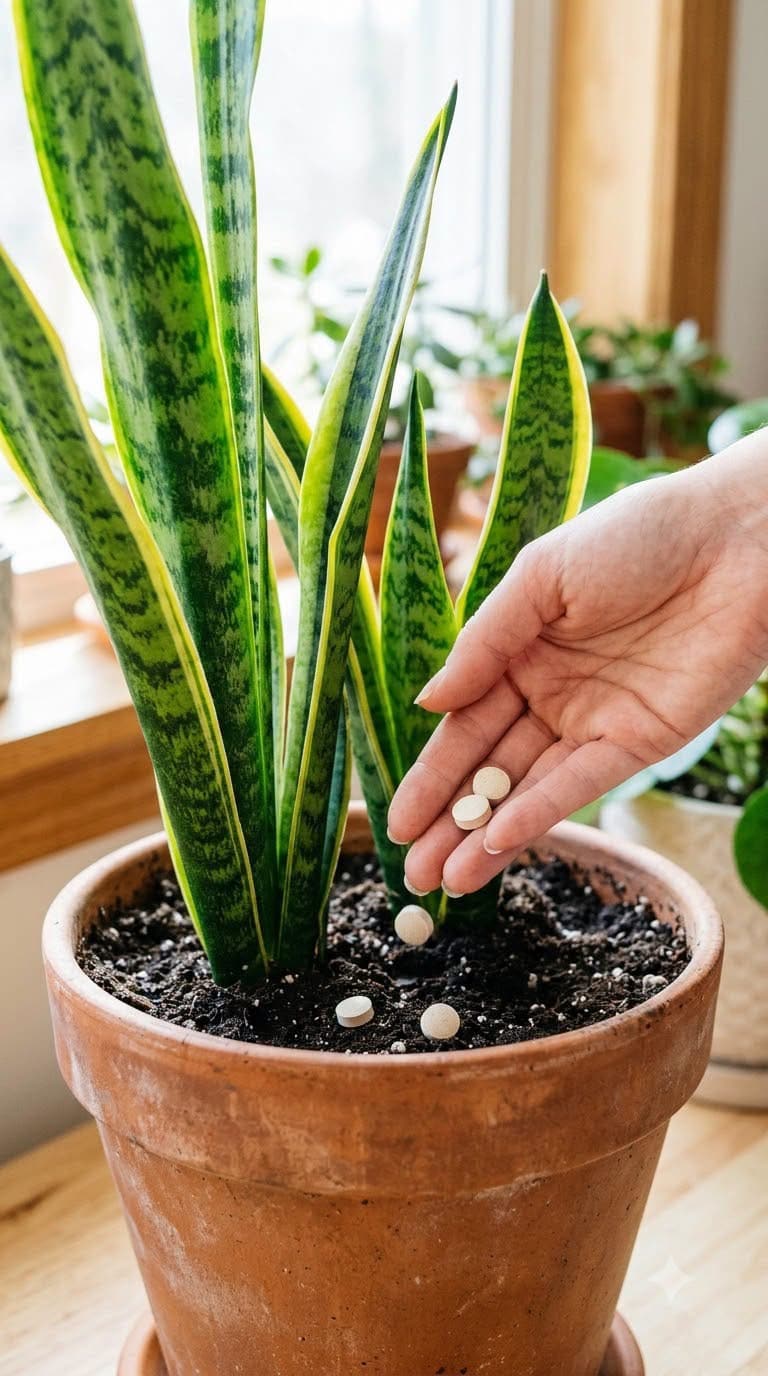
How to Use Slow-Release Fertilizer Tablets for Snake Plants Without Overfeeding
Snake plants are known for being low-maintenance houseplants, but that does not mean they never need nutrients. A small amount of fertilizer during their active growing season can support steady new growth and help leaves keep their deep green color and strong upright form. The image shows small fertilizer tablets being placed on the soil…
-
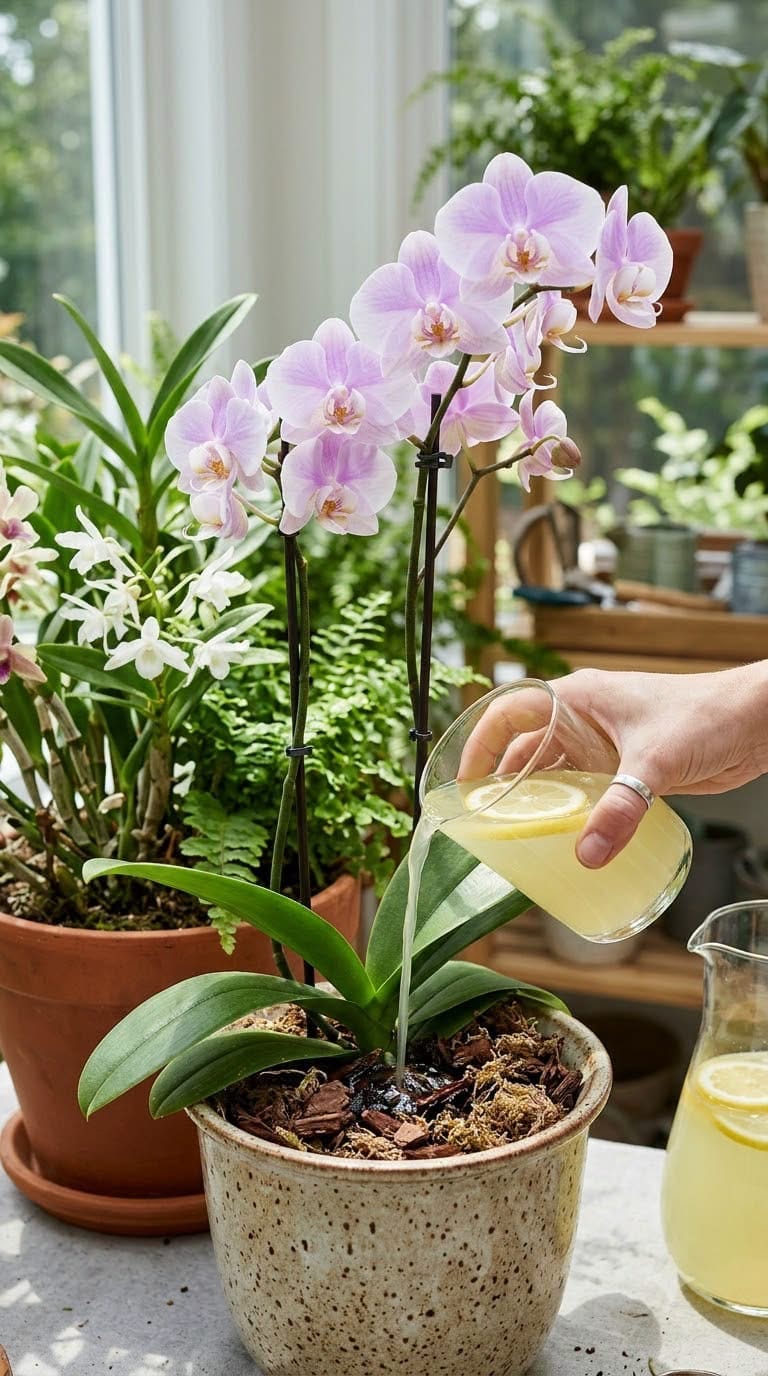
Orchid Care for Healthy Roots, Lasting Blooms, and Beautiful Indoor Displays
Orchids are elegant houseplants that can bring a refined, peaceful look to almost any room. Their long-lasting flowers, glossy leaves, and sculptural stems make them especially beautiful on bright tables, windowsills, kitchen counters, and living-room shelves. A healthy orchid does not need lemon water, sugary drinks, or homemade kitchen mixtures to bloom. Although lemon water…
-

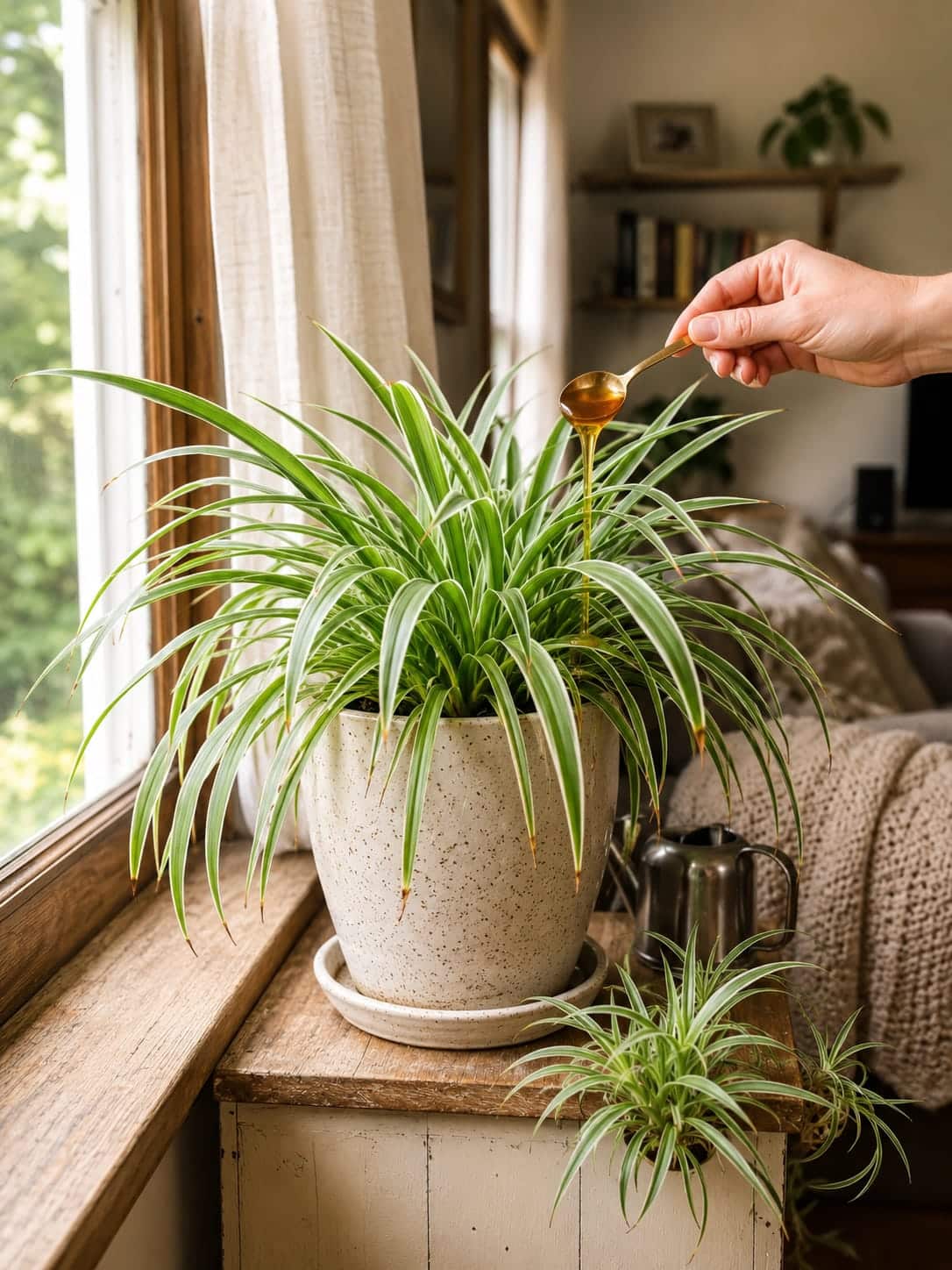
Spider Plant Care: The Safe Way to Grow a Fuller, Healthier Houseplant
Spider plants are loved for their long striped leaves, easy-going nature, and charming baby plants that spill over the sides of the pot. They look beautiful on a bright windowsill, shelf, hanging basket, or small table, and they can quickly make a room feel fresher and more inviting. The image may suggest adding honey to…