
Want your Christmas cactus to bloom again and again? Learn the florist’s secrets – light control, temperature triggers, proper watering, and feeding. Get multiple blooms per year with this complete guide.
Let’s be honest: the Christmas cactus (Schlumbergera) is one of the most stunning indoor plants you can own. When it blooms – covered in vibrant pink, red, white, or purple flowers – it’s absolutely breathtaking. But here’s the problem that frustrates so many plant owners:
👉 It blooms once… then stops. Sometimes for a whole year. Sometimes never again.
You water it, you give it light, you talk to it nicely – and still, nothing but green segments. Meanwhile, your friend’s Christmas cactus seems to flower multiple times a year. What’s their secret?
The truth is, florists and experienced growers don’t rely on luck or magic. They use a predictable system – a combination of light control, temperature manipulation, proper watering, and strategic feeding. And the best part? Anyone can do it.
In this guide, I’ll reveal the florist’s secret plan to make your Christmas cactus bloom not just once, but again and again – sometimes twice or even three times a year. You’ll learn the science behind bud formation, the exact steps to trigger flowering, common mistakes to avoid, and how to keep your plant thriving year‑round.
Let’s unlock the secret to non‑stop blooms.
Understanding the Christmas Cactus – It’s Not a Desert Cactus
Before we dive into the blooming secrets, you need to understand one crucial fact: the Christmas cactus is NOT a desert cactus.
Unlike the prickly, sun‑loving cacti of arid regions, the Christmas cactus (Schlumbergera) is a tropical epiphyte. In its natural habitat – the coastal mountains of southeastern Brazil – it grows on tree branches in shady, humid rainforests.
This means:
Characteristic Christmas Cactus Desert Cactus
Native habitat Humid rainforest Arid desert
Light preference Bright, indirect Full, direct sun
Water needs Keep slightly moist Dry out completely
Temperature Cool nights (55–65°F) Warm days, cool nights
Soil Rich, organic, well‑draining Gritty, sandy
👉 Treat it like a tropical plant, not a desert one. This is the foundation of all successful Christmas cactus care.
The Real Secret to Continuous Blooms – It’s All About Timing
The Christmas cactus is a short‑day plant. In nature, it blooms when days get shorter and nights get longer – typically from late fall through winter. Florists have learned to manipulate light and temperature to trick the plant into blooming on demand, often multiple times per year.
The secret isn’t a single magic ingredient. It’s a system of:
- Light control – long, uninterrupted dark periods
- Temperature drops – cool nights
- Strategic watering – not too much, not too little
- Feeding cycles – nutrients at the right time
- Rest periods – letting the plant recover
Master these, and you can enjoy blooms for Christmas, Easter, or any time you choose.
Step 1: Light – Bright but Gentle (The Foundation)
Christmas cacti need bright, indirect light during the day to store energy for blooming.
· Best location: East or north‑facing window. A few feet back from a south or west window (filtered by a sheer curtain) also works.
· Avoid: Direct harsh sunlight – it scorches the leaves, turning them red or purple.
· Too little light: Leaves become dark green, thin, and leggy. The plant won’t bloom.
Pro tip: If your cactus hasn’t bloomed in over a year, move it to a brighter spot (but not direct sun) for several weeks before attempting a bloom trigger.
Step 2: Triggering Blooms – The Florist’s Light & Temperature Trick
This is the most important section. To force your Christmas cactus to set buds, you need to mimic the natural conditions of autumn: shorter days, longer nights, and cooler temperatures.
The Darkness Requirement – 12–14 Hours of Uninterrupted Night
For 6–8 weeks, your cactus needs:
· 12–14 hours of complete darkness every night
· 10–12 hours of bright indirect light during the day
Any interruption of the dark period – even a hallway light, a TV glow, or a streetlamp through a window – can prevent bud formation.
How to do it:
· Place the plant in a room where you can keep lights off at night.
· Or cover the plant with a large cardboard box or opaque cloth every evening (from 6 PM to 8 AM, for example).
· Remove the cover each morning.
The Temperature Drop – Cool Nights
During the 6‑8 week bud‑induction period, keep night temperatures between 55–65°F (13–18°C). Daytime temperatures can be normal room temperature (65–75°F).
If your home is too warm at night, the plant may not form buds. Move it to a cooler room or near a window (but away from cold drafts).
Timing Your Blooms for Holidays
Desired Bloom Time Start Light/Dark Cycle
Thanksgiving Mid‑September
Christmas Early October
Easter Late January
Mother’s Day Mid‑March
👉 Stop the dark treatment once you see small buds forming (about 1–2 weeks after starting). Then return the plant to normal light conditions. The buds will continue to develop and open in 4–6 weeks.
Step 3: Watering the Right Way – Balance Is Everything
Christmas cacti are sensitive to both overwatering and underwatering, especially during bud formation.
Phase Watering Instructions
Normal growth (spring/summer) Keep soil evenly moist. Water when top 1–2 inches feel dry.
Bud induction (fall) Slightly reduce watering. Allow top inch to dry before watering.
Bud development (after buds appear) Keep soil consistently moist – do not let it dry out completely, or buds will drop.
Bloom period Water normally. Avoid getting water on flowers.
Rest period (after blooming) Reduce watering. Allow soil to dry more between waterings for 4–6 weeks.
Signs of trouble:
· Overwatering: Yellowing, mushy segments, root rot.
· Underwatering: Wrinkled, limp, shriveled segments.
· Bud drop: Often caused by sudden temperature changes, drafts, or letting soil dry out completely.
👉 Always use room‑temperature water. Cold water shocks the roots and can cause bud drop.
Step 4: Feeding for More Flowers – When and What to Use
In your image, a tablet is being added to the soil – this suggests fertilizing. Proper feeding is essential for repeat blooms.
Time Fertilizer Type Frequency
Spring – Summer (growth phase) Balanced liquid fertilizer (e.g., 20-20-20 or 10-10-10) Every 2–4 weeks, at half strength
Early Fall (before bud induction) High‑phosphorus fertilizer (e.g., 10-30-20) to promote blooms Once, at half strength
Bud induction (6–8 weeks of darkness) Stop fertilizing completely None
Bud development to blooming Resume balanced fertilizer at half strength Every 3–4 weeks
Rest period (after blooms fade) Stop fertilizing None for 4–6 weeks
Pro tip: Do not fertilize a stressed or recently repotted plant. Always water before applying fertilizer to prevent root burn.
Step 5: Pruning for Fuller Growth – More Branches = More Flowers
Pruning is one of the most overlooked secrets of florists. By trimming your Christmas cactus after blooming, you encourage branching – and more branches mean more flowers next time.
How to prune:
· After the flowers fade, use clean, sharp scissors or your fingers to twist off a few segments from the ends of branches.
· Remove 1–2 segments per stem. Don’t remove more than ⅓ of the plant.
· Each cut will produce 2 new branches at the cut point, doubling potential flower sites.
When to prune: Late winter or early spring, right after the main bloom cycle ends.
What to do with cuttings: Let them dry for 2–3 days, then stick them in moist potting mix. They root easily – share with friends or grow new plants.
Step 6: Repot Only When Needed – Root‑Bound Plants Bloom Better
Unlike many houseplants, Christmas cacti actually prefer to be slightly root‑bound. Repotting too often can delay blooming for a year or more.
Repotting Frequency Every 2–3 years, or when roots are coming out of drainage holes
Best time Early spring, after blooming (not during bud formation)
Pot size Only 1–2 inches larger than current pot
Soil Light, well‑draining mix: 2 parts potting soil + 1 part perlite + 1 part orchid bark
👉 Do not repot when buds or flowers are present – they will drop.
Step 7: Avoid Sudden Changes – Christmas Cactus Hates Stress
The number one cause of bud drop (flowers falling off before opening) is environmental stress.
Stress Factor Why It Causes Problems
Moving the plant Changes in light and temperature shock the plant
Drafts (hot or cold) Sudden temperature fluctuations
Overwatering or drying out Root stress
Fertilizing during bud formation Chemical burn
Turning or rotating the pot Disorients buds
👉 Once buds appear, do not move the plant, rotate the pot, or change its environment. Keep it stable until flowers open.
Bonus: How to Get Multiple Blooms a Year – Yes, It’s Possible!
With careful planning, you can enjoy Christmas cactus blooms two or even three times per year.
The Cycle for Double Blooms
- First bloom (winter): Let the plant bloom naturally (or trigger with dark treatment in fall).
- Rest period (late winter): After flowers fade, reduce water and stop feeding for 4–6 weeks. Prune lightly.
- Recovery (spring): Resume normal watering and feeding. Give bright indirect light.
- Second trigger (early summer): Repeat the 6–8 week dark/cool cycle. You can get blooms in late summer.
- Second bloom (summer): Enjoy flowers!
- Rest again: Then prepare for winter bloom.
👉 Note: Not all plants will bloom twice a year. Younger or weaker plants may need a full year to recover. But mature, healthy Christmas cacti can absolutely produce multiple bloom cycles.
Common Mistakes to Avoid – What Kills Blooms
Mistake Why It’s Harmful
Too much light at night Interrupts dark period – no buds
Overwatering Root rot, yellow segments, no blooms
Underwatering during bud development Buds turn brown and drop
Moving plant with buds Bud drop
Repotting before blooming Plant focuses on root growth, not flowers
Using random “home hacks” Epsom salt, sugar water, coffee grounds can harm
Skipping rest period Plant exhausts itself, blooms weakly or not at all
Natural vs. Synthetic Fertilizers – What’s Best?
Type Pros Cons
Balanced liquid synthetic (20-20-20) Precise nutrients, fast results Can burn if overused
Organic (fish emulsion, seaweed) Gentle, improves soil health Smell, slower results
Slow‑release pellets Low maintenance Harder to control timing
👉 For Christmas cactus, a diluted balanced synthetic fertilizer during growth and a high‑phosphorus booster before bloom induction works best.
Frequently Asked Questions (FAQs)
Q: Why did my Christmas cactus buds fall off before opening?
Most common causes: moving the plant, drafts, temperature swings, letting soil dry out completely, or over‑fertilizing during bud formation.
Q: Can I make my Christmas cactus bloom at a specific time (not Christmas)?
Yes. Count back 8–10 weeks from your desired bloom date. Start the dark/cool treatment at that time.
Q: My Christmas cactus has red or purple leaves. Is that bad?
Red/purple pigmentation usually means too much direct sunlight or a phosphorus deficiency. Move to indirect light and consider a high‑phosphorus fertilizer.
Q: How long do Christmas cactus flowers last?
Each flower lasts 5–7 days, but because buds open sequentially, the overall bloom period can last 4–6 weeks.
Q: Can I use Epsom salt to make my Christmas cactus bloom?
Epsom salt (magnesium sulfate) is not a bloom booster. It can help with leaf greening if your plant is magnesium‑deficient, but it will not trigger flowering. Stick to proper light/dark cycles.
Q: Why is my Christmas cactus limp and wrinkled?
Underwatering. Give it a thorough drink and it should plump up within 24 hours. If soil is wet and still wrinkled, roots may be rotted.
Q: Can I put my Christmas cactus outside in summer?
Yes. Place in a shady, protected spot (no direct sun). Bring inside before temperatures drop below 50°F (10°C). Outdoor light can help build energy for winter blooms.
Q: How do I know if my Christmas cactus is getting enough light for blooming?
Leaves should be a medium green, not dark green (too little light) and not reddish (too much direct sun). If it hasn’t bloomed in over a year despite dark treatments, increase daytime light.
Final Thoughts – Master the System, Master the Blooms
The “florist secret” isn’t a single ingredient or a magic pill. It’s a system – a predictable cycle of light, darkness, temperature, watering, feeding, and rest. When you follow this system, your Christmas cactus will reward you with stunning blooms not just once a year, but again and again.
Remember:
· Bright indirect light during the day.
· 12–14 hours of complete darkness at night for 6–8 weeks to trigger buds.
· Cool nights (55–65°F) during induction.
· Consistent moisture – never let the plant dry out completely when buds are forming.
· Feed during growth – stop when buds appear.
· Prune after blooming – more branches = more flowers.
· Be patient – good things take time.
Master these steps, and you’ll have a Christmas cactus that blooms like a florist’s showpiece – every single year.
Now it’s your turn! Have you tried forcing your Christmas cactus to bloom? What worked – or didn’t? Drop a comment below – I’d love to hear your experience.
And if you found this guide helpful, share it with a friend who’s struggling with a stubborn Christmas cactus. Pin it for later, and subscribe to our newsletter for more plant care secrets.
Stay green, stay patient, and enjoy those beautiful blooms. 🌸✨
More Recipes You Might Like
-
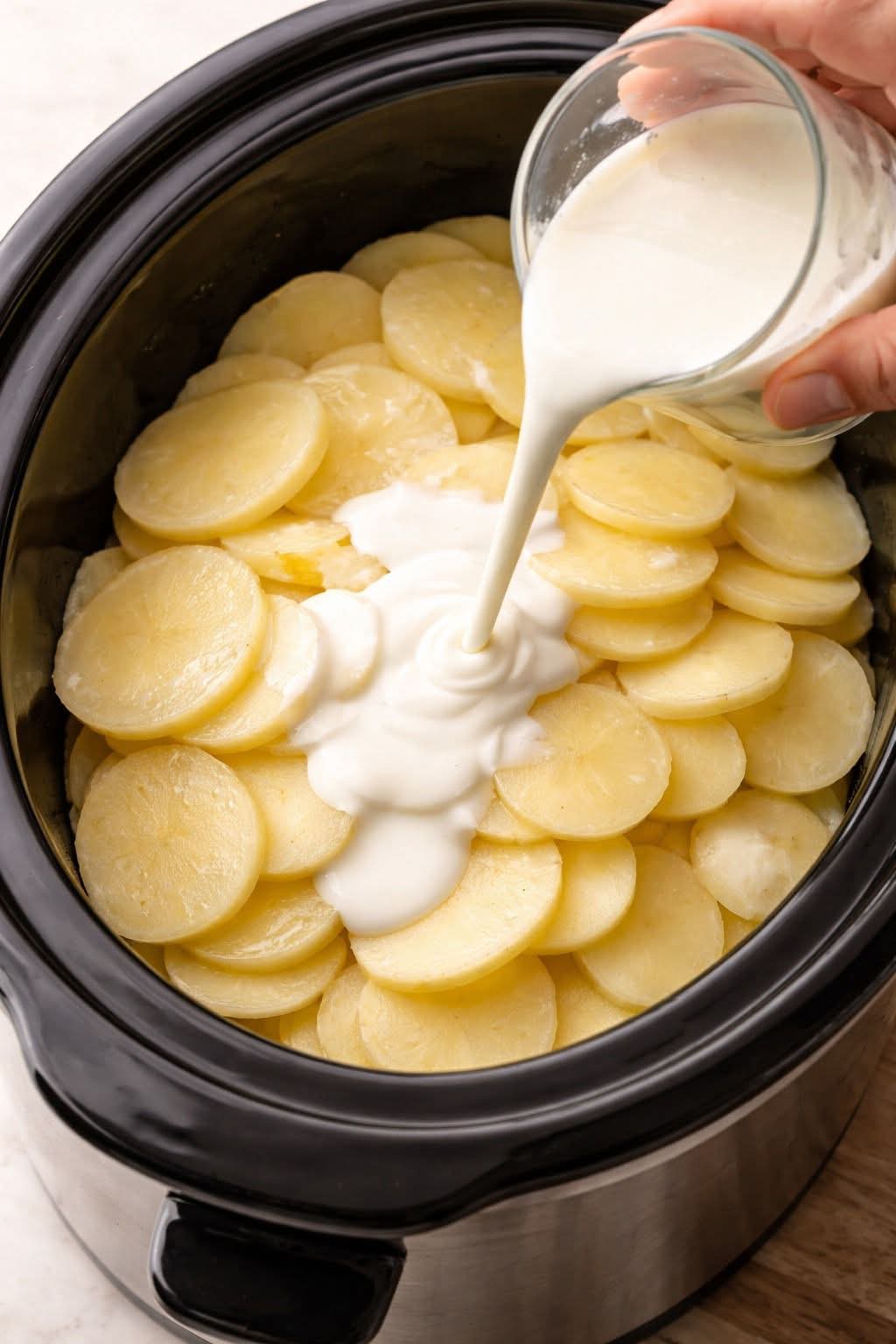
Slow Cooker 2 Ingredient Creamy Potatoes – The Easiest, Dreamiest Side Dish You’ll Ever Make
Yes – just potatoes and heavy cream. This slow cooker 2‑ingredient creamy potatoes recipe is the ultimate no‑fuss side dish. Set it and forget it for the creamiest, most delicious potatoes ever. Let’s be honest: side dishes are often an afterthought. You spend time on the main course – maybe a roast chicken, a pot…
-
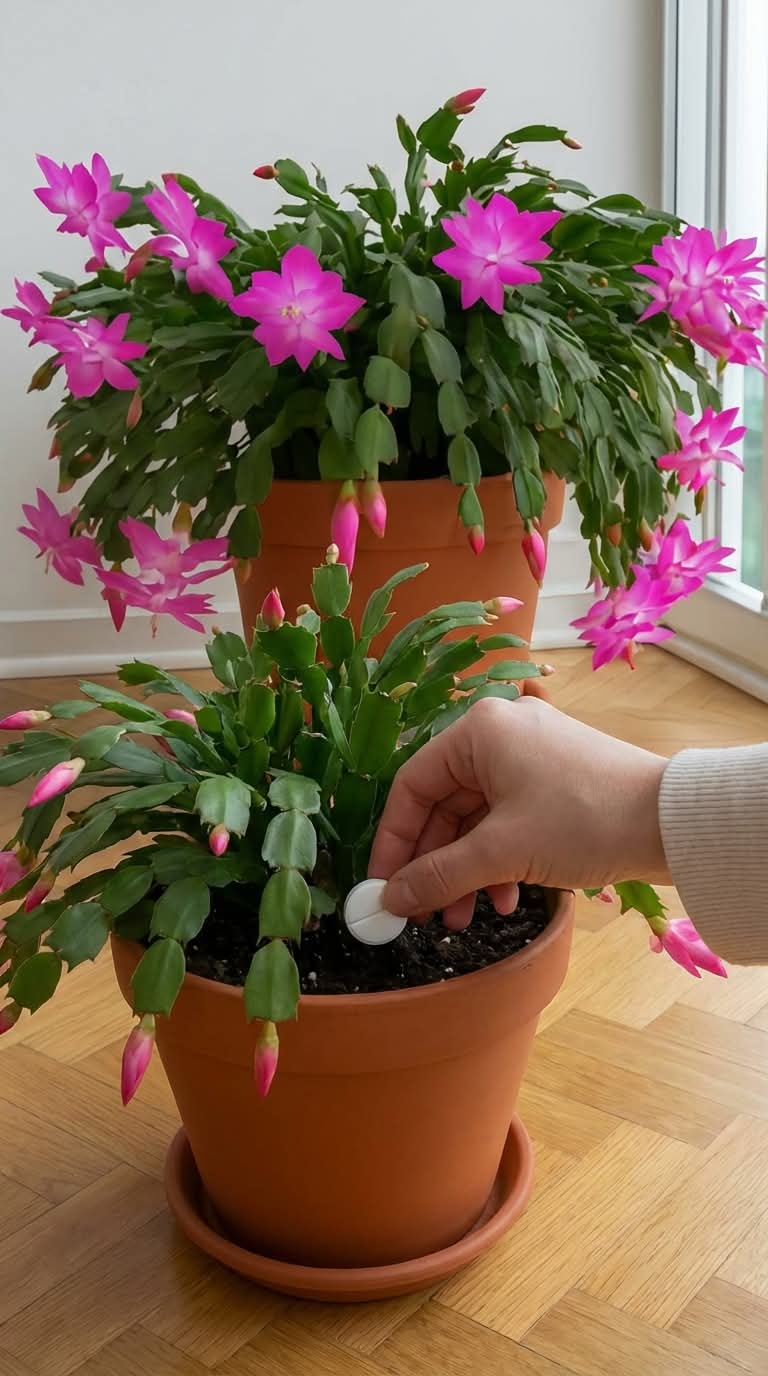
Florist’s Secret Plan How to Make a Christmas Cactus Bloom All Year Round
Want your Christmas cactus to bloom again and again? Learn the florist’s secrets – light control, temperature triggers, proper watering, and feeding. Get multiple blooms per year with this complete guide. Let’s be honest: the Christmas cactus (Schlumbergera) is one of the most stunning indoor plants you can own. When it blooms – covered in…
-
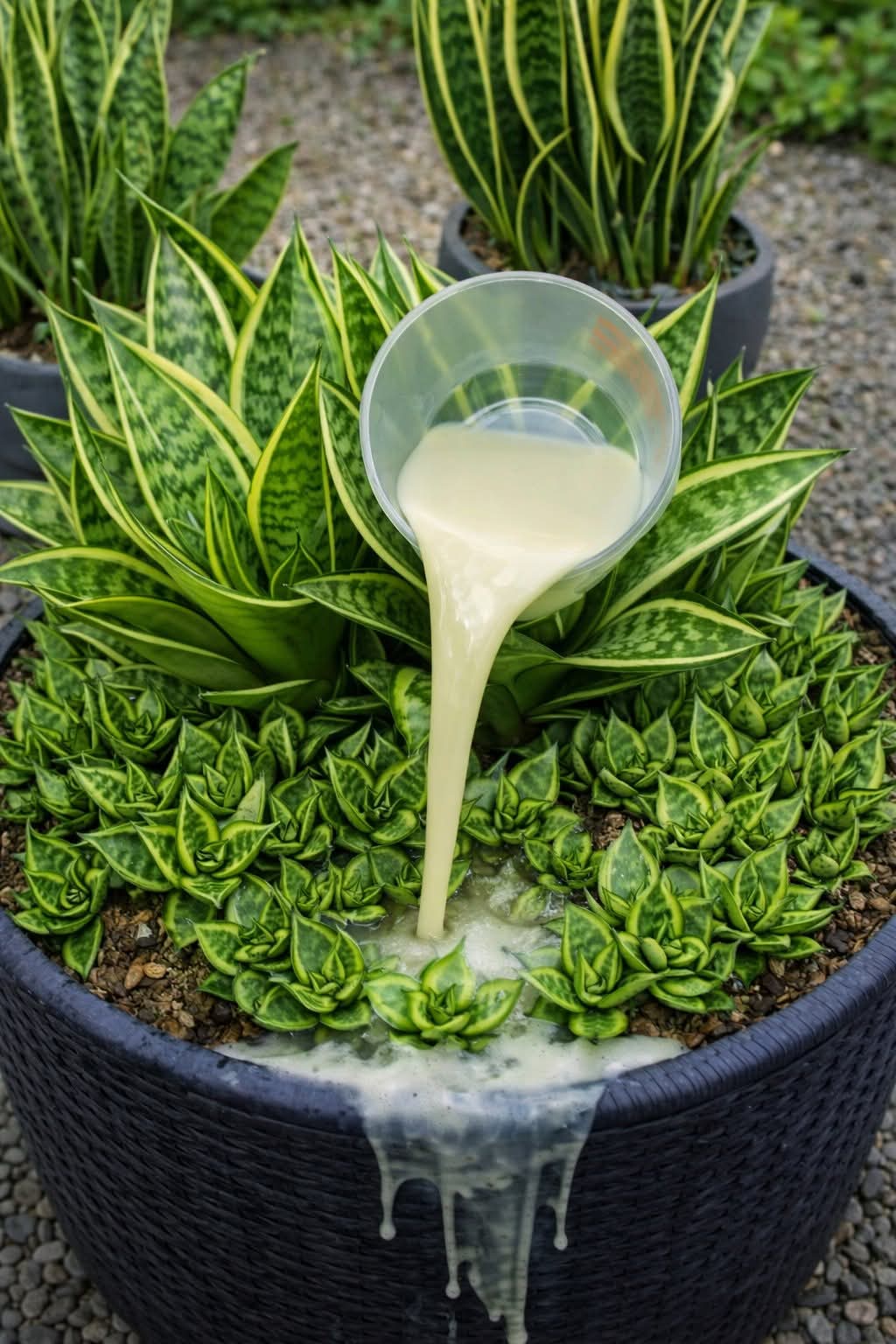
The Simple Secret That Made My Snake Plants Thrive Like a Nursery – No Risky DIY Mixes, Just Real Care
Want lush, vibrant snake plants? Skip the viral DIY potions. Learn the safe, proven secrets to make your Sansevieria grow thick and healthy – better than nursery plants. Let’s be honest: snake plants (Sansevieria, now reclassified as Dracaena) are famous for being nearly indestructible. They survive low light, neglect, and inconsistent watering. But there’s a…