
Did you know you can train your snake plant into a stunning spiral shape? Learn how to guide your Sansevieria into a living sculpture with this easy, step‑by‑step guide. Patience and care create a beautiful result!
Let me introduce you to the plant project that turns an ordinary snake plant into a breathtaking living sculpture.
Snake plants (Dracaena trifasciata, formerly Sansevieria) are beloved for their architectural, upright leaves and nearly indestructible nature. But have you ever imagined them twisting into a graceful spiral? It sounds like something out of a botanical fantasy, yet with a little patience and the right technique, you can train your snake plant into a stunning spiral shape.
When I first saw a spiraled snake plant online, I was mesmerized. I assumed it was either fake or required a degree in horticulture. Then I discovered that with a young, flexible plant, a simple support frame, and a gentle hand, anyone can create this eye‑catching form. The process is slow—think months, not days—but the result is a living work of art that becomes a conversation piece in any room.
In this guide, I’ll walk you through exactly how to grow a snake plant in a spiral shape, from choosing the right plant to maintaining its beautiful form. Whether you’re a seasoned plant parent or a curious beginner, this project is rewarding and surprisingly achievable.
Why Shape a Snake Plant?
Snake plants are already striking with their upright, sword‑like leaves. Shaping them into a spiral adds a new dimension:
· Unique focal point – A spiraled snake plant becomes a stunning centerpiece.
· Creative expression – It’s a blend of horticulture and artistry.
· Space‑saving – A compact spiral can fit beautifully on a shelf or table.
· Impressive gift – A hand‑shaped snake plant makes an unforgettable present.
The Best Snake Plant Varieties for Spiraling
Not all snake plants are equally suited to shaping. The key is to start with a young plant whose leaves are still flexible.
Variety Characteristics Best For
Sansevieria cylindrica Round, spear‑like leaves, naturally flexible Tight spirals and braiding
Sansevieria trifasciata ‘Laurentii’ Flat, sword‑shaped leaves with yellow margins Gentle curves, subtle spirals
Sansevieria ‘Zeylanica’ Dark green, slightly narrower leaves Gradual shaping
Sansevieria ‘Hahnii’ Compact rosette form Already cup‑shaped; easier to guide into a curve
Pro tip: Choose a plant that is young and actively growing. Mature leaves become stiff and are prone to snapping.
What You’ll Need
Gather these simple supplies before you begin:
· Healthy young snake plant – with pliable leaves
· Spiral support frame – pre‑made spiral stakes, heavy‑gauge wire bent into a spiral, or a reshaped tomato cage
· Soft plant ties – Velcro plant tape, foam‑coated wire, or strips of old pantyhose (avoid string or thin wire that can cut into leaves)
· Optional: Small clips, bamboo stakes for extra guidance
Step‑by‑Step Instructions
Step 1: Start with Young, Flexible Leaves
Select a snake plant that is still small and has leaves that bend easily. If your plant is mature, it’s better to propagate new pups and wait until they grow before shaping.
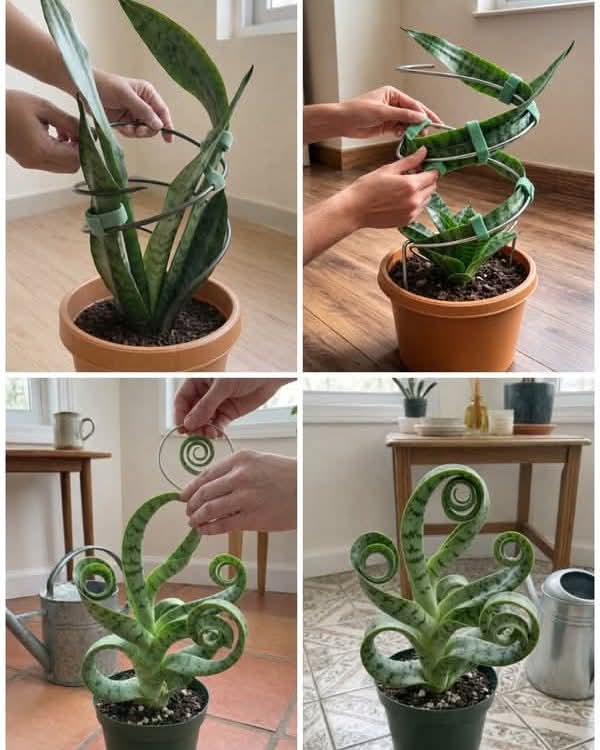
Step 2: Install the Spiral Support
Insert the spiral frame or wire into the soil close to the center of the plant. Be careful not to damage the roots. The frame should stand upright and be tall enough to accommodate the eventual height of the spiral.
Step 3: Gently Bend the Leaves
Starting with the longest, most flexible leaf, slowly curve it around the support. Work in small increments—do not force it. If a leaf feels resistant, stop and try again in a few days. The goal is to guide, not force.
Step 4: Secure with Soft Ties
Use soft plant ties to loosely attach the leaf to the frame at one or two points. The ties should be snug enough to hold the leaf in place but not so tight that they constrict growth or cut into the leaf.
Step 5: Train Gradually
Add one or two leaves at a time, working your way around the frame. Every 1–2 weeks, gently adjust the ties and guide new growth along the spiral path. New leaves that emerge should be trained immediately while they are still tender.
Step 6: Be Patient
Shaping takes time. You may see a defined curve after a few months, and a full spiral can take a year or more. Celebrate small progress and trust the process.
Pro Tips for a Perfect Spiral
- Rotate the Pot Regularly
Turn the pot a quarter turn every week so all sides receive equal light. This prevents the spiral from becoming lopsided.
- Maintain Healthy Leaves
A healthy plant shapes best. Provide bright, indirect light, water sparingly, and keep the leaves free of dust.
- Use Natural Rooting Aids
Some gardeners dust the base of the plant with cinnamon before starting, which can help reduce stress and prevent fungal issues.
- Support New Growth Immediately
As new leaves emerge from the center, gently guide them along the existing spiral before they harden.
- Be Prepared to Adjust Ties
As leaves grow, you’ll need to reposition the ties upward. Check every few weeks.
Alternative Methods
If the support frame method feels too structured, try these alternatives:
The Gradual Twist Method
Without a frame, gently twist each leaf a few degrees in the same direction each week. Over months, the cumulative twist creates a subtle spiral. This takes longer and requires consistency.
Light Positioning Method
Place the plant so the light source is slightly off‑center. As the leaves lean toward the light, rotate the pot regularly to create a gentle curve. Combine with gentle manual bending for best results.
Multi‑Plant Illusion
Plant 3–5 young cylindrical snake plants in a circle, angling each slightly inward. As they grow, they create the illusion of one spiraled plant.
Care During and After Shaping
Care Factor What to Do
Light Bright, indirect light; rotate weekly
Water Allow soil to dry completely between waterings
Fertilizer Use a balanced, diluted fertilizer once in spring and once in summer
Temperature Keep between 65–85°F (18–29°C); avoid cold drafts
Humidity Average indoor humidity is fine; occasional misting helps
Troubleshooting Common Problems
Problem Likely Cause Solution
Leaves snap or crack Bending too fast or leaves too mature Work with younger leaves; increase bending increments
Spiral is uneven Not rotating the pot Rotate weekly for even light exposure
Leaves won’t hold shape Removed ties too soon Keep ties on for several months until leaves harden
Plant looks weak or droopy Overwatering or insufficient light Adjust care; ensure soil dries out between waterings
New growth grows straight Missed window to train Train new leaves as soon as they emerge
Frequently Asked Questions
Q: Can I shape a mature snake plant?
A: It’s risky. Mature leaves are stiff and prone to breaking. Start with a young plant or propagate new pups and train them as they grow.
Q: How long does it take to see a defined spiral?
A: You may see a gentle curve in 2–3 months. A full, defined spiral typically takes 6–12 months of consistent training.
Q: Will the spiral hold if I remove the support?
A: If you leave the ties and frame in place for several months, the leaves will eventually harden in their new shape. Some leaves may spring back slightly; you can leave a central support in place permanently for a more defined look.
Q: Can I use this method on other succulents?
A: The same principles apply to other plants with flexible stems or leaves, such as some cacti and euphorbias. Always research the specific plant’s tolerance.
Q: What if my plant produces pups during shaping?
A: You can leave them to fill out the base, or gently separate and pot them separately. They will grow in their natural upright form unless you train them too.
Final Thoughts
Growing a snake plant in a spiral shape is one of the most rewarding plant projects you can undertake. It combines patience, care, and a touch of creativity to transform a humble houseplant into a living sculpture. Whether you choose the support frame method for a tight, geometric spiral or the gradual twist for a natural curve, the result is a unique plant that reflects your dedication and artistry.
Now it’s your turn! Have you ever shaped a snake plant? What method will you try? Share your experiences in the comments below.
And if you’re looking for more creative plant projects, check out our guides for Braiding Snake Plants, Propagating Sansevieria, and The Best Fertilizers for Snake Plants.
Happy shaping! 🌿🌀
Did you try growing a snake plant in a spiral? We’d love to see your creations! Leave a comment below and share your photos. Don’t forget to pin this guide for your next plant project.
More Ideas You Might Like
-
How to Grow a Snake Plant in a Spiral Shape: A Step‑by‑Step Guide
Did you know you can train your snake plant into a stunning spiral shape? Learn how to guide your Sansevieria into a living sculpture with this easy, step‑by‑step guide. Patience and care create a beautiful result! Let me introduce you to the plant project that turns an ordinary snake plant into a breathtaking living sculpture.…
-
Want Your Sansevieria to Bloom? Try This Simple Trick!
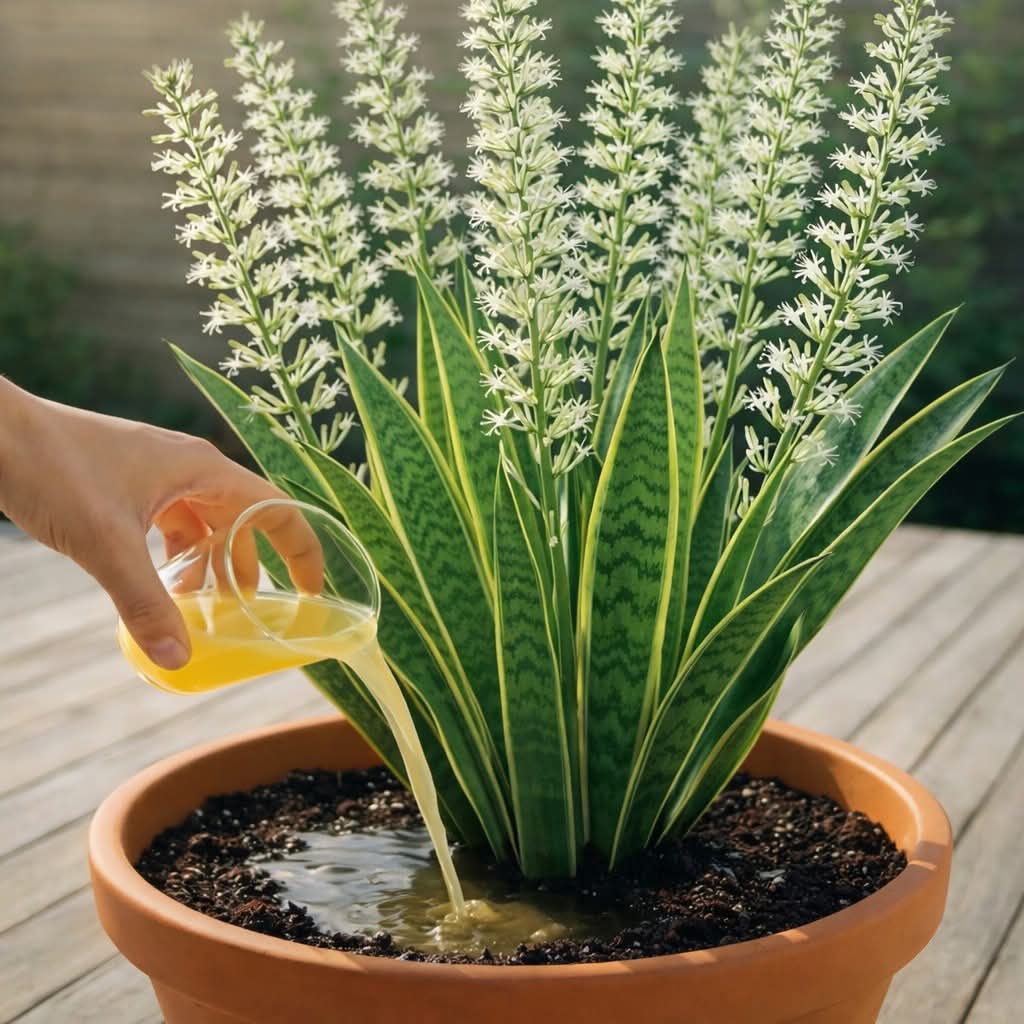
Did you know snake plants can bloom? Discover a simple natural trick using rice water or banana peel water to encourage your Sansevieria to produce rare, fragrant flowers. Easy, organic, and surprisingly effective. Introduction Let me share the secret that turned my snake plant from a green wallflower into a blooming beauty—and it might just…
-
🌿 Tips to Help Your Snake Plant Always Stay Strong and Healthy
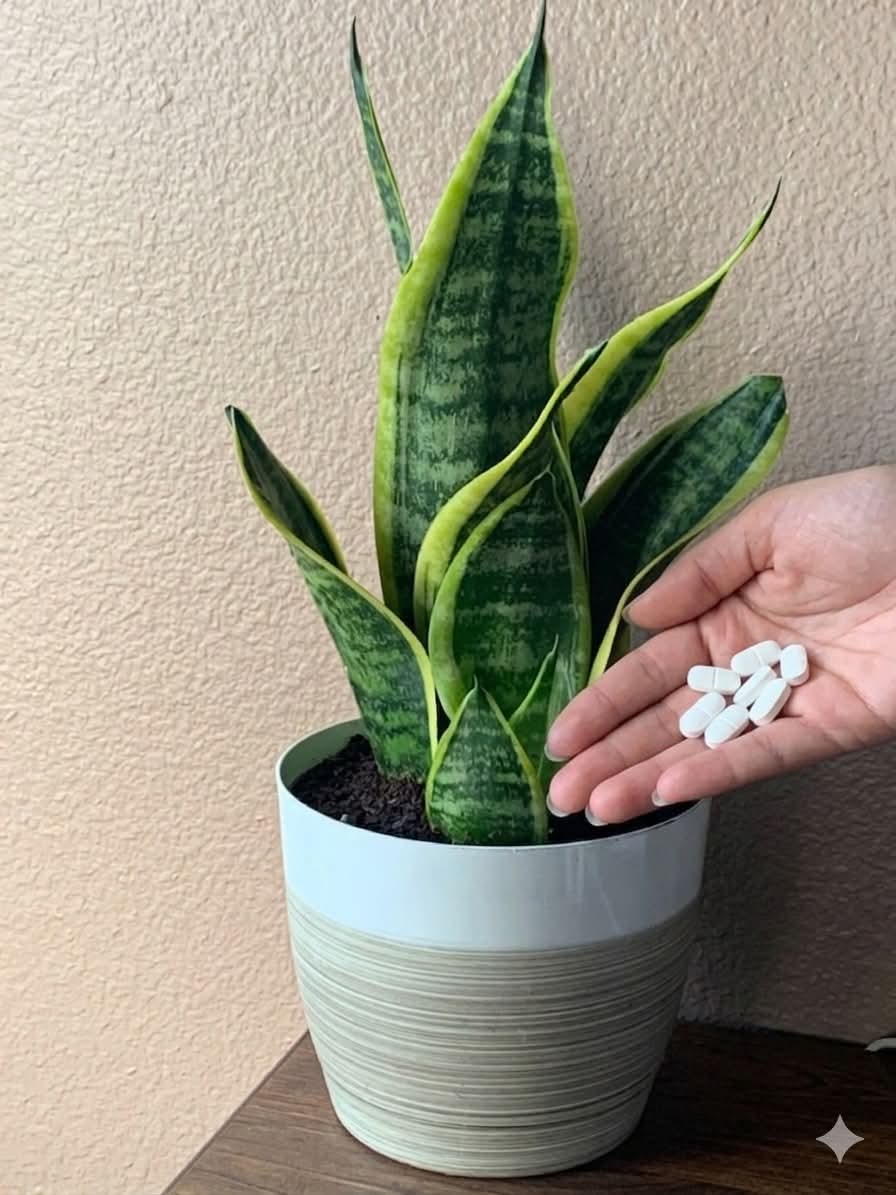
Discover essential tips to keep your snake plant thriving! From watering secrets to light requirements and natural fertilizers, learn how to grow a strong, healthy Sansevieria. Let me share the secrets that turned my snake plant from a surviving wallflower into a thriving, vigorous beauty. Snake plants (Dracaena trifasciata, formerly Sansevieria) are famous for being…