
Is your ZZ plant looking stuck or slow to grow? This simple homemade leaf spray cleans dust, adds shine, and supports healthier growth. Easy recipe with neem oil for pest protection.
Let me share the simple spray that brought my once‑dormant ZZ plant back to life.
ZZ plants (Zamioculcas zamiifolia) are famous for being nearly indestructible. They tolerate low light, infrequent watering, and general neglect. But sometimes, even the toughest plants can look… stuck. You know the feeling: no new shoots, leaves that look a little dull, and a plant that just seems to be sitting there, not growing.
I’ve been there. My ZZ plant was healthy enough, but it hadn’t produced a new stem in over a year. I tried moving it to brighter light, adjusting water, even talking to it. Nothing seemed to spark new growth.
Then I learned about a simple leaf spray that cleans the leaves, adds a touch of moisture, and can help protect against pests. The recipe uses just a few household ingredients: water, mild soap, and neem oil. Within a few weeks of regular misting, my ZZ plant looked glossier, felt healthier, and finally pushed out two new shoots.
This isn’t a magic potion—ZZ plants are naturally slow growers. But this spray can help your plant look its best and create conditions that support steady, healthy growth. In this guide, I’ll show you exactly how to make and use it, plus everything you need to know about keeping your ZZ plant thriving.
Why Your ZZ Plant Might Look “Stuck”
Before we dive into the spray, let’s understand why ZZ plants sometimes stall.
Problem What You’ll See Likely Cause
Dust buildup Dull, lackluster leaves Dust blocks light absorption
Low light Slow growth, small leaves ZZ plants survive in low light but grow faster in bright indirect light
Overwatering Yellow leaves, soft stems, root rot ZZ plants store water in rhizomes; they need dry soil between waterings
Underwatering Wrinkled stems, drooping leaves Extended drought; ZZ plants are drought‑tolerant but not immortal
Nutrient deficiency Pale leaves, no new growth Depleted soil; needs occasional feeding
Pests Sticky residue, tiny insects (rare but possible) Scale, mealybugs, or fungus gnats
The leaf spray addresses two of these: dust buildup (by cleaning leaves) and pests (with neem oil). It also adds a light moisture layer that can help leaves stay supple without overwatering the soil.
The Simple Leaf Spray Recipe
This gentle spray cleans dust from leaves, adds a healthy shine, and can help deter common houseplant pests.
🌿 Ingredients:
· 1 cup water (room temperature, filtered if possible)
· 2–3 drops mild liquid soap (castile soap or dish soap without degreasers)
· ½ teaspoon neem oil (optional but highly recommended)
🧴 Instructions:
- Pour the water into a clean spray bottle.
- Add the liquid soap and neem oil (if using).
- Shake well before each use.
- Lightly mist the leaves—both the tops and undersides.
- Use once every 1–2 weeks.
- After spraying, gently wipe leaves with a soft cloth to remove dust and distribute the mixture evenly.
🌼 How Often to Use:
· Once every 1–2 weeks during the growing season (spring and summer)
· Once a month during fall and winter (reduced growth period)
⚠️ Important:
· Do not over‑spray. ZZ plants don’t like excess moisture on leaves for long periods.
· Always spray in the morning so leaves dry during the day. Never spray at night.
· Avoid spraying the soil directly; the plant prefers dry soil.
Why This Spray Works
- Removes Dust – Unlocks Light Absorption
Dust buildup on leaves acts like a blanket, blocking sunlight and reducing photosynthesis. A clean leaf can absorb up to 30% more light, which translates to more energy for growth.
- Adds a Gentle Shine
The soap and neem oil leave a thin, protective layer that makes leaves look glossy and healthy. This isn’t just cosmetic—a healthy leaf surface is more resistant to pests and disease.
- Natural Pest Protection (Neem Oil)
Neem oil is a natural, plant‑based insecticide and fungicide. It deters common houseplant pests like spider mites, mealybugs, scale, and fungus gnats. It also helps prevent powdery mildew.
- Improves Leaf Health
Misting (without overdoing it) can increase humidity around the leaves, which ZZ plants appreciate, especially in dry indoor air. Healthier leaves support stronger growth.
Pro Tips for Using the Leaf Spray
- Use a Soft Cloth
After misting, gently wipe each leaf with a soft, lint‑free cloth (microfiber or old cotton t‑shirt). This removes dust and spreads the mixture evenly. Support the leaf from underneath to avoid bending.
- Don’t Spray New Shoots
Very young, unfurling leaves are more sensitive. Wait until they’ve hardened off before spraying.
- Test on One Leaf First
If you’re using neem oil for the first time, test on a single leaf and wait 24 hours to ensure no adverse reaction.
- Shake Before Every Use
The soap and oil can separate. Shake vigorously each time to emulsify the mixture.
- Store Properly
Keep the spray bottle in a cool, dark place. Use within 2–3 weeks; after that, the neem oil may degrade. Make fresh batches for best results.
- Combine with Proper Care
The spray is a supplement, not a cure‑all. Ensure your ZZ plant also receives:
· Bright, indirect light – ZZ plants grow fastest near an east or north window, or a few feet back from a south or west window.
· Infrequent watering – Let the soil dry completely between waterings. In low light, this can be every 3–4 weeks.
· Well‑draining soil – Use cactus/succulent mix or add perlite to regular potting soil.
· Occasional feeding – Fertilize once in spring and once in summer with a balanced, diluted fertilizer.
Beyond the Spray: How to Encourage Growth
ZZ plants are naturally slow growers, but you can speed them up with a few adjustments.
- Light Is the #1 Factor
If your ZZ is in a dark corner, it will survive but not thrive. Move it closer to a window. An east‑facing window is ideal. If you only have north‑facing windows, consider a full‑spectrum grow light.
- Pot Size Matters
ZZ plants like to be slightly root‑bound. If the pot is too large, the plant will focus on filling the pot with roots instead of growing new shoots. Only repot when roots are visible at the drainage holes or the pot cracks.
- Gentle Fertilizer
Use a balanced, water‑soluble fertilizer (like 10-10-10) diluted to half strength. Apply once in early spring and once in midsummer. Do not fertilize in fall or winter.
- Propagate for a Fuller Look
If your plant is sparse, you can propagate new plants from leaf cuttings or by dividing rhizomes. This won’t make the original plant grow faster, but it will give you a fuller pot.
Troubleshooting Common ZZ Plant Problems
Problem Likely Cause Solution
Yellow leaves Overwatering Let soil dry completely; check for root rot
Wrinkled stems Underwatering Water deeply; soil may be too dry
Brown, crispy leaf edges Low humidity or salt buildup Increase humidity; flush soil with water
No new growth for months Low light, root‑bound, or winter dormancy Move to brighter spot; wait until spring
Sticky residue or white fuzz Pests (scale, mealybugs) Treat with neem oil or insecticidal soap
Drooping stems Overwatering or underwatering Check soil moisture; adjust accordingly
Frequently Asked Questions (FAQs)
Q: Can I use this spray on other houseplants?
A: Yes! It’s safe for most foliage plants. Avoid spraying fuzzy‑leaved plants (like African violets) as moisture can cause rot. Test on a small area first.
Q: What if I don’t have neem oil?
A: You can use just water and soap. The spray will still clean leaves and add shine. For pest prevention, neem oil is best, but you can also use insecticidal soap.
Q: Can I use dish soap instead of castile soap?
A: Yes, use a mild, biodegradable dish soap without degreasers or antibacterial agents. A few drops are plenty.
Q: How often should I water my ZZ plant?
A: In bright light, water every 2–3 weeks. In low light, every 4–6 weeks. Always check that the top 2 inches of soil are dry before watering.
Q: Will the spray make my ZZ plant grow faster?
A: Indirectly. Clean leaves absorb more light, which supports photosynthesis and energy production. Combined with proper light and care, it can encourage growth, but ZZ plants remain slow growers.
Q: My ZZ plant has a new shoot that’s very pale. Is that normal?
A: Yes. New shoots often emerge pale green or even whitish. They will darken as they mature. Give them bright, indirect light.
Q: Can I use this spray on the soil?
A: Avoid spraying the soil directly. The soap and oil can disrupt soil microbes and may harm the plant if overused.
A Sample ZZ Plant Care Calendar
Season Tasks
Spring Move to brighter light; begin leaf spray every 2 weeks; fertilize once; check for pests
Summer Continue spray every 2 weeks; water as needed; enjoy new growth
Autumn Reduce watering; stop fertilizing; continue spray once a month
Winter Water very sparingly; stop spraying or reduce to once monthly if indoor air is very dry; keep in bright light
Final Thoughts: A Little TLC Goes a Long Way
ZZ plants are some of the most forgiving houseplants you can own. They don’t ask for much—just a little light, occasional water, and a clean set of leaves. This simple leaf spray is an easy way to show your ZZ some love, keeping its leaves glossy, dust‑free, and pest‑resistant.
While it won’t turn your ZZ into a fast‑growing vine, it can help it look its best and create the conditions for steady, healthy growth. And when that first new shoot finally emerges, you’ll know your care is paying off.
Now it’s your turn! Have you tried a leaf spray on your ZZ plant? What’s your secret for keeping it happy? Share your tips in the comments below.
And if you’re looking for more houseplant care guides, check out our articles on ZZ Plant Propagation, Best Soil for ZZ Plants, and How to Clean Houseplant Leaves.
Happy growing! 🌿✨
Did you try this spray on your ZZ plant? We’d love to see your glossy, happy plant! Leave a comment below and share your photos. Don’t forget to pin this guide for your plant care routine.
More Ideas You Might Like
-
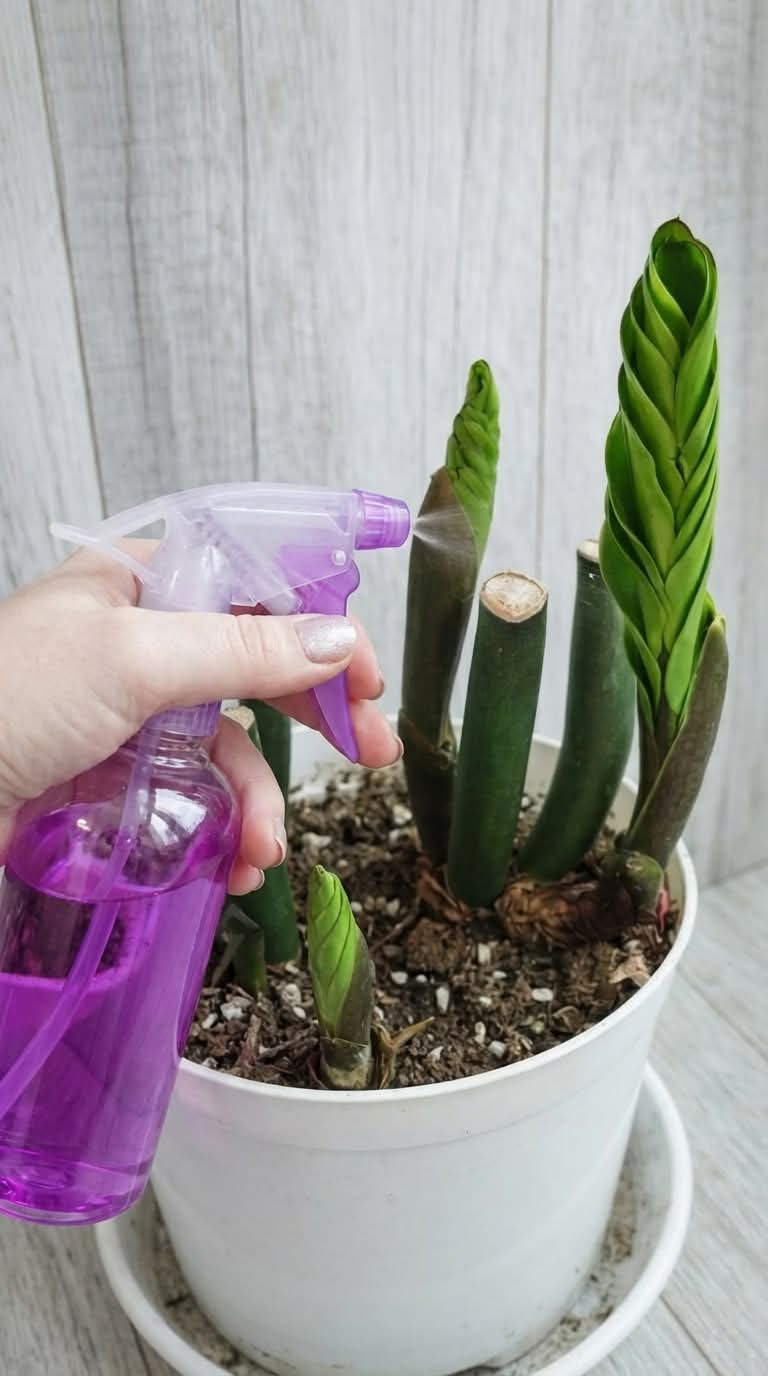
Just a Few Sprays of This Simple Mix… And Your ZZ Plant Wakes Up!
Is your ZZ plant looking stuck or slow to grow? This simple homemade leaf spray cleans dust, adds shine, and supports healthier growth. Easy recipe with neem oil for pest protection. Let me share the simple spray that brought my once‑dormant ZZ plant back to life. ZZ plants (Zamioculcas zamiifolia) are famous for being nearly…
-
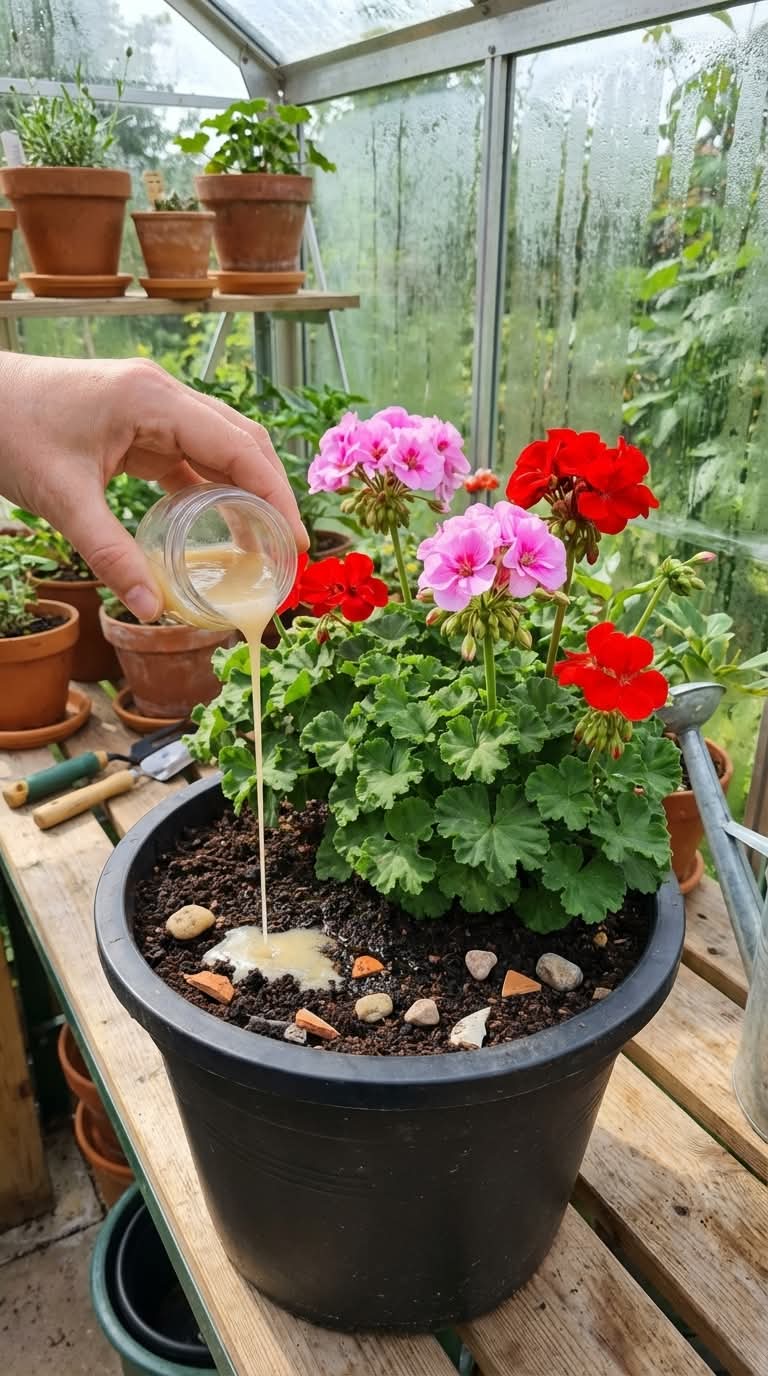
The Simple Trick That Makes Your Geraniums Bloom Bigger and Brighter – A Complete Guide
Want bigger, brighter geranium blooms? Discover the simple homemade sugar and lemon trick that boosts flowering, plus expert care tips for nonstop color all season long. Let me share the little secret that turned my average geraniums into show-stopping beauties. I’ve always loved geraniums. Their bright clusters of red, pink, white, and salmon flowers are…
-
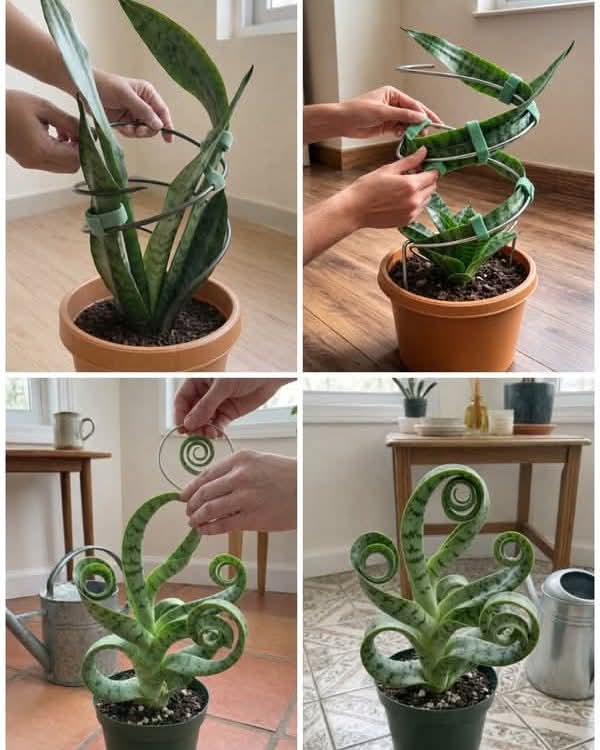
How to Grow a Snake Plant in a Spiral Shape: A Step‑by‑Step Guide
Did you know you can train your snake plant into a stunning spiral shape? Learn how to guide your Sansevieria into a living sculpture with this easy, step‑by‑step guide. Patience and care create a beautiful result! Let me introduce you to the plant project that turns an ordinary snake plant into a breathtaking living sculpture.…