
Want lush, vibrant snake plants? Skip the viral DIY potions. Learn the safe, proven secrets to make your Sansevieria grow thick and healthy – better than nursery plants.
Let’s be honest: snake plants (Sansevieria, now reclassified as Dracaena) are famous for being nearly indestructible. They survive low light, neglect, and inconsistent watering. But there’s a big difference between “surviving” and “thriving.”
If you’ve ever wondered how some people grow lush, dense snake plants that look professionally cared for – standing tall, vibrant green, and pushing out new pups like crazy – the truth is often much simpler than you think. It’s not a secret potion you saw on social media. It’s not pouring milk, sugar water, or leftover cooking liquids into the soil.
The real secret is consistent, proper care – good soil, correct watering, occasional feeding, and patience. That’s it.
In this guide, I’ll break down exactly why snake plants sometimes struggle, what actually works to make them thrive, and which viral “miracle tricks” you should absolutely avoid. No hype. Just practical, proven advice that will transform your snake plant from surviving to flourishing.
Let’s get growing.
Why Snake Plants Sometimes Struggle – The Real Reasons
Even though they’re hardy, snake plants can still look:
· Thin or sparse – leaves falling over, not standing upright
· Slow‑growing – no new pups or leaf growth for months
· Dull or pale – yellowing edges, brown tips, faded color
· Stunted – stuck at the same size for years
This usually happens because of:
Problem Cause
Poor soil nutrients Old, depleted potting mix or wrong soil type
Overwatering The #1 killer of snake plants – roots rot
Underwatering Leaves become wrinkled and dry
Lack of light Too dim – growth slows to a crawl
Rootbound No space for new growth
Wrong pot No drainage holes → soggy soil
The good news? Every single one of these is fixable.
The “Simple Secret” Explained – What You See Online vs. Reality
You’ve probably seen viral videos or images of someone pouring a mysterious liquid into a snake plant pot. The captions scream:
“This one ingredient makes snake plants grow like crazy!”
“Better than nursery fertilizer – all natural!”
“Pour this and watch your plant explode with growth!”
Here’s the truth: many of those DIY mixtures are risky and can kill your plant.
Common “natural” ingredients people pour on snake plants:
Ingredient Risk
Milk Sours, smells, causes mold and root rot
Sugar water Feeds bacteria, attracts ants and fungus gnats
Rice water Ferments, creates foul odor, can burn roots
Coffee grounds Too acidic, compacts soil, blocks drainage
Eggshell water Minimal benefit – calcium not a primary need
Cooking water (pasta, vegetables) Contains salt and oils – harmful
👉 These are not safe, reliable, or effective. They might show a temporary effect (or none at all), but long‑term they cause more harm than good.
The real simple secret to thriving snake plants isn’t a secret at all: it’s proper, consistent care using proven methods.
What Actually Works (Safely and Effectively)
Here are the proven, science‑backed ways to boost snake plant growth – no risky DIY mixtures required.
🌿 1. Use a Balanced Liquid Fertilizer (The Right Way)
Snake plants are light feeders, but they still need nutrients.
· What to use: A balanced, water‑soluble houseplant fertilizer (like 10-10-10 or 20-20-20). You can also use a specific succulent/cactus fertilizer.
· How often: Feed once every 4–6 weeks during spring and summer (growing season). Do not fertilize in fall and winter – the plant is resting.
· Dilution: Always dilute to half strength or less. Snake plants burn easily from over‑feeding. A common recipe: ¼ teaspoon of fertilizer per gallon of water.
· How to apply: Water the plant first with plain water, then apply the diluted fertilizer solution. This prevents root burn.
Why this works: Fertilizer provides the three primary macronutrients – nitrogen (N) for leaf growth, phosphorus (P) for roots, and potassium (K) for overall health. Unlike kitchen scraps, it’s balanced, predictable, and safe.
🪴 2. Improve Soil Quality – The Foundation of Health
Snake plants need well‑draining soil that dries out quickly. Heavy, moisture‑retentive soil is a death sentence.
· Best mix: Cactus / succulent potting mix. These are specifically formulated to drain fast.
· DIY mix: Combine 2 parts all‑purpose potting soil + 1 part perlite or coarse sand + 1 part orchid bark. This creates a chunky, airy texture.
· Why not regular potting soil alone? It stays wet too long, leading to root rot.
Pro tip: When repotting, gently remove as much old soil as possible from the roots. Inspect for rot (brown, mushy roots) and trim away any dead material.
💧 3. Water the Right Way – The #1 Most Important Skill
Overwatering is the single most common cause of snake plant death.
· When to water: Only when the soil is completely dry all the way through. Stick your finger 2 inches into the soil – if it feels dry, water. If it’s even slightly damp, wait.
· How often: In bright light, about every 2–3 weeks. In low light, every 4–6 weeks. Always check the soil, not the calendar.
· How to water: Water thoroughly until it runs out the drainage holes. Then empty the saucer – never let the plant sit in standing water.
· Seasonal adjustment: Water much less in winter (once a month or even less).
Signs of overwatering: Yellowing leaves, soft mushy base, drooping, foul smell from soil.
Signs of underwatering: Wrinkled, curling leaves, brown crispy tips.
☀️ 4. Give Bright, Indirect Light – More Light = Faster Growth
Snake plants are famous for tolerating low light, but “tolerate” is not “thrive.”
· Best light: Bright, indirect sunlight – near an east or west window. A few hours of gentle morning sun is great.
· Acceptable: Medium light (a few feet from a window). Growth will be slower.
· Poor: Low light (a dark corner). The plant will survive but barely grow. Leaves may become leggy and flop over.
· Avoid: Harsh direct afternoon sun – it can scorch leaves, causing brown patches.
Pro tip: Rotate your pot every few weeks so all sides receive light. This prevents the plant from leaning.
✂️ 5. Divide and Repot – Create a Fuller Look
If your snake plant looks sparse or crowded, dividing and repotting can transform it.
· When to repot: Every 2–3 years, or when roots are growing out of the drainage holes or pushing the plant up out of the pot.
· How to divide: Gently remove the plant from its pot. Use a clean, sharp knife to cut through the root ball, separating clusters of leaves (pups) from the mother plant. Each division should have its own roots.
· Repotting: Place divisions in fresh potting mix. Do not water for a few days to allow cut roots to heal.
· Combine multiple plants: To achieve that lush, full “nursery” look, plant several small snake plants together in one larger pot. They will grow into a dense cluster.
How to Get That “Nursery Look” – Professional Tips
Nursery plants look so good because they optimize every factor. Here’s how you can do the same at home.
Factor Nursery Practice Your Takeaway
Light High‑intensity grow lights or greenhouses Give brightest indirect light possible
Soil Specialized fast‑draining mixes Use cactus/succulent soil + perlite
Feeding Regular, balanced, diluted fertilizer Fertilize every 4–6 weeks in growing season
Water Perfectly timed – dry between waterings Check soil, don’t guess
Density Multiple plants per pot Plant several together for fullness
Cleanliness Leaves wiped regularly Dust leaves with damp cloth monthly
Rotation Even light exposure Rotate pot weekly
The “instant full look” trick: Instead of waiting for one plant to produce pups (which can take years), buy 3–4 small snake plants from a nursery and plant them together in a single decorative pot. They will grow into a thick, lush cluster much faster.
What to Avoid – Dangerous Viral “Tricks” That Harm Snake Plants
Social media is full of bad advice. Here’s what to never do.
❌ Pouring Milk or Sugary Liquids
· Why it’s bad: Milk sours, creates a foul smell, and encourages mold and bacteria. Sugar feeds fungus gnats and causes root rot.
· Result: Dead plant.
❌ Using Coffee Grounds as Fertilizer
· Why it’s bad: Coffee grounds are acidic and can lower soil pH too much for snake plants. They also compact soil, reducing drainage.
· Result: Stunted growth, yellow leaves.
❌ Adding Eggshells to Soil
· Why it’s bad: Eggshells break down very slowly (months to years). They don’t provide immediate calcium and can attract pests.
· Result: Minimal benefit, potential for rotting shells.
❌ Overfeeding with Any Fertilizer
· Why it’s bad: Too much fertilizer burns roots, causing brown leaf tips and yellowing.
· Result: Weak plant that may die.
❌ Using Non‑Draining Pots
· Why it’s bad: Water pools at the bottom, roots sit in moisture, rot develops.
· Result: Foul smell, mushy base, plant collapse.
Natural (Safe) Alternatives to Commercial Fertilizer
If you prefer natural options, these are safer than kitchen waste – but still use sparingly.
Natural Option How to Use Effectiveness
Compost tea Dilute until pale brown. Use once a month. Good – provides broad nutrients
Worm castings Mix 1 tablespoon into top inch of soil. Water in. Excellent – gentle, slow‑release
Seaweed extract Follow label dilution. Use monthly. Good – trace minerals and growth hormones
Fish emulsion Dilute to half strength. Use sparingly – smell fades. Excellent – high nitrogen
👉 None of these should be used as a replacement for balanced fertilizer long‑term. They are supplements.
Troubleshooting Common Snake Plant Problems
Problem Likely Cause Solution
Yellow leaves Overwatering Stop watering, check roots for rot, repot if needed
Brown, crispy tips Underwatering or fluoride in tap water Water thoroughly; use filtered or distilled water
Leaves falling over Too tall/leggy (low light) or root rot Provide brighter light; check for rot
No growth for months Too little light, cold temps, or rootbound Move to brighter spot, repot if crowded
Mushy base, foul smell Advanced root rot Discard – salvage healthy leaves for propagation
White powdery spots on leaves Hard water mineral deposits Wipe with diluted vinegar solution (1:10)
Frequently Asked Questions (FAQs)
Q: Can I use banana peel water for snake plants?
It’s not recommended. Banana peels decompose slowly and can attract fruit flies. The potassium benefit is minimal. Use a balanced fertilizer instead.
Q: How often should I fertilize my snake plant?
Once every 4–6 weeks during spring and summer. Do not fertilize in fall and winter. Always dilute to half strength.
Q: Why are my snake plant leaves curling?
Curling usually indicates underwatering. Check soil – if bone dry, water thoroughly. If soil is wet, roots may be rotted.
Q: Can I put my snake plant outside in summer?
Yes, but acclimate slowly. Place in bright shade (no direct sun). Bring back inside before temperatures drop below 50°F (10°C).
Q: How do I make my snake plant grow taller?
More light and regular feeding during growing season. Some varieties naturally stay compact; tall varieties like Sansevieria trifasciata ‘Laurentii’ can reach 3–4 feet.
Q: Is it true snake plants release oxygen at night?
Yes – they use a different photosynthetic pathway (CAM) that allows them to open stomata at night. But the amount of oxygen is small. Still, they make excellent bedroom plants.
Q: My snake plant has a pup (baby). When do I remove it?
Wait until the pup is at least 4–6 inches tall with its own roots. Use a clean knife to separate, then pot in fresh soil.
Q: Can I grow snake plants in water?
Yes, but it’s not ideal long‑term. Water‑grown roots are different from soil roots. They can survive in water but won’t thrive as well.
The Truth About “Miracle” Tricks – Final Reality Check
You’ll often see claims like:
· “This one ingredient changes everything”
· “Grow plants instantly”
· “Better than nurseries”
👉 Reality check: Healthy plants come from consistent, proper care – not one‑time hacks. There is no magic potion. There is no substitute for good soil, correct watering, adequate light, and occasional feeding.
The people with beautiful, thriving snake plants didn’t find a secret recipe on TikTok. They learned the basics and applied them patiently. That’s the real secret.
Final Thoughts – Your Snake Plant Deserves Real Care
The simple secret to making your snake plants look like nursery specimens is not a mysterious liquid you pour into the soil. It’s the daily, weekly, and monthly habits of good plant parenting.
· Use well‑draining soil.
· Water only when dry – never on a schedule.
· Give bright, indirect light.
· Feed lightly and consistently during growing season.
· Divide and repot when crowded.
· Avoid risky DIY mixtures that do more harm than good.
Stick to these basics, and your snake plants will absolutely look just as good – if not better – than those in nurseries. They’ll reward you with lush, vibrant leaves, steady growth, and maybe even a surprise flower spike (yes, snake plants can bloom!).
Now it’s your turn! Have you tried any viral “plant hacks” that backfired? What’s your go‑to routine for snake plant care? Drop a comment below – I’d love to hear your experience.
And if you found this guide helpful, share it with a fellow plant parent who’s been tempted by risky DIY mixes. Pin it for later, and subscribe to our newsletter for more no‑hype, practical plant care advice.
Stay green, stay patient, and keep growing. 🌿✨
More Recipes You Might Like
-
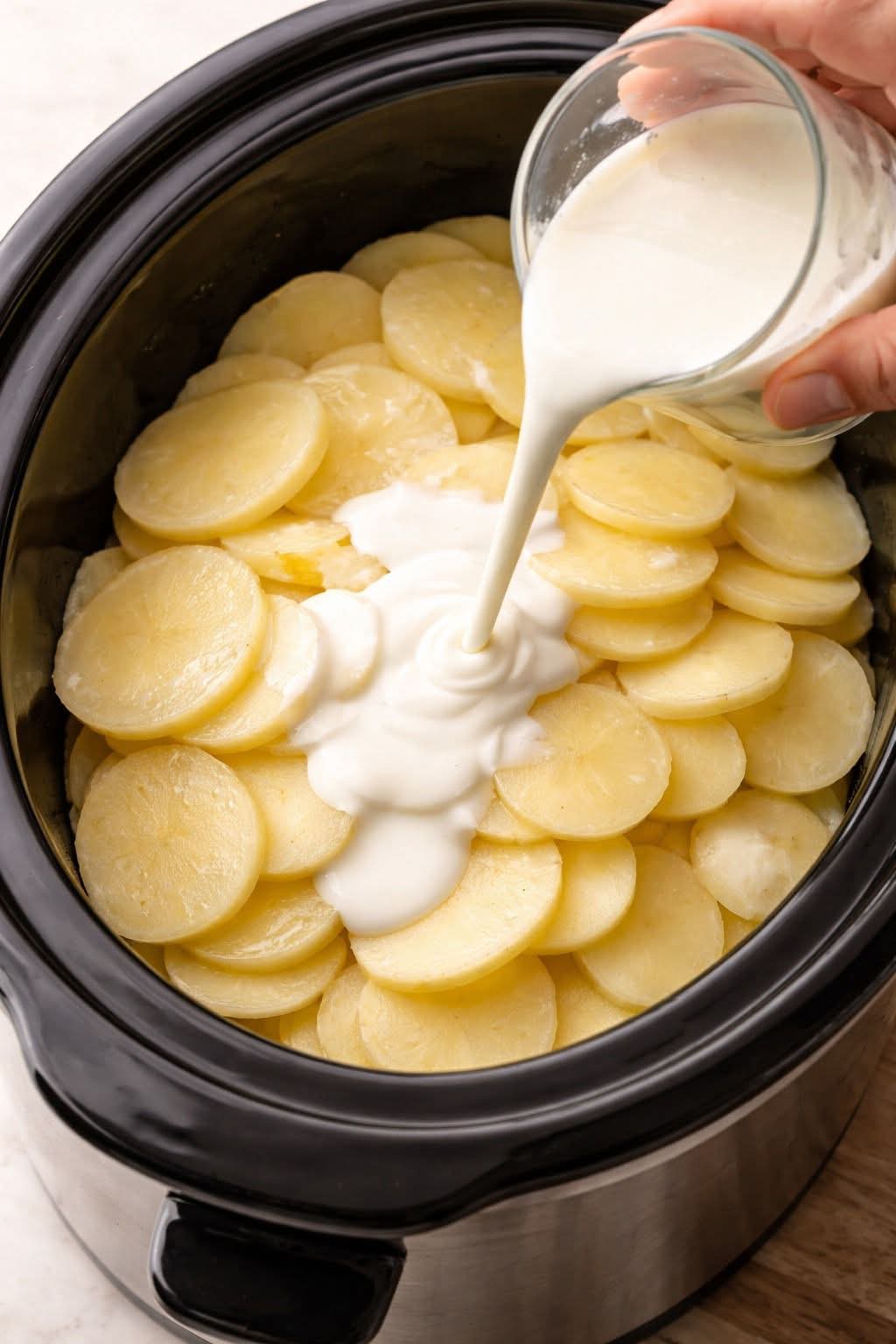
Slow Cooker 2 Ingredient Creamy Potatoes – The Easiest, Dreamiest Side Dish You’ll Ever Make
Yes – just potatoes and heavy cream. This slow cooker 2‑ingredient creamy potatoes recipe is the ultimate no‑fuss side dish. Set it and forget it for the creamiest, most delicious potatoes ever. Let’s be honest: side dishes are often an afterthought. You spend time on the main course – maybe a roast chicken, a pot…
-
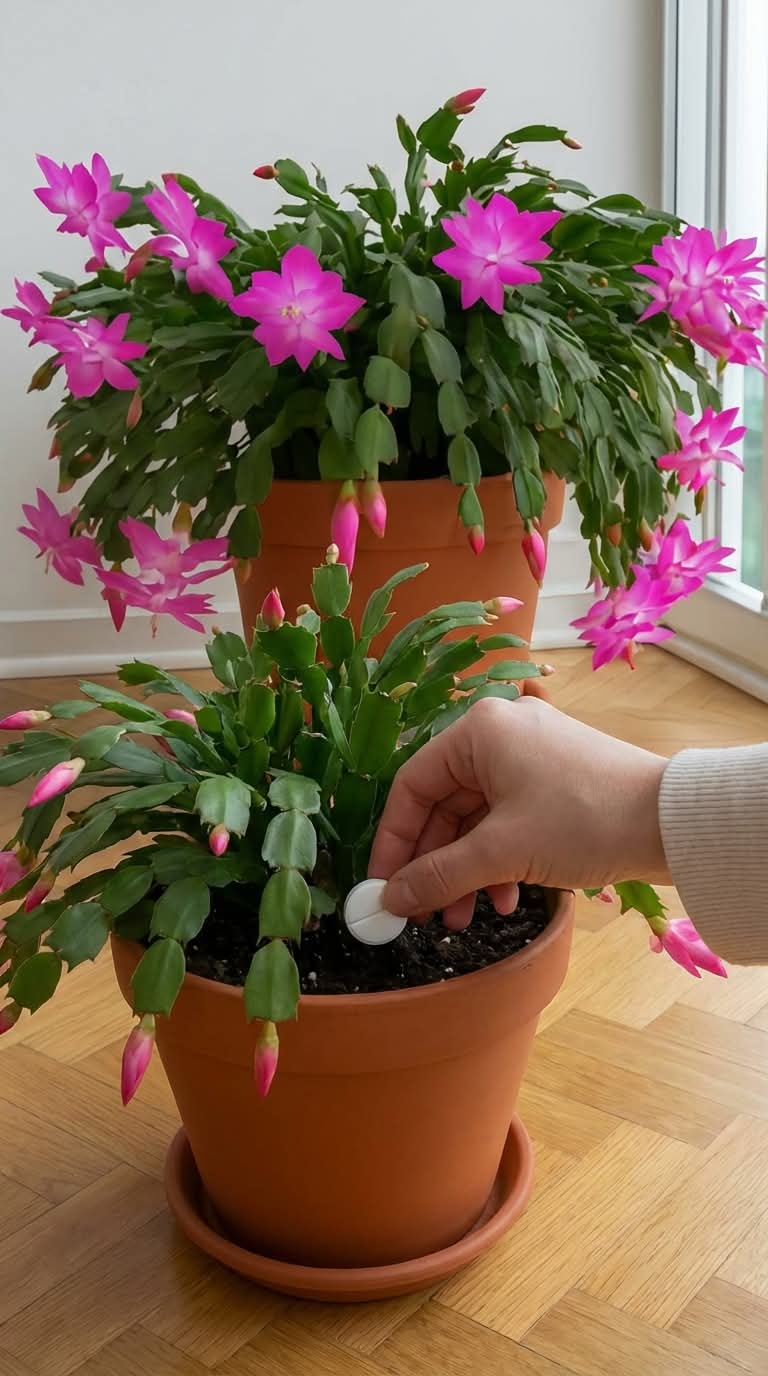
Florist’s Secret Plan How to Make a Christmas Cactus Bloom All Year Round
Want your Christmas cactus to bloom again and again? Learn the florist’s secrets – light control, temperature triggers, proper watering, and feeding. Get multiple blooms per year with this complete guide. Let’s be honest: the Christmas cactus (Schlumbergera) is one of the most stunning indoor plants you can own. When it blooms – covered in…
-
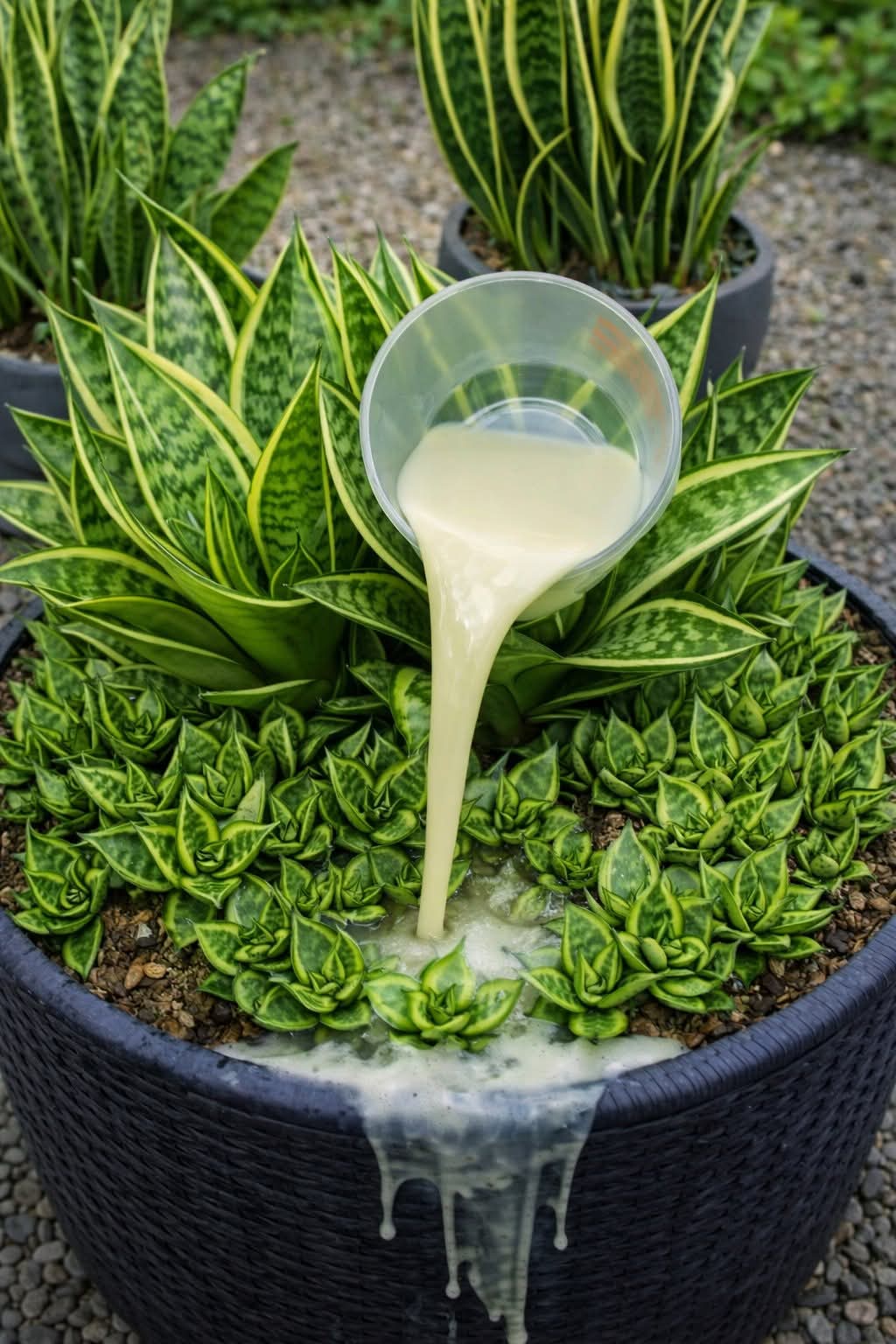
The Simple Secret That Made My Snake Plants Thrive Like a Nursery – No Risky DIY Mixes, Just Real Care
Want lush, vibrant snake plants? Skip the viral DIY potions. Learn the safe, proven secrets to make your Sansevieria grow thick and healthy – better than nursery plants. Let’s be honest: snake plants (Sansevieria, now reclassified as Dracaena) are famous for being nearly indestructible. They survive low light, neglect, and inconsistent watering. But there’s a…