
Want bigger, brighter geranium blooms? Discover the simple homemade sugar and lemon trick that boosts flowering, plus expert care tips for nonstop color all season long.
Let me share the little secret that turned my average geraniums into show-stopping beauties.
I’ve always loved geraniums. Their bright clusters of red, pink, white, and salmon flowers are a staple in my garden and on my patio. But for years, my plants were… fine. They bloomed, but the flowers were modest, and the show never lasted as long as I wanted. I fertilized, watered, and deadheaded faithfully, yet something was missing.
Then a fellow gardener told me about a simple homemade trick: sugar and lemon juice. I was skeptical—how could kitchen staples help my flowers? But I tried it, and within a few weeks, my geraniums exploded with color. The blooms were larger, more vibrant, and the plants kept flowering well into autumn.
This isn’t magic. It’s a gentle, natural way to support soil health and give your geraniums a little extra energy. In this comprehensive guide, I’ll explain the science behind this trick, walk you through exactly how to use it, and share everything else you need to know to grow the most spectacular geraniums on your block.
Why Geraniums Sometimes Struggle to Bloom
Before we dive into the trick, let’s understand why geraniums (Pelargoniums) sometimes hold back on flowers even when they look healthy.
Common Reasons for Few Blooms:
Problem What You’ll See Likely Cause
Not enough light Leggy growth, pale leaves, few flowers Less than 6 hours of direct sun
Overwatering Yellow leaves, soft stems, root rot Soil stays wet; poor drainage
Underfeeding Small, pale flowers; slow growth Lack of nutrients, especially phosphorus
No deadheading Faded flowers remain, fewer new buds Plant directs energy to seed production
Old plants Woody stems, fewer blooms Geraniums decline after 2–3 years
Temperature stress Bud drop, stunted growth Too hot or too cold (below 40°F or above 85°F)
If your geraniums are healthy but just not blooming as much as you’d like, the sugar and lemon trick can be the gentle nudge they need.
The Simple Trick: Sugar & Lemon Juice (or Vinegar)
This homemade solution is easy to make and uses ingredients you probably already have in your kitchen.
🌿 Ingredients:
· 1 cup water (room temperature, filtered if possible)
· 1 teaspoon granulated sugar
· 1 teaspoon lemon juice (or a few drops of white vinegar)
🧴 Instructions:
- Pour the water into a small container or watering can.
- Add the sugar and stir until completely dissolved.
- Stir in the lemon juice or vinegar.
- Mix well before each use.
🌼 How to Use:
· Pour a small amount directly into the soil (not on the leaves).
· Use once every two weeks during the growing season (spring through early autumn).
· Make sure the soil is slightly dry before applying—never apply to soaking wet soil.
⚠️ Important:
· Don’t overuse this mixture. Once every two weeks is plenty.
· Always combine with proper plant care (sunlight, water, deadheading).
· This is a supplement, not a replacement for fertilizer.
The Science Behind the Trick
Why does sugar and lemon juice help geraniums bloom?
Sugar Feeds Soil Microbes
Sugar is a carbohydrate that feeds beneficial bacteria and fungi in the soil. These microbes break down organic matter, releasing nutrients that plant roots can absorb. A healthy soil microbiome means your geraniums get a steady supply of essential elements like nitrogen, phosphorus, and potassium—especially the phosphorus that drives flower production.
Lemon Juice (or Vinegar) Adjusts Soil pH
Geraniums prefer slightly acidic soil, with a pH between 6.0 and 6.5. Over time, tap water and some fertilizers can raise soil pH into the alkaline range. A small amount of lemon juice or vinegar gently lowers pH, making micronutrients like iron, manganese, and zinc more available to the plant. The result? Greener leaves and more robust blooms.
A Gentle Energy Boost
Sugar can also be absorbed by plant roots in very small amounts, providing a quick source of energy that supports the metabolic processes involved in flower formation. However, the primary benefit comes from the soil life, not direct feeding.
Note: This mixture is not a fertilizer. It won’t fix severe nutrient deficiencies. Think of it as a weekly vitamin rather than a full meal.
7 More Pro Tips for Nonstop Geranium Blooms
The sugar and lemon trick works best when combined with good gardening practices. Here’s how to maximize your geraniums’ flowering potential.
- Give Them Full Sun
Geraniums are sun worshippers. Place them where they receive at least 6–8 hours of direct sunlight daily. In very hot climates, a little afternoon shade is fine, but too much shade = fewer flowers.
Signs of too little light: Leggy stems, small leaves, pale green color, and sparse blooms. If you see these, move your plant to a sunnier spot.
- Water Correctly – Let the Soil Dry
Geraniums prefer to dry out slightly between waterings. Overwatering is the fastest way to kill them and the surest way to stop blooms.
Watering rule: Stick your finger about an inch into the soil. If it feels dry, water deeply. If it’s still moist, wait another day or two. In pots, always use containers with drainage holes.
- Deadhead Religiously
Removing spent flowers is the single most important thing you can do to encourage continuous blooming.
How to deadhead: Pinch or snip off the entire flower stem down to the point where it meets the main stem or a leaf node. Don’t just pull off the petals. Deadheading redirects the plant’s energy from seed production into making new flower buds.
- Fertilize with a Bloom Booster
The sugar/lemon mix is a soil conditioner, not a fertilizer. For big, bright blooms, use a balanced, water‑soluble fertilizer (like 10-10-10) or a bloom‑booster formula (like 10-30-20) once a month during the growing season.
Organic options: Compost tea, fish emulsion, or worm castings also work well. Apply according to package instructions.
- Pinch Back for Bushier Growth
If your geraniums become leggy (long stems with leaves only at the tips), pinch off the growing tips. This encourages branching, which creates more flower stems.
When to pinch: Early spring or after a heavy bloom cycle. Pinch just above a leaf node.
- Prune in Early Spring
Before new growth begins, cut back any woody or dead stems. This rejuvenates older plants and promotes vigorous new growth.
- Overwinter Indoors (or Take Cuttings)
Geraniums are tender perennials. In cold climates, bring them indoors before the first frost.
How to overwinter: Cut plants back by about half, dig them up, and pot them. Place in a bright, cool window (50–60°F). Water sparingly. In spring, gradually reintroduce them to outdoor conditions.
Alternatively: Take 4‑inch cuttings in autumn, root them in water or moist potting mix, and grow new plants indoors over winter. By spring, you’ll have vigorous young geraniums ready to plant.
Troubleshooting Common Geranium Problems
Even with the best care, issues can arise. Here’s how to diagnose and fix them.
Problem Likely Cause Solution
Yellow leaves Overwatering or poor drainage Let soil dry out; repot with well‑draining mix
Brown leaf edges Too much fertilizer or salt buildup Flush soil with plain water; reduce feeding
Leggy growth, few flowers Not enough light Move to sunnier spot
Bud drop Temperature stress or inconsistent watering Keep temperatures stable; water evenly
Small, pale flowers Underfeeding Apply bloom‑booster fertilizer
Sticky residue or tiny insects Aphids or whiteflies Spray with insecticidal soap or neem oil
Mushy stems Root rot (overwatering) Stop watering; repot in fresh, dry soil; remove rotted parts
Delicious Variations: Using This Trick on Other Plants
The sugar and lemon trick isn’t just for geraniums. You can use it on other flowering plants that appreciate slightly acidic soil and a microbial boost.
Good candidates:
· Petunias – encourages continuous blooming
· Begonias – boosts flower size and color
· Impatiens – helps in less‑than‑ideal light
· Marigolds – intensifies yellow and orange hues
· Roses – supports healthy foliage and more buds
For roses, add a pinch of Epsom salt (magnesium sulfate) to the mixture. Magnesium promotes chlorophyll production and helps the plant use phosphorus.
For acid‑loving plants (azaleas, rhododendrons, hydrangeas), use lemon juice rather than vinegar, and apply only once a month.
When NOT to Use the Sugar & Lemon Trick
This mixture is gentle, but it’s not for every situation.
Do NOT use if… Why
The soil is already wet Sugar can promote mold growth
Your plant has root rot Fix drainage and overwatering first
You see ants or other pests Sugar may attract them
The plant is dormant (winter) No active growth; let it rest
You’ve recently fertilized Wait 2 weeks to avoid overfeeding
Frequently Asked Questions (FAQs)
Q: Can I use brown sugar instead of white sugar?
A: Yes, but brown sugar contains molasses, which is also beneficial. Use the same amount (1 teaspoon).
Q: How long until I see results?
A: You may notice greener leaves within a week. New flower buds often appear in 2–3 weeks of consistent use.
Q: Can I spray the mixture on leaves?
A: No. Apply only to the soil. Sugar on leaves can encourage fungal diseases and attract pests.
Q: What if I don’t have lemon juice?
A: Use a few drops of white vinegar (distilled). Apple cider vinegar works too, but it may attract fruit flies.
Q: Can I use this trick on potted geraniums indoors?
A: Yes, but indoor conditions are different. Ensure plenty of light and allow soil to dry between waterings. Reduce frequency to once a month.
Q: Will this work on geraniums that are already blooming?
A: Yes. It can extend the blooming period and make existing flowers larger and more vibrant.
A Sample Seasonal Care Calendar for Geraniums
Season Tasks
Spring Prune old growth; repot if needed; start fertilizing; begin sugar/lemon trick every 2 weeks
Summer Water as needed; deadhead spent flowers; continue sugar/lemon trick; watch for pests
Autumn Reduce fertilizing; stop sugar/lemon trick as growth slows; take cuttings for overwintering
Winter Bring plants indoors (if in cold climate); water sparingly; no fertilizer or sugar mixture
Final Thoughts: A Little Boost Goes a Long Way
Geraniums are generous plants. With the right conditions—full sun, well‑drained soil, regular deadheading, and occasional feeding—they reward you with months of color. The simple sugar and lemon trick is one of those little extras that can make a noticeable difference, especially when your plants are otherwise healthy but just need a nudge.
I’ve used this trick for years, and I’m always amazed at how a teaspoon of sugar and a splash of lemon juice can turn a good geranium into a great one. Try it for yourself, and you’ll see why it’s become a favorite among gardeners who love big, bright, nonstop blooms.
Now it’s your turn! Have you tried this trick? What’s your secret for gorgeous geraniums? Share your experience in the comments below.
And if you’re looking for more plant care tips, check out our guides on Deadheading 101, How to Overwinter Geraniums, and Natural Fertilizers for Flowering Plants.
Happy gardening! 🌺✨
Did this guide help you? We’d love to see your blooming geraniums! Leave a comment below and share your photos. Don’t forget to pin this article for next season.
More Recipes You Might Like
-
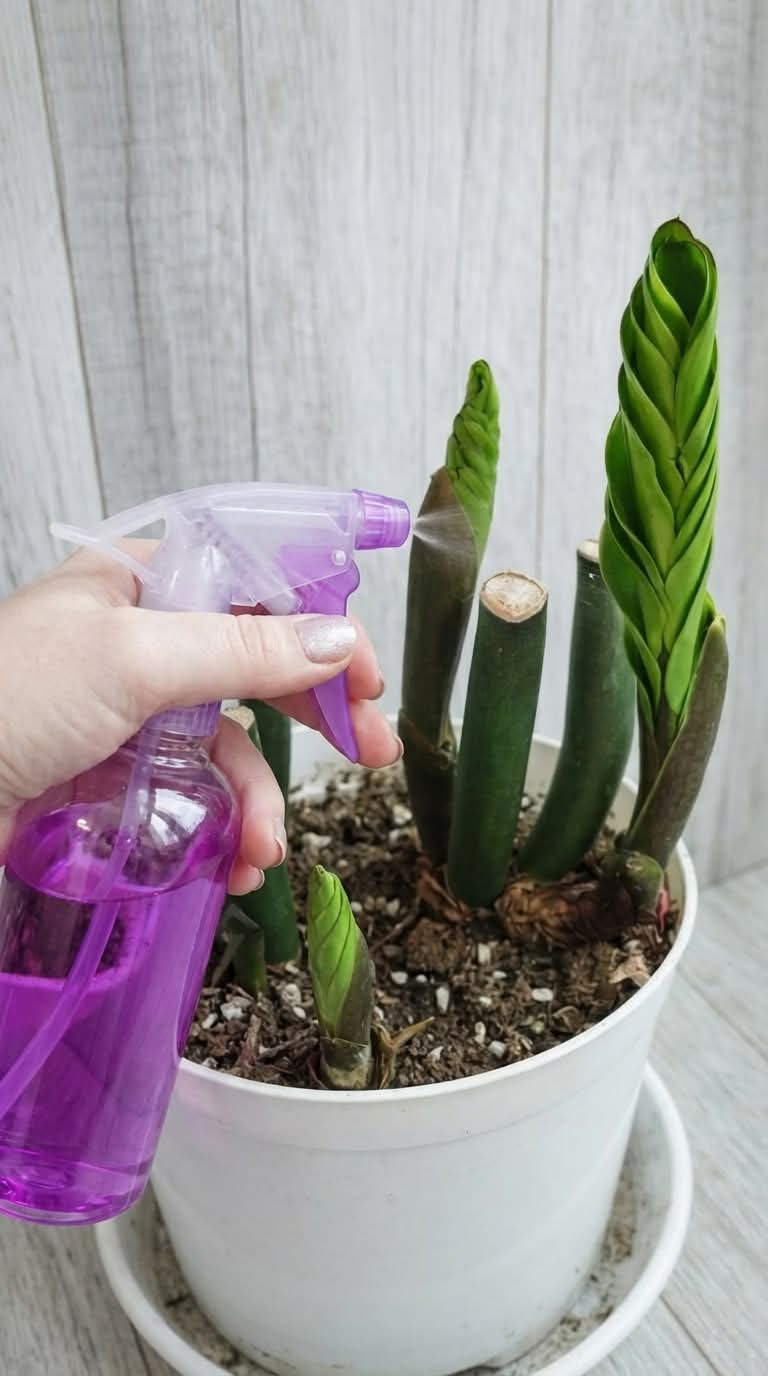
Just a Few Sprays of This Simple Mix… And Your ZZ Plant Wakes Up!
Is your ZZ plant looking stuck or slow to grow? This simple homemade leaf spray cleans dust, adds shine, and supports healthier growth. Easy recipe with neem oil for pest protection. Let me share the simple spray that brought my once‑dormant ZZ plant back to life. ZZ plants (Zamioculcas zamiifolia) are famous for being nearly…
-
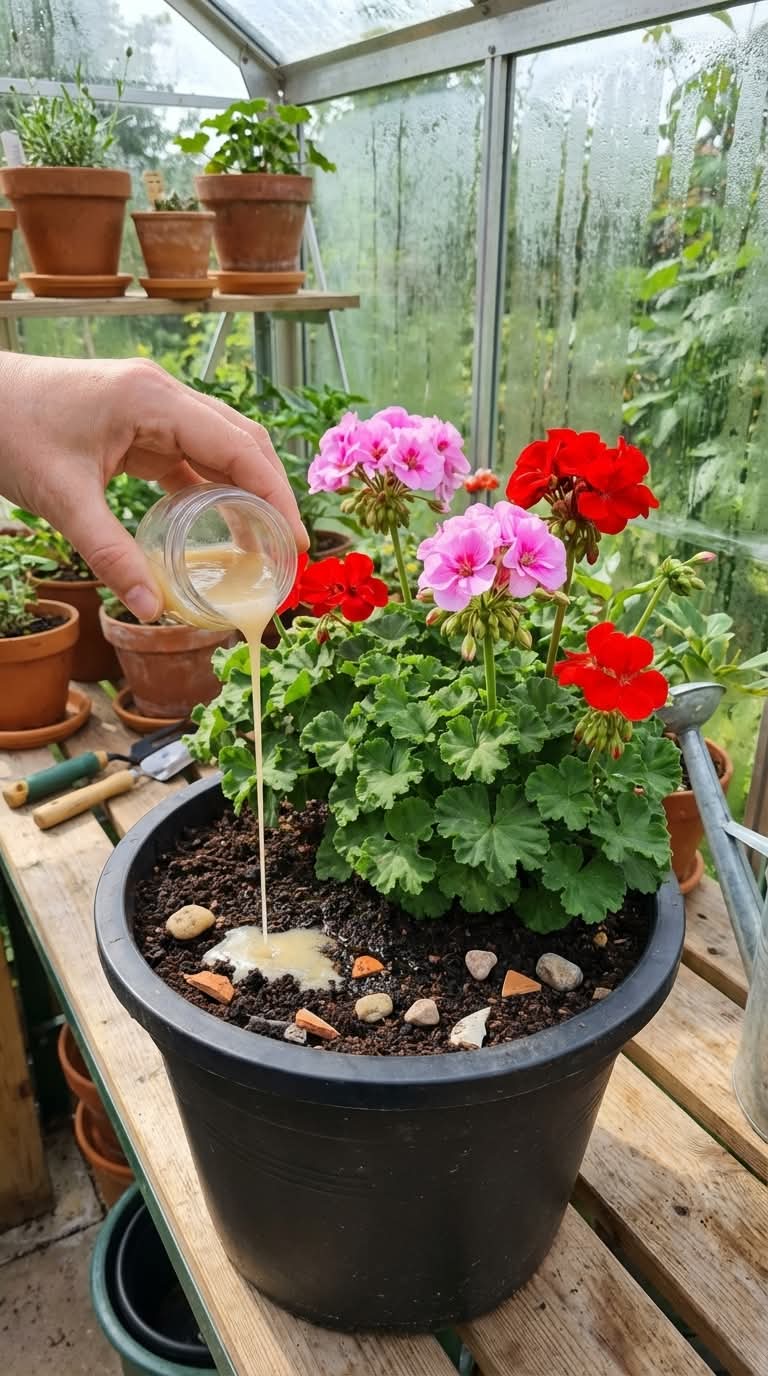
The Simple Trick That Makes Your Geraniums Bloom Bigger and Brighter – A Complete Guide
Want bigger, brighter geranium blooms? Discover the simple homemade sugar and lemon trick that boosts flowering, plus expert care tips for nonstop color all season long. Let me share the little secret that turned my average geraniums into show-stopping beauties. I’ve always loved geraniums. Their bright clusters of red, pink, white, and salmon flowers are…
-
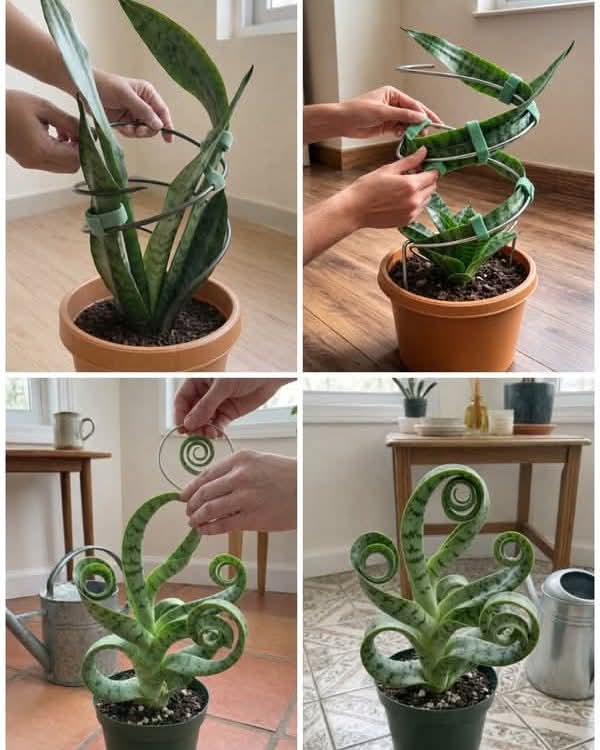
How to Grow a Snake Plant in a Spiral Shape: A Step‑by‑Step Guide
Did you know you can train your snake plant into a stunning spiral shape? Learn how to guide your Sansevieria into a living sculpture with this easy, step‑by‑step guide. Patience and care create a beautiful result! Let me introduce you to the plant project that turns an ordinary snake plant into a breathtaking living sculpture.…