

Ingredients:
1 (14- to 16-lb) turkey, neck and giblets (excluding liver) reserved forturkey giblet stock
2 1/2 teaspoons salt (2 teaspoons if using a kosher bird)
1 1/2 teaspoons black pepper
Pliers (preferably needlenose); a small metal skewer (optional); kitchen string; a flat metal rack; an instant-read thermometer
Instructions:
Remove any feathers and quills with pliers (kosher turkeys tend to require this more than others).
Put oven rack in lower third of oven and preheat oven to 450°F.
Rinse turkey inside and out and pat dry. Mix salt and pepper in a small bowl and sprinkle it evenly in turkey cavities and all over skin. Fold neck skin under body and, if desired, secure with metal skewer, then tuck wing tips under breast and tie drumsticks together with kitchen string.
Put turkey on rack in a large flameproof roasting pan. Roast, rotating pan 180 degrees halfway through roasting, until thermometer inserted into fleshy part of each thigh (close to but not touching bone) registers 170°F, 1 3/4 to 2 1/2 hours.
Carefully tilt turkey so juices from inside large cavity run into roasting pan. Transfer turkey to a platter (do not clean roasting pan) and let stand 30 minutes (temperature of thigh meat will rise to 180°F). Cut off and discard string from turkey.
Twelve cups of stuffing will fill both cavities and leave you extra to bake separately. Just before roasting, spoon room-temperature stuffing loosely (stuffing expands as it cooks) into the neck (smaller) cavity. Fold the neck skin underneath the body and secure with a small metal skewer. Then loosely fill the body (larger) cavity, and tie drumsticks together. If you don’t want any stuffing to spill out, cover the opening with a slice of fresh bread, tucking it inside the cavity before tying the drumsticks. Follow roasting directions above. (Timing for a stuffed bird may be slightly longer, but start checking the temperature at 1 3/4 hours.) Immediately transfer stuffing from body cavity to a shallow baking dish (separate from one for stuffing baked outside the turkey). Take temperature of stuffing in neck cavity and if less than 165°F, add it to the baking dish. Bake (covered for a moist stuffing or uncovered for a crisp top) until it reaches a minimum of 165°F. This can take 20 to 45 minutes, depending on the temperature of the oven, which you may have lowered to reheat side dishes.
The same method used above can be applied to a whole turkey breast (instead of the entire bird). For a 6- to 8-pound breast (with skin and bone), reduce amount of salt to 1 1/2 teaspoons and pepper to 3/4 teaspoon. Use a V-rack instead of a flat rack. Roast, rotating pan 180 degrees halfway through roasting, until thermometer inserted in thickest part of each breast half (close to but not touching bone) registers 170°F, about 1 hour 10 minutes to 1 1/2 hours. Let stand 30 minutes (temperature in breast will rise to between 175°F and 180°F). (For a grilled turkey option, see Grilled Whole Turkey.)
Recipe Card
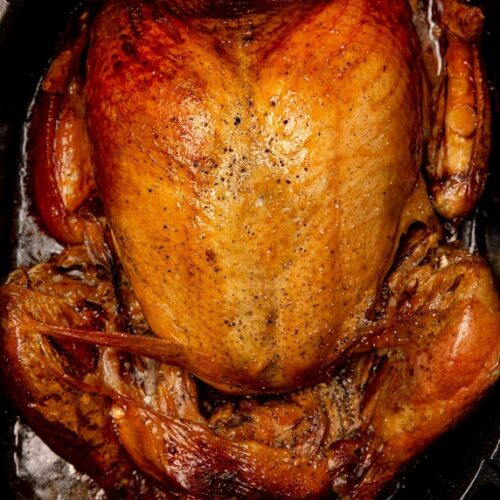
The Simplest Roast Turkey
Ingredients
- 1 14- to 16-lb turkey, neck and giblets (excluding liver) reserved forturkey giblet stock
- 2 1/2 teaspoons salt 2 teaspoons if using a kosher bird
- 1 1/2 teaspoons black pepper
- Pliers preferably needlenose; a small metal skewer (optional); kitchen string; a flat metal rack; an instant-read thermometer
Instructions
- Remove any feathers and quills with pliers (kosher turkeys tend to require this more than others).
- Put oven rack in lower third of oven and preheat oven to 450°F.
- Rinse turkey inside and out and pat dry. Mix salt and pepper in a small bowl and sprinkle it evenly in turkey cavities and all over skin. Fold neck skin under body and, if desired, secure with metal skewer, then tuck wing tips under breast and tie drumsticks together with kitchen string.
- Put turkey on rack in a large flameproof roasting pan. Roast, rotating pan 180 degrees halfway through roasting, until thermometer inserted into fleshy part of each thigh (close to but not touching bone) registers 170°F, 1 3/4 to 2 1/2 hours.
- Carefully tilt turkey so juices from inside large cavity run into roasting pan. Transfer turkey to a platter (do not clean roasting pan) and let stand 30 minutes (temperature of thigh meat will rise to 180°F). Cut off and discard string from turkey.
- Twelve cups of stuffing will fill both cavities and leave you extra to bake separately. Just before roasting, spoon room-temperature stuffing loosely (stuffing expands as it cooks) into the neck (smaller) cavity. Fold the neck skin underneath the body and secure with a small metal skewer. Then loosely fill the body (larger) cavity, and tie drumsticks together. If you don’t want any stuffing to spill out, cover the opening with a slice of fresh bread, tucking it inside the cavity before tying the drumsticks. Follow roasting directions above. (Timing for a stuffed bird may be slightly longer, but start checking the temperature at 1 3/4 hours.) Immediately transfer stuffing from body cavity to a shallow baking dish (separate from one for stuffing baked outside the turkey). Take temperature of stuffing in neck cavity and if less than 165°F, add it to the baking dish. Bake (covered for a moist stuffing or uncovered for a crisp top) until it reaches a minimum of 165°F. This can take 20 to 45 minutes, depending on the temperature of the oven, which you may have lowered to reheat side dishes.
- The same method used above can be applied to a whole turkey breast (instead of the entire bird). For a 6- to 8-pound breast (with skin and bone), reduce amount of salt to 1 1/2 teaspoons and pepper to 3/4 teaspoon. Use a V-rack instead of a flat rack. Roast, rotating pan 180 degrees halfway through roasting, until thermometer inserted in thickest part of each breast half (close to but not touching bone) registers 170°F, about 1 hour 10 minutes to 1 1/2 hours. Let stand 30 minutes (temperature in breast will rise to between 175°F and 180°F). (For a grilled turkey option, see Grilled Whole Turkey.)
-
How to Reproduce Roses Infinitely with the Banana Method
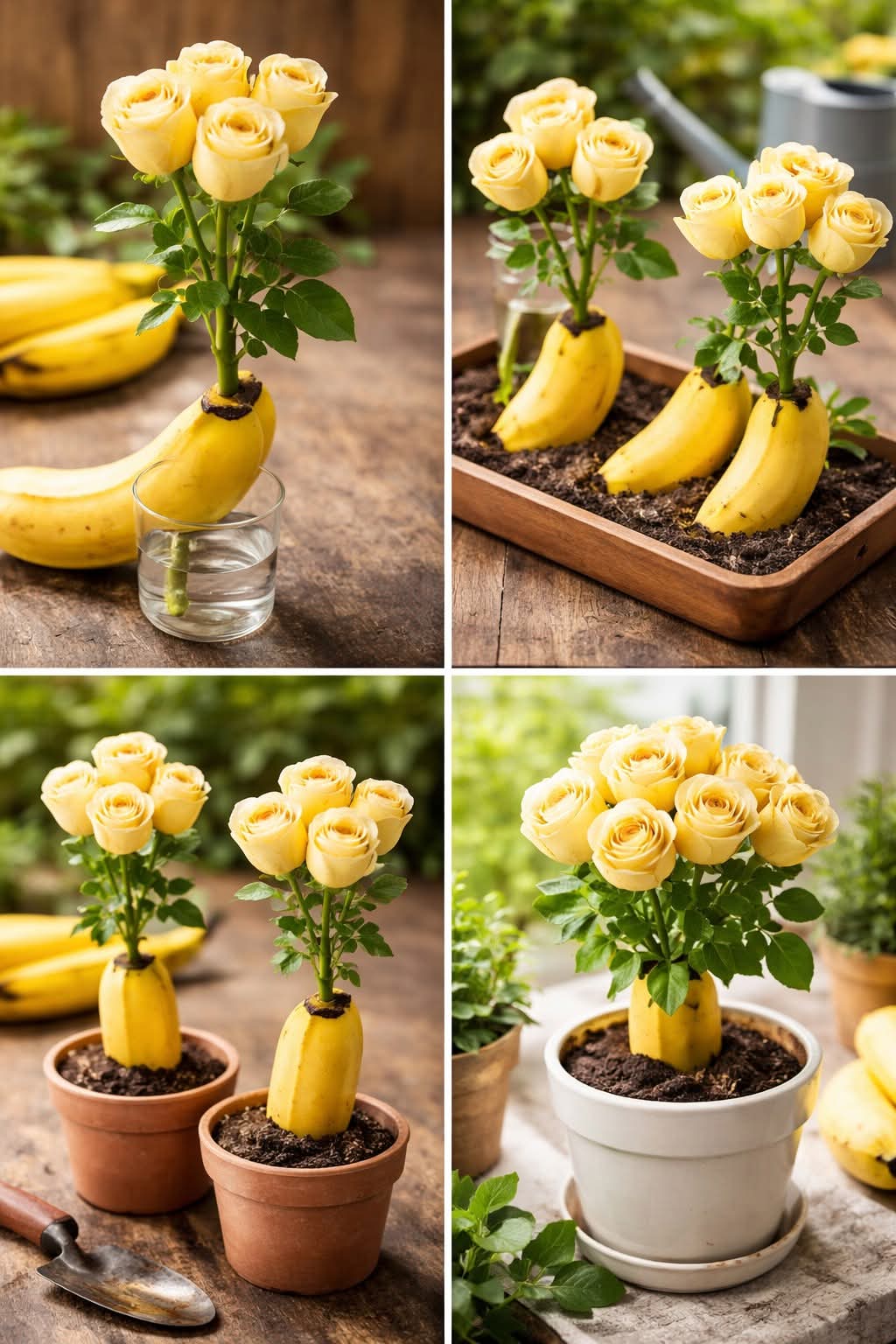
If you love roses but have struggled to propagate them successfully, you’re not alone. Rose cuttings can be notoriously finicky—they often dry out or rot before roots ever form. But there’s a surprising, natural solution that might already be in your kitchen: a simple banana. This method has been gaining attention among gardeners for its…
-
The One Cup Trick How to Revive a Peace Lily and Get It Blooming Again
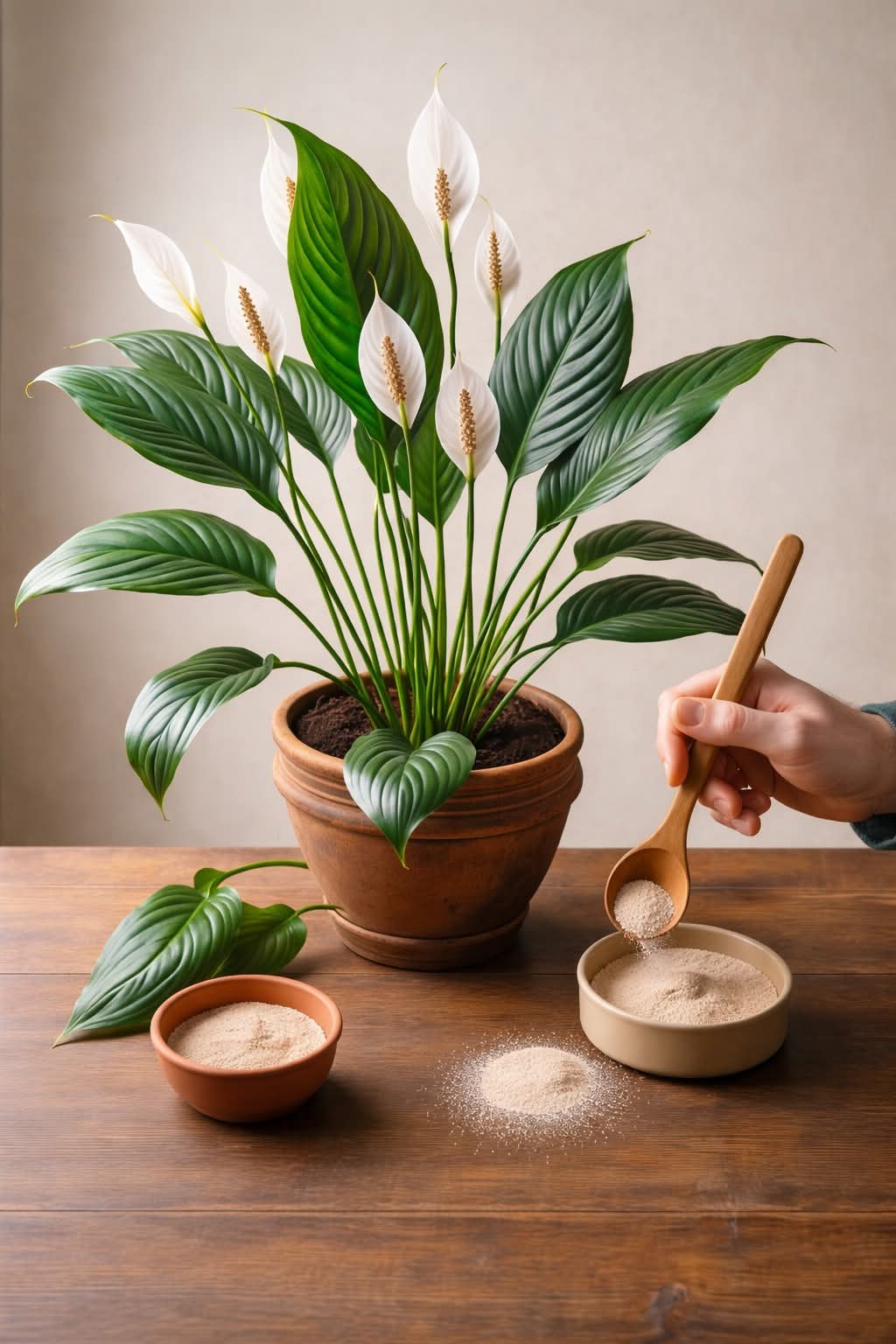
Is your peace lily refusing to bloom? You’re not alone. Discover the simple one‑cup natural mix that can encourage those elegant white flowers to reappear. Easy, organic, and surprisingly effective. If your peace lily isn’t blooming as much as you’d like, you’re not alone. Many plant lovers struggle to get those elegant white flowers to…
-
Putting Garlic Cloves Near a Snake Plant! Does This Viral Hack Actually Work?
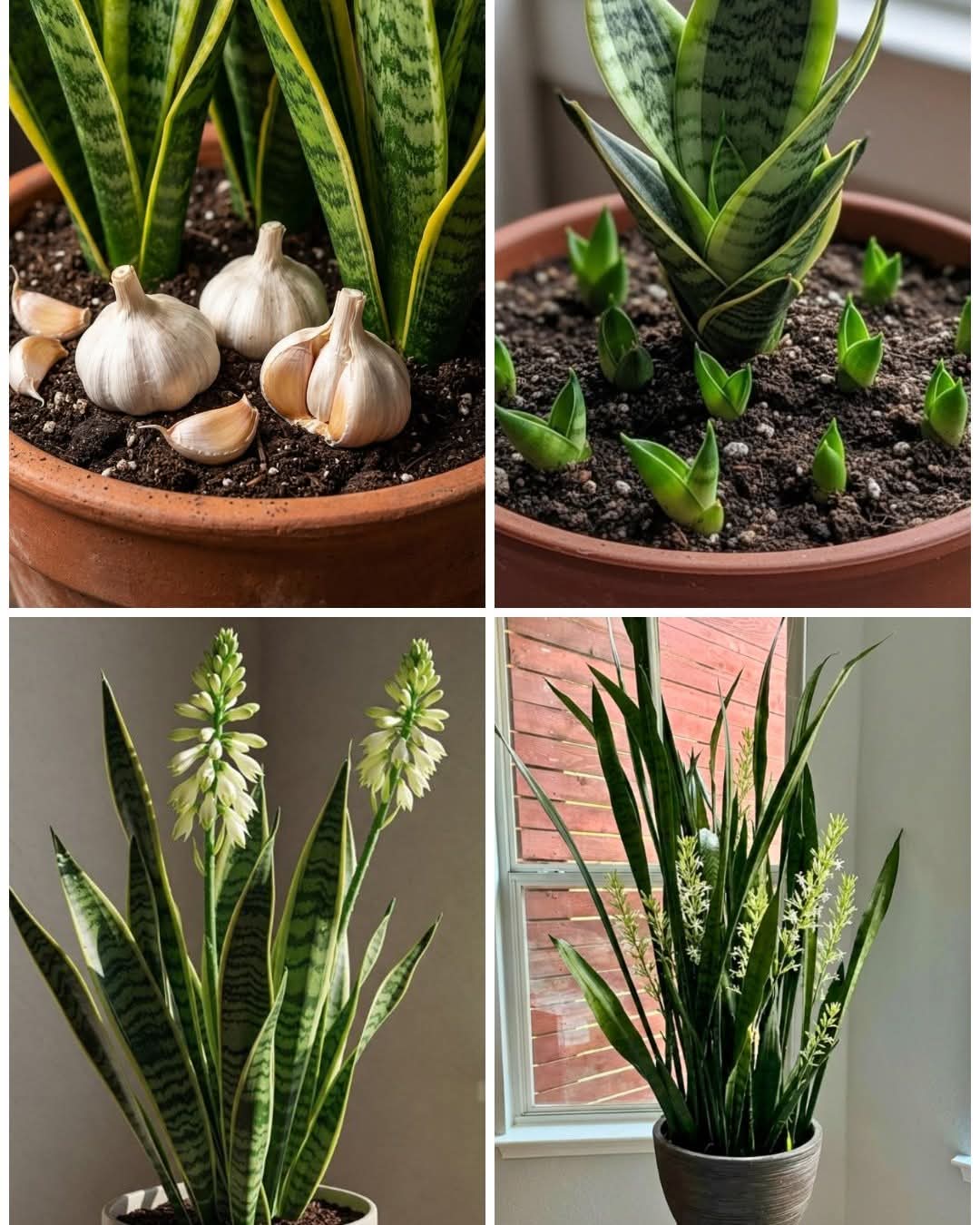
The viral hack of placing garlic cloves near snake plants is taking over social media. Does it really repel pests, boost growth, or work like a natural fertilizer? Learn the science, benefits, risks, and better alternatives. If you’ve been on plant TikTok, Instagram Reels, or gardening forums lately, you’ve probably seen it: a person placing…