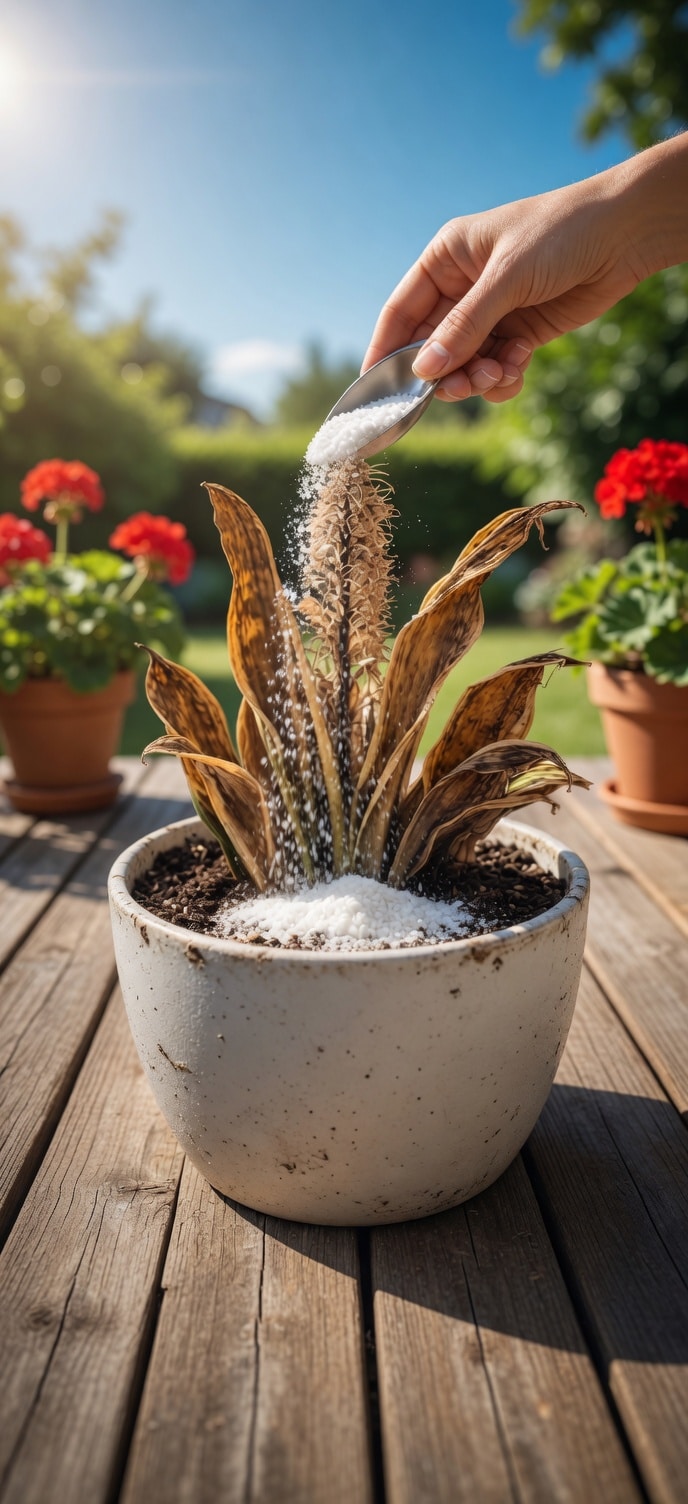
What About Leaf Propagation? (If the Base Is Gone)
Sometimes the base of the snake plant is completely rotten — mushy, black, and beyond saving. But if you still have a few green leaf tips, do not give up. You can grow an entirely new plant from a single healthy leaf.
Step‑by‑step leaf propagation:
- Cut the green parts of the leaf into 4‑inch sections. Make a V‑shaped cut at the bottom of each section (like an upside‑down V). This marks which end goes down and increases surface area for roots.
- Let the cuttings callous. Place them in a dry, shaded spot for 2–3 days. The cut ends will dry and harden. This prevents rot.
- Place in water or soil.
· Water method: Put the cuttings in a glass of water, with the bottom inch submerged. Change the water weekly. Roots appear in 4–8 weeks.
· Soil method: Stick the cuttings upright in moist cactus mix, about 1 inch deep. Keep the soil lightly moist (not wet). Roots take 6–10 weeks. - Be patient. New roots form first, then tiny new leaves (pups) will emerge from the base of the cutting. This can take several months.
Propagation is slow, but it works. It is the ultimate way to save a snake plant that has lost its entire root system.
Myth vs. Fact: A Quick Reference Table
The “Hack” What It Actually Does Better Alternative
Baking soda Changes soil pH; can harm roots if overused. Does not trigger growth. Use a balanced liquid fertilizer in spring.
Epsom salt Provides magnesium. Only helps if soil is magnesium‑deficient. Ensure the plant gets bright indirect light. Flush soil to remove salt buildup.
Sugar or flour Attracts pests and creates mold. No benefit. Avoid completely. Focus on proper drainage and watering.
Cinnamon Natural antifungal. Helps prevent rot on cut roots and leaves. Use lightly on trimmed wounds. Do not use as a fertilizer.
Diatomaceous earth Kills soft‑bodied pests (fungus gnats, aphids). No nutrients. For pest control only. For revival, check roots and soil.
Common Mistakes That Keep Snake Plants Weak
Avoid these errors if you want a healthy, thriving snake plant.
Overwatering
The #1 mistake. Snake plants are drought‑tolerant. When in doubt, wait another week.
Using Regular Potting Soil Alone
Too dense. Always add perlite or use cactus mix.
Keeping the Plant in a Dark Corner
Surviving is not thriving. Move it closer to a window.
Ignoring Drainage
A pot without holes will eventually cause root rot.
Fertilizing a Sick Plant
Damaged roots cannot use fertilizer. Wait for recovery signs.
Using Random Powders Without Research
Baking soda, Epsom salt, and cinnamon are not interchangeable. Know what you are using.
Signs Your Snake Plant Is Actually Recovering
After you have performed root surgery, repotted in fresh soil, and corrected your watering, watch for these positive signs over 4–8 weeks:
· Firmer leaves – Leaves feel solid, not soft or wrinkled.
· Richer green color – Not pale or yellow.
· New growth in the center – Fresh leaves unfurling.
· Pups emerging at the base – Baby shoots appear.
· Stronger upright posture – No flopping or leaning.
If you see these, your rescue worked. The plant is on the mend.
Frequently Asked Questions (Snake Plant Rescue)
Can I use baking soda to save my snake plant?
No. Baking soda is not a plant reviver. It alters soil pH and can harm roots. Stick to proper soil, light, and water.
Is Epsom salt good for snake plants?
Only if your soil has a magnesium deficiency. Signs include yellowing between leaf veins on older leaves. Use 1 teaspoon per gallon of water once a month. Do not overuse.
What is the best white powder for snake plant roots?
Cinnamon is the only white‑ish powder that has a legitimate use. Dust it lightly on cut roots after trimming rot. It is antifungal, not a fertilizer.
How do I know if my snake plant is dead?
Check the roots and rhizomes. If the roots are all black, mushy, and hollow, and the base of the leaves is also mushy, the plant is likely dead. However, if any firm, green tissue remains, you can try propagation.
Can I revive a snake plant with no roots?
If the leaves are still green and firm, cut them into sections and propagate (see instructions above). You cannot revive the original plant without roots, but you can grow new plants from the leaves.
Why are my snake plant leaves falling over?
Usually overwatering. Soft, mushy bases indicate rot. Unpot, trim rot, repot in dry mix, and water less often.
How often should I water a snake plant after repotting?
Wait 3–5 days after repotting to water. Then water only when the soil is completely dry. In most homes, every 2–4 weeks.
Can I use coffee grounds on my snake plant?
Not recommended. Coffee grounds can compact the soil, hold moisture, and acidify the mix — all things snake plants dislike.
The Final Verdict: No Magic Powder, Just Good Care
Do not let the 10‑second reels fool you. A snake plant’s best friend is not a mysterious white powder. It is patience, drainage, and proper watering.
If your plant is struggling, check the roots first. That is where the real magic happens. Trim away rot. Repot in fresh cactus mix. Water only when dry. Give it bright indirect light. And if the base is gone, propagate the remaining leaves.
No baking soda. No Epsom salt. No flour. Just honest, consistent care.
The next time you see a viral video promising a miracle cure with a sprinkle of white powder, remember: the real miracle is a healthy root system, and that comes from doing the basics right.
Now go save your snake plant — no magic required.
Have you tried a white powder hack on your snake plant? Share your experience in the comments below. And if you found this guide helpful, save it for later or send it to a friend who needs a real plant rescue plan.