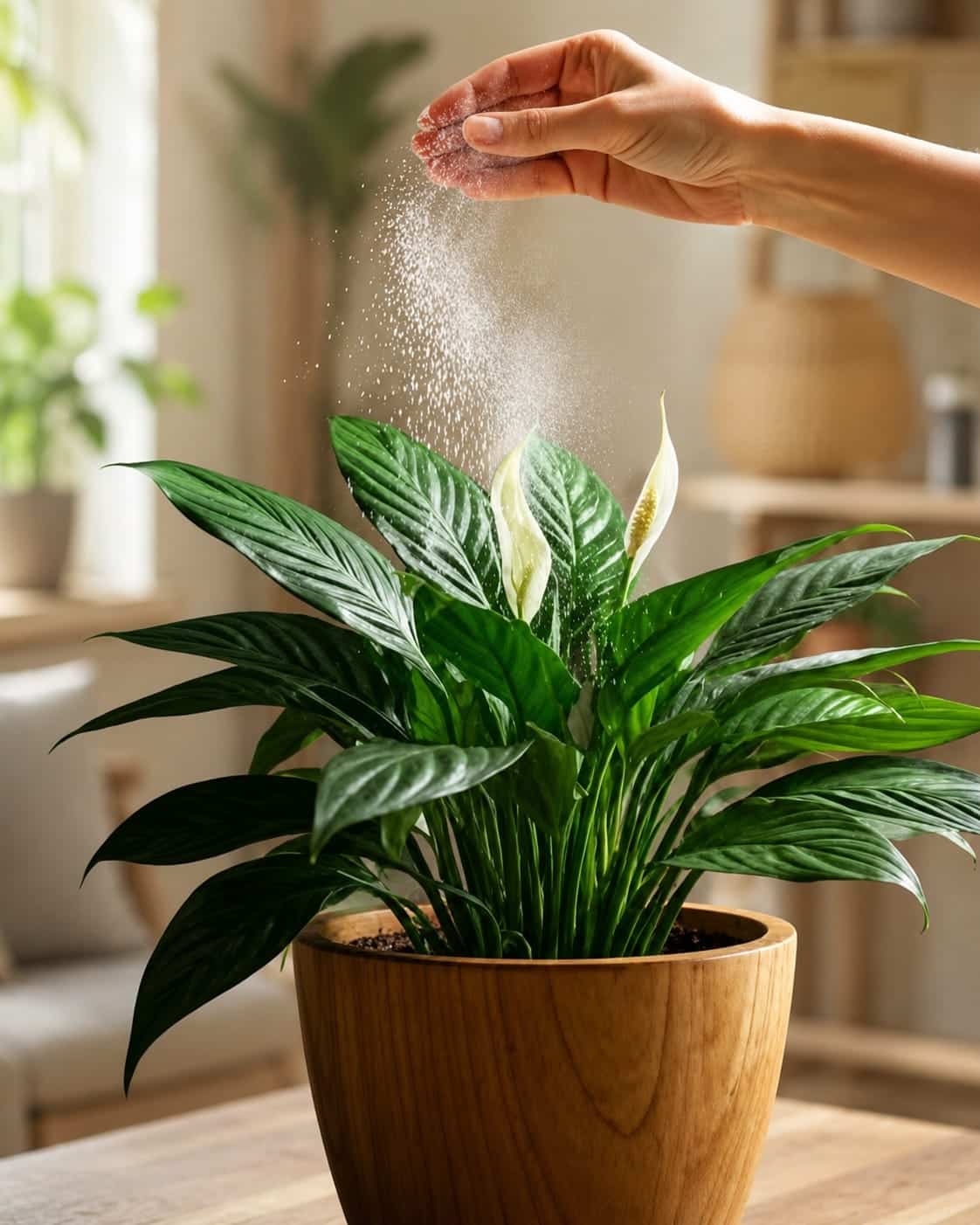
Best Soil for Peace Lily
A peace lily needs soil that holds some moisture but still allows airflow. Dense, muddy soil can suffocate roots. Soil that dries too fast can cause repeated wilting.
A good peace lily mix may include quality potting soil, perlite, coco coir, and a small amount of orchid bark. This creates a balance between moisture retention and drainage.
If the soil smells sour, stays wet for too long, or has mold on the surface, repotting may be needed. Fresh soil often helps more than sugar water.
Do not add sugar to poor soil and expect it to improve. Fix the soil first.
Why Drainage Matters
Drainage is essential for peace lilies. A pot without drainage holes traps water at the bottom. Even if the top soil feels dry, the lower roots may be sitting in wet conditions.
This can lead to root rot, yellow leaves, drooping, and poor blooming. If sugar water is added to a no-drainage pot, the risk is even higher because organic residue remains trapped around the roots.
Use a pot with drainage holes. If you love decorative pots, use them as outer containers and keep the peace lily in a nursery pot inside. Remove the inner pot for watering, let it drain, then place it back.
Good drainage keeps the root zone healthier and safer.
Humidity and Peace Lily Health
Peace lilies appreciate moderate humidity. Dry air can cause brown leaf tips, curled edges, or dull foliage. This is especially common during winter when heating systems dry the air.
You can increase humidity by grouping plants together, using a pebble tray, or placing a humidifier nearby. A bright bathroom or kitchen can also work well if the light is strong enough.
Do not try to increase humidity by keeping the soil constantly wet. Humid air and wet soil are different. Wet soil can rot roots.
Better humidity supports leaf health, but it does not replace watering correctly.
How to Keep Peace Lily Leaves Glossy
Peace lily leaves naturally look glossy when they are clean and healthy. Dust can dull their shine and reduce the amount of light the leaves absorb.
Wipe the leaves gently with a damp cloth every few weeks. Use plain water only. Do not use sugar water on the leaves. It can leave sticky residue and attract dust or pests.
Do not use oils, mayonnaise, milk, or heavy leaf-shine products. These can clog leaf surfaces or leave unwanted buildup.
Clean leaves help the plant photosynthesize better, which supports growth and future blooms.
Can Sugar Water Fix Yellow Leaves?
No. Sugar water will not turn yellow leaves green again. Yellow leaves can come from many causes, including overwatering, underwatering, low light, old age, root rot, cold drafts, or nutrient imbalance.
If one old lower leaf turns yellow slowly, it may simply be aging. If many leaves yellow at once, check the soil and roots.
If the soil is wet and the leaves are yellowing, do not use sugar water. The plant may already be overwatered. Adding sugar can make the root environment worse.
Remove yellow leaves once they are fully damaged and correct the cause so new growth stays healthy.
Can Sugar Water Fix Brown Tips?
No. Brown tips will not become green again. Brown tips on peace lilies are often caused by dry air, inconsistent watering, hard tap water, fertilizer buildup, too much direct sun, or root stress.
If the brown tips are caused by mineral buildup or overfeeding, sugar water will not help. Flushing the soil with plain water or repotting may be better.
You can trim brown tips with clean scissors if you want the plant to look neater. Follow the natural shape of the leaf.
Preventing new brown tips requires better watering, humidity, light, and root care.
Can Sugar Water Attract Pests?
Yes. This is one of the biggest risks. Sugar can attract ants, fungus gnats, fruit flies, and other insects, especially if the soil stays moist.
Fungus gnats are especially common in indoor plant pots. They breed in damp organic soil. Adding sugar may encourage microbial growth and make the pot more attractive to them.
If you see gnats, stop using sugar water immediately. Let the top layer of soil dry slightly between waterings. Use sticky traps to catch adults and inspect the watering routine.
A healthy peace lily pot should smell fresh and earthy, not sweet, sour, or fermented.
Can Sugar Water Cause Mold?
Yes. Sugar can feed mold and bacteria if the potting mix is damp and airflow is poor. A white or fuzzy surface on the soil means the conditions are too wet or too organic.
If mold appears after using sugar water, remove the moldy top layer of soil. Let the plant dry slightly. Improve airflow and avoid adding sugar again.
If the smell is sour or the plant begins to decline, repot into fresh well-draining soil and inspect the roots.
Mold is a sign that the plant-care routine needs adjustment.
What to Do If You Sprinkled Sugar Directly on the Plant
If sugar landed on the leaves, wipe them gently with a damp cloth. Remove as much sticky residue as possible. Do not let sugar dry on the leaves.
If sugar landed on the soil, scoop off the visible granules and the top layer of affected soil if needed. Do this carefully so you do not damage roots.
If a lot of sugar has already dissolved into the pot, flush the soil with plain water if the pot has drainage holes. Let the pot drain completely afterward. If the soil is already wet or smells sour, repotting may be safer.
After removing sugar, return to simple care with plain water.
What to Do If the Soil Smells Sour
Sour-smelling soil usually means the potting mix is staying too wet or organic material is breaking down badly. Sugar water can make this worse.
If the soil smells sour, stop using homemade treatments. Check moisture and drainage. Remove the plant from the pot if the smell continues or if the plant droops while the soil is wet.
Inspect the roots. Healthy roots should be firm and light-colored. Rotten roots are mushy, dark, or foul-smelling. Trim rotten roots with clean scissors and repot into fresh soil.
Do not cover the smell with more ingredients. Fix the root environment.
Can Sugar Replace Fertilizer?
No. Sugar cannot replace fertilizer. A fertilizer provides essential nutrients in measured amounts. Sugar does not provide balanced plant nutrition.
Peace lilies benefit from light feeding during active growth. Use a balanced houseplant fertilizer diluted to half strength. Feed only when the plant is healthy and growing.
Do not fertilize a stressed plant with damaged roots. Wait until it stabilizes.
If you use fertilizer, there is usually no need to use sugar water at all. Balanced fertilizer is more predictable and safer.
A Better Natural Routine for Peace Lily
Instead of relying on sugar, focus on a gentle natural care routine. Use clean water, good soil, bright indirect light, and proper humidity.
Clean the leaves regularly with plain water. Remove old yellow leaves and faded flowers. Keep the potting mix lightly moist but not soggy. Repot when the soil becomes compacted or sour.
If you want to use a homemade supplement, fresh diluted rice water is usually safer than sugar water, but even that should be used only occasionally.
The best peace lily care is simple. The plant does not need constant tricks.
How to Encourage More Peace Lily Flowers
To encourage blooms, move the plant to brighter indirect light. This is the most important step. Avoid harsh direct sun, but give the plant enough brightness to produce energy.
Keep the roots healthy by watering correctly and using a pot with drainage. Feed lightly during active growth with a balanced fertilizer.
Remove faded flowers by cutting the flower stem near the base. This helps the plant redirect energy.
Be patient. Peace lilies bloom when they are mature, healthy, and receiving enough light. Sugar water will not rush the process.
Common Mistakes to Avoid
- Sprinkling dry sugar directly onto the plant – this can leave sticky residue and attract pests.
- Using sugar water too often – frequent use can cause sour soil, mold, and fungus gnats.
- Using sugar as fertilizer – it does not provide balanced nutrition.
- Applying sugar water to wet soil – this can worsen root problems.
- Using sweet drinks, honey, syrup, or juice – these are not safe for peace lily soil.
- Expecting sugar to force blooms – light and root health matter more.
- Using sugar water on a sick plant before diagnosing the real problem.
Frequently Asked Questions
Is sugar good for peace lilies?
Sugar is not necessary for peace lilies. A very weak sugar-water solution may be used rarely, but it can attract pests and mold if overused. Proper light, watering, and fertilizer are more important.
Can I sprinkle sugar directly on the soil?
No. It is safer not to sprinkle dry sugar into a peace lily pot. It can dissolve unevenly, attract insects, and encourage mold.
Can sugar water make peace lily bloom?
No. Sugar water cannot force blooms. Peace lilies bloom best with bright indirect light, healthy roots, proper watering, and balanced nutrition.
How much sugar water should I use?
If you choose to try it, use only one-quarter teaspoon of plain sugar dissolved in one quart of water. Apply a small amount to the soil only, and use it rarely.
How often can I use sugar water?
Use it no more than once every two to three months. Many peace lilies do not need it at all.
Can sugar water attract fungus gnats?
Yes. Sugar water can contribute to fungus gnats, mold, and sour soil if used too often or if the soil stays damp.
Can I use honey or syrup instead of sugar?
No. Honey, syrup, sweet drinks, and juice can attract pests and cause soil problems. They should not be used in peace lily pots.
What should I do if I used too much sugar?
Remove visible sugar, wipe leaves with plain water, and flush the soil if the pot drains well. Repot if the soil smells sour or the plant begins to decline.
🌿 Sugar water is a rare optional experiment, not a regular care routine. For a full, green, blooming peace lily, focus on bright indirect light, proper watering, good drainage, and balanced feeding. Keep care simple and consistent – that’s the real secret.